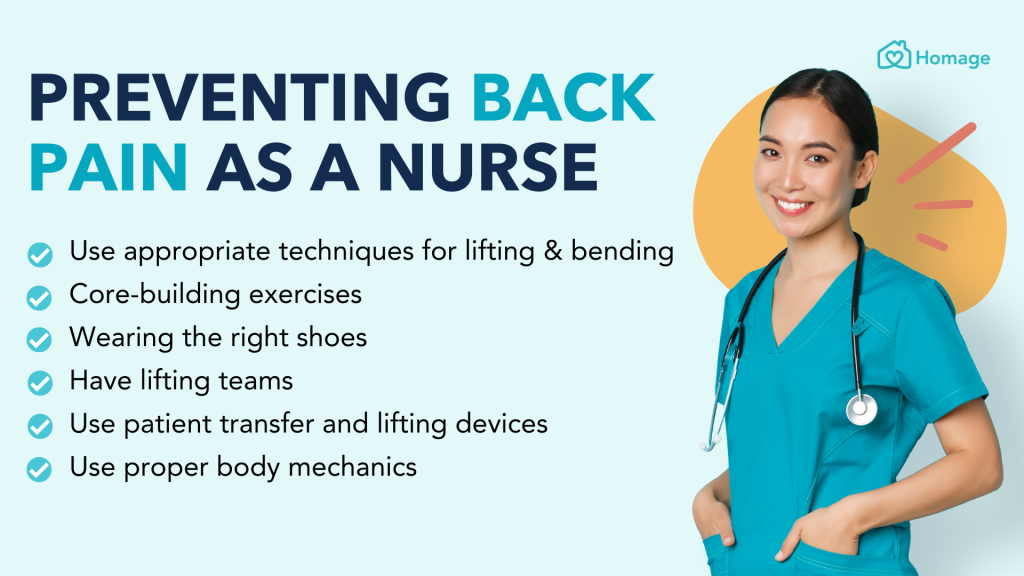
Back injuries are a common concern among nurses. You spend long hours caring for patients, often lifting or moving them, which can put a strain on your back.
This physical demand is part of your daily routine, but it doesn’t mean you have to suffer. Imagine a workday where you feel strong and pain-free, where your back supports you without complaint. That’s possible with the right strategies in place.
You’ll discover practical tips to protect your back, ensuring you can continue to do the job you love without the discomfort. Keep reading to learn how to safeguard your health and maintain your well-being, because a healthy back means a happier, more fulfilling career.
Credit: blogs.cdc.gov
Causes Of Back Injuries In Nurses
Lifting patients and repetitive movements often lead to back injuries in nurses. Proper lifting techniques and regular exercise can help prevent these injuries.
Understanding the causes of back injuries in nurses is crucial to preventing them. Nurses face a unique set of challenges that make them especially vulnerable to such injuries. By identifying these causes, you can take proactive steps to safeguard your health and career.
Physical Demands Of Nursing
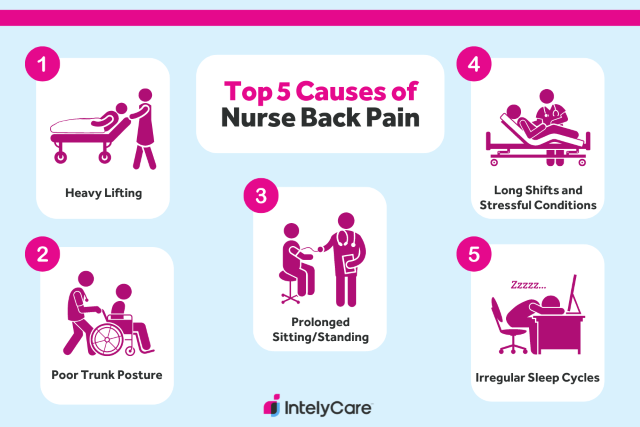
Nursing is an incredibly physical job. You often find yourself on your feet for long periods, moving from one task to another without much rest. Tasks like repositioning patients, pushing wheelchairs, or moving heavy medical equipment all contribute to the physical strain. The combination of continuous movement and the need to lift or shift patients can lead to significant back stress. Have you ever noticed how tired your body feels after a long shift? That’s a testament to the physical demands of your role.
Improper Lifting Techniques
One common cause of back injuries is improper lifting techniques. Many nurses don’t receive adequate training in safe lifting practices. You might find yourself bending at the waist instead of the knees or twisting your back while lifting a patient. These small mistakes can have big consequences over time. Practicing proper lifting techniques, such as keeping the load close to your body and using your legs to lift, can greatly reduce your risk of injury.
Long Hours And Fatigue
Working long hours can lead to fatigue, which significantly increases the risk of back injuries. When you’re tired, your body isn’t as alert, and you might not use proper body mechanics. Have you ever noticed that your posture slips as your shift progresses? Fatigue can make you less mindful of your movements, leading to sloppy lifting or awkward movements that strain your back. Consider how you can incorporate more rest into your schedule. Even short breaks can help rejuvenate your body and mind, making you more aware of your movements and reducing the risk of injury. By understanding these causes, you can take steps to protect your back and ensure a long, healthy nursing career. What changes will you make today to safeguard your health?
Credit: www.intelycare.com
Importance Of Preventing Back Injuries
Preventing back injuries in nurses is crucial for maintaining their health. Nurses often perform physically demanding tasks, which puts them at risk. Protecting their backs can lead to a longer, healthier career. It also improves their overall well-being. Understanding the importance of prevention can lead to better practices.
Impact On Career Longevity
Back injuries can shorten a nurse’s career. Constant pain may force early retirement. This can lead to financial challenges. Nurses with healthy backs can work longer. They can enjoy a fulfilling career without interruptions.
Effects On Personal Health
Back injuries affect more than just career. They impact personal life too. Chronic pain can limit daily activities. It can cause stress and affect mental health. By preventing injuries, nurses can enjoy a better quality of life.
Ergonomic Practices
Nurses often face back injuries due to long hours and physical demands. Ergonomic practices can help prevent these injuries effectively. Implementing proper techniques can reduce strain and support health.
Proper Body Mechanics
Using correct body mechanics is crucial for nurses. Always maintain a neutral spine when lifting or transferring patients. Bend at the knees, not the waist. Keep objects close to your body to minimize stress. Pivot your feet instead of twisting your back.
Engage your core muscles for stability and strength. Avoid reaching or bending awkwardly. Arrange your workspace to promote good posture. Regularly assess your posture during tasks.
Utilizing Equipment
Leverage available equipment to ease physical strain. Use lift-assist devices when handling patients. Adjustable beds can help maintain ergonomic positions. Slide sheets reduce friction, making transfers smoother.
Ensure equipment is in good working condition. Familiarize yourself with proper usage to maximize benefits. Training sessions can enhance your skills in using these tools effectively.
Training And Education
Nurses face physical demands daily, often leading to back injuries. Proper training and education can significantly reduce these risks. By equipping nurses with the right skills and knowledge, healthcare facilities can foster a safer work environment. Let’s explore two crucial aspects of training that can help prevent back injuries.
Workshops And Seminars
Workshops provide hands-on experience in safe lifting techniques. These sessions often include demonstrations and practice. Experts guide nurses through exercises designed to strengthen core muscles. Seminars offer theoretical knowledge about body mechanics. Nurses learn how to maintain proper posture during tasks. Attendees can ask questions and share experiences. This interactive approach ensures better understanding and retention.
On-the-job Training
Practical training on-site helps nurses apply skills directly. Supervisors can observe and correct techniques as needed. Real-world scenarios demonstrate the importance of safe practices. This type of training is ongoing, allowing nurses to continuously improve. Peer feedback fosters a supportive learning environment. Nurses gain confidence in their ability to prevent injuries.
Supportive Workplace Environment
Creating a supportive workplace environment helps prevent back injuries in nurses. Encourage ergonomic practices and provide proper lifting equipment. Regular training and awareness sessions enhance safety and reduce strain during patient care.
A supportive workplace environment is crucial in preventing back injuries among nurses. Such an environment fosters a culture of safety, where proper techniques and resources are readily available, and teamwork is encouraged. It ensures that nurses feel valued and protected, reducing the risk of injury while enhancing overall job satisfaction.
Access To Resources
Ensuring nurses have access to appropriate resources is essential. This includes ergonomic equipment like adjustable beds and lifting aids. These tools minimize strain on the back during patient handling. Regular training sessions on safe lifting techniques can significantly reduce injury risks. Consider organizing workshops that provide hands-on experience. Having clear guidelines and protocols in place is vital. They provide a roadmap for safe practices and ensure everyone is on the same page.
Encouraging Teamwork
Teamwork plays a pivotal role in maintaining a safe work environment. It fosters a sense of community where nurses can rely on each other for support during physically demanding tasks. Promote a culture where asking for help is seen as a strength, not a weakness. This can prevent nurses from attempting risky maneuvers alone. Regular team-building activities can enhance communication and cooperation. When nurses work together efficiently, they can better safeguard against injuries. How does your workplace encourage teamwork? Reflecting on this can help identify areas for improvement and strengthen your team’s support network.
Lifestyle Changes
Adopt proper lifting techniques to protect your back. Strengthen core muscles with regular exercise. Use supportive footwear to reduce strain.
Lifestyle changes can play a crucial role in preventing back injuries for nurses. Given the physical demands of nursing, adopting healthier habits can strengthen the body and reduce injury risks. Making small adjustments in daily routines can lead to significant health improvements. Let’s explore some key lifestyle changes that can help nurses safeguard their backs.
Exercise And Strengthening
Regular exercise helps build core strength. Stronger muscles support the spine better. Simple activities like walking or stretching can be effective. Yoga and Pilates focus on core stability. They improve posture and flexibility. Consider resistance training. It boosts muscle endurance. Start with light weights. Gradually increase intensity. Consistency is key for lasting benefits.
Diet And Nutrition
A balanced diet supports overall health. Proper nutrition aids muscle recovery. Include foods rich in calcium and vitamin D. They strengthen bones. Omega-3 fatty acids reduce inflammation. Add fish and nuts to meals. Hydration is essential. Water keeps joints lubricated. Limit processed foods. They can lead to weight gain. Extra weight strains the back. Prioritize lean proteins and fresh produce. They provide necessary nutrients.
Utilizing Technology
In the fast-paced world of healthcare, technology is proving to be a vital ally in safeguarding the health of nurses, especially when it comes to preventing back injuries. With the integration of modern tools, nurses can now rely on innovative devices and apps to assist them in their daily tasks. This section delves into how technology can make a significant difference in maintaining your physical well-being.
Innovative Lifting Devices
Imagine the relief of not having to strain your back during patient transfers. Innovative lifting devices, such as motorized hoists and transfer sheets, are designed to reduce physical exertion. These tools allow you to move patients safely and efficiently, minimizing the risk of injury.
Consider using ceiling-mounted lifts, which are gaining popularity for their ease of use and effectiveness. They can be operated with minimal effort, allowing you to focus on patient care rather than worrying about potential injuries.
Have you ever tried using a sit-to-stand lift? It’s a game changer for both you and your patients, providing a secure method to assist them in standing or sitting with minimal strain. Investing time in learning how to operate these devices can save you a lot of pain in the long run.
Health Monitoring Apps
Technology isn’t just about physical devices; health monitoring apps are equally crucial. These apps can track your physical activity, posture, and even alert you when it’s time to take a break. They provide real-time feedback, helping you make informed decisions about your health.
Imagine a scenario where you receive a reminder to adjust your posture while charting patient information. These subtle alerts can prevent the gradual onset of discomfort or pain, ensuring that you maintain a healthy stance.
Some apps offer features like personalized exercise routines specifically designed to strengthen your back muscles. Engaging with these routines can be a proactive way to prevent injuries before they occur. Have you explored the variety of health apps available? It might be worth checking out to see how they can support your daily nursing duties.

Credit: nurse.org
Policy And Advocacy
Policy and advocacy play a crucial role in preventing back injuries for nurses. Strong policies ensure safer work environments. Advocacy raises awareness and drives change. Both are essential for protecting nurses from injury.
Lobbying For Better Standards
Nurses often face challenging physical demands. Lobbying can lead to improved workplace standards. Advocates push for regulations that prioritize nurse safety. They work to enforce proper lifting techniques and equipment use. These efforts can reduce back injuries significantly.
Effective lobbying requires collaboration with policymakers. It involves presenting evidence of the benefits of safer practices. Successful lobbying can lead to new legislation. This legislation can enforce better standards across healthcare facilities.
Role Of Nursing Associations
Nursing associations are vital in advocacy efforts. They represent the interests of nurses and their safety. Associations provide resources and training on injury prevention. They also raise awareness about the importance of safe practices.
These organizations have the power to influence policy changes. They collaborate with health institutions to implement safety measures. Their advocacy can lead to widespread improvements in nurse safety. Through their efforts, back injuries can be reduced substantially.
Frequently Asked Questions
How To Prevent Back Injury As A Nurse?
Use proper body mechanics during lifting. Utilize assistive devices for heavy patients. Take regular breaks to stretch. Maintain a healthy weight and exercise regularly to strengthen core muscles. Attend training sessions on safe patient handling techniques.
What Can The Nursing Assistant Do To Prevent Back Injuries?
Use proper body mechanics. Lift with legs, not the back. Keep loads close to the body. Avoid twisting motions. Use assistive devices like transfer belts. Maintain good posture. Take regular breaks to stretch. Stay fit to enhance strength and flexibility.
How To Prevent Back Injuries?
Lift properly using your legs, not your back. Maintain a healthy weight to reduce strain. Strengthen core muscles through regular exercise. Use ergonomic furniture and tools at work. Take frequent breaks to stretch and adjust posture.
What Action Is Most Important In Preventing The Nurse’s Risk Of Back Injuries?
Use proper body mechanics to prevent nurse back injuries. Lift with legs, not the back. Utilize assistive devices.
Conclusion
Preventing back injuries in nurses is crucial. Protecting their health ensures better care. Simple habits make a big difference. Always lift properly. Utilize assistive devices when needed. Stay fit and maintain good posture. Take breaks and stretch regularly. Educate yourself and colleagues on safe practices.
A healthy work environment benefits everyone. Prioritizing safety reduces injury risks. Nurses deserve a pain-free career. Implement these tips daily. Your back will thank you. Protect your health. Keep serving patients with energy and dedication. A safe practice leads to a healthier future.
Stay informed and proactive. Your well-being matters.
