Do you love the thrill of walking on your hands but worry about injuring your arms? You’re not alone.
Many enthusiasts find this unique exercise exciting yet intimidating, especially when it comes to preventing injuries. Imagine being able to walk on your hands with confidence, knowing your arms are protected and strong. How would that change your practice? You’ll discover simple, effective techniques to safeguard your arms while enjoying this exhilarating activity.
Stay with us, and you’ll learn how to keep your practice safe and fun, ensuring you stay on your hands longer and healthier.

Credit: synergyrehabinc.com
Benefits Of Walking On Hands
Strengthening arm muscles reduces injury risk while walking on hands. Proper warm-ups enhance flexibility and support joint health. Regular practice builds endurance, preventing strain during handstands.
Walking on hands, often seen as a skill reserved for gymnasts and circus performers, offers numerous health benefits that can enhance your physical well-being. This unique form of exercise engages your core, improves balance, and boosts upper body strength. Imagine being able to balance your entire weight on your hands—this not only challenges your muscles but also your mind.
Builds Upper Body Strength
Walking on hands is a fantastic way to build strength in your arms, shoulders, and chest. Unlike traditional exercises, it requires you to support your entire body weight. This intense workout can be more effective than doing countless push-ups.
Improves Balance And Coordination
Balancing on your hands requires a strong sense of coordination. Each step demands focus and precision, enhancing your overall balance. Have you ever noticed how gymnasts seem to float effortlessly on their hands? This skill translates to better coordination in everyday life.
Enhances Core Stability
Your core muscles play a crucial role in maintaining stability while hand walking. As you shift your weight, your core engages to keep you upright. This constant engagement strengthens your abs, obliques, and lower back, contributing to a toned midsection.
Boosts Mental Focus
Hand walking is not just a physical challenge; it’s a mental workout, too. Concentrating on balance, movement, and breathing enhances your mental focus. This heightened awareness can carry over into other areas of your life, improving your ability to concentrate on tasks.
Increases Flexibility
Regular practice of walking on hands can improve your flexibility. Your wrists, shoulders, and hips become more limber as you engage in this dynamic movement. This increased flexibility can prevent injuries and improve your performance in other physical activities.
Offers A Fun And Engaging Workout
Tired of traditional workouts? Walking on hands offers a fresh and exciting way to get fit. It challenges your body in new ways, keeping your fitness routine interesting and motivating you to push your limits. Plus, it’s a cool skill to show off! Are you ready to walk on your hands? Consider your current fitness level and start slow to avoid injuries. Wouldn’t it be exciting to integrate this unique exercise into your routine and reap its benefits?

Credit: www.amazon.com
Common Arm Injuries
Proper warm-up and stretching before walking on hands reduces the risk of arm injuries. Strengthen arm muscles gradually to support weight safely. Practice on soft surfaces to cushion falls and minimize impact injuries.
Walking on hands can strengthen the upper body. It also poses risks for arm injuries. Understanding these common injuries helps in taking preventive measures.
Sprains And Strains
Sprains happen when ligaments stretch too much. Strains involve muscles or tendons. Both can cause pain and swelling. Rest and ice help manage symptoms.
Fractures
A fracture is a broken bone. Falling or landing improperly can cause fractures. They need medical attention. Healing time varies based on severity.
Tendonitis
Tendonitis is inflammation of a tendon. Repeated stress on arms can lead to this condition. It causes pain and tenderness. Reducing activity and applying ice can help.
Carpal Tunnel Syndrome
Carpal Tunnel Syndrome affects the wrist. It causes numbness and tingling. Repetitive hand movements increase the risk. Wrist braces can provide relief.
Dislocations
A dislocation occurs when bones slip out of place. It often affects the shoulder. Dislocations cause intense pain. Immediate medical care is necessary. Understanding these injuries aids in prevention. Always warm up before hand walking. Strengthen arm muscles gradually. Use proper techniques to minimize risks.
Proper Technique
Engage your core muscles to maintain balance while walking on hands. Distribute weight evenly across both arms. Keep elbows slightly bent to reduce strain and prevent injury.
Walking on hands can be a fun and challenging activity. To prevent arm injuries, using the right technique is crucial. Proper technique ensures safety and boosts your confidence.
Body Alignment
Maintain a straight line from your head to your heels. Engage your core for stability. Keep your back flat and avoid arching. Proper alignment distributes weight evenly, reducing strain on your arms.
Hand Positioning
Place your hands shoulder-width apart. Spread fingers wide for better grip. Ensure palms face forward. This positioning offers balance and minimizes wrist stress.
Controlled Movements
Move slowly and deliberately. Avoid sudden shifts or jerks. Focus on smooth transitions between positions. Controlled movements protect your muscles and joints from unexpected pressure.
Strengthening Exercises
Strengthening exercises can help prevent arm injuries while walking on hands. Focus on building wrist flexibility and arm strength. Regular practice with proper form reduces strain and enhances endurance.
Strengthening exercises are crucial for safely walking on your hands. Building arm strength helps prevent injuries and improves your stability. Regular practice of specific exercises can make your arms stronger and more resilient.
Wrist Strengthening
Strong wrists are essential for hand walking. Simple exercises can enhance wrist strength.
- Wrist curls: Use light dumbbells or resistance bands. Curl your wrists up and down.
- Wrist rotations: Rotate your wrists in circles, both clockwise and counterclockwise.
- Push-up holds: Hold a push-up position, keeping your wrists steady.
Forearm Muscles
Forearm muscles play a vital role in arm support. Strengthening them reduces injury risks.
- Grip squeezes: Squeeze a stress ball or hand gripper regularly.
- Reverse curls: Perform with light weights, focusing on forearm flexors.
- Finger extensions: Use rubber bands to stretch your fingers outward.
Shoulder Stability
Shoulder stability is crucial for balance and control. Strong shoulders support the entire arm.
- Plank shoulder taps: Tap each shoulder with the opposite hand while planking.
- Shoulder presses: Use light weights to press overhead, strengthening shoulder muscles.
- Scapular push-ups: Focus on retracting and protracting your shoulder blades.
Incorporate these exercises into your routine for safer hand walking. Consistency is key to building strength and stability.
Warm-up Routine
Proper warm-ups can help prevent arm injuries while walking on hands. Begin with gentle arm circles to loosen muscles. Gradually increase intensity with dynamic stretches, focusing on shoulders and wrists.
Walking on your hands can be an exhilarating challenge, but it requires proper preparation to avoid arm injuries. A warm-up routine is essential to ensure your muscles and joints are ready for this unique activity. By focusing on joint mobility and dynamic stretching, you can enhance your performance while minimizing the risk of injury.
Joint Mobility
Joint mobility is the foundation for any physical activity involving your arms. It helps in increasing blood flow and prepares your joints for movement. Start with simple wrist circles to loosen up the wrist joints. Rotate your wrists clockwise and then counterclockwise, ensuring a smooth motion. Don’t forget your elbows and shoulders. Perform gentle rotations to keep them flexible. If you’ve ever felt tightness in your joints, you know how crucial it is to keep them mobile. Imagine your arms as gears in a machine—they need to be well-oiled to function smoothly.
Dynamic Stretching
Dynamic stretching involves moving parts of your body and gradually increasing reach, speed, or movement. Unlike static stretches, dynamic stretches mimic the motions of the activity you’re about to perform, making them ideal for hand walking. Try arm swings to engage your shoulders and arms. Swing your arms forward and backward, slowly increasing the range of motion. This primes your muscles for the activity ahead. Incorporate shoulder circles to maintain fluidity in your upper body. As you circle your shoulders, think of it as preparing them for the demands of bearing your weight. Do you usually skip stretching because it feels tedious? Consider the benefits: a few minutes of dynamic stretching can significantly improve your performance and prevent injuries. Ultimately, a proper warm-up routine sets the stage for a successful hand-walking experience. By prioritizing joint mobility and dynamic stretching, you can walk on your hands with confidence and strength, knowing you’ve taken steps to protect yourself.
Protective Gear
Walking on hands is an exciting and challenging activity. It strengthens muscles and improves balance. But, it can also lead to arm injuries. Using the right protective gear can help prevent these injuries. Protective gear supports the wrists and cushions the hands.
Wrist Supports
Wrist supports offer stability and reduce strain on your wrists. They keep your wrists aligned and prevent unwanted movements. Choose wrist supports made from breathable materials. Adjustable straps ensure a snug fit. This helps in maintaining wrist health and comfort. Regular use can minimize injury risk.
Hand Wraps
Hand wraps provide additional protection and support. They cushion the palms and fingers, reducing friction and pressure. Look for wraps that are elastic and easy to adjust. This ensures a secure fit and allows natural hand movement. Hand wraps also absorb sweat, keeping hands dry. This improves grip and control while walking on hands.
Rest And Recovery
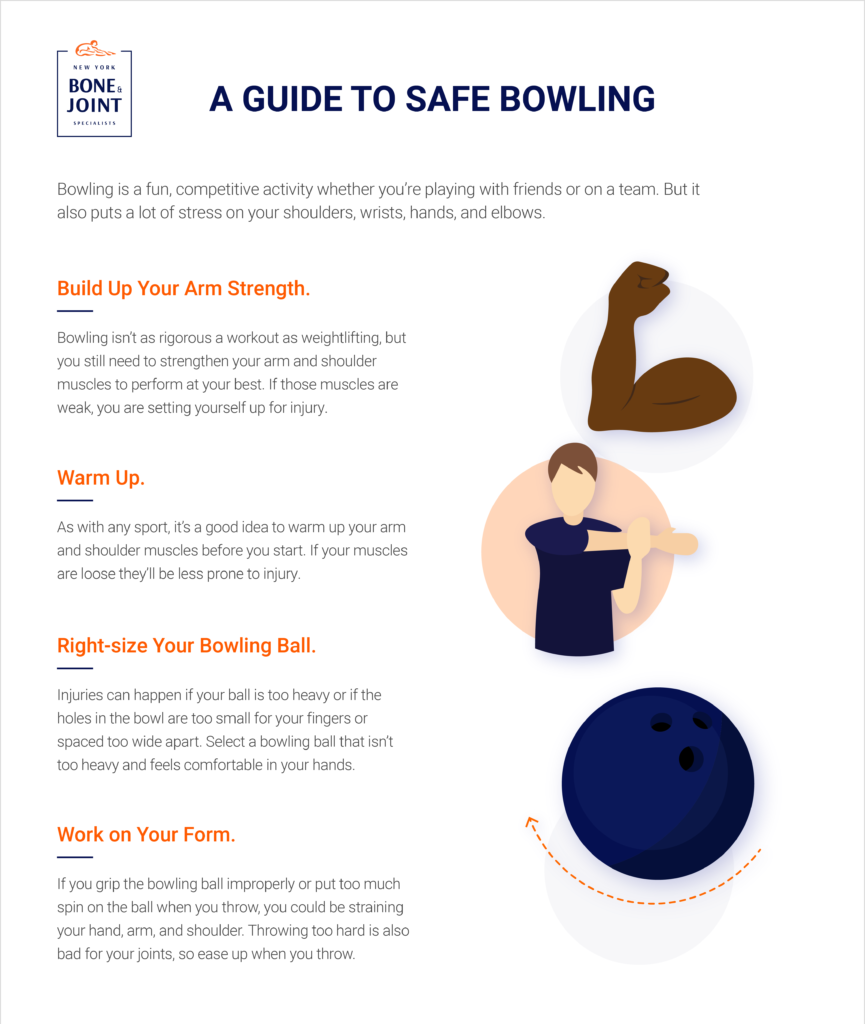
Ensure proper rest and recovery to prevent arm injury while walking on hands. Allow muscles time to heal. Incorporate gentle stretching and strengthening exercises in your routine for better support.
Walking on your hands can be an exhilarating way to challenge yourself physically, but it also demands a lot from your arm muscles and joints. To keep enjoying this activity without setbacks, understanding the importance of rest and recovery is crucial. Taking time to rest allows your body to repair itself and prevents overuse injuries. But how do you know when it’s time to rest, and what are the most effective techniques to ensure a full recovery?
Recognizing Overuse
Overuse is a common issue when practicing hand walking. It manifests as persistent soreness, stiffness, or discomfort in your arms and shoulders. If you notice these symptoms, it might be your body’s way of signaling the need for a break. Listen to your body. Are your arms feeling unusually heavy or fatigued even after a good night’s sleep? It’s essential to recognize these signs early to prevent more severe injuries. Consider keeping a journal to track your progress and any physical discomfort. This can help you pinpoint patterns and identify when overuse might be occurring.
Effective Rest Techniques
Rest doesn’t mean doing nothing. It’s about smart strategies to rejuvenate your body. Start by alternating your hand walking sessions with less intense activities like yoga or swimming, which can aid muscle recovery. Implement stretching routines to alleviate muscle tension and improve flexibility. Stretching can enhance blood flow and speed up the healing process. Hydration and nutrition also play vital roles in recovery. Ensure you’re consuming enough protein to support muscle repair and staying hydrated to flush out toxins. Reflect on how you spend your downtime. Engaging in meditation or mindfulness exercises can help reduce stress and promote overall well-being, aiding physical recovery. Remember, your journey to mastering hand walking should be enjoyable and sustainable. Are you giving your arms the care they deserve?
Credit: nyboneandjoint.com
Consulting A Specialist
Consulting a specialist helps identify techniques to prevent arm injuries from walking on hands. They offer personalized advice and exercises tailored to individual needs.
Consulting a specialist can be a game-changer when it comes to preventing arm injuries while walking on your hands. You might think you can handle minor aches or pains on your own, but sometimes professional guidance is essential to avoid long-term damage. A specialist can provide personalized advice tailored to your unique needs and help you understand the mechanics of your movements.
When To Seek Help
If you experience persistent pain or discomfort that doesn’t improve with rest, it’s time to reach out to a specialist. Ignoring these signs can lead to more severe injuries. Consider how this discomfort affects your daily life and performance—do you want to compromise your ability to walk on your hands effectively? Sudden sharp pain or swelling is a red flag. Don’t wait for it to worsen. Seeking help early can save you from prolonged recovery times and more serious issues down the line.
Role Of Physical Therapy
Physical therapy plays a crucial role in preventing arm injuries. A therapist can assess your current condition and provide exercises to strengthen your muscles. This not only helps in healing but also in enhancing your performance. Imagine having a tailored routine that addresses your specific weaknesses. Regular sessions can improve flexibility and reduce the risk of injury. Have you considered how much more confidently you could walk on your hands with expert guidance? Physical therapists also educate you on proper techniques and postures. This knowledge is invaluable in maintaining long-term joint health. Are you ready to invest in your well-being and take your skills to the next level?
Frequently Asked Questions
What Is The Best Way To Prevent Hand Injuries?
Use protective gloves suited to the task. Keep work areas clean and organized. Regularly maintain tools and equipment. Practice proper lifting techniques. Stay alert and avoid distractions.
How To Prevent Arm Injuries?
Strengthen muscles through regular exercise and proper stretching. Use ergonomic tools and maintain good posture. Take frequent breaks to avoid overuse. Wear protective gear during sports or high-risk activities. Listen to your body and rest when needed.
How To Protect Hands When Working Out?
Wear gloves to reduce friction and prevent calluses. Use chalk or grip tape for better hold. Keep hands moisturized to avoid cracks. Perform exercises with proper form to minimize strain. Regularly clean equipment to prevent infections.
What Causes The Most Hand Injuries?
Improper use of tools and machinery causes most hand injuries. Lack of protective gear and safety training also contribute.
Conclusion
Preventing arm injury while walking on hands is crucial for safety. Start with proper warm-ups to prepare muscles. Always use correct form to avoid strain. Gradually increase practice time to build strength. Listen to your body; stop if pain occurs.
Rest and recovery are equally important. Consider consulting a coach for guidance. Stay consistent with your training. Enjoy the benefits of increased balance and coordination. Keep challenging yourself, but remain cautious. Remember, safety is the key to success in hand walking.
Stay safe, stay strong, and keep improving!
