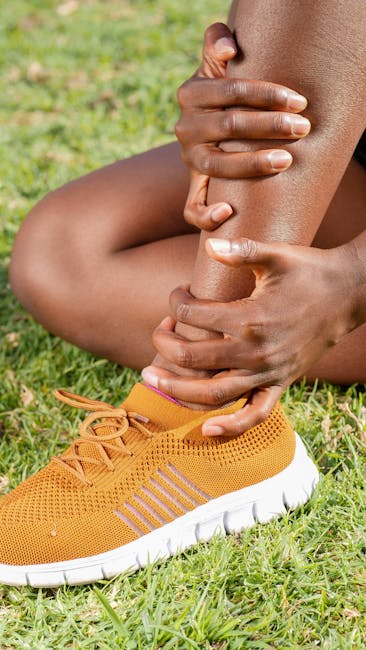
Imagine being sidelined from your favorite sport or daily activities because of an ACL injury. It’s frustrating, right?
You want to stay active, but those nagging fears of injury keep holding you back. What if you could take control and reduce your risk significantly? By understanding the ABCs of ACL injury prevention, you can empower yourself to protect your knees and keep moving forward without worry.
This guide isn’t just about avoiding injury; it’s about unlocking the secrets to maintaining your active lifestyle. Dive in and discover how simple strategies can make a big difference in keeping your knees strong and resilient. Your journey to safer, smarter movement starts here—let’s make sure you enjoy every step along the way!
Understanding Acl Injuries
Understanding the essentials of ACL injury prevention helps maintain knee health. Strengthening exercises and proper techniques reduce injury risk. Stay informed to protect your joints effectively.
Understanding ACL Injuries The Anterior Cruciate Ligament (ACL) is crucial for knee stability. Injuries to the ACL are common in sports and daily activities. Understanding these injuries helps in prevention and treatment. Let’s dive into the details.
Common Causes
ACL injuries often occur during sudden stops or changes in direction. Sports like soccer and basketball have high ACL injury rates. Jumping and landing awkwardly can also cause tears. Direct blows to the knee, like in football, are common culprits too.
Symptoms And Diagnosis
An ACL tear usually causes a loud pop. Swelling and pain follow quickly. The knee may feel unstable or give way under pressure. Diagnosis involves physical exams and imaging tests. MRI scans provide clear images of the tear. Early diagnosis can lead to better recovery outcomes.

Credit: psrihospital.com
Risk Factors
The risk factors for ACL injuries are numerous and understanding them is crucial in prevention. Knowing what increases your chances can help you make smarter choices and protect your knees. Let’s dive into the key risk factors that could put you at risk.
Age And Gender
Age can play a significant role. Young athletes, particularly those in their teens, are more susceptible due to the high demands of sports and the rapid growth of their bodies. Gender is another risk factor, with females showing higher rates of ACL injuries than males. This is often linked to anatomical differences and hormonal influences.
Activity Level
Your activity level is crucial. High-intensity sports like basketball, soccer, and skiing increase your risk due to sudden changes in movement and jumping. However, even if you’re not a competitive athlete, a sedentary lifestyle can weaken your muscles and ligaments, making you more prone to injuries.
Previous Injuries
Have you injured your knee before? Previous injuries can make your ACL more vulnerable. Scar tissue and weakened ligaments from past injuries can compromise knee stability. It’s essential to rehab thoroughly before returning to high-impact activities.
Could these factors be affecting your own risk? Understanding them can pave the way for better prevention strategies. Stay aware, stay active, and take care of your knees!
Prevention Strategies
Preventing ACL injuries is crucial, especially if you’re active in sports or enjoy running. It’s not just about avoiding pain; it’s about ensuring you can keep doing what you love without setbacks. Prevention strategies can significantly reduce your risk and increase your confidence in your movements.
Strength Training
Building strong muscles around your knees is like adding armor to your joints. Focus on exercises that strengthen your quadriceps, hamstrings, and calves. Squats, lunges, and leg presses can be your best allies. Think about how much easier it is to recover from a stumble when your legs feel like steel. Regular strength training can be a game-changer in ACL injury prevention.
Flexibility And Stretching
Imagine trying to run with a stiff rubber band—it snaps under pressure, right? Your muscles are no different. Stretching not only increases your flexibility but also keeps your muscles supple and ready to handle sudden movements. Incorporate stretches into your routine for your legs and hips, paying close attention to your hamstrings and calves. Consider how a simple stretch can enhance your range of motion and reduce injury risks.
Proper Technique
Mastering proper technique is about more than just skill—it’s your safety net. Whether you’re jumping, pivoting, or landing, doing it right can prevent unnecessary strain on your ACL. Do you ever notice how professional athletes move with a certain grace? That’s not just talent; it’s technique honed through practice. Invest time in learning and practicing correct movement patterns, and you’ll notice the difference in your confidence and performance.
Incorporating Balance Exercises
Incorporating balance exercises strengthens muscles and improves stability, reducing the risk of ACL injuries. Practicing these exercises enhances coordination, helping athletes maintain control during movements.
Incorporating balance exercises into your routine can significantly reduce the risk of ACL injuries. Balance training strengthens your muscles, enhances coordination, and improves stability. These exercises are essential for athletes and anyone engaged in physical activities. They help maintain control during rapid movements, minimizing injury chances.
Importance Of Balance
Balance is crucial for maintaining stability during activities. It helps in controlling body movements and prevents falls. Good balance ensures your muscles work effectively, reducing strain on the ACL. By focusing on balance, you enhance your overall physical performance. This is particularly important for sports that require quick changes in direction.
Effective Exercises
Certain exercises can improve your balance and reduce ACL injury risk. Here are some effective ones:
- Single-leg stands: Stand on one leg, keeping the other raised. Hold for 30 seconds.
- Heel-to-toe walk: Walk in a straight line, placing one foot directly in front of the other.
- Bosu ball exercises: Use a Bosu ball to challenge your balance by performing squats or lunges.
- Yoga poses: Practice poses like the tree pose to enhance balance and flexibility.
These exercises target stability and coordination, helping protect your ACL during activities. Regular practice will lead to noticeable improvements in your balance and overall fitness.
Role Of Nutrition In Injury Prevention
Nutrition plays a crucial role in preventing ACL injuries, often overlooked in the quest for stronger muscles or better agility. What you put on your plate can significantly impact your body’s resilience and recovery. Imagine fueling your body with the right nutrients and seeing a noticeable difference in your performance and injury resistance.
Dietary Considerations
Your daily diet is the foundation of injury prevention. Consuming a balanced mix of proteins, carbohydrates, and healthy fats ensures that your muscles and joints are well-nourished. Foods rich in omega-3 fatty acids, like salmon and walnuts, can help reduce inflammation and support joint health.
Whole grains and lean proteins such as chicken and tofu provide the necessary energy and muscle repair components. Don’t underestimate the power of fruits and vegetables, which are packed with antioxidants that combat oxidative stress, a key factor in injury risk.
Supplements For Joint Health
Sometimes, your diet might need an extra boost to ensure joint health. Supplements can fill in the gaps where your nutrition might fall short. Glucosamine and chondroitin are popular choices that many athletes swear by for maintaining joint flexibility and strength.
Collagen supplements are another option, known for supporting the structural integrity of your connective tissues. Before adding supplements to your regimen, consider consulting with a healthcare professional to tailor them to your specific needs.
Have you ever thought about how your diet affects your injury risk? Small changes in your nutritional habits can make a significant difference in keeping you on your feet and in the game.
Credit: www.genspark.ai
Creating A Personalized Prevention Plan
Understanding the ABCs of ACL injury prevention is crucial. Focus on agility, balance, and core strength to reduce risks. Personalized plans enhance safety and performance in sports and daily activities.
Creating a personalized prevention plan for ACL injuries is crucial for anyone looking to stay active and healthy. Whether you’re an athlete or a weekend warrior, understanding your unique needs can make all the difference. Personalization ensures that your plan addresses your specific risk factors and lifestyle, paving the way for effective prevention strategies.
Assessing Individual Needs
Start by evaluating your current fitness level and any previous injuries. Are you prone to certain movements that might stress your ACL? Consider your sport or activity—some have higher risks than others. Understanding these aspects helps tailor a plan that fits you perfectly. Consulting with a healthcare professional can provide deeper insights. They can assess your physical condition and suggest exercises that align with your needs. This expert guidance ensures your plan is both safe and effective.
Setting Achievable Goals
Goals should be clear and realistic. What do you want to achieve in terms of strength and flexibility? Set targets that challenge you without overwhelming you. Break down larger goals into smaller, manageable tasks. This approach not only keeps you motivated but also allows you to track progress easily. Celebrating small victories can boost your confidence and commitment to the plan. Consider what keeps you motivated. Is it the thrill of competition or the joy of movement? Align your goals with these motivations to sustain your interest and enthusiasm over time.
Monitoring And Adjusting Strategies
Monitoring and adjusting strategies are vital in preventing ACL injuries. Focus on proper warm-up, strengthening exercises, and technique correction. Regular evaluation helps ensure effective prevention and promotes safer athletic performance.
Monitoring and adjusting strategies play a vital role in preventing ACL injuries. These strategies help athletes and fitness enthusiasts stay on track with their prevention goals. Regular monitoring allows for timely identification of areas needing improvement. This proactive approach ensures the effectiveness of the prevention program. Making adjustments as needed enhances the reliability of the strategies implemented.
Tracking Progress
Consistent tracking helps in understanding the effectiveness of current strategies. Athletes can use various methods to monitor their progress. Consider maintaining a journal or using digital apps to record daily activities. This documentation helps in identifying patterns over time. It provides insight into what works and what needs alteration. Regular progress checks keep motivation high and goals aligned.
Making Necessary Changes
Change is essential when current strategies show limited results. Analyze the data collected from tracking progress. It highlights areas requiring modification. Discuss these findings with a coach or a healthcare professional. They offer expert advice on implementing effective changes. Adjustments might include altering exercise routines or increasing rest periods. These changes ensure the strategies remain effective and focused on injury prevention.

Credit: www.totalorthosportsmed.com
Frequently Asked Questions
What Is Acl Injury Prevention?
ACL injury prevention involves exercises to strengthen leg muscles and improve balance. Focus on stretching, agility drills, and proper landing techniques. Consistent training reduces injury risk and enhances joint stability.
What Does C Stand For In Acl?
“C” in ACL stands for “Cruciate. ” ACL is short for Anterior Cruciate Ligament, a key knee stabilizer.
What Are 5 Preventative Measures To Decrease The Risk Of Acl Tears In Females?
Strengthen leg muscles with targeted exercises like squats. Improve flexibility through regular stretching routines. Enhance balance and proprioception with stability exercises. Incorporate agility drills to boost coordination. Practice proper landing techniques to minimize stress on the knees.
What Is The Triad Of The Acl Injury?
The triad of an ACL injury includes damage to the anterior cruciate ligament, medial collateral ligament, and meniscus. This combination commonly occurs during sports activities involving sudden twists or impacts. Prompt diagnosis and treatment are vital for recovery and avoiding further complications in knee stability and movement.
Conclusion
Preventing ACL injuries requires simple steps. Strengthen your muscles regularly. Maintain flexibility through stretching exercises. Proper technique in sports is crucial. Always wear supportive footwear. Listen to your body; rest when needed. Warm up before any activity. Cool down afterwards to protect muscles.
These strategies help reduce injury risk. Stay committed to your physical health journey. Remember, consistency in prevention is key. Protect your knees, and enjoy your favorite sports. Stay active, stay safe, and keep moving with confidence. Embrace a healthy lifestyle for lasting benefits.
Safety first, always.
