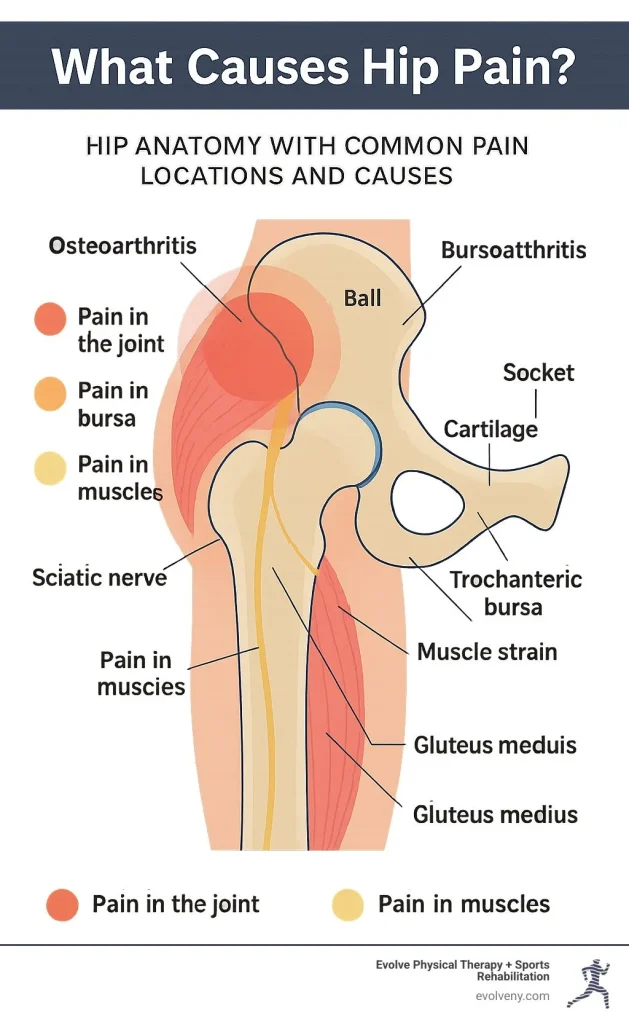
Imagine you’re gearing up for a big game or a challenging workout session. You feel ready, but something’s holding you back—literally.
That something might be your pelvic stability. Often overlooked, pelvic stability is a crucial component that can make or break your performance in sports. It’s the foundation that supports your every move, from a powerful sprint to a graceful jump.
Without it, you might be risking not just your performance, but also your physical well-being. So, what exactly is pelvic stability, and why should it matter to you? Understanding this could be the key to unlocking your full athletic potential. Stick with us as we delve into how strengthening your pelvic stability can lead to improved performance and reduced injury risk. Your next victory might just depend on it.
Importance Of Pelvic Stability
Pelvic stability is a cornerstone of athletic performance, often overlooked yet crucial for success in sports. It’s the unsung hero that supports your body’s movements and safeguards against injuries. Without strong pelvic stability, even the most skilled athletes can struggle to reach their peak potential.
Role In Athletic Movements
Pelvic stability plays a pivotal role in ensuring smooth and efficient athletic movements. Imagine trying to shoot a basketball or swing a golf club without a stable base; the outcome would likely be less accurate and powerful. A stable pelvis provides the necessary foundation for your legs and core to perform optimally, allowing you to execute movements with precision. Whether you’re sprinting down a track or making quick pivots on the soccer field, a stable pelvis helps maintain balance and control.
Impact On Injury Prevention
Strong pelvic stability is a key player in preventing sports-related injuries. When your pelvis is stable, it reduces the risk of strains and injuries in your lower back, hips, and legs. Consider how many athletes have had their careers cut short due to recurring injuries that could have been prevented. By focusing on pelvic stability, you can protect yourself from these common pitfalls. It acts as a shock absorber, distributing forces evenly throughout your body, reducing undue stress on your joints and muscles.
Have you ever noticed how some athletes seem to glide effortlessly across the field, while others struggle? The secret often lies in their pelvic stability. Strengthening this area can be a game-changer in your performance and longevity in sports.

Credit: www.instagram.com
Muscles Involved
Pelvic stability is crucial for sports performance, involving core, hip, and lower back muscles. These muscles provide balance and power, enhancing movement efficiency.
Muscles play a crucial role in pelvic stability and sports performance. Pelvic stability relies on the coordinated effort of several muscle groups. These muscles work together to support movement, balance, and strength. Understanding how these muscles function can enhance athletic performance.
Core Muscle Engagement
The core muscles form the foundation of pelvic stability. These include the abdominal muscles, lower back muscles, and the diaphragm. Strong core muscles provide stability and support for the pelvis. They help maintain balance during dynamic movements. Athletes with engaged core muscles tend to have better posture and alignment. This reduces the risk of injuries and improves overall performance.
Hip And Glute Strength
The hip and glute muscles are essential for pelvic stability. They provide power and control during sports activities. Strong hips and glutes support efficient movement patterns. They help in explosive actions like jumping and sprinting. These muscles also stabilize the pelvis during lateral movements. Their strength enhances agility and speed, giving athletes an edge in competition.
Techniques For Improvement
Pelvic stability plays a key role in sports performance. It supports balance, power, and agility. Athletes with stable pelvises often experience better movement control and reduced injury risk.
Improving pelvic stability is crucial for athletes. It boosts performance and prevents injuries. The pelvis is the body’s central support structure. It connects the upper and lower body. Enhancing stability here ensures better balance and control. Let’s explore effective techniques.
Exercises For Strengthening
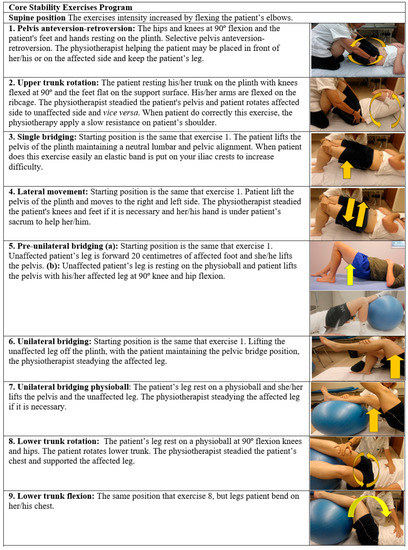
Strengthening exercises are vital for pelvic stability. Focus on engaging core muscles. This includes the abdominals, back, and glutes. Simple yet effective exercises are:
- Planks: Hold a plank position for 30 seconds.
- Bridges: Lie down, lift your hips, and hold for 5 seconds.
- Squats: Keep your back straight and lower your body slowly.
These exercises target key muscle groups. They enhance endurance and strength over time. Consistency is key for noticeable improvements.
Flexibility And Mobility Training
Flexibility ensures a full range of motion. It reduces the risk of strains and sprains. Mobility training complements strength exercises. It focuses on joint movement and muscle elasticity. Stretching is a simple technique. It improves flexibility and mobility. Try dynamic stretches before workouts. For example, leg swings and arm circles. Static stretches work well post-exercise. Include stretches for hamstrings, quads, and hip flexors. Incorporating these techniques into training routines helps. It leads to balanced muscle development and improved athletic performance.
Credit: www.mdpi.com
Sports Performance Enhancement
Pelvic stability plays a crucial role in sports performance enhancement. Athletes rely on their core strength to execute movements efficiently. A stable pelvis ensures that energy is transferred effectively throughout the body. This leads to improved athletic performance. Let’s explore how pelvic stability enhances sports performance.
Improved Balance And Coordination
A stable pelvis contributes significantly to balance and coordination. It supports the body’s center of gravity. This makes movements smoother and more controlled. Athletes with good pelvic stability can maintain balance during dynamic actions. This minimizes the risk of falls and enhances performance.
Good coordination stems from synchronized body movements. With a stable pelvis, muscles work in harmony. This improves timing and precision in sports. Athletes can perform complex maneuvers more accurately. Pelvic stability is fundamental in achieving this level of coordination.
Enhanced Power And Speed
Pelvic stability is key to generating power. It allows athletes to harness core strength effectively. This leads to stronger and more powerful movements. Athletes can push off with greater force. It enhances their performance in sports requiring bursts of energy.
Speed is another aspect influenced by pelvic stability. A stable pelvis allows quick changes in direction. This is essential in sports demanding agility and speed. Athletes can move faster and react swiftly. Pelvic stability is vital for achieving top speed in competitive sports.
Common Misconceptions
Pelvic stability plays a crucial role in sports performance. Despite its importance, many misconceptions persist. Understanding these misconceptions can help athletes and coaches enhance their training programs.
Overemphasis On Core Alone
Many athletes focus solely on strengthening their core. They believe a strong core alone ensures pelvic stability. While core strength is important, it is not the only factor. Pelvic stability involves multiple muscle groups working together. Neglecting muscles around the hips and lower back can lead to imbalances. These imbalances may affect performance and increase injury risk.
Ignoring Individual Differences
Every athlete’s body is unique. Yet, many training programs overlook individual differences. Some athletes may naturally have better pelvic stability than others. Tailoring exercises to individual needs can improve results. Generic routines might not address specific weaknesses or strengths. Understanding personal anatomy helps in crafting effective training plans.

Credit: www.princetonmedicine.com
Expert Insights
Pelvic stability plays a crucial role in enhancing sports performance. It ensures proper alignment and balance during movement. Improved stability reduces injury risk and boosts agility, strength, and speed.
Pelvic stability is a critical aspect of athletic performance, often underestimated by many athletes and coaches. Understanding its profound impact can be a game-changer in sports performance and injury prevention. Expert insights shed light on how pelvic stability influences an athlete’s agility, strength, and overall capabilities on the field.
Athletes’ Testimonials
Athletes across various sports have shared their experiences with improved pelvic stability. They report enhanced balance and quicker recovery times. One soccer player noted how strengthening her pelvic muscles allowed her to pivot more sharply, giving her an edge during matches. Another athlete from track and field emphasized the reduction in lower back pain since focusing on pelvic stability exercises. This not only improved his performance but also his comfort in daily activities. Have you considered how your own experience might change with better pelvic stability?
Coaches’ Recommendations
Coaches are increasingly prioritizing pelvic stability in training regimens. They suggest integrating specific exercises like hip bridges and planks into regular workouts. These exercises target the pelvic area and build core strength. Additionally, coaches recommend consistent assessments of pelvic alignment to avoid imbalances. A basketball coach shared that when his team focused on these exercises, their endurance improved significantly. How might your training routine evolve by adding these targeted workouts? Pelvic stability is more than just a fitness trend; it’s an essential component for peak athletic performance. Embracing expert insights and adopting these recommendations could unlock your full potential in sports.
Frequently Asked Questions
How Does The Pelvis Help In Sport?
The pelvis stabilizes the core, enhancing balance and agility in sports. It supports movement efficiency and power generation. A strong pelvis reduces injury risks and improves athletic performance. Proper pelvic alignment enhances flexibility, aiding in a wide range of athletic activities.
Why Is Pelvic Stability Important?
Pelvic stability is crucial for preventing injuries and maintaining proper posture. It supports balanced movement and enhances athletic performance. Strong pelvic muscles reduce strain on the lower back and hips, ensuring efficient energy transfer during physical activities. Improved stability also aids in daily tasks and overall body alignment.
What Are The Effects Of Pelvic Exercise?
Pelvic exercises strengthen pelvic floor muscles, enhance bladder control, and improve sexual health. They reduce urinary incontinence and support postpartum recovery. Regular practice boosts core stability and alleviates lower back pain. Enhanced muscle tone also contributes to better posture and overall pelvic health.
What Is The Role Of Core Stability In Athletic Function Sports Medicine?
Core stability supports athletic performance by enhancing balance, strength, and coordination. It prevents injuries and boosts agility. Athletes benefit from improved posture and efficient movement, crucial for optimal performance. Strengthening core muscles is vital in sports medicine for maintaining overall physical health and performance.
Conclusion
Pelvic stability matters in sports. It boosts balance and movement control. Athletes perform better with strong pelvic muscles. They avoid injuries and maintain peak physical condition. Training these muscles enhances agility and speed. This leads to improved athletic performance. It is essential for everyone involved in sports.
Coaches and trainers should focus on this aspect. Pelvic stability training can make a real difference. It helps athletes achieve their goals safely and effectively. Understanding its impact benefits players of all skill levels. Prioritize pelvic health to excel in your sport.
