Imagine waking up one day, ready to tackle whatever life throws your way. But a split second changes everything.
Traumatic brain injuries (TBIs) are unpredictable, yet they happen all too often. Have you ever wondered how you can shield yourself and your loved ones from this invisible threat? Understanding how to prevent TBIs is crucial, not only for your safety but also for preserving the quality of life you cherish.
This knowledge empowers you, offering peace of mind and the ability to maintain control over your daily activities. Dive into this article to discover practical steps that will help keep your brain safe and sound. Your future self will thank you for it.
Credit: dph.sc.gov
Understanding Traumatic Brain Injury
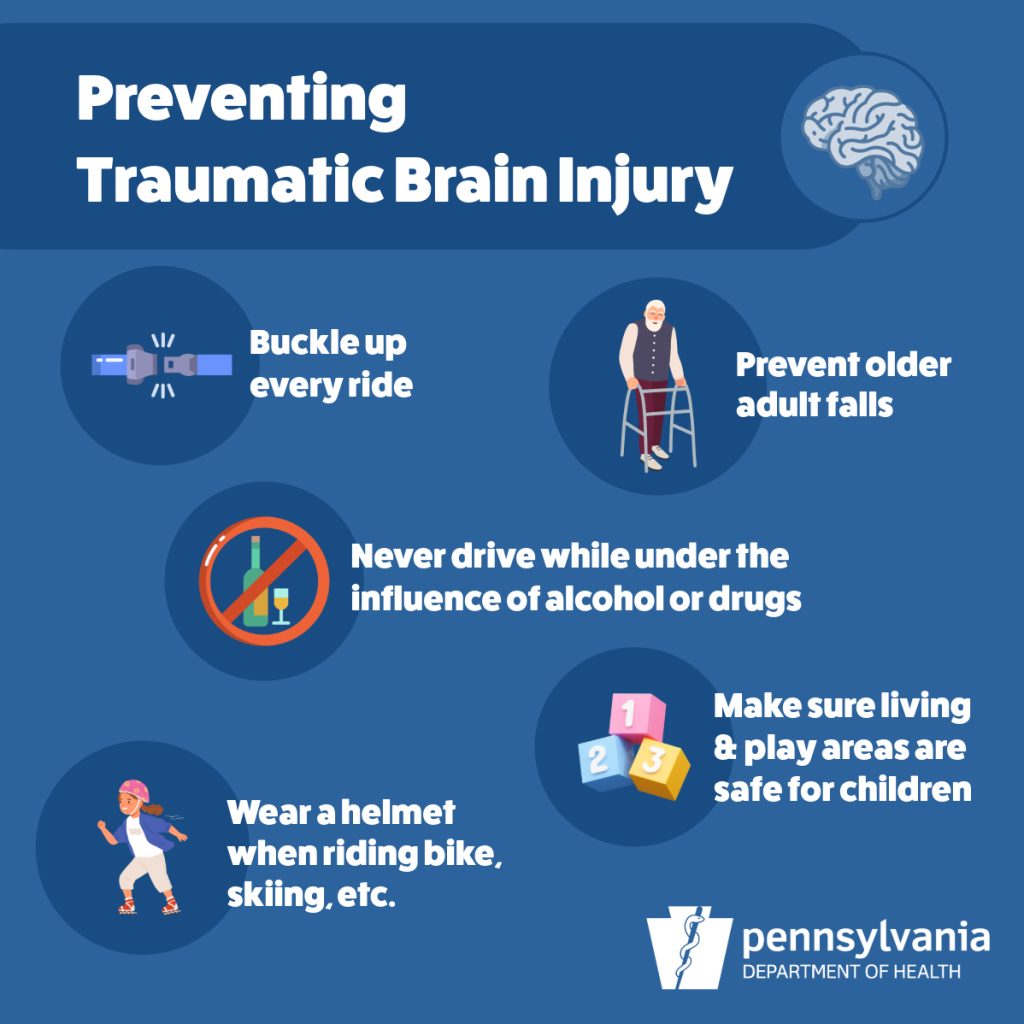
Preventing traumatic brain injury involves simple safety measures. Wear helmets when biking or playing sports. Secure seat belts in cars to avoid head injury during accidents. Ensure home safety by removing tripping hazards and installing handrails.
Understanding Traumatic Brain Injury Traumatic Brain Injury (TBI) affects brain function. It results from a violent blow or jolt to the head. It can also occur due to an object penetrating the skull. TBIs can be mild, moderate, or severe. Each level has different effects on the brain. Proper understanding helps in prevention and management.
Common Causes
TBIs often happen during falls. They are common in sports like football or boxing. Car accidents are another leading cause. Assaults and violent attacks can also result in TBIs. Even minor incidents can lead to serious injury.
Symptoms To Watch For
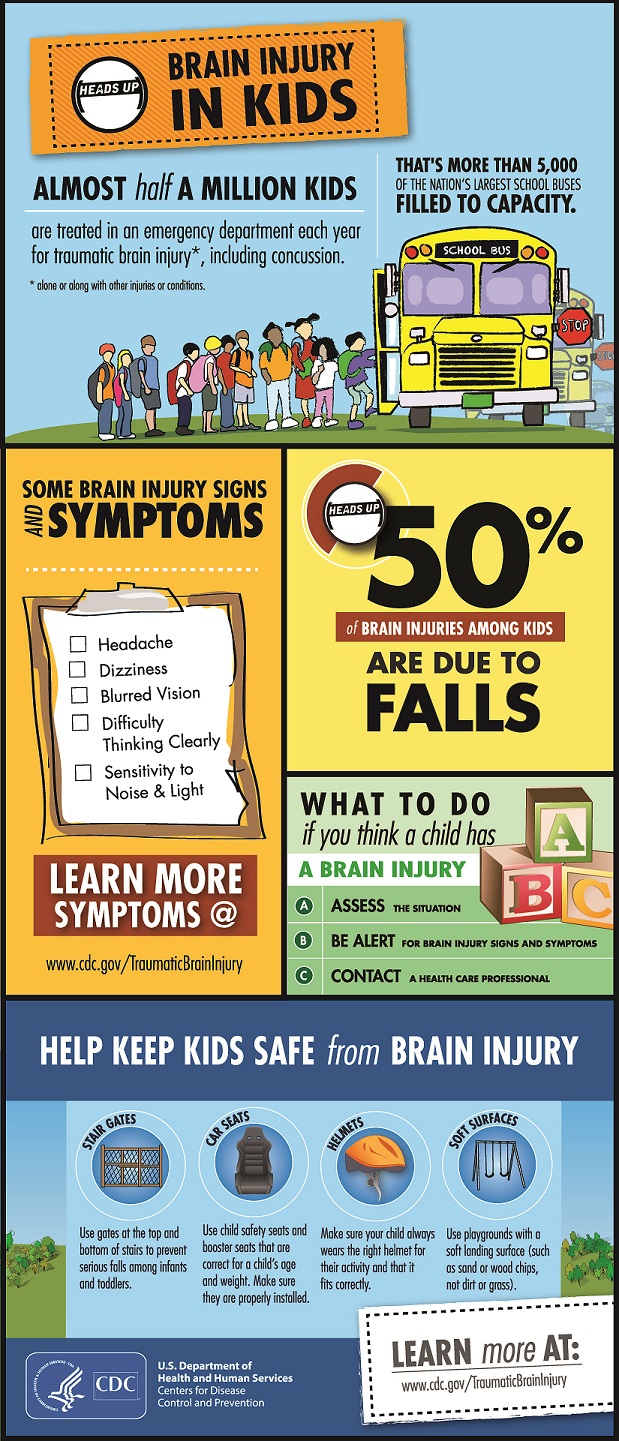
Look for headaches and dizziness. Confusion is also a key symptom. Nausea and vomiting may occur. Some people have blurred vision. Others might experience sensitivity to light. Mood changes are common too. Severe cases might lead to unconsciousness. Always seek medical attention for suspected TBIs. Early detection can prevent long-term damage.
Safety Measures In Everyday Life
Wearing helmets during sports or biking helps prevent traumatic brain injuries. Ensure home safety by securing rugs and installing handrails. Use seat belts in vehicles to reduce injury risk in accidents.
Preventing traumatic brain injury (TBI) is crucial to maintaining a healthy and active lifestyle. Implementing safety measures in everyday life can significantly reduce the risk of such injuries. By being mindful of potential hazards and taking proactive steps, you can safeguard yourself and your loved ones. Let’s explore some practical safety tips that you can apply at home and in the workplace.
Home Safety Tips
Your home should be a haven, not a hazard. Start by ensuring that walkways and floors are clear of clutter. Simple actions like securing loose rugs with non-slip pads can prevent dangerous falls. Install handrails on staircases and consider adding grab bars in bathrooms. These additions can provide stability and support, particularly for young children and the elderly. Regularly check smoke alarms and carbon monoxide detectors to keep your home environment safe. A well-maintained alarm system alerts you to dangers, allowing you to act quickly and avoid injury.
Workplace Precautions
At work, safety should be a top priority. Ensure that your workspace is well-lit and organized. An orderly environment reduces the risk of tripping and falling, especially in high-traffic areas. Wear appropriate protective gear if your job demands it. Helmets, goggles, and other protective equipment can be lifesavers in preventing head injuries. Be proactive in identifying potential hazards. If you notice a safety issue, such as a wet floor or exposed wires, report it immediately. Your attention to detail could prevent an accident for you or your colleagues. Are there specific areas in your life where you can enhance safety? Implementing these measures might just save a life.
Protective Gear And Equipment
Wearing helmets significantly reduces the risk of traumatic brain injuries during activities like cycling or skateboarding. Choose gear that fits well and is designed for the specific activity to ensure maximum protection. Regularly inspect equipment for damage to maintain safety standards.
Protective Gear and Equipment play a crucial role in preventing traumatic brain injuries. These tools are designed to shield the head and body from harm. Let’s explore key protective gear that can make a difference.
Helmets And Headgear
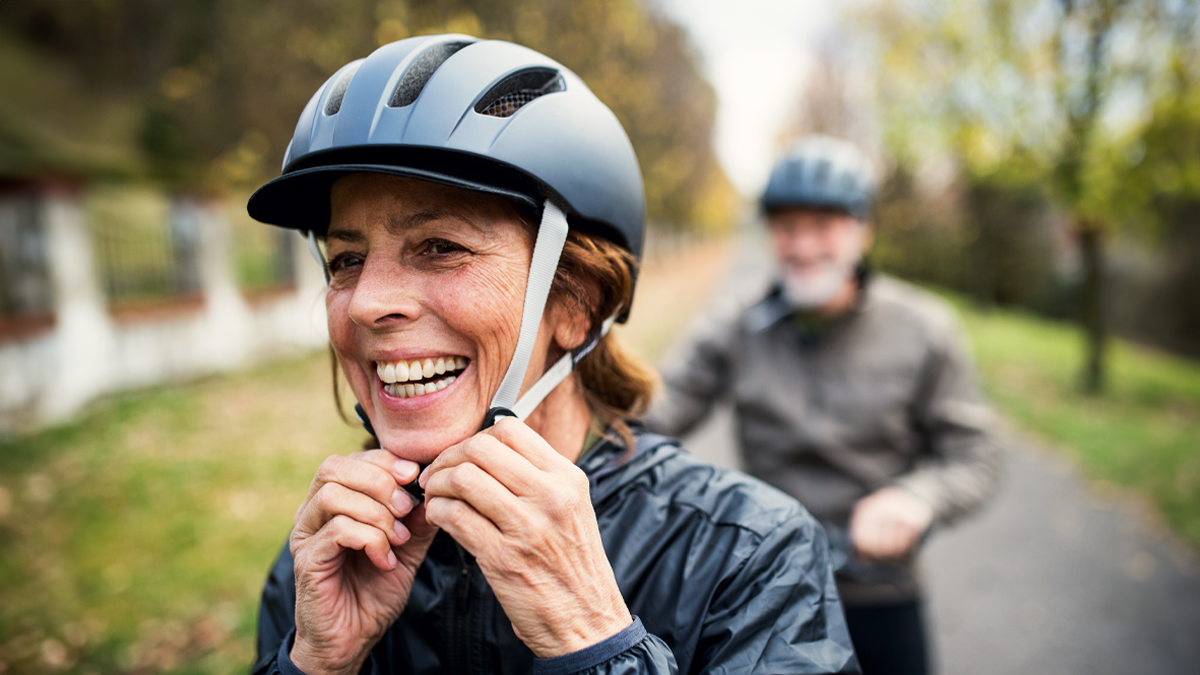
Helmets are essential in sports and activities. They absorb impact and reduce risk of injury. Choose helmets that fit snugly and meet safety standards. Always wear them during cycling, skateboarding, and similar activities.
Seatbelts And Airbags
Seatbelts keep passengers secure during car accidents. They prevent the body from hitting hard surfaces. Buckle up every time you are in a vehicle. Airbags provide extra protection by cushioning impact. They work best when seatbelts are used properly. Protective gear saves lives. Wear them consistently for maximum safety.
Sports And Recreational Safety
Engaging in sports and recreational activities is a fantastic way to stay healthy, but it also comes with risks, especially when it comes to traumatic brain injuries (TBI). Whether it’s a friendly game of soccer or a high-stakes football match, safety should be a top priority. By taking proactive steps, you can significantly reduce the risk of TBIs and ensure a safer environment for everyone involved.
Guidelines For Contact Sports
Contact sports like football, rugby, and hockey require specific safety measures to prevent TBIs. Wearing appropriate protective gear, such as helmets and mouthguards, is crucial. Coaches and players should ensure gear fits properly and is well-maintained.
Training in proper techniques can also reduce injury risk. For instance, learning the correct way to tackle in football can prevent dangerous head impacts. Regularly reviewing these techniques with players promotes a culture of safety.
Concussion protocols must be strictly followed. If a player shows signs of a concussion, they should be immediately removed from play and evaluated by a medical professional. No game is worth risking long-term health.
Ensuring Safe Playgrounds
Playgrounds should be safe havens for children to explore and have fun. Make sure playground surfaces are made of impact-absorbing materials like rubber mulch or sand. These materials can significantly reduce the severity of injuries from falls.
Regular inspections of playground equipment are necessary to ensure everything is in good condition. Look out for broken parts, sharp edges, or any hazards that could lead to accidents.
Supervision is key. Always keep an eye on children while they play. This not only helps prevent injuries but also teaches them safe play habits. What steps can you take today to make sure the playground in your community is safe?
Emergency Preparedness
Protecting your head with helmets is crucial in preventing traumatic brain injuries. Secure your home by removing trip hazards. Prioritize safety in sports and recreational activities to minimize risk.
Emergency preparedness is crucial for preventing traumatic brain injuries. Being ready can save lives. Knowing what to do in emergencies helps manage situations effectively. Let’s explore essential aspects to keep in mind.
First Aid Basics
Understanding first aid is vital. It equips you to respond swiftly. Start by ensuring the injured person is safe. Check their breathing and pulse. If needed, perform CPR immediately. Keep the person still to avoid further injury. Use a clean cloth to stop bleeding. Wrap it gently around the wound. Avoid putting direct pressure on the head. Always call for medical help right away. Every second counts in emergencies.
Recognizing Signs Of Injury
Spotting injury signs is essential. Look for confusion or dizziness. These may indicate a brain injury. Observe if the person has a headache. Vomiting or nausea are warning signs too. Check for loss of balance or coordination. Notice any unusual behavior or speech. If the person loses consciousness, it’s critical. Seek medical help immediately. Early detection can prevent complications.
Credit: www.cdc.gov
Educational Programs And Awareness
Understanding how to prevent traumatic brain injury is vital. Wearing helmets during sports and using seat belts can reduce risks. Educational programs raise awareness on safety measures and protective gear.
Educational programs and awareness play a crucial role in preventing traumatic brain injuries (TBIs). By equipping individuals with knowledge and practical skills, communities can significantly reduce the risk of such injuries. Understanding the importance of safety measures and recognizing the signs of a TBI can make all the difference.
Community Workshops
Community workshops provide a platform for people to learn about TBIs in a hands-on environment. These sessions often include interactive activities and real-life scenarios to help participants grasp the severity of brain injuries. You might leave the workshop not only informed but motivated to share what you’ve learned with friends and family. Imagine attending a workshop where a survivor shares their story. It makes the danger feel real, and the need for prevention urgent. Such personal accounts often inspire participants to adopt safety measures, like wearing helmets during sports or ensuring home safety for children and elderly family members.
School Safety Initiatives
School safety initiatives are essential in educating young minds about preventing TBIs. Programs often include sessions on the importance of wearing protective gear and understanding the risks of contact sports. Schools can invite experts to demonstrate the correct way to use safety equipment, making it a practical learning experience for students. Teachers and parents can collaborate to reinforce these lessons at home and on the playground. Are you talking to your children about safety during their daily activities? By instilling these habits early, we can raise a generation that values their brain health as much as their physical health.
Innovations In Prevention
Preventing traumatic brain injuries has taken a leap forward with new innovations. These advancements focus on reducing risk and enhancing safety. From helmets to research, various methods aim to protect the brain.
Technological Advancements
Modern helmets use smart technology to enhance protection. Sensors in helmets detect impact levels and alert users. This helps in assessing potential injuries quickly. Advanced materials make helmets lighter yet stronger. They absorb shock better, reducing injury risks.
Wearable devices monitor brain health. They track movements and detect abnormal patterns. Alerts inform users of risks, prompting action. These devices offer real-time insights into brain activity.
Research And Development
Researchers focus on understanding brain injury mechanisms. Studies explore how impacts affect different brain regions. This knowledge aids in developing targeted prevention strategies.
New materials are tested for better shock absorption. Research aims to improve protective gear efficiency. Collaboration between scientists and engineers drives innovation.
Educational programs spread awareness about brain injury prevention. They focus on teaching safety practices. Knowledge empowers individuals to make safer choices.

Credit: www.facebook.com
Frequently Asked Questions
How Can Traumatic Brain Injury Be Prevented?
Wear helmets for sports and biking to protect your head. Use seat belts in vehicles. Ensure home safety by removing tripping hazards. Install handrails and use non-slip mats in bathrooms. Stay alert and avoid distractions while driving.
What To Do For Traumatic Brain Injury?
Seek immediate medical attention for a traumatic brain injury. Rest and follow doctor’s advice for recovery. Monitor symptoms like headaches or confusion. Avoid strenuous activities and alcohol. Consider rehabilitation therapies for cognitive and physical support.
Can You Fully Recover From Tbi?
Recovery from TBI varies for each individual. Some achieve full recovery, while others experience lingering symptoms. Factors influencing recovery include injury severity, treatment quality, and personal health. Early intervention and rehabilitation significantly improve outcomes. Always consult healthcare professionals for personalized advice on TBI recovery.
When To Give Mannitol In Head Injury?
Administer mannitol in head injury cases to reduce intracranial pressure. Use it when there are signs of brain herniation or acute neurological deterioration. Ensure the patient is hemodynamically stable before administration.
Conclusion
Preventing traumatic brain injury is crucial for everyone. Wear helmets while biking. Use seatbelts in vehicles. Keep home spaces clutter-free to avoid falls. Educate children on safety rules. Stay alert in risky activities. Encourage safe sports practices. Regularly check safety gear.
Awareness can save lives. Simple steps make a difference. Prioritize safety every day. Protecting your brain is essential. Stay informed and proactive. Stay safe, stay smart. Your brain matters.
