Have you ever wondered why some athletes seem to perform better at certain times of the day? Maybe you’ve noticed that your own workout feels more intense in the morning or more sluggish in the afternoon.
Understanding how the time of day affects sports performance can be a game-changer for anyone looking to boost their physical output. We’ll dive into the fascinating science behind your body’s internal clock and how it can either enhance or hinder your athletic abilities.
By the end, you’ll know exactly when to schedule your training sessions to maximize your performance. Ready to unlock your potential? Keep reading to find out more!
Morning Workouts
Morning workouts can boost sports performance by aligning with natural energy peaks. Exercising early can enhance focus and stamina, optimizing physical and mental readiness for activities.
Morning workouts are a popular choice for athletes and fitness enthusiasts looking to jumpstart their day with energy and focus. While some swear by the invigorating effect of an early sweat session, others find the early hours challenging for peak performance. Let’s explore how the time of day can impact your sports performance, specifically focusing on the benefits and challenges of morning workouts.
Benefits Of Early Exercise
Engaging in exercise during the morning can offer a variety of advantages. One significant benefit is the boost in metabolism that lasts throughout the day, helping you burn more calories even while at rest. Morning workouts can also enhance your mood and mental clarity, thanks to the endorphins released during physical activity. Morning exercise can establish a routine that ensures consistency. By prioritizing your workout in the morning, you avoid the distractions and unexpected events that often arise later in the day. Additionally, exercising in the morning can lead to better sleep patterns, as your body becomes accustomed to a regular schedule.
Challenges In Morning Performance
Despite the benefits, morning workouts aren’t without their challenges. Many people find it difficult to muster energy and motivation first thing in the morning. Your body temperature is lower when you wake up, which can make muscles feel stiff and less responsive. Hydration can also be a concern, as your body may be slightly dehydrated after a night’s sleep. Ensuring you drink water before your workout is essential to avoid fatigue. If you’re not a morning person, adjusting to early workouts might take time and patience. Do you struggle with morning workouts, or have you found a routine that works for you? Share your thoughts and experiences in the comments below.

Credit: www.researchgate.net
Afternoon Training
Afternoon training can boost sports performance due to increased body temperature and improved muscle function. This time of day enhances alertness and coordination, offering athletes an optimal period for exercise.
Afternoon training is often touted as an ideal time for athletes to hone their skills and push their limits. This period is typically characterized by optimal body temperature, increased alertness, and enhanced muscle strength. Many athletes find that their bodies are more responsive and energetic during the afternoon, allowing them to maximize their performance potential. But how does training in the afternoon impact your overall sports performance?
Peak Physical Performance
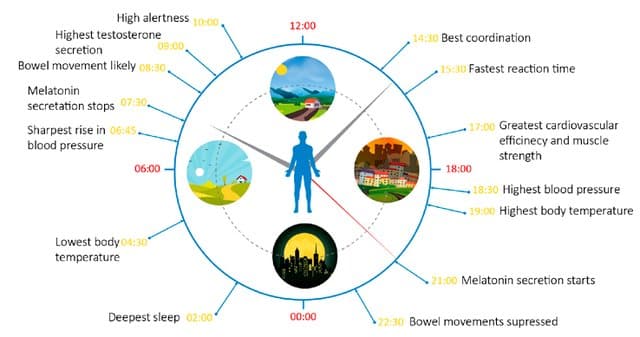
During the afternoon, your body temperature reaches its peak, which can significantly enhance physical performance. Higher body temperatures aid in muscle flexibility and efficiency, reducing the risk of injury and improving your endurance. You might have noticed how your body feels more agile and robust during this time. Additionally, hormone levels, including testosterone, are elevated in the afternoon, which supports muscle growth and recovery. This means you can push harder during your workouts and recover faster. Have you ever tried comparing your morning workout intensity with the afternoon? You might be surprised at how much more you can achieve later in the day.
Impact On Skill Acquisition
Afternoon training isn’t just about physical prowess; it also plays a crucial role in skill acquisition. Cognitive functions such as reaction time, memory, and focus are often heightened during the afternoon. This can be a game-changer when learning new techniques or refining existing skills. Consider how your mind feels sharper and more alert post-lunch compared to the grogginess of early morning. Training during this period allows you to absorb instructions better and execute them with precision. Have you ever wondered why your coach schedules skill drills in the afternoon? It’s not just coincidence; it’s science-backed strategy. Ultimately, the afternoon offers a unique combination of physical and mental advantages, making it an optimal time for training. So, if you’re looking to enhance your sports performance, why not give afternoon sessions a try? Your body and mind might just thank you for it.
Evening Sessions
Evening sessions in sports can boost performance due to optimal body temperature and increased muscle flexibility. Athletes often find improved strength and endurance in the evening. This time of day might enhance focus and reaction times, contributing to better results in competitive sports.
Evening Sessions can be a golden opportunity for athletes aiming to enhance their performance. With the hustle and bustle of the day behind you, evening workouts can offer a unique set of advantages. But how exactly do these late hours affect your endurance, strength, and recovery?
Endurance And Strength Gains
Many athletes find that their energy levels peak in the evening. This can be attributed to the body’s natural circadian rhythms, which often result in increased muscle efficiency and strength later in the day. Consider experimenting with your workout schedule. You might discover that lifting weights in the evening allows you to handle heavier loads or complete more repetitions. Perhaps you’ve noticed that your evening runs feel smoother, and you’re able to maintain a faster pace with ease. Pay attention to these signs; they could be your body’s way of telling you it’s primed for evening exercise.
Recovery And Rest Considerations
While evening sessions can boost performance, they also require mindful recovery strategies. Post-workout nutrition is crucial; ensure you consume a balanced meal rich in proteins and carbs to aid muscle repair. Do you find it hard to wind down after an intense workout? Consider incorporating relaxation techniques like stretching or meditation to help transition from high energy to rest. Your evening workout might leave you feeling invigorated, but quality sleep is essential to capitalize on those gains. Make sure your environment is conducive to restful sleep, and avoid screen time close to bedtime. Incorporating these insights into your evening sessions can help maximize your athletic potential. Are you ready to embrace the power of the night?
Circadian Rhythms
Have you ever noticed your energy levels fluctuating throughout the day? This isn’t just random—it’s your circadian rhythm at work. This internal clock regulates sleep-wake cycles, hormone release, and even body temperature, all of which can significantly impact your physical performance. Understanding circadian rhythms can be a game-changer for athletes aiming to maximize their capabilities.
Biological Clock Influence
Your biological clock influences everything from your alertness to your muscle strength. During the late afternoon and early evening, your body temperature peaks, enhancing muscle function and flexibility. This might explain why you find your evening workouts more effective than morning ones.
Ever felt sluggish during a morning run? It’s likely your biological clock isn’t fully awake yet. Hormones like cortisol and melatonin play a role here, affecting your energy and recovery rates. Consider how your body’s natural rhythms might be holding you back or pushing you forward.
Optimizing Training Schedules
Aligning your training schedule with your circadian rhythm can boost performance. Research suggests peak athletic performance often aligns with your body’s natural highs in the late afternoon. Could adjusting your workout time help you achieve your personal best?
Experiment with your schedule. Try training when your body feels most alert and energetic. You might find that shifting your routine by just an hour can lead to quicker recovery and enhanced performance.
But don’t forget individual variations. While many find late afternoon optimal, others thrive in the morning. Listen to your body and track your results to find what works best for you.
Psychological Factors
Psychological factors play a crucial role in sports performance. Time of day can significantly impact these factors. Athletes often experience changes in mental states throughout the day. This can affect how they perform during practice or competition.
Mental Alertness Variability
Mental alertness fluctuates with the time of day. Morning may bring a fresh mind for some. Others might feel sluggish early but peak later. Afternoon might be prime time for focus. Evening can be a mix of tiredness or calm concentration. Recognizing these patterns helps in planning training sessions. It ensures athletes perform at their best.
Motivation Levels
Motivation can change with daylight hours. Morning might inspire with a sense of new beginnings. Afternoon could bring a dip in energy, affecting drive. Evening sometimes boosts motivation with fewer distractions. Knowing personal motivation peaks helps in scheduling workouts. Athletes can harness their energy when they feel most driven.

Credit: www.sciencedirect.com
Environmental Elements
Environmental elements play a crucial role in sports performance. Each sport has unique demands, and the surrounding conditions can greatly impact athletes’ abilities. Timing can either enhance or hinder performance, depending on various factors.
Temperature And Humidity
Temperature affects how the body regulates heat. In high temperatures, athletes sweat more to cool down. This can lead to dehydration and fatigue. Cold temperatures can stiffen muscles, affecting agility and speed. Humidity also plays a role. High humidity makes it hard for sweat to evaporate, increasing heat stress.
Light And Visibility
Daylight enhances visibility, helping athletes see better. This is crucial for outdoor sports. Poor visibility can increase the risk of accidents and injuries. Artificial lighting during night games can cause shadows and glare. This affects depth perception and reaction times.
Customized Training
The concept of customized training has revolutionized how athletes optimize their performance. By tailoring workouts to individual needs and preferences, athletes can harness the benefits of training at the most suitable time for them. But how can you design a training plan that truly fits your lifestyle and enhances your sports performance?
Personalized Time Strategies
Choosing the right time for training can significantly impact your results. Some athletes perform better in the morning, while others excel in the evening. Understanding your body’s natural rhythm is key. Experiment with different training times and track how you feel. Do you notice a boost in energy or faster recovery at certain times?
To illustrate, imagine you’re a runner who feels sluggish during morning workouts. Switching to evening sessions might reveal your hidden potential, resulting in improved speed and endurance. Embrace the flexibility to adapt your schedule according to your unique preferences.
Adapting To Individual Needs
Not every athlete’s body clock operates the same way. Age, lifestyle, and even genetic factors can influence when you’re at your peak. Listen to your body’s signals. If you’re a night owl, forcing early morning training might not be ideal. Instead, capitalize on your strengths.
Consider the story of Sarah, a swimmer who thrived in late afternoon sessions. By aligning her training with her body’s peak performance time, she experienced reduced fatigue and enhanced stamina. Reflect on your own experiences and make adjustments to optimize your training.
Customized training isn’t a one-size-fits-all approach. It’s about understanding and embracing your unique physiology and lifestyle. Are you ready to discover your perfect training time and elevate your sports performance?

Credit: vitruve.fit
Frequently Asked Questions
Does Time Of Day Affect Athletic Performance?
Athletic performance can vary with the time of day. Many athletes perform better in the late afternoon or early evening due to optimal body temperature and muscle flexibility. Individual differences exist, so it’s crucial for athletes to experiment and determine their peak times for training and competition.
What Time Of Day Is Peak Athletic Performance?
Peak athletic performance typically occurs in the late afternoon to early evening. Hormones and body temperature are optimal. This time frame enhances strength, flexibility, and endurance. Athletes often perform better due to improved muscle function and alertness. Adjust training schedules to maximize these natural body rhythms for best results.
Does Screen Time Affect Sports Performance?
Excessive screen time can negatively impact sports performance. It may lead to reduced physical activity, affecting fitness levels. Poor sleep due to screen use can hinder recovery. Balancing screen time with physical exercise is crucial for optimal sports performance.
Does Time Of Day Affect Your Workout?
Yes, the time of day can affect your workout. Morning workouts boost metabolism and energy. Afternoon or evening sessions may enhance performance and strength due to optimal body temperature. Choose a time that aligns with your energy levels and schedule for consistent results.
Conclusion
Sports performance varies with time of day. Morning sessions boost alertness. Afternoon workouts enhance endurance and strength. Night training can improve reaction times. Each athlete has unique preferences. Listen to your body. Experiment with different times. Find what works best for you.
Consistent routines help optimize performance. Balance is key. Ensure proper rest and recovery. Pay attention to nutrition and hydration. These factors also influence performance. Keep track of progress. Adjust your schedule accordingly. Aim for peak performance at your chosen time.
Stay motivated and focused. Achieving your goals takes time and patience. Enjoy the journey and trust the process.
