Have you ever wondered just how much people are willing to invest in boosting their sports performance? Whether you’re an athlete striving for excellence or a curious spectator, understanding the cost of achieving peak physical condition can be eye-opening.
You might be surprised by the lengths individuals go to in pursuit of their athletic dreams. From state-of-the-art training gear to professional coaching, the financial commitment can be substantial. You’ll uncover the fascinating details and surprising numbers behind sports performance spending.
Imagine discovering the secrets that can elevate your game and potentially transform your athletic journey. Keep reading, because you might just find the inspiration and insights to make informed decisions about your own sports investments.
Sports Performance Spending Trends
People are investing significantly in sports performance. Expenses cover training, equipment, and nutrition. Many athletes prioritize these for improvement.
Sports performance spending has become a major focus for athletes. People invest in gear, training, and supplements to boost their capabilities. Understanding the trends in sports performance spending can provide insights into this growing industry.
Historical Spending Patterns
Over the decades, spending on sports performance has evolved significantly. In the past, athletes primarily spent on basic equipment. As technology advanced, spending shifted towards specialized gear. The rise of sports science in the 1980s changed spending habits. Athletes began investing in training programs and sports medicine. This era saw a surge in the popularity of fitness centers. By the 2000s, digital devices emerged as a new expenditure. Many athletes invested in wearable technology for performance tracking.
Current Market Dynamics
Today’s market shows diverse spending habits among athletes. Many prioritize high-quality gear for better performance. Sports supplements have become a common expense. Athletes seek products to enhance strength and recovery. Personal coaching has also gained traction in recent years. More people are hiring experts to improve skills and techniques. Online training platforms are growing rapidly. They offer convenient access to workout plans and advice. The rise of esports has introduced a unique spending trend. Gamers invest in hardware and software to improve their game.
Categories Of Sports Expenses
Sports performance involves various expenses that athletes and enthusiasts encounter. Understanding these categories helps manage costs effectively. From gear to training, nutrition, and apparel, each plays a role in enhancing performance. Knowing where to invest can make a difference in reaching athletic goals.
Equipment And Gear
Quality gear is essential for every sport. Football requires helmets and pads. Tennis needs rackets and balls. These items can be costly but are crucial for safety and performance. Investing in durable equipment can save money over time. Choose wisely to get the best value.
Training And Coaching
Expert guidance is key to improvement. Coaches offer personalized training plans. Sessions can vary in price based on expertise. Group classes are often more affordable. They provide motivation and community support. Private coaching offers tailored advice for faster progress.
Nutrition And Supplements
Proper nutrition fuels the body. Athletes often use supplements for added benefits. Protein powders and vitamins are popular choices. These enhance recovery and performance. Costs can add up, so plan a budget. Focus on quality over quantity for effective results.
Sportswear And Apparel
Comfortable clothing boosts confidence and performance. Good footwear reduces injury risk. Brands offer specialized designs for each sport. Prices vary based on material and technology. Durable items may cost more but last longer. Prioritize fit and function for better outcomes.
Influence Of Technology On Spending
The influence of technology on sports spending is significant. Athletes and enthusiasts alike invest in tech to boost performance. Technology offers tools that provide insights and enhance training. These innovations reshape how funds are allocated in sports.
Wearable Technology
Wearables track vital stats and performance metrics. Devices like fitness bands and smartwatches monitor heart rates and calories burned. This data helps athletes understand their bodies better. Wearables range from budget-friendly to premium, affecting spending choices.
Performance Tracking Apps
Performance tracking apps offer detailed analysis. They provide insights into strengths and areas for improvement. Users can track progress over time. Many apps offer free versions, but premium features often require subscriptions. This choice influences overall spending on sports.
Virtual Coaching Platforms
Virtual coaching platforms connect athletes with expert trainers. These platforms offer personalized training plans and feedback. The convenience of virtual coaching appeals to many. The cost varies based on the level of interaction and expertise. This option is popular for its flexibility and tailored guidance.

Credit: machronicle.com
Psychological Factors In Spending
When it comes to spending on sports performance, psychological factors play a significant role. Whether you’re an amateur athlete or a seasoned pro, your mindset can heavily influence your financial decisions. Understanding these psychological triggers can help you make smarter choices and ensure that your investments truly enhance your performance.
Motivation And Aspirations
Your motivation to excel in sports can drive spending habits. If you’re aspiring to reach new heights, you might invest in top-notch equipment or specialized training. Imagine the thrill of hitting a new personal best; this desire often leads to spending more to chase that feeling.
Consider how your aspirations impact your budget. Are you buying gear that genuinely enhances your performance, or are you just following a dream of being like your sports idol? It’s crucial to align your purchases with realistic goals to avoid unnecessary expenses.
Peer Influence
Peer pressure can be a powerful motivator when it comes to spending on sports. If your friends or teammates are splurging on the latest sports gear, you might feel compelled to do the same. This urge can lead to decisions that aren’t financially wise.
Think about the last time you bought something because your friends did. Were you satisfied with your purchase, or did you regret it later? It’s important to weigh your needs against peer influence to make financially sound decisions.
Impact Of Social Media
Social media platforms are filled with influencers showcasing the latest sports gadgets and apparel. You may find yourself tempted to buy what they promote, thinking it will enhance your performance. However, not every product is a necessity.
Reflect on the ads you encounter daily. Are they pushing you towards spending, or are they offering genuine value? Evaluating the true benefits of these products can prevent impulsive purchases and ensure that your investments are worthwhile.
Economic Impact On Sports Budget
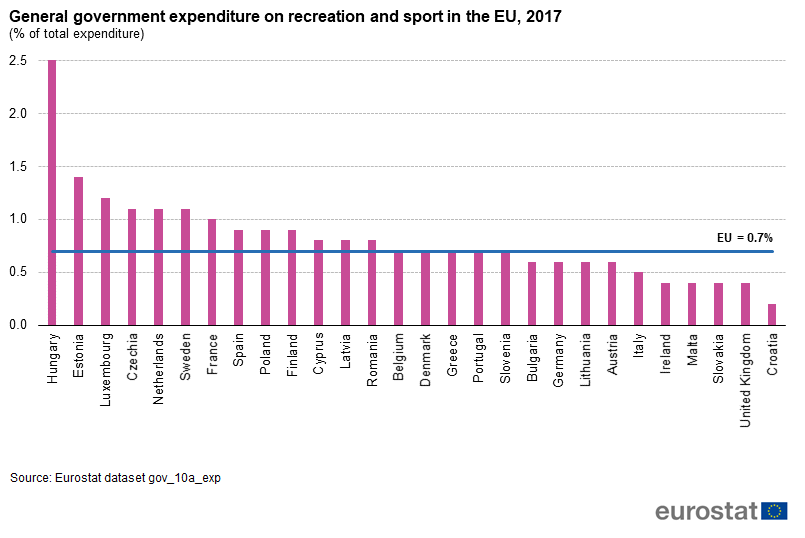
Sports performance expenditures can significantly impact your budget, influencing how much you invest in gear, training, and events. Understanding the economic dynamics can help you make informed decisions about allocating funds to enhance your athletic pursuits. How do income levels, regional differences, and global trends play into this financial equation?
Income Levels And Discretionary Spending
Your income level often dictates the amount you can allocate to sports performance. Higher income generally means more discretionary spending, allowing for premium gear or elite coaching. However, even on a modest budget, prioritizing essential equipment and carefully selecting cost-effective training options can make a notable difference in your performance.
Have you considered what portion of your income is devoted to sports? Could adjusting your spending priorities enhance your athletic experience?
Regional Variations
Where you live can also affect your sports budget. In urban areas, you may find a higher concentration of facilities and trainers, potentially leading to higher costs. Conversely, rural areas might offer fewer options, but at a lower price point. Regional economic conditions influence everything from membership fees to equipment prices.
Have you explored local opportunities that could offer value without breaking the bank?
Global Economic Trends
Global economic shifts impact sports spending more than you might think. Currency fluctuations can affect the cost of imported equipment, while economic downturns may lead to budget cuts in sports programs. Staying aware of these trends can help you adjust your budget proactively.
Are you keeping an eye on global economic indicators that could affect your sports investments?
Credit: ec.europa.eu
Market Projections For Sports Spending
Sports spending is a significant part of the global economy. With the growing interest in fitness and health, people invest more in sports performance. This includes equipment, training, and technology. Understanding market projections helps businesses and consumers make informed decisions.
Emerging Trends
Technology is changing sports spending. Wearable devices and apps track performance and health. Virtual reality offers new training experiences. Eco-friendly sports gear is gaining popularity. These trends impact how people spend on sports.
Future Growth Opportunities
There is a rising demand for personalized training programs. People want tailored solutions for their fitness goals. The market for online coaching platforms is expanding. Global events drive spending on sports merchandise. Businesses can tap into these opportunities for growth.
Case Studies In Sports Spending
Understanding sports spending requires examining real-life examples. People invest varied amounts in enhancing sports performance. These investments range from professional athletes to amateur enthusiasts. Analyzing these case studies reveals the motivations and financial commitments involved.
Professional Athletes
Professional athletes often spend significant amounts on training and equipment. Their expenses include personalized coaching, advanced gear, and health management. Many invest in nutritionists and physiotherapists to maintain peak condition. Travel for competitions and endorsements also add to their spending. These athletes prioritize high-quality resources to enhance performance.
Amateur Enthusiasts
Amateur enthusiasts have different spending patterns. They often purchase mid-range equipment and attend local training sessions. Many invest in gym memberships and online courses. Enthusiasts usually focus on balancing cost and quality. Their spending often centers around personal passion and fitness goals. Despite lower budgets, their dedication remains strong. This group often finds creative ways to improve their skills without overspending.

Credit: www.ncsasports.org
Strategies For Managing Sports Expenses
People often spend hundreds to thousands annually on sports performance. Planning and budgeting can help manage these expenses effectively. Consider prioritizing essential gear and training to balance costs.
Engaging in sports can be an exhilarating pursuit, but it often comes with a hefty price tag. From gear to training, the expenses can quickly add up. By adopting effective strategies for managing these costs, you can enjoy your favorite activities without breaking the bank. Let’s explore some practical tips to keep your sports expenses in check.
Budgeting Techniques
Creating a budget tailored to your sports interests is a great starting point. Track your current spending on sports-related items and identify areas where you can cut back. Use apps or spreadsheets to monitor expenses and set a monthly limit. Consider categorizing your budget into essentials like equipment and optional items such as subscriptions or memberships. This helps prioritize spending and ensures you have funds for what truly matters. Have you ever found yourself splurging on unnecessary gear? A clear budget can prevent such impulse buys.
Smart Purchasing Decisions
When it comes to buying sports gear, timing and research are key. Opt for end-of-season sales or discounts to get the best deals on equipment. Second-hand stores and online marketplaces often offer quality items at a fraction of the cost. Think about whether you need the latest model or if last year’s version will suffice. Often, the differences are minimal, and you’ll save significantly. Always read reviews and compare prices across multiple platforms before making a purchase. Have you ever regretted a hasty purchase? A little patience can lead to better choices.
Sustainable Spending Habits
Adopting sustainable spending habits not only benefits your wallet but also the environment. Focus on buying durable, high-quality equipment that lasts longer, reducing the need for frequent replacements. Consider sharing or swapping equipment with fellow enthusiasts, especially for items you use infrequently. It fosters community and saves money. How often do you discard items that are still usable? Embracing sustainability can make a significant difference. By incorporating these strategies, you can navigate the world of sports without financial stress, ensuring you enjoy every moment of your athletic journey.
Frequently Asked Questions
How Much Money Do People Spend On Sports?
People spend varying amounts on sports, often ranging from hundreds to thousands annually. Expenses include equipment, tickets, and memberships. Personal budgets and sports type significantly influence spending. Overall, sports-related expenditures contribute significantly to the economy.
Why Do 70% Of Kids Quit Sports By Age 13?
Many kids quit sports by age 13 due to pressure, lack of enjoyment, and burnout. They might also face increasing academic demands or find other interests more appealing. Coaches and parents can inadvertently add stress, making sports less fun and encouraging kids to drop out.
How Much Does A Sporting Event Cost?
The cost of a sporting event varies based on location, size, type, and duration. Small local events may cost a few thousand dollars, while major international events can exceed millions. Factors include venue rental, equipment, staff, and marketing. Always plan and budget carefully for accurate estimates.
How Big Is The Sports Performance Market?
The sports performance market is estimated to reach $92 billion by 2025. It includes fitness equipment, apparel, and supplements. This industry continues to grow as more people focus on health and fitness. Emerging technologies and personalized training programs also drive market expansion.
Conclusion
Sports performance spending varies widely. Many factors influence these costs. Training fees, equipment, and nutrition are common expenses. People prioritize differently based on goals and budget. Some invest heavily, seeking top performance. Others spend less, balancing cost and benefit. It’s crucial to set a budget.
Consider what’s truly needed. Research options before spending. This helps in making informed choices. Understanding personal needs saves money. Spending wisely can enhance performance without overspending. Remember, investing in skills and health matters. Keep an eye on expenses. Enjoy sports without financial stress.
Stay smart and focused on your performance goals.
