Imagine running a marathon or cycling up a steep hill without feeling exhausted. Improving your cardio and endurance can turn these dreams into reality, making everyday activities easier and workouts more effective.
But where do you start? You might feel overwhelmed by the countless advice and techniques out there. Don’t worry; this guide is crafted just for you. If you’ve ever wished for more energy and stamina, you’re about to unlock the secrets to achieving just that.
Dive in to discover simple, actionable steps that will transform your fitness journey and leave you feeling unstoppable. Get ready to learn how small changes can lead to big results, boosting your heart health and endurance like never before.
Importance Of Cardio And Endurance
Cardio and endurance play vital roles in overall health and fitness. They enhance heart strength, boost lung capacity, and improve circulation. Regular cardio activities help maintain a healthy weight and reduce stress levels. Strong endurance allows individuals to perform daily tasks without fatigue.
What Is Cardio?
Cardio refers to exercises that increase heart rate and breathing. Activities include running, cycling, and swimming. These exercises strengthen the heart and lungs. They also burn calories and improve mood.
Benefits Of Endurance
Endurance helps sustain physical activities over time. It improves stamina and reduces tiredness. With better endurance, you can engage in activities longer and more effectively. Your daily life becomes more energetic and productive.
Why Cardio Is Essential
Cardio boosts heart health and supports weight management. It lowers the risk of heart disease and strokes. Regular cardio activities enhance mental well-being and reduce anxiety. They also promote better sleep and increase energy levels.
Endurance And Everyday Life
Endurance impacts daily tasks and routines. It allows you to carry out chores without getting exhausted. Improved endurance means better performance in sports and recreational activities. It helps maintain a balanced and active lifestyle.
How Cardio Improves Mood
Cardio exercises release endorphins, which elevate mood. They reduce stress and anxiety, leading to a happier outlook. Regular cardio activities contribute to better mental health and emotional stability.
Building Endurance With Consistency
Consistent practice builds endurance over time. It involves gradually increasing exercise duration and intensity. This approach helps the body adapt and strengthen. Consistency leads to significant improvements in stamina and overall health.
Cardio For Weight Management
Cardio exercises help burn calories and reduce body fat. They support weight loss and prevent weight gain. Regular cardio activities contribute to a healthier body composition. They also promote long-term weight maintenance.
Setting Goals
Setting goals can effectively enhance cardio and endurance. Clear, achievable objectives help track progress and maintain motivation. Aim for consistent routines and gradually increase intensity for optimal results.
Setting goals is a crucial step in improving your cardio and endurance. Without a clear direction, your efforts can feel scattered and unproductive. Establishing goals provides a roadmap that keeps you motivated and focused.
Identifying Personal Objectives
Begin by identifying what you want to achieve with your cardio and endurance training. Are you preparing for a marathon, aiming to lose weight, or simply wanting to increase your stamina? Knowing your personal objectives helps tailor your workouts to suit your needs. Reflect on past experiences. What has worked for you before? What challenges have you faced? This insight can guide you in setting realistic and achievable goals. Ask yourself what success looks like. Is it running a certain distance without stopping, or maybe just feeling less winded during daily activities? Be specific to create clear targets.
Tracking Progress
Once you’ve set your goals, track your progress diligently. Keeping a record not only shows how far you’ve come but also highlights areas needing improvement. Use apps, journals, or spreadsheets to log your workouts and results. Celebrate small victories along the way. Did you shave a minute off your mile time? Recognize and reward these achievements to keep your motivation high. Regularly review your progress. Are you getting closer to your goals? If not, consider adjusting your approach. Staying flexible and responsive to your body’s signals can make all the difference. Setting goals and tracking progress is an ongoing process. How will you adapt and refine your strategy as you grow stronger?
Effective Training Techniques
Improving cardio and endurance requires smart training techniques. Effective methods can boost your stamina and energy levels. Focus on exercises that challenge your heart and lungs. Incorporating different workouts keeps your routine exciting and balanced.
Interval Training
Interval training blends intense bursts with rest periods. This method boosts cardiovascular health. You sprint for a short time, then walk to recover. Repeat this cycle multiple times. It enhances your speed and endurance. Short, high-effort sessions bring quick results. Over time, increase the intensity of your sprints.
Long-distance Running
Long-distance running builds endurance gradually. Start with a comfortable pace. Distance running strengthens your heart and muscles. Increase your mileage steadily to avoid injury. Choose a scenic route to make it enjoyable. Consistent practice helps you run longer without tiring. Hydration and proper footwear are important for comfort.
Circuit Training
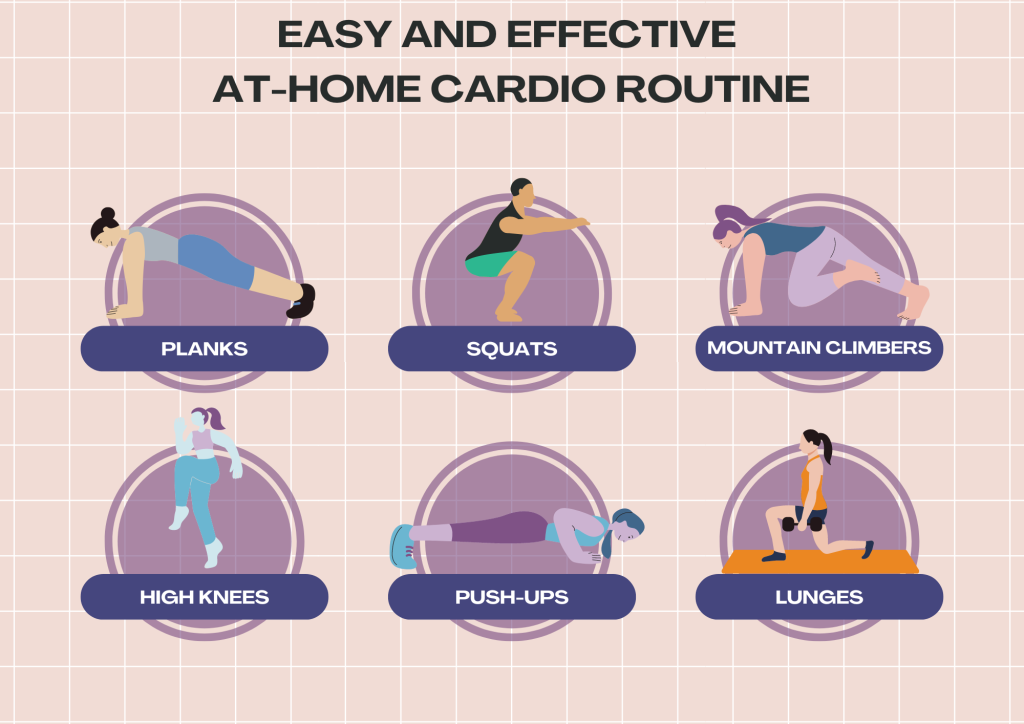
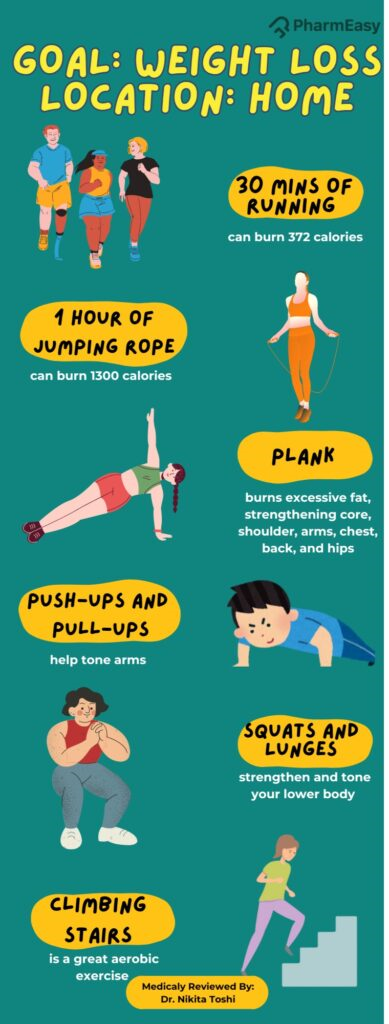
Circuit training mixes strength and cardio exercises. It targets different muscle groups in one session. Perform each exercise for a set time, then switch. This keeps your heart rate up and burns calories. Circuits can include push-ups, jumping jacks, and squats. Rest briefly between circuits to catch your breath. Adjust the difficulty as you improve.
Credit: pharmeasy.in
Nutrition For Endurance
Nutrition plays a crucial role in building endurance and improving cardio. A proper diet fuels your body, boosts energy, and enhances performance. To achieve optimal endurance, focus on three main areas: a balanced diet, adequate hydration, and smart supplementation.
Balanced Diet
A balanced diet provides essential nutrients needed for endurance. Include a mix of carbohydrates, proteins, and healthy fats in your meals. Carbohydrates are your body’s main energy source. Opt for whole grains, fruits, and vegetables. Proteins aid in muscle recovery and growth. Choose lean meats, beans, and nuts. Healthy fats, like those in avocados and olive oil, support overall health.
Hydration
Staying hydrated is essential for maintaining endurance. Water regulates body temperature and lubricates joints. Aim to drink 8-10 glasses of water daily. During exercise, consume fluids to replace lost sweat. Consider sports drinks for prolonged activities to replenish electrolytes.
Supplementation
Supplements can support an endurance-focused diet. Consider adding omega-3 fatty acids for heart health. B vitamins help convert food into energy. Consult a healthcare professional before starting supplements. They ensure you choose safe and effective options.
Recovery Strategies
Boost cardio and endurance by incorporating interval training and steady-state exercises. Focus on consistent, varied workouts. Allow time for rest and recovery to enhance performance.
Recovery Strategies are essential for improving your cardio and endurance. After pushing your limits during workouts, your body needs time to repair and strengthen. Implementing effective recovery strategies can help you perform better, reduce injury risk, and maintain motivation. Let’s dive into some practical and easy-to-follow recovery techniques.
Rest And Sleep
Adequate rest is a cornerstone of any fitness regimen. Giving your muscles time to repair after a workout is crucial. Aim for 7-9 hours of quality sleep each night to allow your body to recover and grow stronger. Consider creating a bedtime routine that promotes relaxation. This could include activities like reading or meditating. Prioritizing sleep will boost your overall performance and keep you energized for your next workout.
Stretching And Mobility
Incorporate stretching and mobility exercises into your routine to enhance recovery. These activities help reduce muscle stiffness and improve flexibility. Spend at least 5-10 minutes post-workout stretching major muscle groups. Dynamic stretches can be particularly effective before workouts to increase blood flow and prepare your body. Post-workout, focus on static stretches to aid in cooling down and preventing soreness. How often do you take the time to stretch fully after exercising?
Massage And Therapy
Massage and therapy can significantly enhance your recovery process. Regular massages help reduce muscle tension and improve circulation. If visiting a professional isn’t feasible, consider using a foam roller or massage gun at home. Physical therapy can also address specific aches or injuries. Engaging in these practices not only aids recovery but also adds an element of self-care to your fitness journey. Can you imagine how much better your body might feel with just a little extra attention?
Mental Preparation
Improving your cardio and endurance is not just about physical effort; it’s equally about mental preparation. The mind is a powerful tool that can make or break your workout. Mental fortitude helps you push through discomfort and extend your limits. Let’s explore how you can harness mindfulness and motivation to enhance your endurance.
Mindfulness And Focus
Mindfulness during exercise helps you stay present. Instead of getting lost in thoughts, focus on your breathing and the rhythm of your movement. This can increase your efficiency and reduce fatigue. Consider this: when you truly tune into your body, you become more aware of its signals. Are you listening?
Start with a simple practice. As you begin your workout, take a few moments to center your thoughts. Concentrate on each breath and step. You’ll find that this focus can be incredibly calming and energizing. It’s a way to transform your cardio routine into a meditative experience.
Motivation Techniques
Motivation is the fuel for your fitness journey. But it can be tricky to maintain. Setting clear goals gives you direction. Make them specific and achievable, like running a certain distance or improving your pace. Celebrate small victories to keep your spirits high.
Music is a great motivator. Create a playlist that inspires you. Use tracks that match the pace of your workout. A song with a strong beat can boost your energy and keep you moving forward. What tunes get your heart racing?
Accountability partners can also keep you on track. Share your goals with friends or join a fitness group. Having someone to cheer you on can make a world of difference. Suddenly, your journey becomes a shared adventure, not a solitary mission.
Technology And Tools
In today’s digital age, technology plays a crucial role in enhancing cardio and endurance. With the right tools, tracking progress and optimizing workouts becomes easier. These gadgets and apps offer insights and motivation, helping you reach your fitness goals.
Wearable Devices
Wearable devices are popular among fitness enthusiasts. They track heart rate, steps, and calories burned. Smartwatches and fitness bands provide real-time data. This helps in understanding workout intensity. Advanced models offer insights into sleep patterns and recovery. They motivate you by setting daily activity goals. Some devices connect with apps for more detailed analytics.
Apps For Tracking
Fitness apps offer personalized workout plans. They track progress and provide feedback. Many apps sync with wearable devices for comprehensive data. These apps help monitor heart rate zones and endurance levels. Some apps provide virtual coaching and exercise tips. They make workouts interactive and engaging. Progress charts and leaderboards encourage consistency.
Common Mistakes To Avoid
Overtraining without rest can lead to burnout and injuries. Ignoring proper hydration reduces performance and recovery. Skipping warm-ups and cool-downs increases the risk of muscle strain.
Improving cardio and endurance is a journey that requires dedication and awareness. While many people are eager to boost their stamina, they often fall into common traps that hinder their progress. Understanding these pitfalls can save you time and energy, ensuring you’re on the right track to reaching your fitness goals.
Overtraining
Pushing yourself too hard can lead to overtraining, which is detrimental to both your physical and mental health. You may feel tempted to train every day, believing that more is always better. However, your body needs time to recover and build strength. When I first started running, I didn’t pay attention to rest days. My performance declined, and I felt constantly tired. Balance your workouts with adequate rest to optimize gains and prevent burnout.
Ignoring Injuries
Ignoring injuries is a common mistake that can have serious consequences. It’s easy to dismiss a small ache as insignificant, but pushing through pain can lead to more severe injuries. Imagine training for weeks and then being sidelined due to a preventable injury. Listen to your body and address any discomfort promptly. Rest, apply ice, and seek professional advice if necessary to ensure a speedy recovery. Are you truly listening to what your body is telling you, or are you silencing it in the pursuit of progress?
Success Stories
Discover inspiring journeys on improving cardio and endurance through consistent workouts and balanced nutrition. Real stories reveal how small changes lead to significant health improvements and increased stamina.
Success stories inspire and motivate us on our fitness journeys. They show what’s possible with determination and the right approach. Many have transformed their cardio and endurance, achieving personal goals and setting new standards. Let’s explore some remarkable success stories.
Athlete Experiences
Professional athletes often face intense pressure to perform. Their success stories can teach valuable lessons. Take, for example, a marathon runner who improved her time by 20 minutes. She incorporated interval training into her routine. This helped boost her speed and stamina. Another athlete, a cyclist, focused on consistent long rides. He built endurance by gradually increasing distance each week. These stories highlight dedication and strategic planning.
Personal Journeys
Everyday individuals also have inspiring stories. A busy mother of two transformed her fitness. She began with short daily walks. Over time, she increased the pace and distance. Her energy levels soared, and she completed her first 5K race. Another story involves a senior who joined a local walking group. He started slow but gained strength and confidence. Now, he leads the group, encouraging others. These personal journeys show that anyone can improve their cardio and endurance.
Credit: www.lemon8-app.com

Credit: m.facebook.com
Frequently Asked Questions
What Is The Fastest Way To Increase Cardio Endurance?
Interval training boosts cardio endurance quickly. Alternate between high and low-intensity exercises. Gradually increase workout intensity and duration. Consistent practice enhances stamina. Mix activities like running and cycling for variety. Stay hydrated and maintain a balanced diet to support your training.
How Long Does It Take To Improve Cardio Endurance?
Improving cardio endurance typically takes 4 to 6 weeks with regular exercise. Consistency is key for progress. Gradually increase workout intensity and duration to see better results. Stay hydrated and maintain a balanced diet to support your fitness journey. Listen to your body and rest when needed.
Why Is My Cardio Stamina So Bad?
Poor cardio stamina often results from lack of regular exercise, poor diet, or insufficient rest. Build endurance with consistent cardio workouts, balanced nutrition, and adequate sleep. Consult a healthcare professional if issues persist.
Can You Improve Cardio In 2 Weeks?
Yes, you can improve cardio in 2 weeks with consistent workouts. Focus on activities like running, cycling, or swimming. Increase intensity gradually to boost endurance and heart health. Combine aerobic exercises with a balanced diet for best results. Stay hydrated and get enough rest to enhance performance.
Conclusion
Boosting cardio and endurance takes consistent effort. Small steps lead to big results. Regular exercise strengthens your heart and lungs. Mix workouts for balanced improvement. Include running, cycling, and swimming in routines. Focus on breathing techniques during exercise. Proper hydration is vital for energy and recovery.
Balanced diet fuels your body and aids endurance. Rest days prevent burnout and injuries. Listen to your body and adjust routines if needed. Celebrate progress, no matter how small. Stay motivated and enjoy the journey to better health. Your heart and body will thank you.
