Imagine yourself sprinting across the basketball court, adrenaline pumping, ready to make the next big play. Suddenly, you twist your ankle, and your game comes to a screeching halt.
Ankle injuries are all too common in basketball, but they don’t have to be inevitable. What if you could significantly reduce your risk and keep your ankles strong and healthy? In this guide, you’ll discover practical tips and techniques that can protect you from the sidelines.
By understanding how to prevent ankle injuries, you not only safeguard your game but also enhance your performance. Keep reading to learn how you can stay in the game longer, play harder, and enjoy your favorite sport without fear. Your ankles deserve the best care, and this article will show you how to give it to them.
Common Causes Of Ankle Injuries
Basketball players often suffer from ankle injuries due to sudden movements and lack of proper warm-up. Ensuring proper footwear and strengthening exercises can significantly reduce these risks.
In basketball, ankle injuries are a frequent concern. Understanding their causes can help in preventing them. Many factors contribute to these injuries, and knowing them is the first step to staying safe on the court. Below, we explore some common causes of ankle injuries in basketball.
Improper Landing Techniques
Jumping is a big part of basketball. Landing incorrectly can strain the ankle. This often leads to sprains or worse. Focus on proper landing techniques. Bend your knees slightly and distribute your weight evenly.
Inadequate Footwear
Wearing the wrong shoes can increase injury risk. Basketball shoes should provide good ankle support. They should also have non-slip soles for better grip. Choose shoes designed specifically for basketball.
Overuse And Fatigue
Playing for long periods can tire out your muscles. Tired muscles provide less support to the ankle. Regular breaks and rest are crucial. They help maintain muscle strength and flexibility.
Uneven Playing Surfaces
Courts with cracks or uneven surfaces can be dangerous. These imperfections can cause players to trip. Always inspect the playing surface before starting a game. This simple step can prevent many injuries.
Lack Of Warm-up
Jumping into a game without warming up is risky. Cold muscles are less flexible and more prone to injury. A proper warm-up increases blood flow and flexibility. Spend at least 10 minutes warming up before playing. Understanding these causes can help players take preventive measures. Preventing ankle injuries not only keeps you in the game but also ensures long-term health.
Proper Warm-up Techniques
Proper warm-up techniques reduce ankle injuries in basketball. Gentle stretches and ankle rotations enhance flexibility and strength. Include dynamic exercises like leg swings and skipping to boost joint mobility and stability.
Preparing your body properly before hitting the basketball court is crucial to prevent ankle injuries. Implementing proper warm-up techniques can make a significant difference in your performance and safety. A well-structured warm-up routine ensures that your muscles are ready to handle the demands of the game.
Dynamic Stretching
Dynamic stretching is an excellent way to get your body ready for action. Unlike static stretching, which can leave you feeling sluggish, dynamic stretches involve movement and help increase blood flow to your muscles. Consider adding movements like walking lunges, high knees, and leg swings to your routine. These exercises mimic the actions you’ll perform during the game, preparing your joints and muscles effectively.
Balance Exercises
Improving your balance is key to preventing ankle injuries. Balance exercises not only strengthen your ankles but also enhance your body awareness on the court. Try standing on one leg while dribbling or passing a basketball. This simple exercise challenges your stability and simulates game-like situations. You can also use balance boards or foam pads to add variety and difficulty. Consistently practicing balance exercises will help you react quickly and maintain control during intense plays. By integrating these techniques into your warm-up, you set a strong foundation for both performance and injury prevention. Are you ready to enhance your game and protect your ankles?
Choosing The Right Footwear
Basketball is a game of speed, agility, and quick directional changes, making ankle injuries a common risk. One of the best ways to prevent these injuries is by choosing the right footwear. The shoes you wear can make a significant difference in your performance and safety on the court. But what makes a shoe the right choice for basketball? Let’s dive into the essential features and importance of shoe fit to help you make a smart decision.
Features To Look For
When selecting basketball shoes, focus on features that enhance support and stability. Consider shoes with high-top designs that provide extra ankle support. This can be particularly beneficial during those sharp turns or unexpected pivots.
Look for shoes with solid grip and traction. A well-designed outsole can prevent slips on the court, reducing the risk of sprains. Consider shoes with a herringbone pattern or other grip-enhancing designs.
Cushioning is another crucial feature. Opt for shoes with ample cushioning to absorb impact during jumps and landings. This helps reduce stress on your ankles and joints.
Importance Of Shoe Fit
Even the best features won’t matter if your shoes don’t fit properly. A snug fit ensures that your foot is stable, minimizing the risk of twisting or rolling your ankle. Avoid shoes that are too tight or too loose as they can lead to discomfort and injury.
Try on shoes with the socks you plan to wear during games. This gives you a realistic feel of the fit and comfort. Remember, the right fit can enhance your agility and responsiveness on the court.
Don’t forget to consider the lacing system. A secure lacing can provide additional support, keeping your foot firmly in place during intense movements. So, are you ready to make the right choice for your basketball footwear?

Credit: betterguards.com
Strengthening Ankle Muscles
Strengthening ankle muscles is crucial for preventing injuries on the basketball court. Ankle stability not only enhances your performance but also keeps you in the game longer. By focusing on muscle strength, you can significantly lower your risk of sprains and strains.
Resistance Training
Resistance training is an effective way to build ankle strength. Using resistance bands is a simple yet powerful method. Secure one end of the band around a stable object and loop the other around your foot.
- Perform exercises like ankle dorsiflexion, plantarflexion, inversion, and eversion.
- Start with light resistance and gradually increase as your muscles strengthen.
Consistency is key. Just like shooting hoops, the more you practice, the stronger your ankles will become.
Flexibility Exercises
Flexibility exercises are equally important for ankle health. Incorporating stretches into your routine can improve your range of motion. Try exercises like the calf stretch and Achilles stretch.
- Stand on a step, letting your heels hang off the edge, and gently lower your heels for a deep stretch.
- Hold each stretch for 20-30 seconds and repeat a few times on each side.
Why not add these stretches to your warm-up or cool-down routine? It’s an easy way to make flexibility a habit and keep those ankles in top shape.
Incorporating Ankle Braces
Ankle braces help stabilize joints during basketball. They reduce the risk of sprains and strains. Wearing them during games and practice offers extra support and protection.
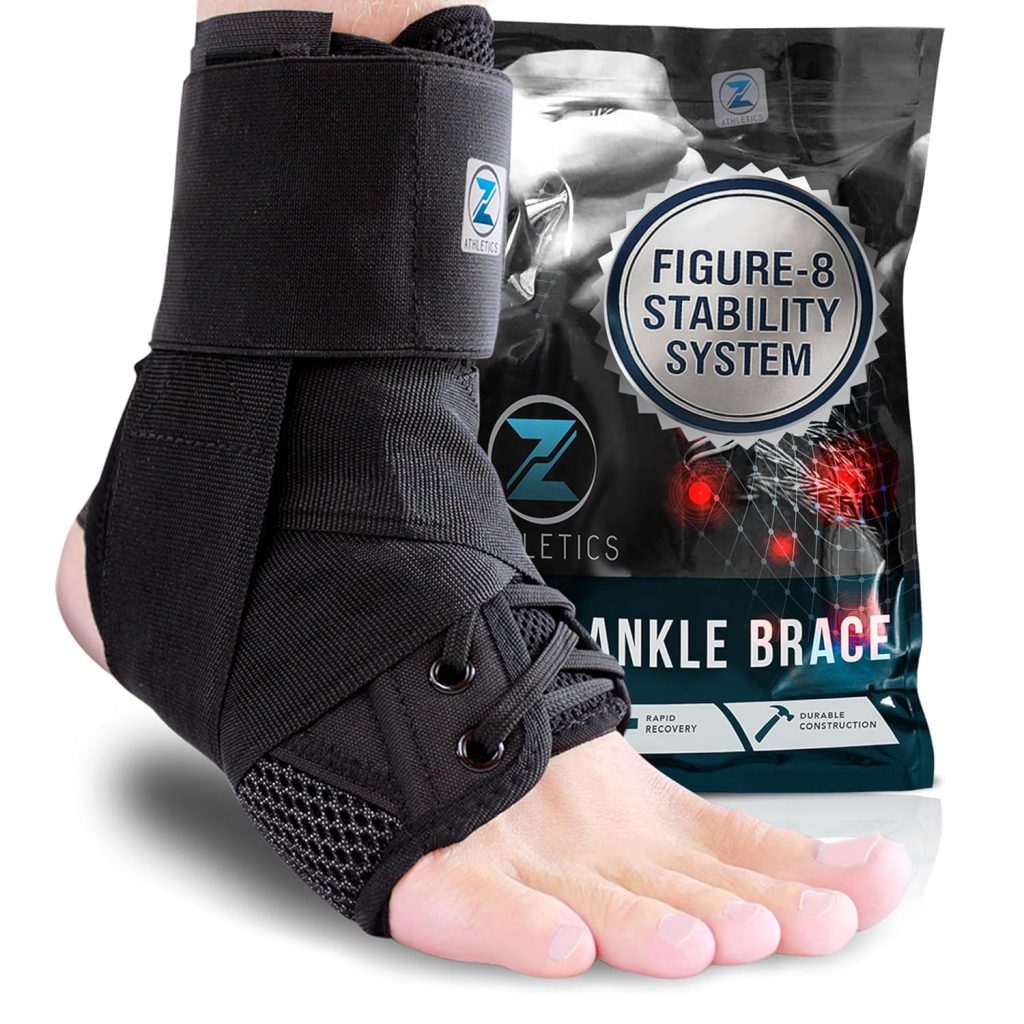
Incorporating ankle braces into your basketball routine can be a game-changer for preventing injuries. They’re like a safety net for your ankles, providing support and stability during intense games. A simple addition to your gear, ankle braces can make the difference between staying on the court and sitting on the sidelines.
Types Of Ankle Braces
Choosing the right ankle brace depends on your specific needs. Soft braces offer flexibility and are ideal for mild support. They’re often used by players who need a bit of extra stability without sacrificing mobility. On the other hand, rigid braces provide strong support and are suitable for those recovering from an injury. These braces restrict movement, offering protection when your ankle is still vulnerable. For versatile support, lace-up braces combine elements of both soft and rigid options. They allow you to adjust the tightness, making them a popular choice among athletes.
When To Use Braces
Timing is crucial for using ankle braces effectively. Wear them during practices and games if you have a history of ankle injuries. They can be particularly beneficial in high-intensity situations where the risk of twisting or spraining is higher. If you’re recovering from an ankle injury, use braces as recommended by your healthcare provider. They can aid in rehabilitation by providing the necessary support as your ankle regains strength. Consider using ankle braces as a preventive measure even if you haven’t had an injury. This proactive approach can keep you in the game longer, reducing the chance of unexpected setbacks. Have you ever wondered how an extra layer of protection can impact your performance? Ankle braces might just be the answer to maintaining your game-winning stride while minimizing risks.
Credit: www.ultraankle.com
Safe Landing Techniques
Basketball is a sport that demands agility, speed, and precision, especially when you’re leaping to score a basket or block a shot. Safe landing techniques are crucial for preventing ankle injuries and ensuring you stay on top of your game. By understanding and practicing proper landing methods, you can reduce the risk of injury and improve your overall performance on the court.
Jumping Mechanics
Mastering jumping mechanics is essential for safe landings. Focus on using your whole body to jump, not just your legs. Engage your core muscles to stabilize your body mid-air.
Practice jumping with your knees slightly bent to absorb the impact when you land. This helps distribute the shock more evenly and protects your ankles from sudden, jarring forces.
Consider visualizing your landing before you jump. This mental preparation can help you anticipate the movement and adjust your body accordingly, allowing for smoother and safer landings.
Foot Placement
Where your feet land can make all the difference. Aim to land on the balls of your feet, as this position offers better shock absorption than landing flat-footed. It helps maintain your balance and reduces strain on your ankles.
Keep your feet aligned with your hips. This alignment ensures that the force of landing is distributed evenly through your legs, minimizing the risk of twisting your ankles.
Consider practicing landing drills to improve your foot placement. These drills can train your muscle memory, making correct foot placement second nature during a game.
Have you ever noticed how professional players seem to glide effortlessly after a jump? Their technique isn’t just about skill; it’s about understanding their body and how it interacts with the court. By fine-tuning your jumping mechanics and foot placement, you can enhance your performance and protect your ankles from injury.
Regular Check-ups And Monitoring
Basketball is an intense sport requiring agility and quick movements. These movements put pressure on the ankles. Regular check-ups and monitoring are vital to prevent injuries. Visiting a healthcare professional can help keep your ankles healthy. They can identify early signs of trouble before they become serious injuries.
Signs Of Potential Injury
Recognizing symptoms early is key to prevention. Watch for swelling or tenderness around the ankle. Pain during movement might signal an underlying issue. Limited range of motion can also be a warning sign. Listen to your body; it will tell you when something is wrong.
Professional Assessments
Consulting a professional provides valuable insights. Physical therapists can assess your ankle health. They offer exercises to strengthen weak areas. Regular evaluations help spot problems before they escalate. Professionals can also recommend supportive gear. This gear aids in stabilizing your ankles during play.

Credit: www.amazon.com
Frequently Asked Questions
How Do Nba Players Protect Their Ankles?
NBA players protect their ankles by wearing high-top sneakers, using ankle braces, and practicing strengthening exercises. They also get regular physiotherapy to maintain joint health and flexibility. Proper warm-up routines and taping techniques further prevent injuries.
Can Ankle Injuries Be Prevented?
Yes, ankle injuries can be prevented. Strengthen ankle muscles through exercises. Wear supportive footwear. Warm up before activities. Maintain a healthy weight to reduce pressure on ankles. Be cautious on uneven surfaces to avoid twists or sprains.
How To Strengthen Ankles For Basketball?
Strengthen ankles for basketball by doing balance exercises, calf raises, and ankle circles. Practice jumping drills regularly. Incorporate resistance bands for added stability. Maintain consistency in workouts for best results.
What Is The Best Ankle Protection For Basketball?
The best ankle protection for basketball includes high-top shoes and supportive ankle braces. These provide stability and minimize injury risks. Ensure they fit well to avoid discomfort. Proper protection enhances performance and keeps you safe on the court. Choose quality brands for reliable support and durability.
Conclusion
Preventing ankle injuries in basketball is crucial for players. Always warm up before playing. Wear proper shoes for support. Strengthen your ankles with exercises. Pay attention to the court surface. Avoid uneven areas. Listen to your body and rest when needed.
Practicing safe techniques reduces risk. Proper care now prevents future issues. Stay focused on safety. Ankle health ensures better performance. Enjoy the game without pain. Remember, prevention is key. Keep playing strong and injury-free. Your ankles will thank you.
