Are you ready to unlock the secrets of high performance sports? Imagine a world where athletes push beyond their limits, achieving feats once thought impossible.
High performance sports are more than just games; they’re arenas where dedication, skill, and cutting-edge techniques collide. As you dive deeper into this article, you’ll uncover what truly sets these sports apart and how they inspire both athletes and fans alike.
Your curiosity about how athletes reach their peak performance is about to be satisfied. Whether you’re an aspiring athlete, a passionate sports fan, or simply curious, this exploration will captivate and inspire you. Prepare to discover the exciting world of high performance sports and the secrets behind those jaw-dropping achievements. Keep reading, and let your journey into this thrilling realm begin!

Credit: www.linkedin.com
Defining High Performance Sports
High performance sports focus on achieving the best possible results through intense training and competition. Athletes in these sports often compete at international levels, showcasing exceptional skills and dedication. The aim is to maximize physical and mental abilities for peak performance.
Defining High Performance Sports involves understanding the essence of athletic excellence. These sports demand more than just physical abilities. Athletes in high performance sports train their minds and bodies intensively. They aim for peak performance in every competition. But what sets these sports apart from others?
Understanding The Core Elements
High performance sports focus on achieving exceptional results. Athletes undergo rigorous training sessions. They often work with specialized coaches. Mental preparation is as crucial as physical conditioning. This comprehensive approach helps athletes reach their maximum potential.
The Role Of Technology
Technology plays a significant role in high performance sports. Advanced equipment and analytics enhance training efficiency. Athletes use wearables to monitor their progress. Data analysis helps in making informed decisions. This integration boosts performance and reduces injury risks.
Training And Nutrition
A balanced diet supports high performance athletes. Nutrition plans are tailored to individual needs. Proper fueling aids recovery and performance. Training programs are intense and highly structured. Athletes often train multiple times a day.
Psychological Strength
Mental toughness is vital in high performance sports. Athletes learn to cope with pressure and stress. Psychological training improves focus and resilience. This aspect distinguishes top performers from the rest. It enables them to maintain composure under challenging conditions.
Global Competitions
High performance sports often lead to international competitions. These events showcase the best athletes worldwide. They bring together diverse cultures and sportsmanship. Competing on a global stage requires dedication and skill. Athletes strive to represent their countries proudly.

Credit: us.humankinetics.com
Key Elements Of Athletic Excellence
High performance sports demand physical prowess, mental resilience, and strategic training. Athletes excel by mastering techniques, optimizing nutrition, and maintaining peak fitness. Consistent dedication and teamwork drive success in competitive environments.
Key elements of athletic excellence are essential for high performance sports. These elements ensure athletes reach their highest potential. They form the foundation for success in sports. Understanding these elements can transform ordinary athletes into extraordinary performers.
Physical Conditioning
Physical conditioning is crucial for any athlete. It builds strength and endurance. Regular training enhances flexibility and agility. A well-conditioned body performs better under pressure. It reduces the risk of injuries. Athletes must maintain a balanced diet. Proper nutrition fuels their performance. Consistent workouts improve overall stamina.
Mental Resilience
Mental resilience is the backbone of athletic success. It helps athletes stay focused and calm. Pressure situations demand strong mental fortitude. Athletes need to overcome setbacks quickly. Mental strength boosts confidence. It aids in achieving personal goals. Visualization techniques enhance performance. Positive thinking reduces stress.
Technical Skills
Technical skills are vital for mastering any sport. They involve precise movements and techniques. Athletes must practice consistently. Mastering these skills requires dedication. Proper coaching refines these skills. Feedback helps in correcting mistakes. Technical proficiency leads to better performance. Skills need regular assessment and improvement.
Role Of Coaching And Mentorship
High performance sports demand excellence and dedication. Coaching and mentorship play vital roles, guiding athletes to reach their peak. Through personalized advice and support, mentors help athletes refine skills and build mental strength.
In the world of high-performance sports, the role of coaching and mentorship is pivotal. Coaches aren’t just there to instruct; they are the architects of an athlete’s journey. They provide guidance, motivation, and the strategies needed to excel. Mentorship goes beyond physical training, helping athletes navigate the mental and emotional challenges of high-stakes competition. Whether you’re aspiring to be the next Olympic champion or aiming to improve your personal best, the right coach can make all the difference. But what makes a coach effective, and how can mentorship transform an athlete’s career? Let’s dive deeper.
Strategies For Success
A coach’s strategy can be the difference between winning and losing. Successful coaches focus on personalized training plans tailored to each athlete’s strengths and weaknesses. They set clear, achievable goals that push athletes to their limits without overwhelming them. Consider how a coach breaks down a complex skill into manageable parts, allowing you to master each step before moving on. This methodical approach builds confidence and skill over time. Have you ever thought about how a small tweak in your technique could shave seconds off your time? Great coaches also stay updated with the latest techniques and technologies. They continuously learn and adapt, ensuring their athletes are prepared for anything. Imagine the advantage you gain when your coach uses cutting-edge data to refine your performance.
Building Athlete-coach Relationships
The relationship between an athlete and a coach is built on trust and communication. A strong bond can lead to incredible achievements. Coaches who understand their athletes’ personalities can tailor their communication style, making feedback more effective. Think of a time when a simple word of encouragement boosted your morale. Coaches who invest time in understanding what motivates you can tap into that well of potential. Are you someone who thrives on positive reinforcement, or do you prefer a no-nonsense approach? Honesty is key in these relationships. Athletes need to feel comfortable discussing their fears and setbacks. When a coach listens and provides constructive feedback, it fosters an environment where you can grow without fear of judgment. In high-performance sports, coaching and mentorship are not just supportive roles; they are transformative forces. The right strategies and relationships can propel you to new heights. As you reflect on your journey, consider the profound impact a great coach can have. Are you ready to take that next step in your athletic journey?
Innovative Training Techniques
High performance sports demand cutting-edge training techniques. These methods boost athletes’ skills and enhance their performance levels. Innovative approaches focus on personalized programs, mental strength, and advanced technology.
In the world of high-performance sports, athletes are constantly pushing boundaries to enhance their skills and achieve peak performance. Innovative training techniques are at the heart of this pursuit, enabling athletes to optimize their training and gain a competitive edge. These techniques are not just about physical training; they incorporate cutting-edge technology and data analysis to fine-tune every aspect of an athlete’s preparation.
Technology In Training
Technology is transforming how athletes train. From virtual reality simulations to wearable tech, athletes have access to tools that were once unimaginable. Imagine training with a virtual coach who can analyze your every move in real-time. This is not science fiction; it’s the new reality for many high-performance athletes. Wearable devices track metrics like heart rate, sleep quality, and movement patterns. This data helps athletes understand their bodies better and adjust their training accordingly. A friend of mine used a simple fitness tracker and discovered that his sleep quality was impacting his performance. By improving his sleep, he saw significant gains in his training outcomes.
Data-driven Insights
Data is now an athlete’s best friend. Detailed analysis provides insights that were previously hidden. Consider a scenario where you can pinpoint the exact moment your energy levels drop during a game. With this knowledge, you can adjust your nutrition or training schedule to address this dip. Coaches and athletes use data to customize training programs. This ensures that every session is as effective as possible. Take a look at your training routine: Is it based on guesswork or real data? By embracing a data-driven approach, you can identify strengths and weaknesses with precision. Using innovative training techniques, athletes can maximize their potential. As technology and data continue to evolve, what new tools might redefine the future of sports training? Embrace these advancements, and you might just find yourself ahead of the competition.
Nutrition And Recovery
High performance sports demand optimal nutrition and recovery strategies. Athletes need balanced diets to support intense training. Proper nutrients accelerate muscle repair and enhance endurance.
In the world of high performance sports, nutrition and recovery play a crucial role in elevating an athlete’s game. You might wonder how top athletes maintain their stamina and bounce back after grueling workouts. It’s not just about rigorous training; what they consume and how they recover are equally vital. Imagine having the energy to push through long hours of practice while ensuring your body heals efficiently. This is the secret recipe that fuels champions.
Dietary Requirements
Athletes need a carefully balanced diet to sustain their intense training sessions. It’s not just about eating healthy; it’s about eating smart. Carbohydrates are often their primary energy source, while proteins aid muscle repair. Consider adding whole grains, lean meats, and leafy greens to your meals. These foods provide essential nutrients that support endurance and growth. Hydration, often overlooked, is equally important—water and electrolytes help prevent fatigue and injuries.
Rest And Rehabilitation
Your body needs rest to recover and perform at its best. Sleep is a powerful tool for regeneration. Aim for 7-9 hours of quality sleep each night to enhance your recovery. It’s not just about sleeping; how you spend your waking hours matters too. Incorporate stretching and light exercises post-training to minimize soreness and improve flexibility. Wouldn’t it be amazing to wake up refreshed, with your body ready for the next challenge? Using techniques like massage and ice baths can speed up recovery. These methods help reduce inflammation and improve circulation, allowing your muscles to heal faster. Imagine feeling rejuvenated and ready to conquer your next goal. As you think about your own journey, ask yourself: Are you giving your body the nutrients and recovery it needs to excel?

Credit: www.socinvestigation.com
Psychological Aspects Of High Performance
Understanding the psychological aspects of high-performance sports is crucial for athletes striving for excellence. Mental toughness can be the edge that separates the good from the great. You might have the physical skills, but without the right mindset, reaching peak performance is challenging. Let’s dive into two key psychological elements: motivation and focus, and handling pressure.
Motivation And Focus
Motivation fuels the drive to train harder, pushing you beyond limits. It’s the reason why athletes wake up early and commit to rigorous routines. But motivation can wane. How do you keep it alive? Set clear, achievable goals. Write them down. Visualize achieving them every day.
Focus is equally vital. It’s easy to get distracted by external factors or internal doubts. To maintain focus, practice mindfulness. Stay present during training. Concentrate on each movement, each breath. A focused athlete is a formidable athlete.
Do you have a personal mantra that keeps you motivated? Use it. It’s a powerful tool to maintain your focus and drive.
Handling Pressure
Pressure is inevitable in high-performance sports. It tests your limits and resilience. How you handle it can define your success. Learn to embrace pressure rather than fear it. It’s an opportunity to grow, not a threat.
Techniques like deep breathing or visualization can calm nerves. Picture yourself succeeding under pressure. Imagine the crowd cheering, the satisfaction of a job well done. This mental rehearsal prepares you for real-life scenarios.
Pressure can be daunting, but consider it a chance to showcase your skills. How do you react when the stakes are high? Your response could be the key to your next victory.
Remember, the right mindset is as critical as your physical prowess. How will you strengthen your psychological game today?
The Role Of Sports Science
High performance sports focus on achieving the best athletic results. Sports science plays a crucial role in understanding and improving athletes’ abilities. It uses research and technology to enhance training, recovery, and performance.
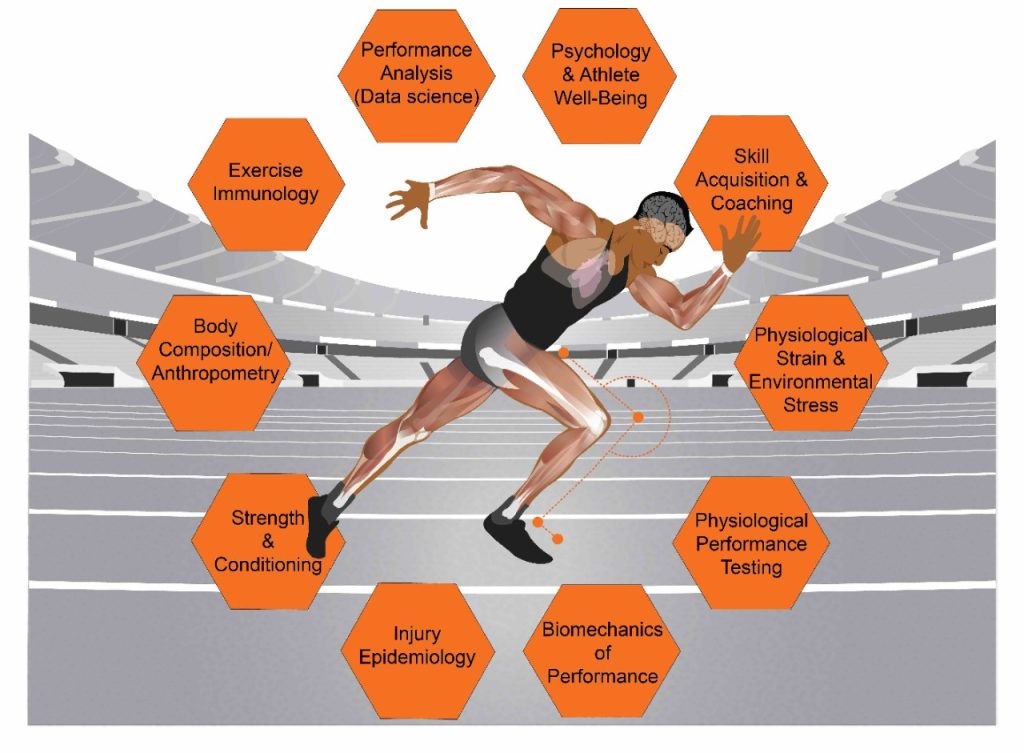
The Role of Sports Science Sports science is vital in high performance sports. It helps athletes improve their skills and achieve their best. Experts study how the body works, how athletes move, and how to train effectively. They use this knowledge to enhance performance, prevent injuries, and extend careers.
Biomechanics
Biomechanics examines movement and mechanics in sports. It focuses on how athletes move and how their bodies handle forces. Experts analyze running, jumping, and throwing techniques. They look at joint angles, muscle use, and balance. This helps athletes move efficiently and reduces injury risk.
Performance Analysis
Performance analysis involves detailed examination of athletic activities. It uses data to assess strengths and weaknesses. Analysts track speed, accuracy, and endurance. They provide feedback to coaches and athletes. This process aids in developing strategies and refining techniques. It empowers athletes to improve and meet their goals.
Impact Of High Performance Sports On Society
High performance sports have a profound impact on society. They not only push athletes to achieve greatness but also influence culture and economy. People across the globe are inspired and united through these sports. The influence extends beyond the field, touching lives in various ways.
Inspiring Future Generations
Children look up to athletes as role models. Seeing their dedication and achievements, young minds dream big. High performance sports teach discipline, teamwork, and perseverance. These values shape future leaders and thinkers. The stories of triumph and hard work resonate with everyone. Young athletes strive to emulate their heroes, fostering a cycle of inspiration.
Economic Contributions
High performance sports boost economies in multiple ways. Sporting events attract tourists, creating jobs and revenue. Merchandise sales and sponsorship deals add to the financial impact. Local businesses thrive during major events. The ripple effect benefits entire communities. Sports also encourage infrastructure development. New facilities and venues enhance local resources.
Frequently Asked Questions
What Is Considered High Performance Sport?
High performance sport involves elite athletes competing at national or international levels. It demands peak physical and mental abilities. Athletes train intensively, using advanced techniques and technologies to enhance performance. These sports often have significant media coverage and sponsorship. Achieving excellence is the primary goal, requiring dedication and commitment.
What Counts As A High Performance Athlete?
A high performance athlete competes at elite levels, demonstrating exceptional skill, training, and dedication. They often participate in national or international competitions, maintain strict training regimens, and focus on optimizing physical and mental performance. Achieving peak performance is crucial for their success.
What Are The Examples Of High End Sports?
High-end sports include golf, polo, yachting, tennis, and equestrian. These sports often involve luxury venues and expensive equipment. Participants usually have high financial means, enhancing the exclusivity and prestige associated with these activities.
What Is High Performance In Sports Training?
High performance in sports training focuses on optimizing physical and mental abilities. It involves targeted exercises, nutrition, and recovery strategies. Athletes aim to enhance strength, speed, endurance, and agility. Tailored programs and expert coaching improve performance levels, ensuring peak competitive readiness.
Conclusion
High performance sports push athletes to their limits. They demand dedication, skill, and resilience. Athletes train hard to excel and achieve their goals. Each sport has unique challenges and rewards. Fans enjoy watching incredible performances and feats. These sports inspire many to stay active and healthy.
They teach important life lessons like teamwork and perseverance. Participating or watching can bring joy and excitement. High performance sports continue to evolve and captivate audiences worldwide. They play a significant role in shaping sports culture and community. Enjoy the thrill and passion they bring to our lives.
