
Are you feeling sluggish, tired, or just not yourself lately? It might be time to take a closer look at what you’re eating.
A poor nutritional diet could be the culprit behind these issues and more. You might be surprised to learn how much your food choices impact your energy levels, mood, and overall health. Imagine how much better you could feel by simply tweaking what you put on your plate.
We’ll uncover what a poor nutritional diet really means and how it might be affecting you. Stick around to discover simple changes you can make to transform your diet and, ultimately, your life.

Credit: www.clancymedicalgroup.com
Defining Poor Nutritional Diet
A poor nutritional diet lacks essential nutrients needed for good health. It often includes high amounts of processed foods, sugars, and unhealthy fats. This diet can lead to health problems like obesity, diabetes, and heart disease.
Understanding what constitutes a poor nutritional diet is vital in making healthier food choices. It’s not just about the obvious junk food, but also the subtle everyday habits that might be undermining your well-being. Have you ever paused to consider what’s really on your plate and how it impacts your health?What Is A Poor Nutritional Diet?
A poor nutritional diet lacks essential nutrients your body needs to function efficiently. It often includes high amounts of processed foods, saturated fats, sugars, and sodium. This kind of diet can lead to fatigue, weight gain, and even chronic diseases over time. Consider a day filled with sugary cereals, fast food lunches, and TV dinners. This routine might seem convenient, but it deprives your body of the vitamins and minerals needed for energy and vitality. Have you ever noticed feeling sluggish after a day of such meals?Common Characteristics Of Poor Diets
Poor diets often feature processed foods that are low in nutrients and high in empty calories. These foods are usually convenient, but they don’t fill your nutritional needs. Do you find yourself reaching for chips or cookies more often than fruits and veggies? Another characteristic is the overconsumption of sugar and unhealthy fats. Sodas, candies, and pastries might taste good, but they can lead to health issues like diabetes and heart disease. Are these common choices in your daily meals?Impact Of Poor Nutrition On Health
Poor nutrition can affect your physical health significantly. Issues like obesity, heart disease, and diabetes are often linked to unhealthy eating habits. Do you want to risk these by sticking to a diet lacking in essential nutrients? Mental health can also take a hit. Deficiencies in vitamins and minerals can lead to problems like depression and anxiety. Could your mood swings be linked to what you eat?Practical Steps To Improve Your Diet
Improving your diet doesn’t have to be overwhelming. Start by adding more fruits and vegetables to your meals. They are rich in essential nutrients your body craves. Have you tried swapping your usual snacks for healthier alternatives? Reduce your intake of processed foods and sugary drinks. Opt for whole grains and lean proteins. Making small changes can lead to significant improvements in your health. What simple changes can you make today for a better tomorrow? By understanding and defining a poor nutritional diet, you can take steps to avoid its pitfalls and embrace a healthier lifestyle. What choices will you make to nourish your body better?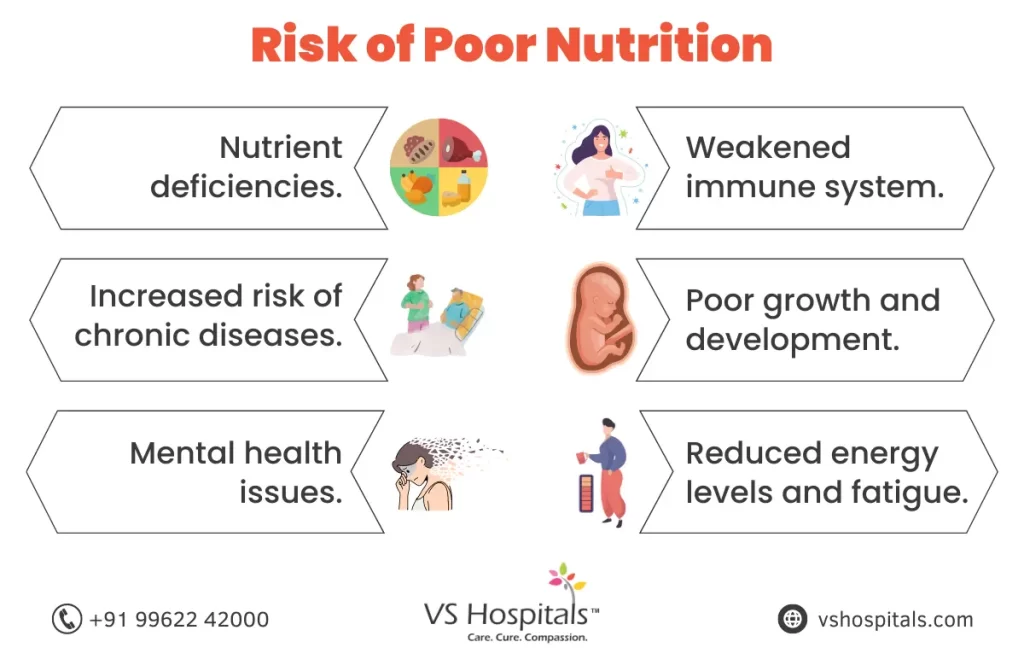
Credit: vshospitals.com
Common Characteristics
Understanding what constitutes a poor nutritional diet is crucial for anyone aiming to lead a healthy lifestyle. While the concept of ‘poor nutrition’ might seem straightforward, several common characteristics can define such a diet. Identifying these traits can help you make better food choices and avoid falling into the trap of unhealthy eating habits.
Low Nutrient Density
Foods with low nutrient density often pack a punch in calories but offer little in terms of essential vitamins and minerals. Think of sugary snacks and sodas that provide quick energy but leave your body wanting more. Remember the last time you grabbed a bag of chips instead of a fruit? It’s easy, convenient, but does it really nourish your body? These foods may fill you up, but they don’t fulfill your nutritional needs.
High Caloric Intake
Consuming a diet high in calories can lead to weight gain and health issues over time. Fast food, fried items, and rich desserts are common culprits. Have you ever felt sluggish after a big meal? That might be your body struggling to process the excess calories. You might find yourself eating more than your body requires simply because these foods are tempting and readily available.
Imbalance Of Macronutrients
A diet that lacks balance in proteins, carbohydrates, and fats can cause various health problems. Are you getting enough protein to build and repair tissues? Or too many carbs that lead to energy spikes and crashes? Striking a balance between these macronutrients is key. Consider the time when you tried a low-carb diet and felt fatigued; this imbalance can affect your daily productivity and mood.
As you reflect on your eating habits, ask yourself—are your meals nourishing your body or just filling it up? Identifying these characteristics of a poor nutritional diet can be your first step toward a healthier future.
Hidden Dangers
A poor nutritional diet seems harmless at first glance. But its hidden dangers lurk beneath the surface. Unseen, they threaten your overall health and well-being. Discover the silent risks associated with poor nutrition. Understanding these dangers could transform your health journey. Let’s delve into the risks that affect our bodies and minds.
Chronic Health Conditions
Poor nutrition often leads to chronic health conditions. Obesity, heart disease, and diabetes become more likely. These conditions strain the body’s systems. They reduce quality of life and lifespan. A diet lacking essential nutrients weakens the body’s defense mechanisms. This makes it harder to fight off diseases.
Mental Health Impacts
Nutrition affects mental health, too. Poor diets lead to mood swings and depression. Brain function suffers without proper nutrients. Cognitive abilities may decline over time. A balanced diet supports mental clarity. It also helps maintain a stable mood. Prioritizing nutrition can enhance mental well-being.
Developmental Issues
Children need good nutrition for proper growth. Poor diets cause developmental issues in young ones. They lead to stunted growth and learning difficulties. Essential nutrients are crucial for brain development. Lacking these can hinder a child’s potential. Ensuring a nutritious diet supports healthy development.

Credit: www.nutriworksinc.com
Influence Of Lifestyle Choices
A poor nutritional diet often results from everyday lifestyle choices. These choices significantly impact our health and well-being. Understanding these influences can help in making better dietary decisions. Let’s explore some key factors that contribute to poor nutrition.
Sedentary Behavior
Many people lead a sedentary lifestyle. This means they spend a lot of time sitting or lying down. Activities like watching TV or working on a computer are common. This lack of movement reduces energy expenditure. It often leads to weight gain and poor nutrition.
Physical activity is crucial for a balanced diet. It helps in burning calories and maintaining a healthy weight. Without it, the body stores excess calories as fat. This can lead to obesity and related health issues.
Convenience Foods
Convenience foods are quick and easy to prepare. People with busy schedules often rely on them. Fast food, frozen meals, and snacks are popular choices. While convenient, these foods are often high in calories, sugar, and unhealthy fats.
They lack essential nutrients needed for a healthy diet. Eating them frequently can lead to deficiencies. These foods can also increase the risk of chronic diseases. Choosing fresh, whole foods can improve nutritional intake.
Economic Factors
Economic factors play a significant role in shaping a poor nutritional diet. Many people face financial constraints that limit their food choices. This often leads to unhealthy eating habits. Understanding how these factors affect diet can guide better decisions.
Cost Of Healthy Foods
Healthy foods like fruits and vegetables often cost more. People with tight budgets may opt for cheaper, less nutritious options. Fast food and processed items are usually more affordable. This price gap makes it hard to maintain a balanced diet. Families prioritize filling meals over nutritious ones.
Access To Nutritional Information
Access to nutritional information is crucial for making healthy choices. Many people lack resources to learn about proper nutrition. Libraries and online resources may not be available to everyone. This lack of information leads to poor dietary decisions. Educating communities can bridge this gap.
Cultural Influences
Cultural influences shape our dietary choices significantly. Traditions and beliefs often guide what we eat. These influences can lead to a poor nutritional diet. Understanding the cultural factors is key to recognizing dietary habits.
Traditional Dietary Habits
Many cultures hold onto age-old dietary practices. These traditions are passed down through generations. In some cultures, high-fat foods are staples. They view these foods as a symbol of prosperity. Others may rely heavily on carbohydrate-rich meals. These meals can lack essential nutrients. Traditional meals often celebrate family and community. They bring people together but can neglect nutritional balance. Understanding these habits helps identify potential dietary gaps.
Marketing And Media Impact
Marketing plays a huge role in influencing diet choices. Advertisements often promote fast food and sugary drinks. Media portrays these foods as desirable and convenient. They target young audiences with colorful ads. This portrayal can lead to poor dietary habits. Media also shapes perceptions of what is healthy. Sometimes these perceptions are misleading. People may choose foods based on popularity rather than nutrition. Awareness of media influence is vital for healthier choices.
Strategies For Improvement
A poor nutritional diet can lead to various health issues. It’s essential to adopt strategies for improvement. These strategies can help individuals make better dietary choices. They can also foster a healthier lifestyle. Here’s how you can transform your diet with effective strategies.
Nutrient-rich Alternatives
Choosing nutrient-rich foods is crucial. Replace processed foods with whole grains. Opt for fresh fruits and vegetables instead of canned ones. Select lean proteins like chicken or fish. These choices provide essential vitamins and minerals. They support overall health and well-being.
Incorporate diverse food groups into meals. This ensures a balanced intake of nutrients. Experiment with new recipes. Cooking at home allows control over ingredients. Make meals colorful with a variety of vegetables. Bright colors often mean more nutrients.
Education And Awareness
Understanding food labels is important. They reveal nutritional content. Learn to read them effectively. Recognize unhealthy ingredients. Avoid those high in sugars and fats.
Stay informed about dietary guidelines. Government and health organizations provide reliable information. Attend workshops or online courses. They expand knowledge and improve dietary habits. Knowledge empowers better food choices.
Community Support
Community support can motivate dietary changes. Join local health groups. They offer resources and encouragement. Share experiences and challenges. Support networks foster accountability.
Participate in community events. Farmers markets showcase fresh produce. Learn from others who value healthy eating. Communities often host cooking classes. These classes teach nutritious meal preparation.
Volunteering in food banks can increase awareness. It highlights the importance of healthy eating for all. Community involvement cultivates a shared commitment to improved nutrition.
Frequently Asked Questions
What Is Considered Poor Nutrition?
Poor nutrition involves a diet lacking essential nutrients, excessive junk food, or imbalance in protein, carbs, and fats. It can result in health issues like obesity, heart disease, and diabetes. Consuming too few fruits, vegetables, and whole grains also contributes to inadequate nutrition.
What Are Examples Of A Poor Diet?
A poor diet includes excessive junk food, sugary drinks, processed snacks, and fast food. It lacks fruits, vegetables, and whole grains, leading to nutrient deficiencies. High consumption of red meat, saturated fats, and added sugars contributes to health problems. A balanced diet is essential for overall well-being.
What Are 10 Signs Of Poor Nutrition?
1. Brittle hair and nails. 2. Persistent fatigue. 3. Frequent colds and infections. 4. Slow wound healing. 5. Digestive issues. 6. Dry skin. 7. Mood swings. 8. Muscle weakness. 9. Poor concentration. 10. Unexplained weight changes.
What Are Nutrient Poor Foods?
Nutrient poor foods are high in calories but low in essential vitamins and minerals. Common examples include sugary snacks, sodas, white bread, and processed foods. These foods provide energy but lack nutritional benefits. Opt for nutrient-dense options like fruits, vegetables, and whole grains for a healthier diet.
Conclusion
A poor nutritional diet affects health and energy levels. Eating junk food can lead to weight gain and health issues. Lack of essential nutrients weakens the body’s defenses. Choose fresh fruits, vegetables, and lean proteins for better health. Hydration also plays a vital role.
Water helps in digestion and keeps skin healthy. Planning meals with balanced nutrients is crucial. Small changes make a big difference. Start today for a healthier life. Remember, nutritious food fuels the body and mind. Make informed choices for a brighter future.
Your health is worth the effort.
