Imagine lacing up your running shoes, ready to hit the trails or the pavement. You’re eager, energized, and envisioning your goals.
But what if the excitement of the run is overshadowed by the fear of injuries? You’re not alone. Every runner, whether a seasoned marathoner or a casual jogger, faces the risk of injuries. But here’s the good news: you have the power to prevent them.
Think about the frustration of having to pause your running routine due to a nagging pain or an unexpected injury. The disappointment is real. But what if you could sidestep that frustration altogether? By understanding the right techniques and adopting smart practices, you can protect yourself and keep your running journey on track. You’ll discover essential strategies to prevent running injuries, ensuring that your runs remain safe and enjoyable. Whether it’s tweaking your running form or choosing the right footwear, these insights will empower you to run smarter and stay injury-free. Ready to learn how? Let’s dive in and equip you with the knowledge that keeps you on your feet and moving forward.
Common Running Injuries
Proper warm-up and cool-down routines can significantly reduce the risk of running injuries. Wearing appropriate footwear and gradually increasing mileage also helps prevent common issues like shin splints and runner’s knee.
Running is a fantastic way to stay fit, but it can sometimes lead to injuries if you’re not careful. Understanding common running injuries can help you prevent them and keep your runs enjoyable and pain-free. Let’s dive into some of the most frequent injuries runners face, and what you can do to avoid them.
Types Of Injuries
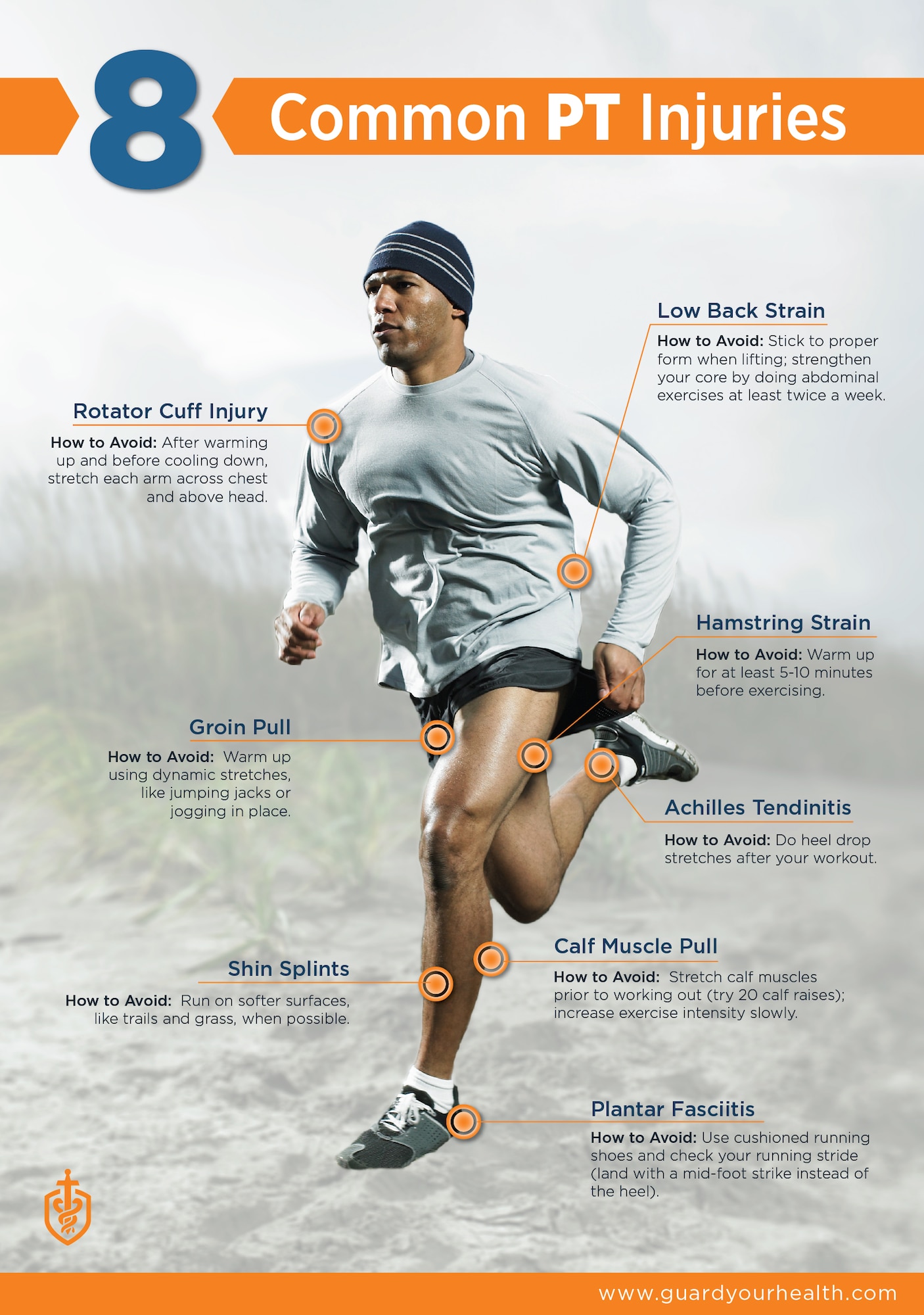
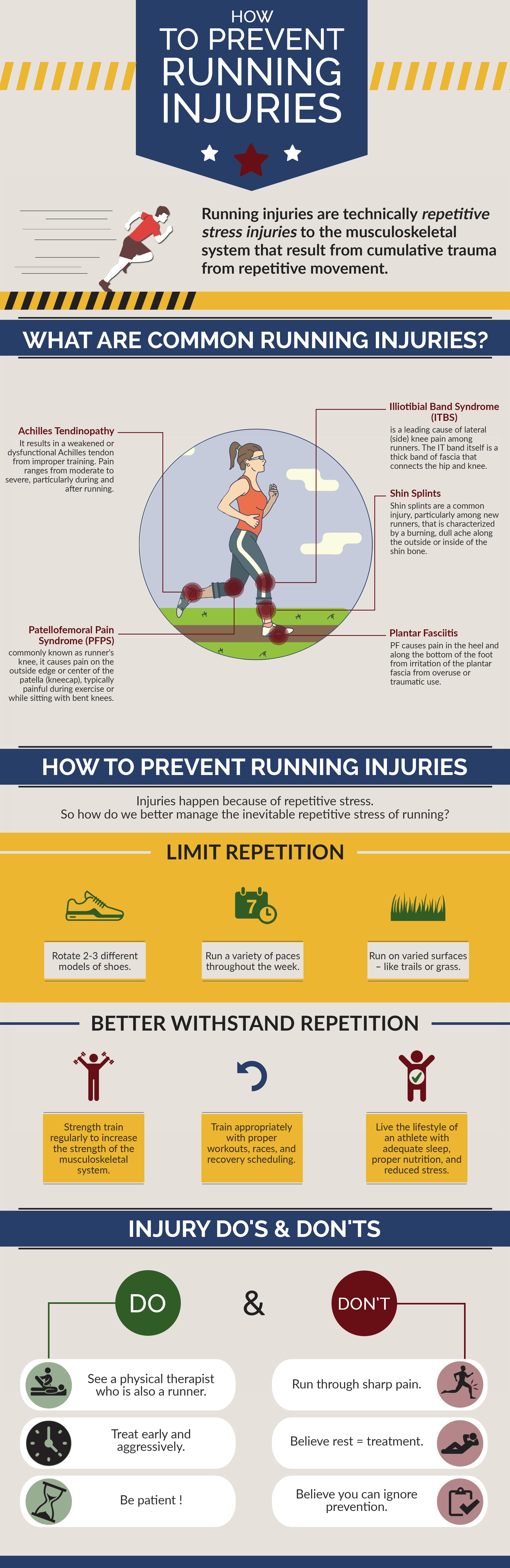
Runners often encounter a variety of injuries, each affecting different parts of the body. Shin splints are characterized by pain along the shin bone and often occur after changing your running routine. Runner’s knee, marked by pain around the kneecap, can be caused by overuse or improper running form. Plantar fasciitis is a stabbing pain at the bottom of your foot, typically felt when you first stand up in the morning. Are you experiencing any of these? It’s crucial to identify them early to prevent more severe damage. Knowing these types helps tailor your prevention strategies effectively.
Causes And Risk Factors
Why do these injuries happen? Often, it’s due to overtraining or poor technique. Running too far, too fast, or without proper recovery can stress your body beyond its limits. Worn-out shoes or uneven surfaces can also play a role. Consider your running habits and environment. Are you pushing yourself too hard without adequate rest? Do you need new running shoes to support your stride better? Addressing these factors can significantly reduce your injury risk. Taking proactive steps not only enhances your running experience but also keeps you on track with your fitness goals. What changes can you make today to ensure a safer running journey tomorrow?
Pre-run Preparation
Running is a wonderful way to stay fit and enjoy the outdoors. But avoiding injuries is crucial for a long-lasting and enjoyable running journey. Pre-run preparation plays a vital role in keeping injuries at bay. It involves warming up properly and choosing the right gear. These steps help prepare your body and provide the support needed for a safe run.
Proper Warm-up Techniques
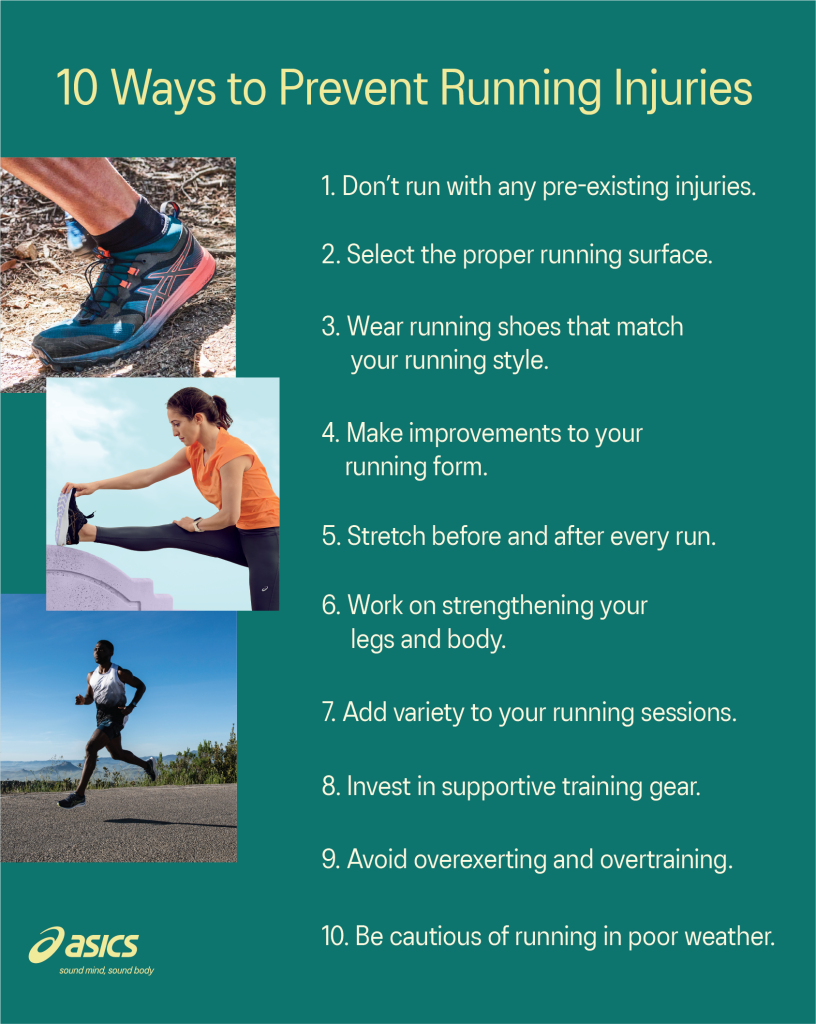
A good warm-up gets your muscles ready. It increases blood flow and flexibility. Start with dynamic stretches. They are active movements that prime your muscles. Leg swings and arm circles are great choices. Follow with a light jog. It raises your heart rate gradually. Aim for about five to ten minutes of warm-up. This prepares your body for the run ahead.
Choosing The Right Gear
Wearing the right gear reduces the risk of injury. Good running shoes are essential. They provide cushioning and support. Choose shoes that fit well and suit your foot type. Breathable clothing helps too. It keeps you comfortable and prevents overheating. Consider moisture-wicking fabrics. They draw sweat away from your skin. A hat and sunglasses protect you from the sun. These items enhance your running experience while keeping you safe.
Training Strategies
Prevent running injuries with effective training strategies. Focus on proper warm-ups, maintain a balanced routine, and incorporate strength exercises. Listen to your body and adjust intensity as needed for safe running.
Training strategies are the backbone of a successful and injury-free running journey. As a runner, it’s crucial to establish a regimen that not only enhances your performance but also safeguards your body. Implementing effective training strategies can be your best defense against common injuries. Below, we explore key tactics to keep you running strong and steady.
Gradual Progression
One of the most effective ways to prevent injuries is by embracing gradual progression. Jumping into intense training too quickly can lead to overuse injuries. It’s vital to increase your mileage and intensity incrementally. Consider the 10% rule: increase your weekly mileage by no more than 10% each week. This approach gives your body time to adapt and strengthens muscles and joints. When I started running, I ignored this advice and faced a painful shin splint. Trust me, patience pays off.
Cross-training Benefits
Cross-training is a game-changer for runners. By incorporating different types of exercise into your routine, you give your running muscles a break while still building overall strength and endurance. Activities like swimming, cycling, or yoga can enhance your flexibility and reduce the risk of injury. Imagine the difference in your performance when your entire body is strong and balanced. Plus, cross-training adds variety, keeping your routine exciting and less prone to burnout. Are you mixing up your workouts to maximize your potential? If not, it might be time to add some cross-training days into your schedule. Your body will thank you with fewer injuries and improved running efficiency.
Credit: www.airforcemedicine.af.mil
Injury Prevention Techniques
Warm up thoroughly before running to reduce injury risks. Gradually increase your distance and speed. Wear proper footwear to support your feet and prevent strain.
Running is a fantastic way to stay fit and healthy, but it comes with its own set of risks—injuries. To keep you on the track and away from the doctor’s office, let’s explore some effective injury prevention techniques. These strategies are not just for elite athletes; they’re crucial for anyone who loves to run, whether you’re preparing for your first 5K or your fiftieth marathon.
Strength And Flexibility Exercises
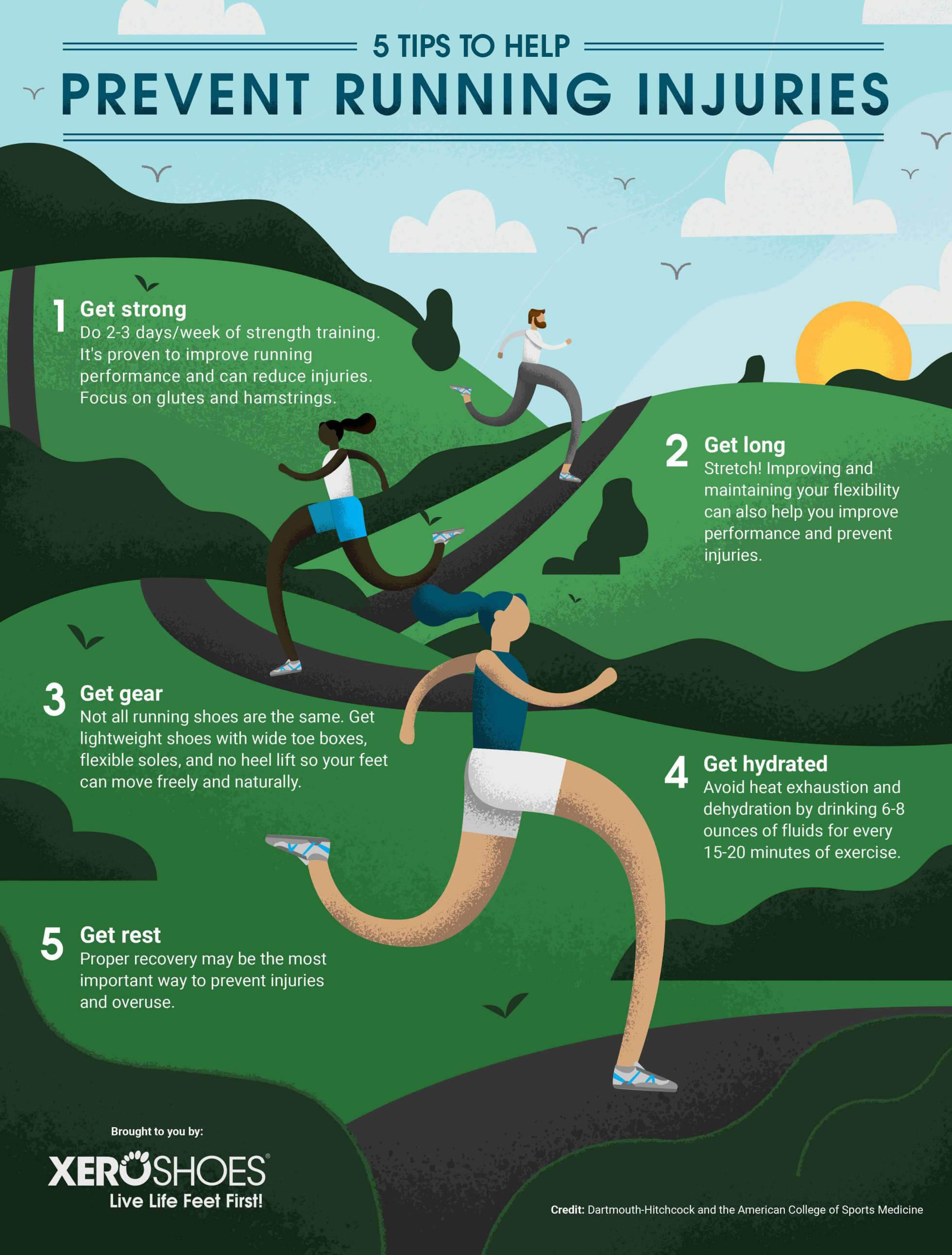
Building a strong body is essential to withstand the repetitive stress of running. Incorporating strength exercises like lunges, squats, and core workouts can enhance your running efficiency and reduce injury risk. Don’t forget about flexibility—stretching major muscle groups such as hamstrings, calves, and quads can prevent tightness and improve your range of motion. Yoga is also a great way to enhance flexibility and strength. It helps relax muscles and improve mental focus, which is crucial during those long runs. Adding just a couple of yoga sessions to your weekly routine can make a significant difference.
Importance Of Rest And Recovery
Recovery is as vital as the run itself. Your muscles need time to repair and strengthen after a workout. Skipping rest days can lead to overuse injuries, which are common among runners who push too hard without adequate downtime. Consider incorporating active recovery, such as walking or cycling, to keep your body moving without the intensity of running. Listen to your body: if you’re feeling fatigued or sore, it’s okay to take an extra rest day. Remember, rest is not a sign of weakness but a crucial part of your training plan.
Are you giving yourself enough time to recover after a run? Balancing your training with rest days might just be the key to running injury-free and enjoying every step of your journey.
Nutrition For Runners
Nutrition plays a crucial role in preventing running injuries. As a runner, your body needs the right fuel to keep you strong and resilient during your training sessions. Proper nutrition not only enhances your performance but also aids in recovery, reducing the risk of injuries. Let’s dive into how hydration and a balanced diet can support your running journey.
Hydration Essentials
Keeping hydrated is more than just drinking water; it’s about maintaining the right balance of electrolytes. These are essential for muscle function and can prevent cramping and fatigue. Start your day with a glass of water and carry a bottle during your runs to ensure you’re replenishing lost fluids.
Consider adding a pinch of salt or sipping on sports drinks to replace electrolytes if you’re sweating heavily. Remember, hydration isn’t just about quantity. Quality matters too. Are you drinking enough to keep your urine light yellow? That’s a simple way to gauge your hydration status.
Balanced Diet Tips
A balanced diet is your best defense against injuries. Include a variety of foods that provide carbohydrates, proteins, and healthy fats. Carbs are your primary energy source, while proteins help repair muscles. Don’t forget healthy fats; they support joint health and provide sustained energy.
Think about incorporating colorful fruits and vegetables into your meals. These are packed with vitamins and antioxidants, aiding in muscle recovery and reducing inflammation. Have you ever tried swapping white rice for quinoa or incorporating nuts into your snacks? These small changes can make a big difference in your nutrition.
Listen to your body. Are you feeling sluggish or tired? It might be time to adjust your food intake. Eating right is not just about following a strict diet but understanding what your body needs to perform its best.
Listening To Your Body
Listening to your body is a crucial aspect of preventing running injuries. Many runners push through discomfort, ignoring signals that their bodies are sending. This can lead to more serious injuries down the line. By tuning into the subtle cues your body provides, you can make smarter decisions and enhance your running experience.
Recognizing Warning Signs
Understanding what your body is telling you is a skill every runner should develop. Are you experiencing persistent pain, or is it just temporary soreness? Persistent pain might be your body’s way of saying something needs attention. Ignoring these signals can result in prolonged recovery times. Imagine noticing a slight twinge in your knee during a run—it’s your cue to slow down and assess the situation.
Another warning sign could be fatigue that doesn’t seem to go away even after rest. This might indicate overtraining or inadequate nutrition. Pay attention to changes in your mood or sleep patterns as well. Sometimes, these are the initial indicators that something is amiss.
When To Seek Professional Help
At what point should you turn to an expert? If the pain persists despite rest, or if you notice swelling or instability, it’s time to consult a professional. An experienced physiotherapist can provide valuable insights into your injury and suggest effective treatments.
Don’t wait until the problem escalates. Early intervention often leads to faster recovery. A friend of mine ignored ankle pain for weeks, assuming it would resolve on its own. Eventually, she needed months of rehabilitation. Seeking help sooner could have saved her time and frustration.
Remember, you are not alone in your running journey. Reach out for guidance when your body sends you strong signals. How do you plan to listen to your body better in your running routine?
Expert Advice
Proper warm-up routines can greatly reduce the risk of injuries while running. Strengthening exercises improve muscle balance and support. Listening to your body helps in adjusting intensity and preventing strain.
Preventing running injuries can feel like an uphill battle, but with expert advice, you can run smarter and safer. Understanding what seasoned coaches and medical professionals recommend can make all the difference. Let’s dive into their insights and tips to help you stay injury-free.
Insights From Coaches
Coaches often emphasize the importance of listening to your body. If you feel a twinge or unusual fatigue, it might be a sign to rest or modify your routine. One coach shared how a slight tweak in their training plan reduced their injury rate by 30%. Consistency in training is key. Avoid the temptation to suddenly increase your mileage or intensity. A gradual increase of about 10% per week is a rule many coaches swear by. Incorporating cross-training can enhance your overall fitness. Activities like swimming or cycling can improve endurance without the repetitive stress running places on your joints.
Tips From Medical Professionals
Medical professionals often highlight the significance of proper footwear. Wearing shoes that provide adequate support and cushioning can prevent many common injuries. Consider visiting a specialty running store for a gait analysis to find the best fit. Stretching and strengthening exercises are crucial. Focus on dynamic stretches before your run and static stretches afterward. Strengthening your core and lower body can also provide stability and reduce injury risk. Don’t underestimate the power of rest and recovery. Allow your muscles time to repair by getting enough sleep and considering rest days as part of your training schedule. How often have you pushed through pain, only to regret it later? By applying these expert insights, you’re not just preventing injuries; you’re paving the way for a more enjoyable and sustainable running journey.
Credit: xeroshoes.com
Credit: strengthrunning.com
Frequently Asked Questions
How Can Running Injuries Be Prevented?
Prevent running injuries by wearing proper shoes and gradually increasing mileage. Warm up and stretch before runs. Maintain strength and flexibility through cross-training. Listen to your body and rest when needed. Stay hydrated and ensure a balanced diet for overall fitness.
What Are 5 Safety Measures You Can Take While Running?
Wear visible clothing to stay safe from traffic. Carry ID and phone for emergencies. Run in well-lit areas. Hydrate properly before, during, and after running. Listen to your body and avoid overexertion.
What Can You Do To Prevent Running Injuries Weegy?
Warm up before exercising and cool down afterward. Wear proper footwear for support. Increase intensity gradually. Listen to your body and rest when needed. Incorporate strength training and flexibility exercises into your routine.
How To Run Daily Without Getting Injured?
Warm up properly before running. Choose suitable footwear for support. Increase mileage gradually to prevent strain. Stay hydrated and maintain a balanced diet. Listen to your body and rest if needed.
Conclusion
Preventing running injuries is all about being mindful and prepared. Listen to your body. Rest when needed. Warm up before every run. Stretch to maintain flexibility. Choose the right footwear for support. Build strength with cross-training. Keep a balanced routine.
Don’t push too hard too fast. Stay hydrated and eat well. Regular check-ins with a healthcare professional can help. Simple steps make a big difference. Remember, consistency is key. Stay safe and enjoy your runs. Your body will thank you.
