
Imagine living in a world where you don’t just react to problems but prevent them before they even arise. This isn’t just a dream—it’s a reality you can achieve.
You might think that preventative measures are only necessary when dealing with illnesses or injuries. But what if there’s more to it than meets the eye? What if embracing prevention could transform not only your health but your entire life?
You deserve to live without the constant worry of what might go wrong. By understanding why prevention matters, you can unlock a life of reduced stress and improved well-being. Are you ready to discover how a proactive approach can benefit every aspect of your life, not just when illness or injury strikes? Dive into this article to learn why prevention is your greatest ally and how it can help you lead a more fulfilling life. Don’t let another moment pass by without uncovering these essential insights.

Credit: www.instagram.com
Rethinking Preventative Measures
Rethinking preventative measures encourages us to focus beyond just illness and injury. Prioritize overall well-being through lifestyle adjustments and regular health checks.
In the modern world, health is a priority. Many people think of prevention only in terms of illness and injury. But what if we expanded our view? Rethinking preventative measures could change our lives. It means looking beyond just the obvious threats. It involves a broader approach to maintaining health. This can include mental wellness, lifestyle choices, and more.
Understanding The Broader Scope Of Prevention
Prevention is not just about avoiding diseases. It also means nurturing mental health. Good mental health leads to a better quality of life. It reduces stress and increases happiness.
Importance Of Lifestyle Choices
Daily habits play a crucial role in prevention. Eating healthy foods boosts the immune system. Regular exercise keeps the body strong. These choices are essential for well-being.
Emphasizing Mental Health
Mental health is often overlooked. But it is vital for overall health. Practices like meditation and mindfulness can help. They improve focus and reduce anxiety.
Social Connections And Support
Having strong social ties aids in prevention. Friends and family provide emotional support. They help in managing stress and improving mood.
Economic And Environmental Factors
Economic stability affects health. Access to healthcare and clean environments is crucial. These factors play a significant role in preventing illnesses.
Education And Awareness
Education empowers people to make informed choices. Awareness of health risks leads to better prevention. Knowledge is a powerful tool for staying healthy.
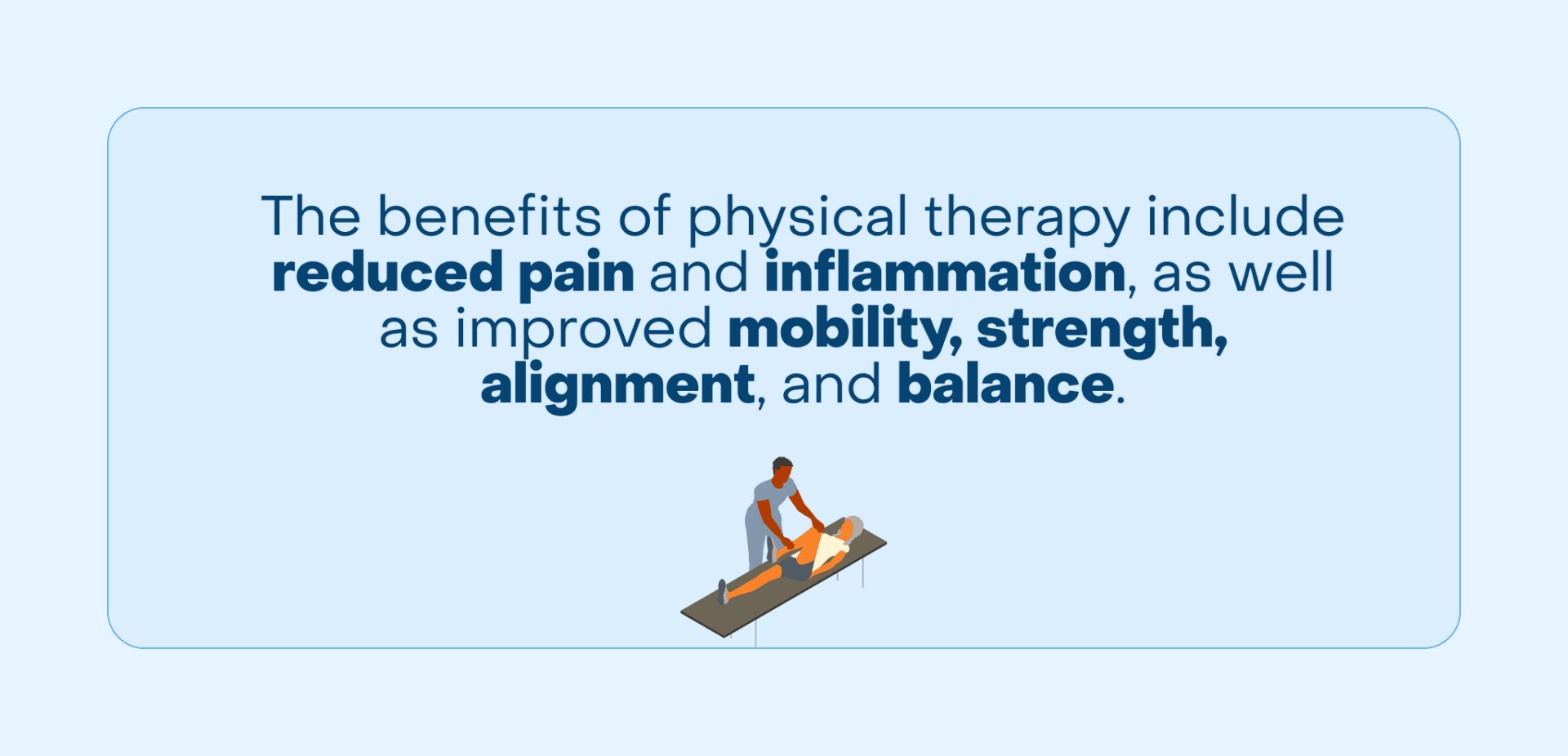
Credit: spinehealth.org
Beyond Illness And Injury
Preventative measures often focus on illness and injury. But health is much more. Embracing a broader perspective ensures a fuller, balanced life. Wellness is a journey, not just a destination.
Physical Health
Exercise boosts more than muscles. It lifts mood and sharpens the mind. Daily activities nurture stamina and heart health. Moving often keeps the body youthful and vibrant.
Mental Well-being
Stress management is essential. Meditation calms the mind and reduces anxiety. Journaling expresses thoughts, freeing mental space. A clear mind supports creativity and joy.
Social Connections
Relationships are vital. Friendships provide support and laughter. Shared experiences strengthen bonds and enrich lives. Being part of a community fosters belonging and happiness.
Environmental Factors
Our surroundings affect us deeply. Clean spaces promote serenity and focus. Nature walks refresh the spirit and invigorate the senses. A tidy home nurtures peace and productivity.
Emotional Balance
Understanding emotions is key. Accepting feelings allows growth and healing. Positive thinking empowers and motivates. Balance leads to resilience and inner strength.
Nutritional Choices
Food is fuel. Balanced meals energize and sustain. Nutrient-rich diets support body and mind. Healthy eating habits enhance vitality and longevity.
Holistic Health Approaches
Holistic health approaches emphasize the importance of overall well-being, not just treating illness or injury. Preventative care can enhance physical and mental health, promoting resilience and balance. Prioritizing wellness may prevent future health issues, offering a proactive path to a healthier life.
Holistic health approaches embrace the idea that preventing illness and injury extends beyond just physical care. They recognize the interconnectedness of the mind, body, and spirit, offering a comprehensive way to maintain well-being. By integrating various aspects of health, you can cultivate resilience and achieve a balanced life.
Mental Health Prevention
Often, people overlook mental health until it’s compromised. However, proactive mental care can significantly reduce stress and enhance your quality of life. Consider activities like meditation or journaling to clear your mind and manage emotions. Regular mental health checks with a professional can also catch issues early. Why wait for a crisis to care for your mental health when you can nurture it daily?
Lifestyle Choices Impact
Your daily choices shape your well-being. Eating nutritious foods, exercising, and getting adequate sleep are vital components of a healthy lifestyle. Even small changes, like swapping sugary drinks for water, make a difference. Social connections also play a crucial role. Engaging with friends and family can boost mood and immunity. What simple lifestyle change could you make today to improve your health tomorrow? These holistic approaches remind us that prevention isn’t just about avoiding sickness; it’s about embracing a lifestyle that promotes overall wellness.
Economic Implications
Preventative measures in healthcare reduce economic burdens linked to illness and injury. Investing in prevention saves long-term costs. It enhances productivity by minimizing downtime and treatment expenses.
Economic implications of illness and injury prevention are profound. They touch on various aspects of society, affecting healthcare costs and workplace productivity. By understanding these implications, individuals and policymakers can make informed decisions.
Healthcare Costs
Preventative measures can reduce healthcare expenses significantly. Treating illnesses and injuries often requires extensive medical intervention. This incurs high costs for individuals and health systems. Prevention minimizes the need for costly treatments and medications. Vaccinations, regular screenings, and health education are effective strategies. They help avoid severe conditions that demand expensive care.
Workplace Productivity
Illness and injury can drastically impact workplace productivity. Sick employees miss work, leading to decreased output. This affects businesses’ profitability. Healthy workers contribute positively to their organizations. They maintain consistent attendance and efficiency. Preventative health measures keep the workforce strong and active. By investing in health initiatives, companies ensure better performance.
Societal Perspectives
Preventative health measures are essential not only for individuals but for society as a whole. Understanding societal perspectives can reshape how we approach health care. From cultural norms to public awareness, these perspectives influence our actions and decisions every day.
Cultural Norms
Cultural norms play a crucial role in shaping our attitudes toward health. In some cultures, preventative care is a routine part of life, while in others, it may be overlooked until a problem arises. You might notice that in societies where regular check-ups are a norm, people generally enjoy better health outcomes.
Reflect on your own community. Are annual health check-ups encouraged, or do people wait until they feel unwell? This mindset can drastically impact how diseases are managed and prevented.
Public Awareness
Public awareness is another vital aspect of preventative care. When communities are well-informed about health risks and preventative measures, they are more likely to take proactive steps. Campaigns and education programs play a significant role in disseminating this crucial information.
Consider the last health campaign you saw. Did it prompt you to take action or consider your own health practices? These initiatives can lead to a healthier society by encouraging individuals to prioritize prevention over treatment.
Role Of Technology
Technology plays a crucial role in preventive healthcare. It offers tools that help monitor health, identify risks early, and provide timely interventions. By integrating technology into daily life, individuals can take proactive steps to maintain their well-being.
Wearable Health Devices
Wearable devices track health metrics like heart rate and activity levels. They provide real-time data, helping users understand their health trends. With alerts and reminders, wearables encourage healthier habits. They bridge the gap between health awareness and action.
Telemedicine Advancements
Telemedicine allows patients to consult doctors from anywhere. It reduces the need for physical visits, saving time and resources. With video calls and digital prescriptions, healthcare becomes more accessible. Telemedicine supports early diagnosis, promoting preventive care.
Policy And Regulation
Preventive measures in healthcare are more than just a personal choice—they’re deeply influenced by policy and regulation. Governments and insurance companies play pivotal roles in shaping these decisions, impacting how we approach health and well-being. As you navigate this landscape, understanding these influences can empower you to make informed choices about your health strategy.
Government Initiatives
Governments worldwide recognize the importance of preventing illness and injury before they occur. By funding research and launching public health campaigns, they aim to reduce healthcare costs and improve quality of life. Think about the last vaccination drive or public health advisory you encountered—these are direct results of such initiatives. How do these efforts affect your day-to-day health practices?
Insurance Coverage
Insurance companies are increasingly covering preventive services, acknowledging their long-term cost-saving benefits. From annual check-ups to screenings, these services often come at little or no out-of-pocket cost to you. Have you checked your policy to see what preventive measures are covered? It might surprise you how accessible these services are, easing the burden of healthcare expenses while promoting proactive health management.
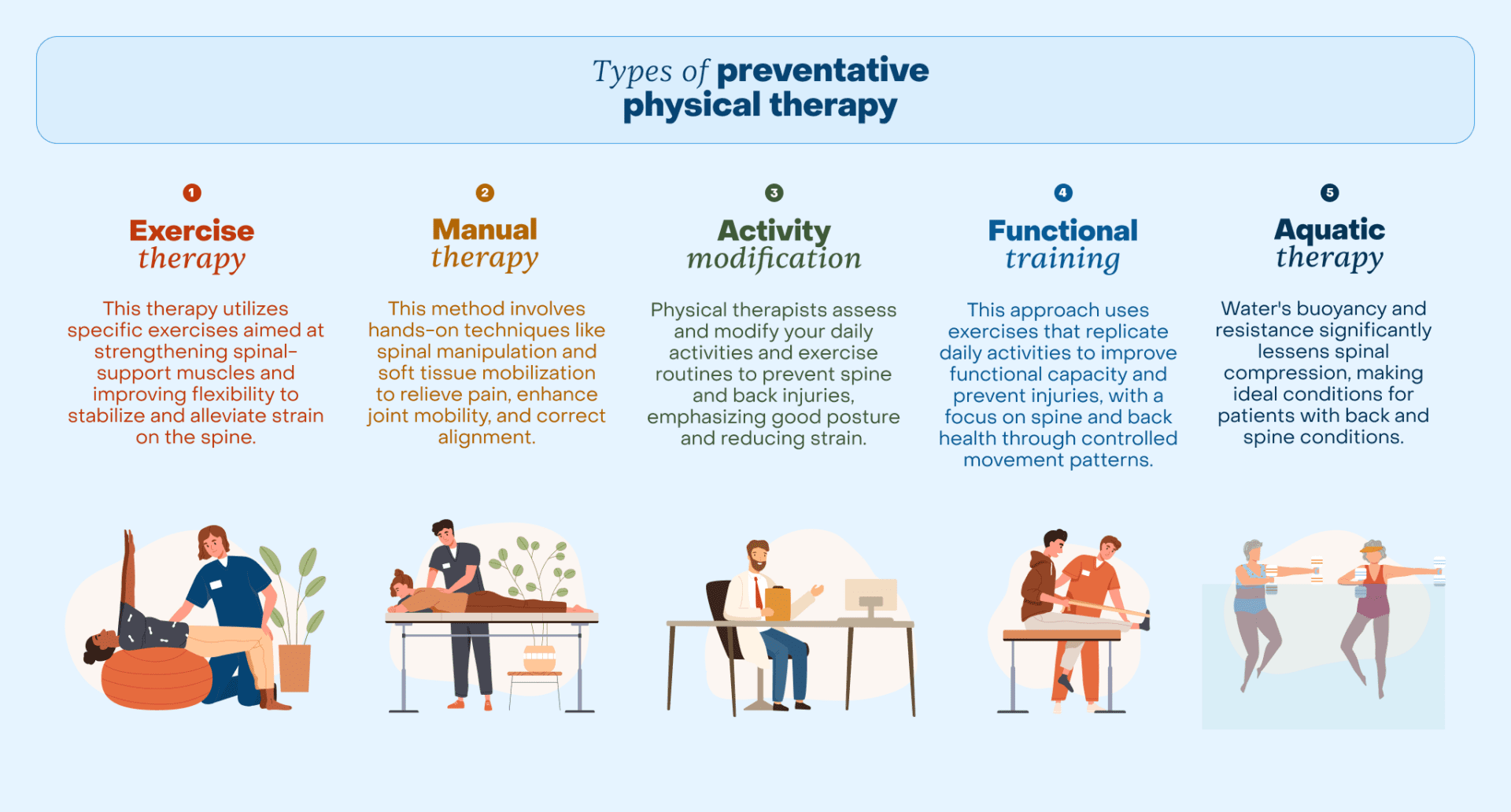
Credit: spinehealth.org
Frequently Asked Questions
Why Is Illness Prevention Important?
Illness prevention is crucial for maintaining health and reducing healthcare costs. It minimizes disease spread, enhancing life quality. Preventative measures strengthen immune systems, increasing resilience against infections. Staying healthy ensures better productivity and longevity. Prioritizing prevention fosters community well-being and reduces medical burdens, contributing to overall societal prosperity.
Why Is It Important To Spend More On Preventive Care Rather Than Merely Treatment Of Illness?
Preventive care helps detect health issues early, reducing treatment costs. It improves quality of life and increases lifespan. Investing in prevention reduces the burden on healthcare systems and minimizes severe health complications. Early intervention encourages healthier lifestyles, leading to long-term savings and improved overall well-being.
Why Is Injury Prevention So Important?
Injury prevention is crucial for maintaining health and avoiding costly medical treatments. It enhances quality of life by reducing pain and disability. Effective prevention strategies minimize risks during physical activities, ensuring safety. Prioritizing injury prevention supports long-term wellness and active lifestyle.
Stay informed and proactive to protect yourself.
What Is The Purpose Of The Injury And Illness Prevention Plan?
The injury and illness prevention plan aims to enhance workplace safety. It identifies hazards, implements control measures, and ensures compliance with safety regulations. This proactive approach reduces accidents, protects employees, and promotes a safer work environment.
Conclusion
Preventative care is key to a healthier life. It saves time and money. Regular check-ups catch problems early. Illness and injury can disrupt your daily routine. Prevention helps you stay active. It keeps you feeling your best. Small steps make a big difference.
Healthier habits lead to fewer doctor visits. Prioritize self-care. Eat well, exercise, and rest. Your body will thank you. Stay informed and proactive. Make health a top priority. Life is better when you’re healthy. Enjoy each day to the fullest.
A little prevention goes a long way. Your future self will appreciate it.
