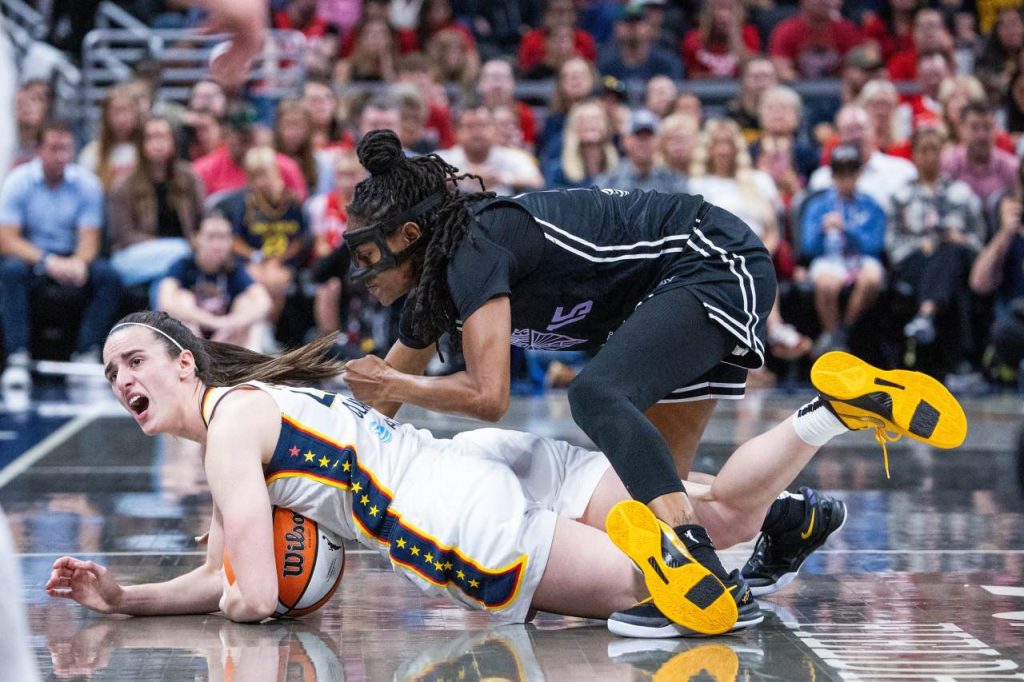
Imagine watching your favorite athlete push their limits, but suddenly, they’re sidelined with a devastating injury. It’s heart-wrenching, isn’t it?
What if we told you that there might be a way to reduce the number of these injuries? Legislation is often seen as a powerful tool for change. But when it comes to preventing injuries in athletics, why wouldn’t it be the magic solution we all hope for?
You might be thinking, “If rules and regulations can shape behavior and improve safety in so many areas, why not in sports too? ” This question is more complex than it seems. As you read on, you’ll uncover surprising insights into why legislative measures might not always be the answer. The truth behind sports injuries and the role of legislation might just change the way you view athletic safety forever. Stay with us as we delve into the unexpected reasons legislation alone might not be the hero we need on the field.

Credit: www.facebook.com
Complexity Of Sports Injuries
Sports injuries are not only common but also multifaceted, making them challenging to prevent through legislation alone. The nature of sports involves dynamic movements, physical contact, and unpredictable scenarios, which contribute to the complexity of injuries athletes face. Legislation can set standards, but it cannot address every variable inherent in sports activities.
Variety Of Causes
Sports injuries stem from a myriad of causes. From overuse injuries like tendinitis to acute trauma such as fractures, each type demands a unique approach for prevention and treatment. Environmental factors, equipment quality, and even psychological stress can all contribute to the risk. Consider how weather conditions can increase the likelihood of slips and falls, or how inadequate gear might lead to sprains. Legislation may set guidelines for equipment standards, yet it cannot regulate the myriad of external conditions athletes encounter.
Individual Differences
Every athlete is unique, with distinct physical attributes and varying levels of fitness and skill. These differences play a significant role in susceptibility to injuries. For instance, two athletes playing the same sport might experience vastly different injury patterns due to differences in strength, flexibility, or technique. Personal training routines and recovery protocols also differ, impacting how well an individual can prevent injuries. Legislation can promote general safety measures, but it cannot cater to the specific needs of each athlete.
Would a one-size-fits-all legislative approach truly be effective in such a diverse field? Consider your own experiences or those of athletes you know. Have standardized rules ever fully addressed your unique challenges? As you ponder these questions, remember that legislation is only one piece of the intricate puzzle of sports injury prevention.
Limitations Of Legislation
Legislation might seem like a straightforward solution to preventing injuries in athletics, but its limitations cannot be overlooked. Despite the noble intention behind such laws, they often falter when applied to the dynamic world of sports. The complexity of enforcing rules, adapting to the ever-evolving sports landscape, and ensuring the effectiveness of legislation are significant hurdles. As you dive into the specifics, you’ll find that legislation alone may not provide the comprehensive safety net athletes require.
Enforcement Challenges
Creating laws is one thing; enforcing them is another. Imagine the chaos if referees had to stop every game to ensure compliance with every regulation. While rules exist, the reality is that enforcement can be inconsistent. Consider the challenge of monitoring every player in a fast-paced football match. Would it be practical or possible to ensure every rule is followed?
Moreover, many sports organizations lack the resources or personnel to enforce regulations effectively. Without proper enforcement, legislation can become little more than words on paper. Enforcement requires cooperation from athletes, coaches, and officials, each with their own agendas and priorities.
Adaptability Issues
Sports are constantly evolving, with new techniques, equipment, and training methods emerging. Legislation often struggles to keep pace with these changes. A rule set in stone today might become obsolete tomorrow. How do you ensure laws stay relevant and effective?
Think about the rapid advancements in sports technology. Protective gear designed a decade ago may not be suitable for today’s high-impact sports. Legislation must be flexible enough to adapt, but this flexibility is seldom built into the legal system.
As you consider the role of legislation in sports, ask yourself: can it evolve as quickly as the sports themselves? Adaptability is crucial, yet often overlooked in the legislative process.
Role Of Professional Judgment
In the world of athletics, professional judgment plays a crucial role in preventing injuries. While legislation might provide a framework for safety, it lacks the nuanced understanding that seasoned professionals bring to the table. Their expertise is rooted in years of experience and personal insights, making it invaluable in identifying potential risks and implementing effective preventive measures.
Coaches’ Expertise
Coaches are on the frontline when it comes to athlete safety. Their familiarity with individual athletes allows them to tailor training regimens that minimize injury risks. A coach might notice subtle changes in an athlete’s performance, indicating fatigue or stress, and adjust their schedule accordingly.
Think about the last time your coach advised you to rest rather than push harder. That decision might have prevented a strain or sprain, highlighting the importance of expert judgment over rigid rules. How often do you rely on your coach’s advice to keep your body in peak condition?
Medical Professionals’ Insights
Medical professionals contribute significantly to injury prevention with their specialized knowledge of the human body. They understand the intricacies of sports injuries and can provide targeted interventions. A sports physician might recommend specific exercises to strengthen vulnerable areas, reducing the risk of recurring injuries.
Imagine consulting a doctor who identifies a potential weak spot in your training routine. Their insight allows you to address issues before they escalate, offering protection that legislation simply cannot match. Have you ever had a medical professional pinpoint a problem you weren’t even aware of?
Technological Advancements
Technological advancements have changed the landscape of athletics. They offer new ways to enhance safety and performance. Though legislation aims to prevent injuries, technology provides tools that legislation alone cannot. Let’s explore how technology contributes through improved equipment and monitoring systems.
Improved Equipment
New materials make sports gear safer and more durable. Helmets now absorb impact better, reducing concussion risks. Shoes designed with better grip help prevent slips and falls. These advancements minimize injury chances without needing legislative action.
Monitoring Systems
Wearable devices track athletes’ health in real-time. Sensors monitor heart rate and detect signs of fatigue or stress. Data collected helps coaches make informed decisions, protecting athletes from overexertion. This proactive approach reduces injuries effectively.
Impact Of Cultural Factors
When discussing injury prevention in athletics, cultural factors are often overlooked. These factors deeply influence both the behavior of athletes and the expectations of sports communities. Understanding how culture shapes sports can provide insights into why legislation alone may not be enough to prevent injuries.
Sports Traditions
Sports traditions are powerful. They shape how games are played and how athletes train. Many sports have long-standing rituals that prioritize winning over safety.
In some communities, the cultural expectation is to ‘play through pain.’ This mindset can be deeply ingrained, leading athletes to ignore injuries until they become severe.
Think about your local sports team. How often is toughness celebrated over caution? These traditions can create a challenging environment for enforcing safety-focused legislation.
Athlete Mindset
The mindset of athletes is often influenced by cultural expectations. Many athletes feel pressured to push their limits, sometimes to dangerous extents.
Consider how athletes might react to new safety rules. Would they view them as necessary precautions or as obstacles to their performance?
Personal experience plays a role here. Have you ever pushed yourself too hard because it was expected? Understanding this mindset is crucial in developing effective injury prevention strategies.
So, how can we shift these cultural norms to prioritize safety without stifling the competitive spirit? Addressing these cultural factors may be the key to making legislation truly effective in reducing injuries in sports.
Credit: www.nbcnews.com
Alternative Solutions
Legislation alone might not be enough to prevent injuries in athletics. While rules and regulations can provide a framework, alternative solutions are essential. These solutions can complement legislation and offer a more holistic approach to athlete safety.
Education And Awareness
Educating athletes about injury prevention is crucial. Workshops can teach proper techniques and safety measures. Awareness campaigns can highlight the risks and how to avoid them. Athletes equipped with knowledge are less likely to get injured.
Collaborative Efforts
Teams, coaches, and health professionals should work together. Collaboration can lead to better safety protocols and tailored training programs. Sharing expertise can enhance injury prevention strategies. A united approach ensures comprehensive protection for athletes.
Credit: www.semafor.com
Frequently Asked Questions
What Preventative Measures Can Be Done In Athletics To Prevent Legal Concerns?
Implement clear policies and regular training on ethics and compliance. Ensure proper documentation and contracts. Promote transparency and open communication. Regularly review and update legal guidelines. Encourage reporting and addressing concerns promptly.
What Are The Difficulties In Determining Legal Standards Of Care For Atc Dealing With Athletes With Concussions?
Determining legal standards of care for ATCs dealing with concussions is challenging due to evolving medical guidelines, varied state laws, and individual case complexities. Balancing athlete safety and performance pressures adds difficulty. Consistent education and staying updated on best practices are crucial for ATCs managing concussions.
What Federal Legislation Prohibits Discrimination In Athletics?
Title IX of the Education Amendments of 1972 prohibits discrimination based on sex in federally funded athletics. This legislation ensures equal opportunities and treatment for all athletes, regardless of gender, in educational institutions receiving federal assistance.
How Can Athletic Injuries Be Prevented?
Warm up before activities to prevent athletic injuries. Use proper techniques and wear appropriate gear. Stay hydrated and maintain flexibility through stretching exercises. Gradually increase training intensity and take rest days to allow recovery. Regular check-ups can identify potential issues early and prevent injuries.
Conclusion
Legislation alone might not prevent athletic injuries effectively. Laws can’t replace proper training. Coaches and athletes need awareness and education. Safety measures should be practical and widely applied. Rules can help but aren’t the only solution. A combined effort is crucial.
Collaboration among athletes, coaches, and lawmakers fosters safety. Injuries might reduce with shared responsibility. Focus on prevention strategies. Supportive environments encourage safer practices. Everyone plays a role in reducing risks. Together, we can protect athletes better. Safety requires commitment from all involved.
