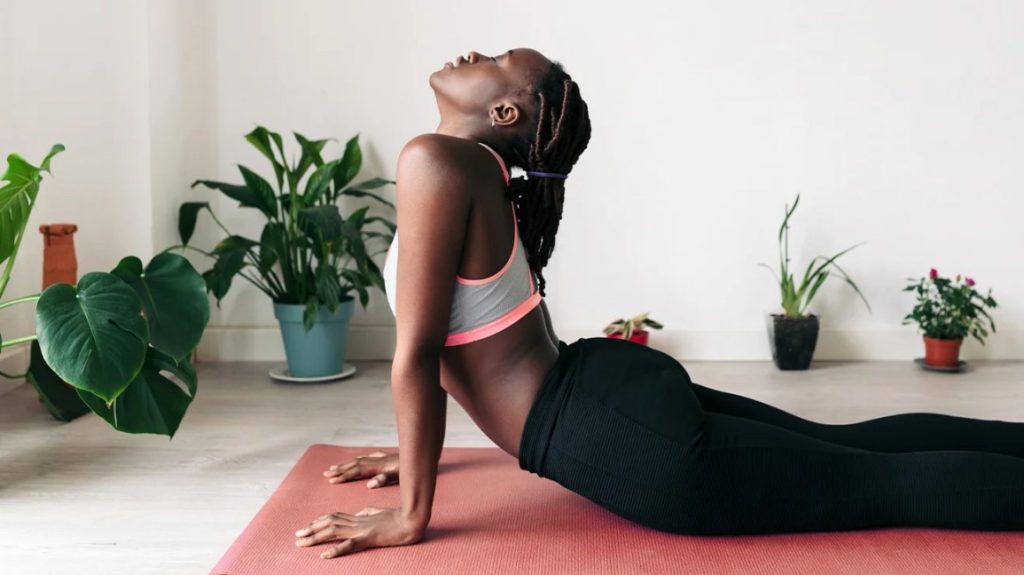
Have you ever wished you could touch your toes or perform a deep stretch without wincing in discomfort? Imagine feeling lighter, moving with ease, and having your body respond gracefully to your commands.
Yoga might just be the secret weapon you’ve been searching for to enhance your muscle flexibility. When you incorporate yoga into your routine, you unlock a host of benefits that go beyond just stretching. It’s not just about bending and twisting; it’s about transforming your body’s potential.
Discover how yoga can be a game-changer in boosting your flexibility and why it’s the perfect fit for you. Read on to find out how you can start seeing and feeling the difference with just a few simple poses.
Benefits Of Yoga For Flexibility
Yoga gently stretches muscles, enhancing flexibility and range of motion. Regular practice loosens tight muscles, reducing stiffness. This improves posture and balance, making everyday movements easier.
Yoga is more than just a workout routine; it’s a journey to a more flexible you. By engaging in yoga, you can unlock a wealth of flexibility benefits that can transform your physical health. Whether you are a beginner or a seasoned practitioner, the flexibility gained through yoga can enhance your overall well-being and quality of life.
Enhanced Range Of Motion
Imagine being able to reach for something on a high shelf without straining. Yoga helps you achieve that by enhancing your range of motion. Through a variety of poses, yoga gently stretches your muscles and tissues, allowing them to move more freely. Consistency is key here. Regular practice can lead to noticeable improvements in how far you can stretch and bend. This increased range can help you perform daily activities with ease and reduce the risk of injuries.
Reduced Muscle Stiffness
Do you ever feel stiff after sitting for too long? Yoga can be your solution. By practicing yoga, you actively work on reducing muscle stiffness. The flowing movements and sustained poses help to release tension trapped in your muscles. I used to experience tightness in my shoulders from long hours at my desk. After incorporating yoga into my routine, I noticed a significant reduction in stiffness. My shoulders felt lighter, and I could work more comfortably. Consider adding yoga to your daily routine. It not only aids flexibility but also promotes relaxation. Have you tried a yoga pose that left you feeling more flexible? Share your experience!

Credit: www.health.harvard.edu
Key Yoga Poses For Flexibility
Yoga is an incredible practice that can transform your body’s flexibility. You might have heard stories of people who started yoga with stiff muscles and ended up feeling like they could move like a dancer. Let’s dive into some key yoga poses that can help you achieve this flexibility. Each pose targets different areas of the body, helping you stretch and strengthen muscles you never knew existed. Are you ready to add these poses to your routine?
Forward Bend
Forward Bend is a simple yet effective pose that targets your hamstrings and lower back. It’s perfect for those of you who spend long hours sitting, as it releases tension in the spine. Stand with your feet hip-width apart and gently fold forward, allowing your hands to reach the ground or your shins. Feel the stretch in your hamstrings and breathe deeply. This pose can be a bit challenging at first, but with consistent practice, you’ll notice your flexibility improving.
Downward Dog
Downward Dog is often seen as a staple in yoga routines, and for good reason. It stretches the entire back body, including the shoulders, hamstrings, and calves. Start in a plank position, then lift your hips to form an inverted V shape. Press your heels towards the floor, keeping your head between your arms. This pose not only increases flexibility but also builds strength. Have you tried holding it for longer than a minute? Feel the burn and the stretch simultaneously!
Pigeon Pose
Pigeon Pose is a fantastic stretch for your hip flexors and glutes. If you’re someone who often experiences tight hips, this pose is a must-try. Start in a downward dog position, then bring one knee forward and rotate it outward, extending the opposite leg straight back. Lower your torso over the bent leg for a deeper stretch. This pose invites you to sink into your body and release tension. You might find unexpected emotions surfacing as you relax deeper into the pose—embrace them.
These poses can be integrated into your daily routine, offering not just physical benefits but also a sense of calm. As you practice, ask yourself: How does your body feel today compared to yesterday? Notice the small changes and celebrate them. Remember, flexibility is a journey, not a destination.
Breathing Techniques And Flexibility
Yoga is well-known for its ability to enhance muscle flexibility. One key aspect is the use of breathing techniques. Proper breath control can help muscles relax. This leads to increased flexibility over time. Understanding how breath influences muscle tension is vital.
Importance Of Breath Control
Breath control is a fundamental part of yoga. It directly impacts muscle tension. Controlled breathing sends oxygen to the muscles. This helps them relax and stretch. Breath control also aids concentration during practice. It creates a deeper connection with your body. This enhances the flexibility benefits of yoga.
Breathing Exercises For Muscle Relaxation
Certain breathing exercises target muscle relaxation. Deep belly breathing is one example. It involves inhaling deeply through the nose. Your belly expands, filling with air. Then slowly exhale through the mouth. This calms the mind and relaxes muscles. Another technique is alternate nostril breathing. It balances the body’s energy and reduces muscle tension. These exercises are simple but effective. They improve flexibility with regular practice.
Credit: health.clevelandclinic.org
Role Of Consistency In Yoga Practice
Consistent yoga practice enhances muscle flexibility through regular stretching and poses. This routine increases joint mobility over time. Improved flexibility reduces injury risk and supports overall well-being.
Consistency is a powerful tool in yoga practice, especially when it comes to improving muscle flexibility. Just like learning a new language, your muscles need regular practice to adapt and stretch. Skipping sessions can slow your progress, but a consistent routine can bring noticeable changes over time. When you stick to a schedule, your body becomes more familiar with the movements, easing tension and increasing your range of motion. How often do you find yourself committing fully to a new habit?
Daily Routine Benefits
Integrating yoga into your daily routine offers immense benefits. Even a short session each day can gradually loosen tight muscles and improve your flexibility. You don’t need to spend hours on the mat; just 10-15 minutes daily can make a significant difference. By practicing daily, your body starts to crave the stretch, releasing stress and improving overall well-being. Consider incorporating yoga poses like the downward dog or the cat-cow stretch into your morning routine. These simple poses can start your day with a burst of energy and flexibility.
Tracking Progress
Tracking your progress is a great way to stay motivated and see how far you’ve come. Keep a journal or use a yoga app to note your starting flexibility levels and any improvements. Recording how you feel after each session can also highlight areas that need more attention. Set realistic goals and celebrate small victories along the way. Perhaps you couldn’t touch your toes when you started, but after a month, you notice you’re closer than ever. These milestones remind you that consistency is paying off. Are you ready to see your flexibility improve with each passing day?
Incorporating Yoga Into Fitness Regimen
Yoga enhances muscle flexibility through gentle stretching and mindful breathing. It aids in loosening tight muscles, reducing injury risk, and improving overall mobility. Regular practice integrates fluid movements with focused breathing, promoting flexibility and balance in your fitness regimen.
Incorporating yoga into your fitness regimen can be a game-changer. Whether you’re a seasoned athlete or a fitness newbie, adding yoga to your routine can enhance muscle flexibility, boost your overall well-being, and prevent injuries. You might be surprised at how yoga complements other exercises and helps you achieve a balanced workout plan.
Combining Yoga With Other Exercises
Pairing yoga with other exercises can create a dynamic fitness routine. Imagine doing strength training and then following it with a gentle yoga session. This combination not only stretches your muscles but also reduces the risk of injuries by improving flexibility. If you enjoy cardio workouts like running or cycling, consider adding yoga to your schedule. A simple yoga routine can enhance your performance by loosening tight muscles and increasing your range of motion. Have you ever felt stiff after a long run? Yoga can be the perfect solution to ease that tension.
Creating A Balanced Workout Plan
A balanced workout plan isn’t just about mixing different exercises—it’s about ensuring each type contributes to your overall fitness. Including yoga in your regimen can offer a holistic approach, where strength, endurance, and flexibility are all nurtured. Start by assessing your current routine. Do you have days focused solely on strength or cardio? Try incorporating yoga on those days to balance your regimen. For instance, if Monday is for weightlifting, add a 20-minute yoga session afterward for stretching and relaxation. Yoga can also play a crucial role in active recovery. On rest days, a gentle yoga flow can keep your muscles engaged without overexertion. This helps maintain flexibility and prepares your body for more intense workouts later in the week. If you’re ready to enhance your fitness routine, consider how yoga can fit into your schedule. Are you making the most of your workouts by adding this powerful practice?
Scientific Insights On Yoga And Flexibility
Yoga enhances muscle flexibility through gentle stretching and controlled breathing. Regular practice increases range of motion. It helps muscles become more elastic. These movements reduce stiffness and improve joint health.
Yoga has long been celebrated for its ability to enhance muscle flexibility. But what does science say about this? Understanding the scientific insights behind yoga and flexibility can offer you a deeper appreciation of how each pose contributes to your body’s wellness. Whether you’re a seasoned yogi or a beginner, knowing the science can help you optimize your practice for better flexibility.
Research Findings
Studies have shown that regular yoga practice can significantly improve muscle flexibility. Researchers have found that stretching during yoga increases the length of muscle fibers, leading to greater elasticity. A 12-week study involving participants practicing yoga showed a marked improvement in flexibility, especially in the hamstrings and lower back. This proves that consistent practice can lead to tangible results in a relatively short period. Have you noticed how your body feels after a yoga session? Your muscles may feel more relaxed and your movements smoother. Science confirms this sensation is due to the physiological changes happening within your muscles during yoga.
Expert Opinions
Experts agree that yoga is one of the most effective ways to increase flexibility. According to Dr. Smith, a renowned physiotherapist, yoga poses target both major and minor muscle groups, which is essential for comprehensive flexibility improvement. Yoga teachers often emphasize the importance of breathing and mindfulness in each pose. This focus not only enhances physical flexibility but also calms your mind, making you more aware of your body’s limits and potentials. Yoga experts suggest starting with poses like the Downward Dog or Cat-Cow, which are known to gently stretch and lengthen muscles. Have you tried incorporating these into your daily routine? They can be a great start for improving flexibility. What do you think about flexibility beyond physical movement? Could it also mean being adaptable in life? Yoga teaches us to be flexible both physically and mentally, helping us cope with life’s challenges more gracefully. Yoga is more than just physical exercise—it’s a journey toward understanding your body and enhancing its capabilities. As you delve into the science behind it, consider how you can apply these insights to your practice.
Common Mistakes To Avoid
Yoga can enhance muscle flexibility by gently stretching muscles and improving their elasticity. Practicing regularly prevents stiffness and helps maintain a full range of motion. Focus on proper techniques to avoid common mistakes and maximize benefits.
Yoga is an excellent way to enhance muscle flexibility, but it’s crucial to practice it correctly to reap the benefits and prevent injuries. Many people, especially beginners, make common mistakes that can hinder progress or cause harm. Knowing what to avoid can make your practice more effective and enjoyable.
Overstretching Risks
Overstretching can lead to injuries that sideline your yoga journey. It might be tempting to push yourself to achieve deeper poses, but this can strain your muscles. Your body has limits, and respecting them is key. I learned this the hard way after trying to reach a full split within a few weeks. Instead of progress, I ended up with a strained muscle that took months to heal. Listen to your body. If you feel sharp pain or discomfort, ease back. Flexibility improves gradually, not overnight. Consider how you’d feel if a minor strain escalated into a major injury. Would it be worth it? The goal is sustainable improvement, not quick fixes.
Ignoring Proper Alignment
Alignment is often overlooked, yet it’s crucial for safe practice. Incorrect alignment can lead to poor posture and muscle imbalances. I once practiced downward dog with my hands misaligned, leading to wrist pain. Correcting my hand placement made a significant difference. Focus on small adjustments. Are your shoulders relaxed? Is your spine straight? These checks prevent discomfort and enhance flexibility. Ask yourself: Are you prioritizing depth over alignment? If so, shift your focus. Proper alignment ensures you’re stretching the right muscles effectively. Why not check your alignment in the mirror or ask an instructor for feedback? These simple steps could revolutionize your practice. Avoid these pitfalls, and you’ll not only improve flexibility but also enrich your yoga experience.

Credit: www.healthline.com
Frequently Asked Questions
How Does Practicing Yoga Help Improve Flexibility?
Practicing yoga enhances flexibility by stretching muscles and improving range of motion. Regular practice reduces stiffness and increases mobility. Breathing exercises in yoga help relax muscles and improve circulation. Consistent yoga leads to better posture and balance, contributing to overall physical flexibility.
How Does Yoga Influence Muscular Strength And Flexibility?
Yoga enhances muscular strength by engaging various muscle groups through poses. It boosts flexibility with stretches that lengthen muscles. Regular practice improves balance, posture, and joint health, making muscles more resilient. Yoga’s varied movements promote both strength and flexibility, contributing to overall physical wellness.
How Does Yoga Strengthen Your Muscles?
Yoga strengthens muscles by promoting flexibility and stability through various poses. It targets specific muscle groups, enhancing endurance. Regular practice improves muscle tone and increases strength naturally. Controlled movements engage core and peripheral muscles, fostering balanced growth. Yoga boosts circulation and oxygen flow, vital for muscle repair and development.
How Does Yoga Improve Joint Flexibility?
Yoga enhances joint flexibility by stretching and strengthening muscles. It increases blood flow to joints, reducing stiffness. Regular practice improves range of motion and reduces the risk of injury. Poses like downward dog and warrior stretch connective tissues, enhancing mobility.
Yoga promotes better posture, contributing to overall joint health.
Conclusion
Yoga offers a gentle way to enhance muscle flexibility. Through consistent practice, muscles stretch and become more limber. This helps in preventing injuries and reducing stiffness. Better flexibility also improves posture and balance. Many find yoga relaxing and beneficial for mental health too.
It combines physical and mental benefits seamlessly. Remember, every session contributes to your overall well-being. So, embrace yoga and enjoy the flexibility gains. Your body will thank you for it. Start today and feel the difference it makes. Small steps lead to big improvements over time.
Keep practicing and stay flexible.
