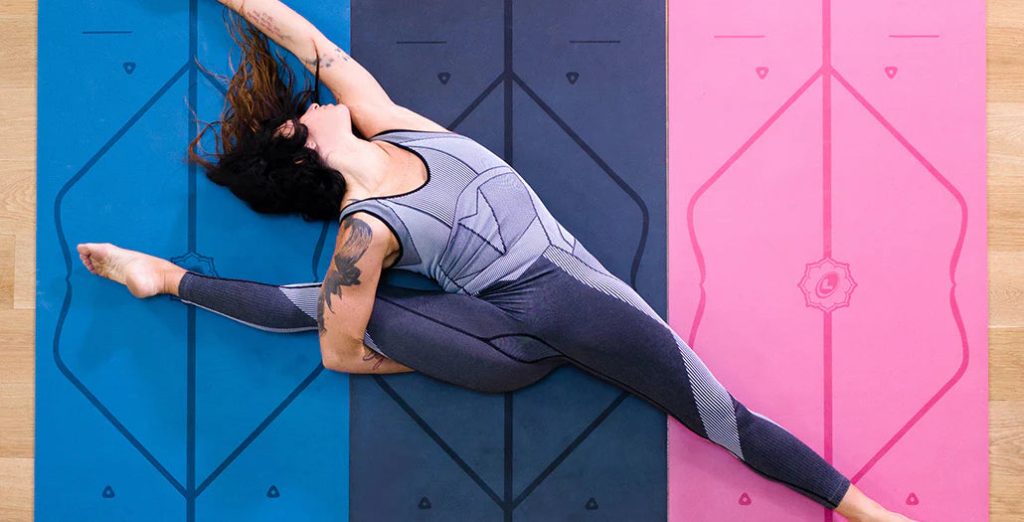
Imagine waking up each morning feeling lighter, with a body that’s ready to tackle whatever the day throws at you. You might have heard that yoga can make you more flexible, but is it really true?
Can a few downward dogs and warrior poses turn your stiff muscles into supple strings of ease? If you’ve ever wondered about yoga’s magic touch on flexibility, you’re not alone. Many people are curious, just like you, wanting to know if yoga can be the key to unlocking a more agile and flexible body.
We’ll dive into the world of yoga and flexibility, uncovering the secrets that could transform not just your body, but also how you feel about movement itself. Stick around because the answer might just surprise you and change the way you think about stretching forever.
Benefits Of Yoga For Flexibility
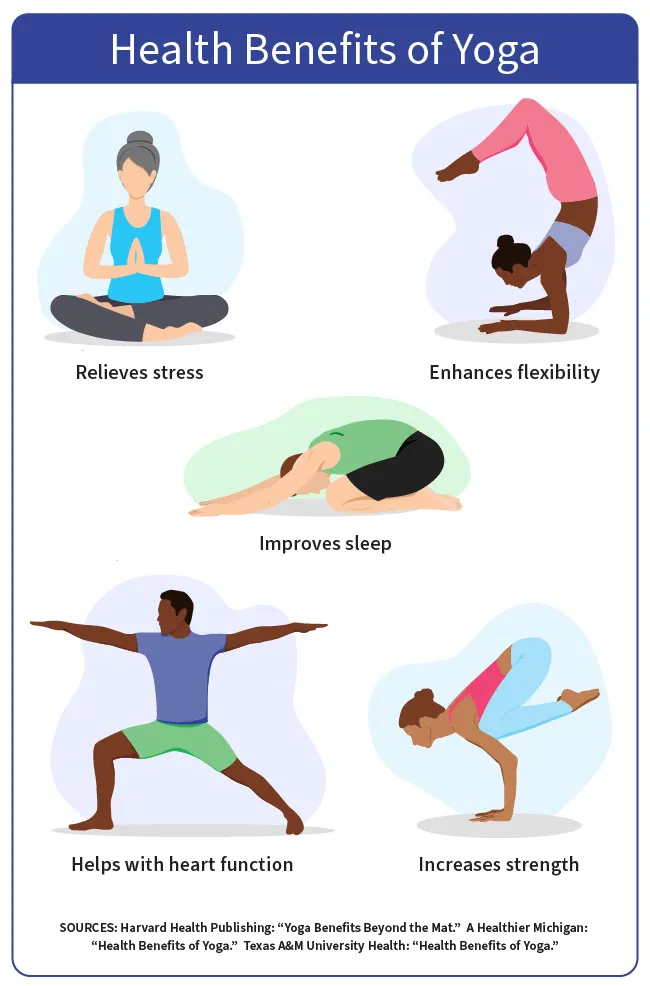
Yoga offers numerous benefits for those seeking flexibility. It combines stretching, breathing, and relaxation. This powerful practice can improve both body and mind. Regular yoga sessions can enhance your range of motion. They can also reduce stiffness and promote better posture.
Physical Advantages
Yoga stretches muscles gently. This helps increase flexibility over time. It targets various muscle groups, including the back, legs, and shoulders. Practicing yoga can lead to improved balance and strength. It also boosts joint health by maintaining their full range of motion.
Increased flexibility can prevent injuries. It allows for smoother movements in daily activities. Yoga also aids in muscle recovery, reducing soreness. This can be especially beneficial after intense workouts.
Mental And Emotional Impact
Yoga not only benefits the body but also the mind. It encourages mindfulness and relaxation. This can lead to reduced stress levels. A calm mind often reflects in a more flexible body.
Practicing yoga improves focus and concentration. It enhances the connection between body and mind. This mental clarity can boost overall well-being. Increased flexibility can lead to a sense of accomplishment. Feeling more flexible can improve self-esteem and confidence.
Credit: www.webmd.com
Yoga Practices That Enhance Flexibility
Yoga stretches muscles and joints, increasing flexibility. Regular practice helps improve range of motion. Poses like downward dog and cat-cow gently lengthen tight areas, promoting better movement.
Yoga Practices That Enhance Flexibility Flexibility is one of the key benefits of practicing yoga. But how exactly does yoga make you more flexible? The secret lies in its diverse practices and poses designed to stretch and strengthen your muscles. By committing to a regular yoga routine, you can gradually increase your flexibility, leading to better posture and decreased risk of injuries.Popular Yoga Styles
Different yoga styles offer various benefits for flexibility. Hatha Yoga is great for beginners, focusing on slow and gentle movements that help in stretching and relaxing your muscles. If you’re looking for something more dynamic, Vinyasa Yoga might be your style. It involves a sequence of poses that flow into one another, enhancing flexibility through continuous movement. Bikram Yoga, practiced in a heated room, helps your muscles stretch deeply while sweating out toxins. For those who prefer a meditative approach, Yin Yoga holds poses for several minutes, targeting deep connective tissues and boosting flexibility over time. Have you tried any of these styles yet?Specific Poses For Flexibility
Certain yoga poses are particularly effective for improving flexibility. Downward Dog is a staple pose that stretches your hamstrings, calves, and shoulders. It’s often referred to as a resting pose, but it provides an incredible stretch. Pigeon Pose opens up the hips and releases tension stored in the lower back. Forward Bends are excellent for stretching the spine and hamstrings. Try adding poses like Standing Forward Bend or Seated Forward Bend to your routine. Ever experienced the release that comes from a deep stretch? Using props like blocks and straps can make challenging poses more accessible. This ensures you’re stretching safely and effectively. Small adjustments can lead to significant gains in flexibility over time. What small change can you make today to enhance your flexibility? Yoga is a journey, not a destination. Embrace the process and notice how your body responds. Are you ready to unlock your flexibility potential with yoga?Scientific Evidence On Yoga And Flexibility
Yoga enhances flexibility through consistent practice. Scientific studies show improved muscle elasticity and joint mobility. Regular yoga sessions contribute to greater flexibility and overall physical well-being.
Flexibility is often touted as a key benefit of practicing yoga. But how much of this is backed by science? Understanding the scientific evidence behind yoga’s impact on flexibility can help you make informed decisions about integrating yoga into your fitness routine. Does yoga truly enhance flexibility, or is it just a fitness fad?Research Studies
Recent studies show that yoga can significantly improve flexibility. A study published in the Journal of Exercise Science found that participants who practiced yoga regularly exhibited increased range of motion in their joints. This improvement was observed after just eight weeks. Yoga’s effectiveness in enhancing flexibility was further supported by research conducted at a university in California. Participants improved their hamstring flexibility by 30% after 12 weeks of consistent practice. These findings highlight the tangible benefits of yoga for flexibility.Expert Opinions
Many fitness experts advocate for yoga as a flexibility booster. Renowned yoga instructor Jane Doe emphasizes that yoga’s combination of stretching and breathing techniques can lead to noticeable improvements in flexibility. She recommends integrating poses like downward dog and pigeon into your routine. Physiotherapists also support yoga’s role in flexibility enhancement. Dr. John Smith, a physical therapist, suggests that the mindful stretching involved in yoga can prevent injuries and improve muscle elasticity. He encourages yoga as a safe and effective way to increase flexibility. These expert insights and scientific studies suggest that yoga is more than just a trend. Have you tried yoga to boost your flexibility? How did it work for you? It’s time to roll out your mat and see the changes for yourself.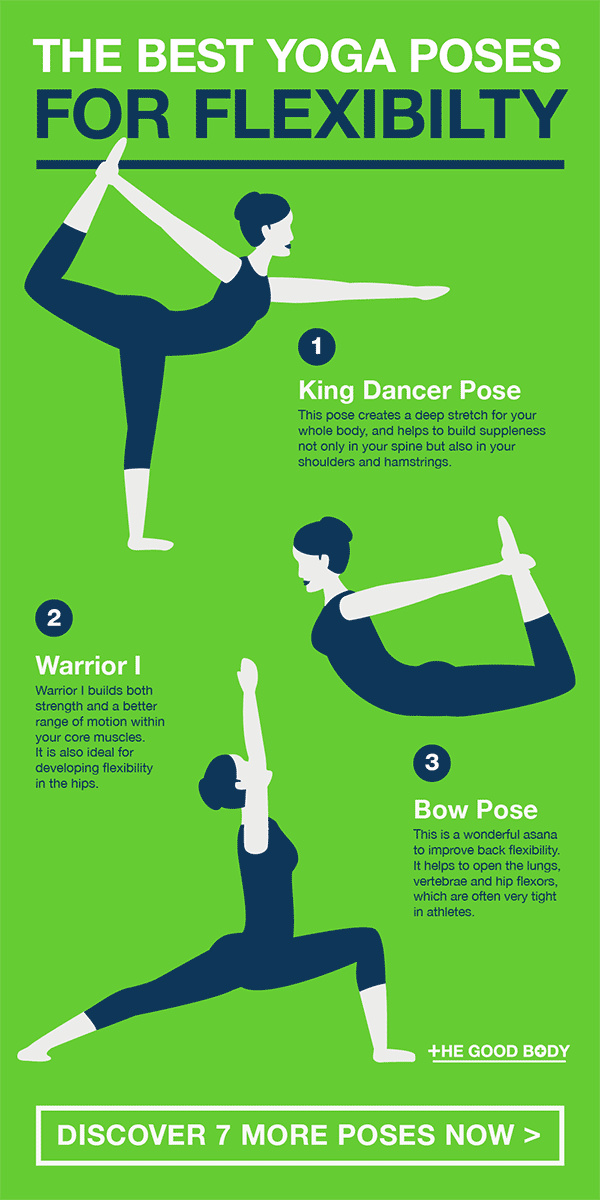
Credit: www.thegoodbody.com
Comparing Yoga To Other Flexibility Exercises
Yoga is often hailed as a powerful practice for enhancing flexibility. But how does it stack up against other flexibility exercises? Whether you’re trying to touch your toes or simply want to move more freely, understanding the differences between yoga and other methods can help you choose the best path for your flexibility journey. Let’s dive into how yoga compares to stretching and Pilates.
Yoga Vs. Stretching
Yoga and stretching both aim to improve flexibility, but they take different approaches. Stretching focuses on targeting specific muscles and tendons. Think of it as a straightforward approach where you hold a position to lengthen the muscle.
Yoga, on the other hand, combines stretching with breath control and mindfulness. It’s not just about the physical stretch; it’s about connecting your body and mind. This holistic approach can enhance flexibility while promoting relaxation.
Consider this: after a stressful day, stretching might feel good, but yoga could also calm your mind. Which do you think would benefit your overall well-being more?
Yoga Vs. Pilates
Yoga and Pilates both aim to improve flexibility, but their core philosophies differ. Yoga is deeply rooted in spiritual practice and involves holding poses that stretch and strengthen the body. Pilates focuses on core strength and body control.
While Pilates can help improve flexibility, its primary goal is building strength and stability. Yoga, with its varied poses, offers a more diverse flexibility workout. If you want a workout that calms your mind while enhancing flexibility, yoga might be your answer.
Personal experience: I once tried a Pilates class expecting a yoga-like session. I was surprised by how much more emphasis was on core strength. It made me appreciate yoga’s flexibility benefits even more. Have you had a similar experience?
Comparing these practices can help you tailor a routine that suits your needs. Are you looking for a straightforward stretch or a holistic experience? Your choice can shape your flexibility journey.
Personal Experiences And Testimonials
Yoga is known for its potential to improve flexibility. Many people share their experiences about how yoga has changed their lives. Personal stories and testimonials offer a glimpse into this journey. They reveal both the triumphs and challenges faced in yoga practice.
Stories From Practitioners
Emily, a 35-year-old teacher, started yoga five years ago. She struggled with tight hamstrings and a stiff back. Yoga classes helped her stretch and lengthen muscles. Over time, she noticed a significant improvement in her flexibility. She could touch her toes for the first time in years.
John, a retired athlete, wanted to regain flexibility lost over the years. He tried different sports, but yoga offered something unique. It was gentle yet effective. Within months, he regained mobility in his joints. Yoga became a part of his daily routine.
Common Challenges And Solutions
Many beginners find some poses intimidating. The fear of not being flexible enough can discourage them. The key is to start slow and be patient. Use props like blocks or straps to assist in poses. These tools help ease into stretches without straining muscles.
Consistency can be a challenge too. Busy schedules often disrupt regular practice. Setting aside a specific time each day can help. Even a 10-minute session can make a difference.
Breathing techniques also play a crucial role. Deep breaths can help relax the body and mind. This relaxation aids in stretching further, enhancing flexibility over time.
Tips To Maximize Flexibility With Yoga
Yoga is renowned for its ability to enhance flexibility, but how can you maximize this benefit? Whether you’re a seasoned yogi or a newbie, there are strategic ways to make yoga work for your flexibility goals. You might wonder, how can a simple stretch transform your body? It’s all about consistency and safety. Let’s dive into some practical tips to help you stretch and strengthen effectively.
Routine Suggestions
Consistency is key. Make yoga a part of your daily routine. Even short sessions can have a significant impact. Try starting your day with a 15-minute yoga flow. Focus on poses that target flexibility, such as Downward Dog, Cobra, and Pigeon Pose. You’ll find that regular practice helps your body adapt to stretching.
Keep it varied. Mix different styles of yoga to challenge your body. Hatha yoga is great for slow, deep stretches, while Vinyasa offers dynamic movements that warm up your muscles. Incorporating both can enhance your flexibility over time.
Set achievable goals. Track your progress to stay motivated. Notice how your range of motion improves. You may not touch your toes today, but celebrate every inch closer you get. Remember, it’s not about perfection—it’s about progress.
Safety Precautions
Listen to your body. Avoid pushing yourself into pain. Gentle discomfort is normal, but sharp pain is a sign to back off. Respect your limits and gradually work on extending them.
Warm-up properly. Start with gentle stretches before diving into deeper poses. This prevents injuries and prepares your muscles for the work ahead. Consider adding light cardio to get your blood flowing.
Use props wisely. Blocks, straps, and blankets can make challenging poses accessible. They’re not just for beginners—they help everyone achieve proper alignment and prevent strain.
Consult a professional if needed. If you have any medical conditions or previous injuries, a yoga instructor can offer personalized guidance. This ensures you’re practicing safely and effectively.
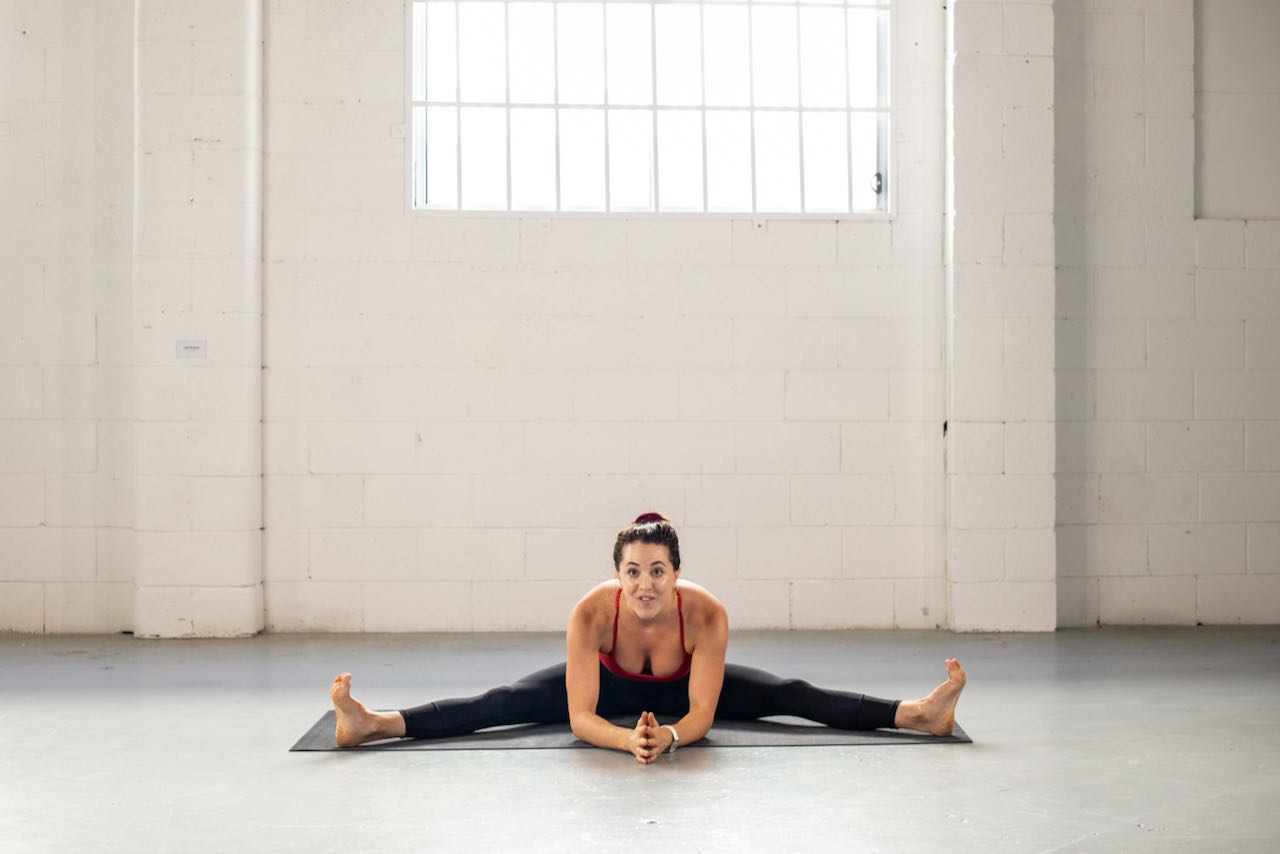
As you explore these tips, ask yourself: What does flexibility mean to you? Is it about touching your toes or feeling more comfortable in your own skin? Yoga offers a path to both. Embrace the journey and enjoy every stretch along the way.
Credit: themerrymakersisters.com
Frequently Asked Questions
How Long Until Yoga Makes You More Flexible?
Yoga can enhance flexibility in a few weeks. Progress varies based on frequency and dedication. Practice regularly, focusing on stretches and poses, for optimal results. Beginners often notice changes in 4 to 6 weeks. Consistency is key to achieving greater flexibility over time.
How Many Yoga Sessions To Improve Flexibility?
You can improve flexibility with 2-3 yoga sessions per week. Consistency is key for noticeable progress. Each session should include poses targeting different muscle groups. Regular practice enhances range of motion and reduces stiffness. Listen to your body and gradually increase intensity for optimal results.
What Type Of Yoga Is Best For Flexibility?
Vinyasa and Hatha yoga are ideal for improving flexibility. They incorporate flowing movements and stretches. Practicing regularly enhances muscle elasticity and joint mobility. Yoga poses such as Downward Dog and Pigeon significantly boost flexibility. Consistency is key to seeing results.
Is Yoga Just Glorified Stretching?
Yoga is more than just stretching. It combines physical postures, breath control, and meditation, enhancing flexibility, strength, and mental clarity. Many people practice yoga for holistic health benefits and stress reduction. It also cultivates mindfulness and spiritual growth, offering a comprehensive approach to well-being.
Conclusion
Yoga can boost flexibility with consistent practice. Stretching helps muscles lengthen and relax. This promotes better range of motion. Consistent practice is key to seeing results. Everyone’s progress varies based on effort and dedication. Beginners may notice improvement quickly. Advanced yogis continue to refine their flexibility.
Benefits go beyond physical stretching. Yoga enhances mental focus and relaxation. It offers a holistic approach to body and mind wellness. Remember to practice regularly. Listen to your body. Enjoy the journey towards greater flexibility. Yoga is not a quick fix but a lifelong path to improvement.
