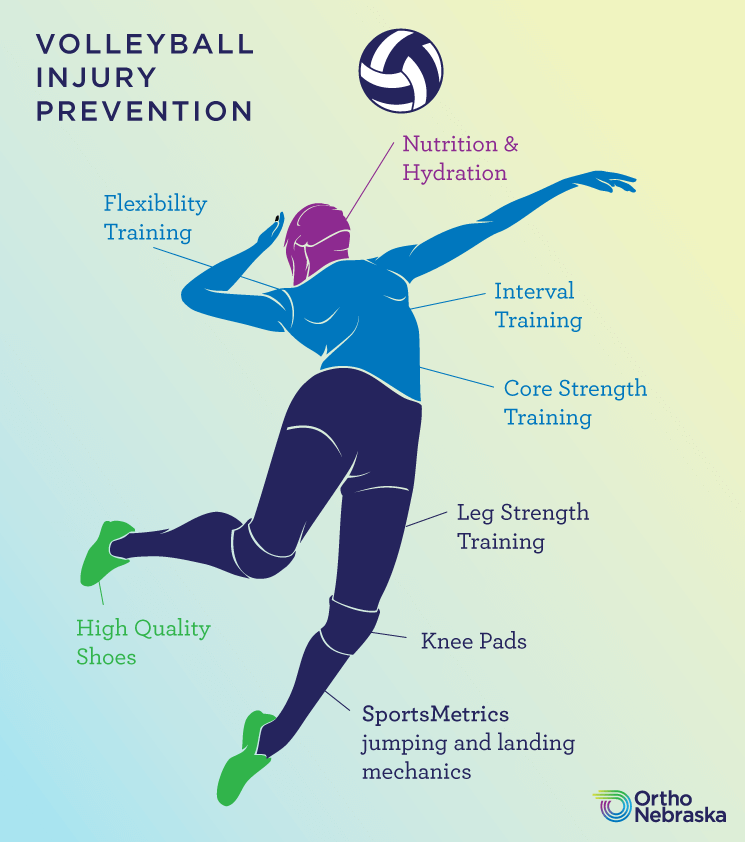
Are you passionate about volleyball but worried about potential ACL injuries? You’re not alone.
Many volleyball players, whether beginners or seasoned athletes, face the fear of this all-too-common injury. But what if you could step onto the court with confidence, knowing you’ve taken steps to protect your knees? Imagine playing your best game without the looming threat of an ACL tear.
You’ll discover practical strategies and expert tips to strengthen your body, enhance your performance, and significantly reduce the risk of injury. Let’s dive into how you can safeguard your athletic future and keep enjoying the game you love.
Credit: activekidmd.com
Acl Injury Basics
Strengthening leg muscles is key to preventing ACL injuries in volleyball. Practice balance exercises to improve stability. Proper jumping and landing techniques also help reduce risk.
ACL injuries are common in sports like volleyball. They can sideline players for months. Understanding these injuries is key to prevention. By knowing the basics, players can protect themselves better.
Understanding Acl Anatomy
The ACL, or Anterior Cruciate Ligament, is vital for knee stability. It connects the thigh bone to the shin bone. This ligament helps control knee movement during activities. It prevents the knee from bending too far forward.
Common Causes In Volleyball
Volleyball involves quick movements and sudden stops. These actions can strain the ACL. Jumping and landing wrong puts extra pressure on the knee. Side-to-side movements can also risk injury. Poor landing mechanics increase the chance of tearing the ACL. Proper training and warm-ups help in reducing these risks.
Credit: lermagazine.com
Warm-up Routines
Warm-up routines are key to preventing ACL injuries in volleyball. Stretching improves flexibility, reducing strain on knees. Dynamic exercises like lunges and high knees prepare muscles for quick moves.
Warm-Up Routines Starting your volleyball practice with effective warm-up routines can be the difference between staying injury-free and facing an ACL injury. A well-structured warm-up prepares your muscles and joints for the high-intensity demands of the game. It enhances flexibility, improves performance, and most importantly, protects you from injuries.
Dynamic Stretching Techniques
Dynamic stretching is a key component of your warm-up. Unlike static stretches, dynamic movements involve active motion, which increases blood flow and muscle temperature. Think of exercises like walking lunges, high knees, and arm circles. These movements mimic the actions you’ll perform during the game, making your body more adaptable and responsive. A personal tip: before my matches, I always include a set of leg swings. They help me loosen up, giving me the agility to jump and dive without hesitation. What dynamic stretches could you add to your routine to enhance your performance?
Importance Of Joint Mobilization
Joint mobilization is often overlooked but is vital for preventing ACL injuries. It involves exercises that specifically target your joints, enhancing their range of motion and stability. Simple routines like ankle circles or hip circles can make a world of difference. Imagine your joints as the hinges of a door; if they’re stiff, the door won’t open smoothly. Similarly, your joints need to be fluid for optimal movement. When was the last time you focused on mobilizing your joints before a game? Consider adding it to your warm-up to protect your knees and improve your play. Incorporating these elements into your warm-up routine sets a solid foundation for injury prevention. Engage with these techniques and notice how your body responds. Your knees will thank you for it!
Strengthening Exercises
Strengthening exercises are essential to prevent ACL injuries in volleyball. Focus on leg muscles like quadriceps and hamstrings. Enhance stability and balance with lunges, squats, and jump drills.
Strengthening exercises play a crucial role in preventing ACL injuries in volleyball. Building muscle strength and stability can safeguard your knees. Focusing on targeted areas ensures better protection and agility on the court.
Focus On Lower Body Muscles
Building strong lower body muscles is key. Prioritize exercises that target quads, hamstrings, and calves. Squats and lunges are excellent choices. These exercises enhance knee stability and support during jumps and quick movements. Use resistance bands or weights to add intensity. Consistent practice helps maintain muscle balance and reduces injury risk.
Core Strength And Stability
Core strength is vital for overall body control. A strong core aids in efficient movement and balance. Planks and bridges are great exercises to start with. They stabilize your spine and improve coordination. A stable core absorbs impact better, lessening strain on knees. Incorporate these exercises into your routine for optimal performance and injury prevention.
Proper Technique
Focus on proper technique to prevent ACL injuries in volleyball. Strengthen leg muscles and practice safe landing. Ensure balanced movements and regular training for injury-free play.
Proper technique is crucial in preventing ACL injuries in volleyball. It’s not just about having raw talent; it’s about refining your skills and using your body efficiently. Mastering the right movements can make all the difference between staying on the court and being sidelined.
Jumping And Landing Safely
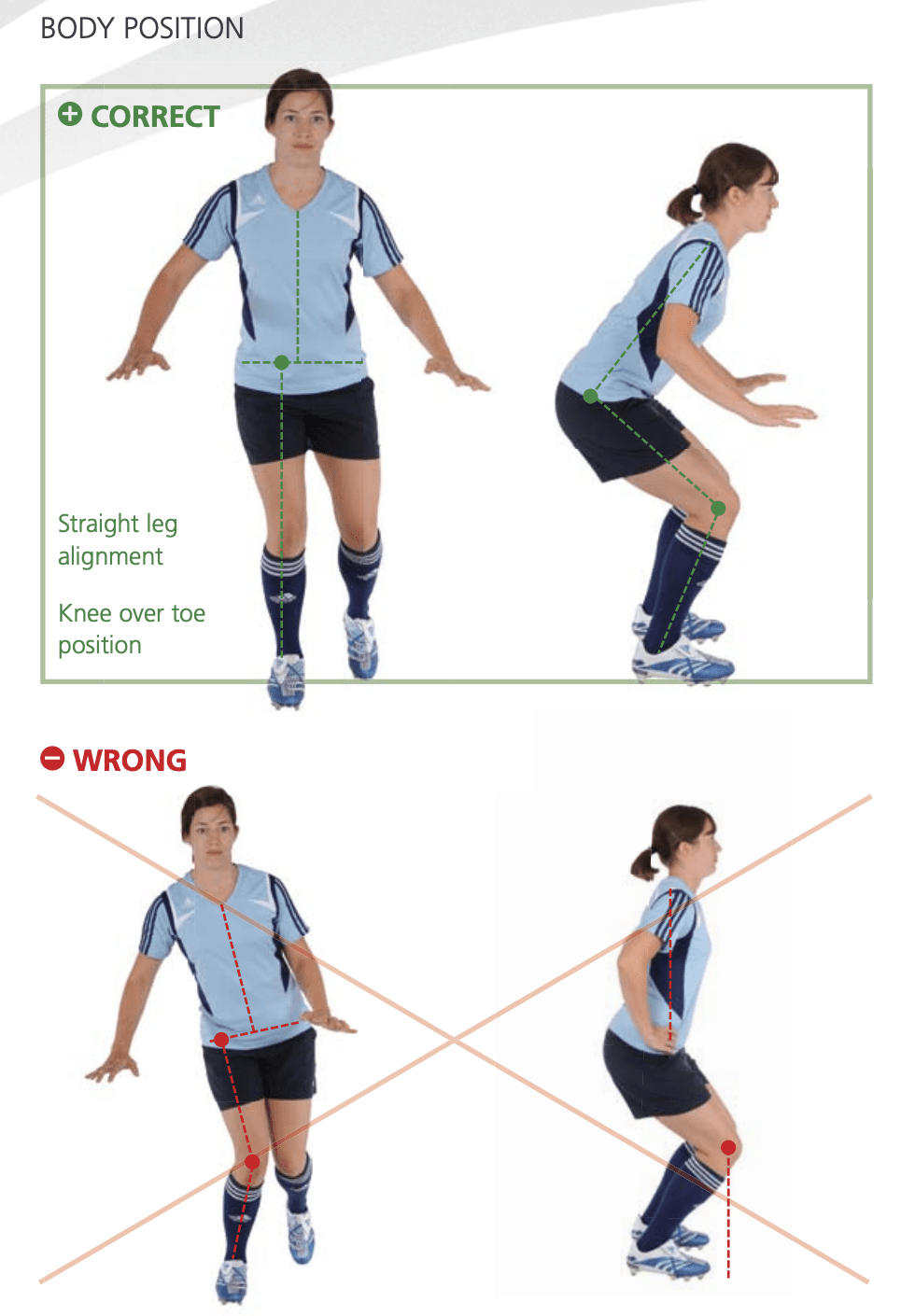
Jumping is a fundamental part of volleyball, but improper technique can put your ACL at risk. Always aim to land softly, with your knees slightly bent to absorb the impact. Keep your knees aligned with your toes to avoid unnecessary strain. Consider a warm-up drill focusing on jump landings. Practice jumping straight up and landing with your feet shoulder-width apart. This helps develop muscle memory for safe landings during intense matches.
Agility And Movement Skills
Quick lateral movements and sudden changes in direction are common in volleyball. These movements, if done incorrectly, can increase your risk of injury. Focus on strengthening your agility through specific drills that emphasize controlled movement. Incorporate agility ladders and cone drills into your routine. These exercises enhance your footwork and control, ensuring your body moves cohesively. This not only boosts performance but also reduces the risk of awkward, injury-prone maneuvers. Have you ever noticed how experienced players seem to glide across the court effortlessly? That’s not just skill—it’s a result of practiced, efficient movement. Prioritize these techniques, and you might find yourself moving with similar grace and confidence.
Use Of Protective Gear
Wearing knee braces and padded sleeves can help protect joints during volleyball. These gear items reduce strain and prevent ACL injuries.
Using protective gear is crucial in volleyball to prevent ACL injuries. It provides essential support and reduces the risk of harm. Volleyball players often face high-impact situations. Proper gear can safeguard joints and enhance stability.
Knee Braces And Supports
Knee braces are vital for volleyball players. They offer stability during intense movements. These braces prevent excessive joint stress. Choose braces that fit snugly but allow flexibility. Neoprene braces are popular. They offer warmth and compression. Hinged braces provide maximum protection. They can be worn during practice and games.
Footwear Selection
Choosing the right footwear is essential for injury prevention. Volleyball shoes should have good grip. They help players move quickly on the court. Look for shoes with ankle support. This reduces the risk of twisting injuries. Cushioning is important for shock absorption. It lessens the impact on knees during jumps. Regularly check shoe condition. Replace worn-out shoes to maintain support.

Credit: www.franciscanhealth.org
Recovery And Rest
Proper recovery and rest are vital for preventing ACL injuries in volleyball. Rest periods allow muscles to repair and strengthen, reducing strain and risk of injury. Regular stretching and balanced training enhance flexibility and resilience, safeguarding your knees during intense matches.
Recovery and rest play a crucial role in preventing ACL injuries in volleyball. Allowing your body time to heal reduces the risk of overuse injuries. Proper recovery enhances performance and keeps players safe. Balancing activity with rest helps maintain strong and flexible muscles.
Signs Of Overuse And Fatigue
Recognizing overuse signs can prevent serious injuries. Common signs include persistent pain and swelling. Reduced performance or increased error rate may indicate fatigue. Listen to your body. Don’t ignore these signals. They often suggest the need for rest.
Importance Of Regular Breaks
Regular breaks are essential for muscle recovery. They prevent strain and overexertion. Short breaks during practice sessions help maintain focus. Longer breaks allow muscles to repair. Plan your training with rest days. This ensures optimal performance and minimizes injury risk.
Professional Guidance
Proper training and stretching can significantly reduce ACL injuries in volleyball. Strengthening exercises for legs enhance knee stability. Consistent warm-ups prepare muscles and joints for intense play, ensuring safety and performance.
Professional guidance is crucial for preventing ACL injuries in volleyball. It helps athletes understand their bodies better. Experts offer tailored advice and support. This guidance can make a huge difference in performance and safety.
Working With Trainers
Trainers can design personalized workout routines. They focus on strengthening key muscle groups. Regular sessions improve agility and flexibility. Trainers ensure exercises are done correctly. This reduces the risk of injury. They teach athletes proper jumping and landing techniques. It minimizes strain on the knees. Trainers often use video analysis. This helps identify and correct movement errors. Feedback from trainers is invaluable. It leads to safer playing habits.
Consulting Healthcare Professionals
Healthcare professionals provide essential insights. They assess individual health and fitness levels. Their evaluations highlight areas needing improvement. Regular check-ups can prevent injuries. Professionals guide on appropriate nutrition. Proper diet strengthens muscles and joints. They recommend suitable footwear for volleyball. Good shoes support knee health. Professionals also suggest preventive therapies. Physical therapy can enhance muscle balance. Consulting experts ensures comprehensive care. It boosts overall athletic well-being.
Frequently Asked Questions
How To Prevent Acl Tears In Volleyball?
Strengthen leg muscles through regular exercise to support knee stability. Practice proper landing techniques to reduce stress. Wear supportive footwear for better grip and balance. Incorporate agility drills to enhance movement control. Warm up thoroughly before playing to prevent injuries.
What Is The Most Common Cause Of An Acl Injury In Volleyball?
Sudden stops, jumps, and quick direction changes cause most ACL injuries in volleyball. These actions strain the knee. Proper training and techniques can help prevent these injuries.
Can An Acl Injury Be Prevented?
Preventing an ACL injury is possible. Strengthen leg muscles, improve balance, and practice proper techniques. Wear appropriate footwear and maintain a healthy weight. Regularly warm-up and stretch before physical activities. Consider training programs focusing on agility and strength. Consult with a professional trainer for personalized advice.
How Do Volleyball Players Tear Their Acl?
Volleyball players tear their ACL due to sudden stops, jumps, and directional changes. These movements strain the knee ligaments. Poor landing techniques and inadequate strength training also increase risk. Proper training and conditioning can help prevent these injuries.
Conclusion
Preventing ACL injuries in volleyball requires focus and dedication. Consistent warm-ups and strength training help. Always prioritize proper technique during games and practices. Listening to your body reduces risk. Rest when needed. Coaches and trainers can offer valuable guidance. Consider their advice seriously.
Stay informed about injury prevention strategies. Knowledge is power. Supporting your knees with braces might help. Regular check-ups can catch issues early. Volleyball should be fun and safe. Protect your body to enjoy the game for years. Consistent care ensures you play your best.
Stay safe, stay strong, and keep enjoying volleyball.
