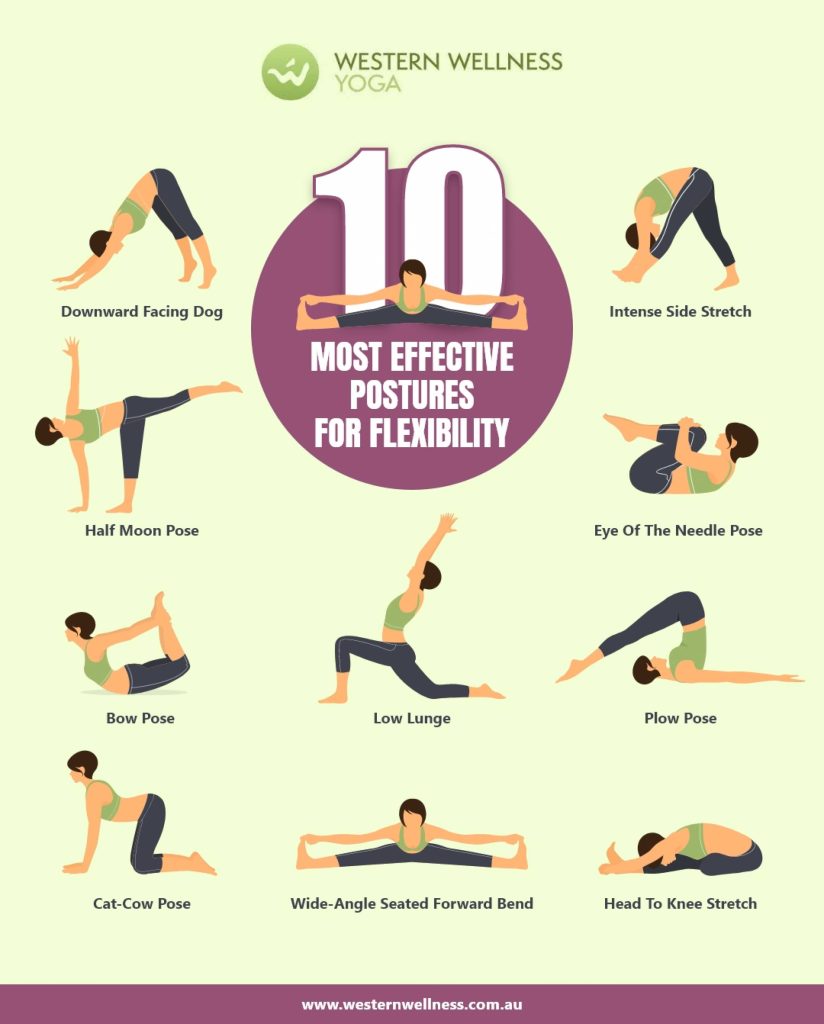
Ever find yourself struggling to hold a yoga pose because your muscles feel too tight? You’re not alone.
Flexibility is a key component of yoga, and improving it can transform your practice. Imagine being able to stretch deeper into poses, feel more relaxed, and prevent injuries. Sounds appealing, right? Whether you’re a seasoned yogi or just starting out, increasing your flexibility can enhance your experience on the mat.
In this guide, you’ll discover practical tips and techniques that can make a noticeable difference in your flexibility. Ready to unlock your body’s potential and elevate your yoga practice? Let’s dive in and explore how you can make flexibility your secret weapon in yoga.
Credit: www.jenreviews.com
Importance Of Flexibility In Yoga
Flexibility is a cornerstone of yoga practice. It allows you to move through poses with grace, reducing the risk of injury and promoting a deeper connection with your body. But why is flexibility so crucial in yoga? Let’s dive into its importance and discover how it can transform your practice.
Benefits Of Enhanced Flexibility
Improved flexibility offers numerous benefits beyond just bending and stretching. It enhances your range of motion, making everyday tasks easier. You’ll notice fewer aches and pains as your body becomes more adaptable.
Flexibility also aids in better posture. As your muscles lengthen and strengthen, your spine aligns naturally. This helps you stand taller and feel more confident. Picture yourself walking into a room, feeling light and free because your body is balanced.
Imagine the relief when your shoulders no longer feel tense after a long day. Greater flexibility can lead to less stress stored in your muscles, helping you relax more deeply. Do you notice how your mind feels clearer when your body is at ease?
Impact On Overall Yoga Practice
Flexibility affects your yoga practice profoundly. It allows you to explore poses more fully and comfortably. You’ll find that transitions between poses become smoother, creating a flow that feels almost like a dance.
Consider how your breathing changes when you’re not straining to reach a pose. Enhanced flexibility allows for deeper breaths, which are vital for maintaining focus and relaxation. Have you ever felt your breath sync perfectly with your movements?
When your body is flexible, you’re less likely to push beyond safe limits. This mindfulness fosters a sustainable practice, where growth is gradual and rewarding. Are you open to seeing your yoga journey as a lifelong adventure?
Flexibility is more than physical; it influences your mental and emotional well-being. As you stretch your body, you also stretch your capacity for patience and perseverance. How often do you embrace challenges with a calm mind?
By prioritizing flexibility, you’re not just enhancing your yoga practice; you’re embracing a healthier lifestyle. As you continue to work on your flexibility, remember that every small improvement is a step towards a more fulfilling yoga experience.

Credit: www.healthline.com
Warm-up Exercises
Before diving into your yoga practice, warming up is crucial. It prepares your body, boosts your flexibility, and prevents injuries. A good warm-up sets the tone for a rewarding session.
Dynamic Stretching Techniques
Dynamic stretching is all about movement. It helps increase your range of motion and improves circulation. Try leg swings: Stand on one leg and swing the other forward and backward. Do this for 10 reps on each leg. Arm circles are also effective. Extend your arms and make small circles, gradually increasing the size. These moves get your muscles ready for deeper stretches.
Breathing Exercises For Relaxation
Breathing exercises calm your mind and body. Deep breathing fills your lungs and releases tension. Inhale deeply through your nose, hold for a moment, and exhale slowly through your mouth. Repeat this process for a few minutes. It’s amazing how focused and relaxed you feel.
Remember the time you rushed into yoga without warming up? Your muscles felt tight, right? Now imagine how much better it could be when your body is properly prepared. Warm-ups aren’t just a formality; they are a gateway to a more fulfilling yoga experience.
Are you ready to enhance your flexibility and deepen your practice? Start with a proper warm-up. You’ll notice the difference in how your body responds. What warm-up exercises have made a difference for you? Share your thoughts!
Stretching Techniques
Improve flexibility for yoga by exploring different stretching techniques. Focus on gentle movements to ease your muscles. Incorporate dynamic stretches to enhance range of motion and static stretches to maintain posture. Regular practice can gradually increase flexibility, making yoga poses more accessible and enjoyable.
Yoga is a journey that goes beyond physical postures; it’s about connecting with your body in a meaningful way. One essential aspect that can enhance your yoga practice is improving flexibility. Stretching techniques play a pivotal role in this process. Whether you’re a beginner or have been practicing for years, understanding and applying different stretching methods can make a significant difference in your flexibility journey. Let’s dive into some key techniques that can help elevate your practice.
Static Stretching Essentials
Static stretching involves holding a stretch for a period of time, usually between 15 and 60 seconds. This technique helps to lengthen muscles and improve your range of motion. Start with simple stretches like hamstring or quadricep stretches. Hold each stretch without bouncing. Focus on breathing deeply; this can relax your muscles further. Consistency is key. You might not see immediate results, but over time, your muscles will become more pliable. Have you ever tried holding a stretch while watching your favorite show? It’s a great way to make stretching a regular part of your routine without it feeling like a chore.
Active Stretching For Better Movement
Active stretching is dynamic and involves moving parts of your body and gradually increasing reach, speed of movement, or both. This technique prepares your body for movement and enhances muscle performance. Think of arm swings or leg lifts. Engage your muscles as you move through the stretch. This helps in activating your muscles and improves flexibility. Active stretching can be fun. It brings energy into your routine. Picture yourself doing it to a lively playlist—it turns stretching into an exhilarating activity rather than a mundane task. Both static and active stretching have unique benefits and can complement each other in your yoga practice. Which technique do you think suits your lifestyle better? Try integrating them into your routine and observe how your flexibility improves over time. Remember, your body is unique, so listen to it and adjust your stretching techniques accordingly.
Incorporating Props
Incorporating props into your yoga practice can enhance flexibility. Props provide extra support, making poses more accessible. They help in maintaining proper alignment. This reduces the risk of injury. Props allow deeper stretches and longer holds. This gradually increases flexibility over time. Let’s explore how to use blocks and straps to improve your flexibility in yoga.
Using Blocks For Support
Blocks are versatile yoga props. They can be used in various poses. In standing poses, blocks bring the floor closer. This helps maintain balance. In seated poses, blocks support the spine. This encourages better posture. Blocks can also assist in challenging poses. They provide stability and encourage deeper stretches. Always place blocks securely to avoid slipping.
Straps For Extended Reach
Yoga straps are excellent for improving flexibility. They help in extending reach. Straps are useful in seated forward bends. They allow you to reach your feet with ease. In standing poses, straps help maintain balance. This encourages proper alignment. Using straps also aids in shoulder stretches. They help open the chest and improve posture. Adjust the strap length for comfort and safety.
Consistency In Practice
Consistency in practice is key to improving yoga flexibility. Regular sessions lead to better results. Practicing yoga daily helps muscles adapt and stretch. This routine builds strength and increases flexibility over time. Creating a habit makes yoga a natural part of life. Consistency enhances both physical and mental benefits.
Daily Routine Tips
Start with short sessions. Ten minutes a day is enough. Gradually increase time as flexibility improves. Set a specific time each day for yoga. Morning or evening works best. Use a calendar to remind yourself. Consistent timing helps form a habit. Mix different poses to target various muscles. This keeps the routine interesting. Listen to your body. Don’t push too hard. Gentle stretches are effective.
Tracking Progress And Setting Goals
Keep a yoga journal. Record daily practices and achievements. Note changes in flexibility and strength. Setting goals motivates and tracks improvements. Start with small, achievable goals. For example, touching toes or holding a pose longer. Celebrate small victories. Adjust goals as flexibility increases. Use photos or videos to track physical changes. Reviewing progress boosts confidence and motivation.
Mindfulness And Flexibility
Flexibility in yoga isn’t just about bending your body; it’s about bending your mind too. Mindfulness can play a crucial role in enhancing your flexibility. By being present in the moment, you can connect deeply with your body’s needs and limitations. This awareness helps in gradually stretching and expanding your range of motion. Let’s explore how mindfulness can aid in improving your flexibility for yoga.
Connection Between Mind And Body
The mind-body connection is more profound than you might think. When you are mindful, you are more in tune with your body’s signals. This connection allows you to recognize when your muscles are tense or relaxed. Have you ever paused during a stretch, noticing how your body feels? That’s mindfulness at work. By paying attention to these signals, you can adjust your movements to support better flexibility. Try listening to your body the next time you hold a pose. What do you feel?
Meditative Practices To Enhance Flexibility
Meditation isn’t just about sitting still. It can be a powerful tool to improve flexibility. You might wonder how sitting quietly can help your muscles stretch. Meditation helps calm your mind, reducing stress and tension that often tightens muscles. Consider starting your yoga session with a few minutes of deep breathing. Focus on your breath, and let go of any mental clutter. As your mind relaxes, your body follows, making stretches more effective and less strenuous.
Integrate guided meditation into your practice. As you stretch, visualize your muscles lengthening. Picture the areas of your body that feel tight, and mentally encourage them to relax. These visualizations can make stretching less intimidating, and more achievable.
Have you tried focusing on your breathing during difficult poses? It’s a simple yet powerful way to enhance flexibility. By concentrating on slow, deep breaths, you increase oxygen flow and calm your nervous system. This not only aids in stretching but also improves your overall yoga practice.
Mindfulness and flexibility go hand in hand. By being present and aware, you can unlock your body’s potential in ways you hadn’t imagined before. How will you apply mindfulness to your yoga practice today?
Nutrition And Hydration
Yoga flexibility enhances with proper nutrition and hydration. Consuming the right foods fuels your body. Drinking enough water keeps your muscles supple. These two elements work together to improve your yoga practice.
Foods That Support Flexibility
Leafy greens like spinach boost muscle health. They contain magnesium and potassium. These nutrients reduce muscle cramps. Fruits like bananas offer essential vitamins. They provide energy for your yoga sessions. Nuts and seeds are rich in omega-3 fatty acids. These help maintain joint health. Incorporate these foods into your daily meals.
Importance Of Staying Hydrated
Hydration is crucial for muscle function. Water keeps your joints lubricated. It helps prevent injuries during yoga. Drink water throughout the day. A hydrated body performs better. Herbal teas and coconut water are great alternatives. They offer additional nutrients. Staying hydrated also aids in recovery. Your body needs water to heal and grow.

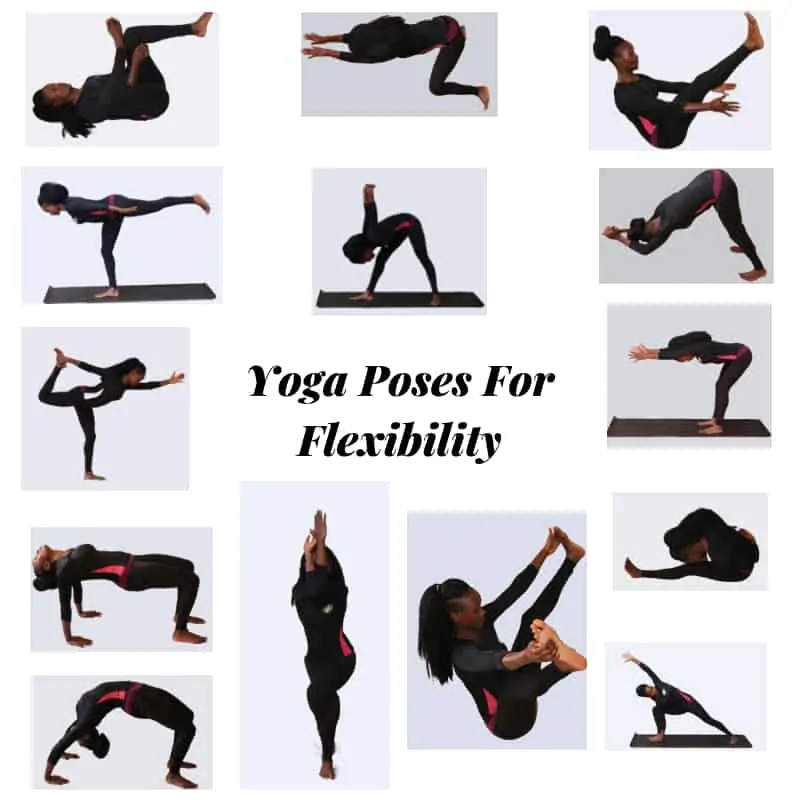
Credit: www.pinterest.com
Avoiding Injury
Improving flexibility for yoga requires patience and care. Injury prevention is crucial for a safe practice. Understanding your body’s signals is key to avoiding harm. This section explores how to enhance flexibility without risking injury.
Listening To Your Body
Your body communicates through sensations. Pay attention to discomfort or pain. These signals indicate areas needing caution or rest. Ignoring them can lead to injury. Slow down and adjust poses if you feel strain. This mindful approach helps maintain safety.
Breathing deeply aids in relaxation. It also enhances awareness of your body’s limits. With each breath, observe what your muscles tell you. This practice fosters a connection between mind and body, ensuring safer yoga sessions.
Recognizing Limits And Safe Practices
Understand your current flexibility level. Avoid forcing your body into poses beyond your reach. Pushing limits too hard can cause injury. Instead, work gradually to increase flexibility over time.
Warm up before stretching. This prepares muscles for movement and reduces injury risk. Cool down post-practice to ease muscles back to rest. Use props like blocks or straps to support challenging poses. These tools offer stability and comfort.
Seeking guidance from a yoga instructor can be beneficial. They provide personalized adjustments and techniques. Their expertise helps maintain a safe practice environment. Embrace safe practices to enjoy yoga’s benefits without setbacks.
Frequently Asked Questions
How Long Does It Take To Improve Flexibility In Yoga?
Improving flexibility in yoga can take weeks to months, depending on practice frequency and individual progress. Consistent yoga routines, focusing on stretching and breathing, accelerate flexibility. Listen to your body and avoid pushing beyond comfort for best results. Each person’s journey varies, so patience is key.
Why Is My Flexibility Not Improving With Yoga?
Your flexibility might not be improving due to inconsistent practice, incorrect techniques, or insufficient warm-ups. Ensure proper form, stay hydrated, and maintain a balanced diet. Consider consulting a yoga instructor for personalized guidance. Regular practice and patience are key to seeing progress.
Which Type Of Yoga Is Best For Increasing Flexibility?
Vinyasa yoga is excellent for boosting flexibility. It focuses on fluid movements and transitions between poses. Consistent practice enhances muscle flexibility and joint mobility, making it ideal for those seeking to improve flexibility.
How Often Should I Do Yoga To Increase Flexibility?
Practice yoga 3-4 times a week for optimal flexibility improvement. Consistency is key to seeing progress. Focus on stretching exercises and poses that target muscles. Regular practice helps increase range of motion and reduces stiffness. Listen to your body and adjust frequency based on your personal needs and goals.
Conclusion
Improving flexibility for yoga takes time and patience. Start with simple stretches daily. Remember to breathe deeply and relax your muscles. Consistency is key. Practice regularly to see gradual progress. Listen to your body and avoid overexertion. Use props for support when needed.
Engage in warm-up exercises to prevent injury. Stay hydrated to maintain muscle elasticity. Celebrate small victories along the way. Flexibility enhances your yoga experience and overall well-being. Keep your goals realistic and enjoy the journey. Happy stretching!
