
Imagine a world where safety is as exciting as a roller coaster ride. Sounds impossible, right?
Well, think again! You might be surprised to learn that safety and injury prevention are filled with fascinating facts that can make you see everyday precautions in a whole new light. Are you curious about how a simple change in your daily routine can keep you safe or how understanding a quirky fact can prevent injuries in unexpected ways?
You’re about to uncover some intriguing insights that not only enhance your safety but also pique your curiosity. Dive in to discover these fun facts that could transform the way you think about safety forever.

Credit: blog.oshaeducationschool.com
Importance Of Safety Awareness
Safety awareness is crucial in everyday life. It helps reduce accidents and injuries. Knowing potential dangers keeps everyone safe. Stay alert. Protect yourself and others.
Benefits Of Staying Informed
Being informed about safety helps you avoid risks. You make better decisions. It boosts confidence in handling emergencies. Knowledge saves lives.
- Prevents accidents by recognizing hazards.
- Improves decision-making in risky situations.
- Enhances emergency response skills.
Statistics On Injuries
Injuries happen often. Many can be prevented. Understanding statistics highlights the importance of safety. It shows common areas needing attention.
| Type of Injury | Percentage |
|---|---|
| Slips and Falls | 30% |
| Vehicle Accidents | 20% |
| Workplace Incidents | 15% |
Stay informed. Stay safe. Safety awareness is key.

Credit: www.instagram.com
Common Safety Myths
When it comes to safety and injury prevention, myths abound. These misconceptions can lead you to make choices that aren’t as safe as you think. Understanding these myths is crucial for ensuring your well-being in everyday situations. Let’s dive into some common safety myths and uncover the truths behind them.
Debunking Popular Misconceptions
One common myth is that the safest place in a car during an accident is the backseat. While it might seem logical, modern safety features have made front seats just as safe, if not safer, due to advanced airbag systems and seatbelt designs. Always buckle up, regardless of where you sit.
Another misconception is that you should run in a zigzag pattern to escape a charging animal. Surprisingly, running in a straight line is more effective as it helps you maintain speed and distance from the threat. Trust your instincts and keep your focus on getting to safety.
Facts Behind Safety Myths
Consider the myth that a helmet is only necessary for biking at high speeds. In reality, helmets are essential for any biking activity because accidents can occur even at slow speeds. Protect your head on every ride.
Then there’s the belief that lightning never strikes the same place twice. This myth is not only false but also dangerous. Lightning can strike the same spot repeatedly, particularly tall structures. Always seek shelter during a storm, no matter where you are.
Have you ever thought that sunscreen is only needed on sunny days? UV rays penetrate clouds, meaning you need protection even when it’s overcast. Keep a small bottle of sunscreen handy and apply it liberally, regardless of the weather.
Are there any safety myths you’ve encountered? Share your experiences and insights in the comments below. By discussing these myths, we can all contribute to a safer environment. Remember, informed choices lead to better safety practices.
Everyday Safety Tips
Safety is important in our everyday lives. Small precautions can prevent big injuries. Understanding basic safety tips can protect you and your loved ones. Let’s explore how to stay safe at home and outdoors.
Home Safety Essentials
Homes should be a safe place for everyone. Keep floors clear to avoid trips and falls. Secure rugs with non-slip mats. Install smoke detectors in key areas like the kitchen and bedrooms. Check them monthly. Keep a fire extinguisher in the kitchen. Know how to use it. Store medicines and cleaning products out of children’s reach. Use childproof locks. Ensure electrical cords are not frayed. Replace damaged cords. Never overload electrical outlets.
Outdoor Activity Precautions
Outdoor fun should be safe too. Wear helmets when biking. Protect your head. Apply sunscreen before outdoor activities. Reapply every two hours. Stay hydrated. Drink water regularly. Know your limits when exercising. Rest if you feel tired. Wear appropriate clothing for the weather. Use reflective gear in low light. Always let someone know your location before heading out. Carry a first-aid kit for emergencies.
Fun Facts About Safety
Exploring the world of safety is both fascinating and informative. Safety measures have evolved over the years, driven by human ingenuity and necessity. Learning fun facts about safety can enhance our understanding of its importance. These insights can also make safety a more engaging subject.
Historical Safety Innovations
Throughout history, people have developed clever safety innovations. The first traffic light, introduced in 1868, guided horse-drawn carriages in London. Its design laid the foundation for modern traffic systems. Seatbelts, another essential innovation, became standard in cars in the 1960s. This simple strap has saved countless lives over the decades.
Fire escapes, essential for building safety, appeared in the 19th century. Their invention significantly reduced fire-related casualties. Safety helmets, initially used by miners, now protect workers in various industries. These historical innovations show the timeless value of safety measures.
Interesting Safety Trivia
Did you know the first smoke detector was invented in 1890? It was designed to protect properties from fire damages. This early invention paved the way for the modern smoke alarms we rely on today. Also, airbags in cars deploy in less than 1/20th of a second. That’s faster than the blink of an eye!
Another interesting fact: The safety pin, invented in 1849, was originally created to settle a debt. It’s now a staple in households worldwide. Safety measures also extend to nature. Some plants, like the Venus flytrap, have built-in safety mechanisms to protect themselves.
Child Safety Tips
Exploring fun facts about safety can be an engaging way to teach children about injury prevention. Interactive games and colorful charts can make learning about safety rules exciting. Encouraging curiosity through storytelling can help kids remember important tips while having fun.
Child safety is a top priority for parents and caregivers. Ensuring kids are safe helps them explore the world confidently. Here are some practical child safety tips to keep them secure.
Preventing Common Injuries
Children often get hurt due to falls, burns, or cuts. To prevent falls, ensure rugs and mats are secure. Install gates on stairs to block access. Burns are common in kitchens. Keep hot items and liquids out of reach. Use stove guards to protect curious hands. For cuts, store sharp objects like knives and scissors safely. Teach kids not to run with sharp items.
Creating Safe Play Environments
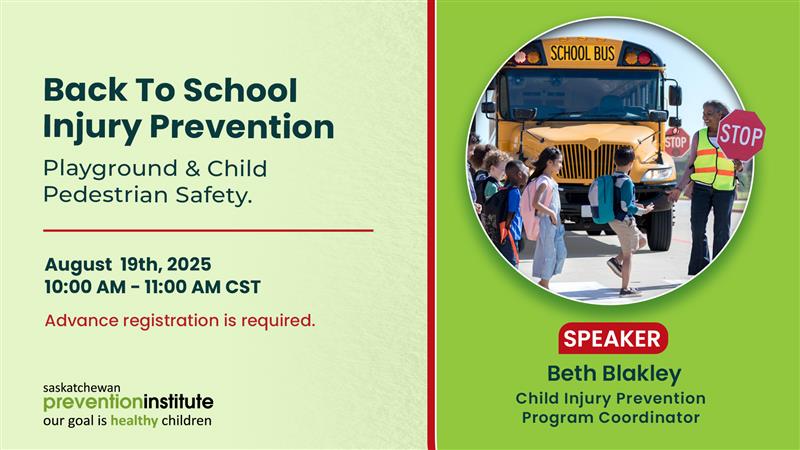
A safe play environment boosts a child’s development. Inspect toys for sharp edges or small parts. Ensure playground equipment is in good condition. Check the ground for cushioning materials like sand or rubber mulch. This reduces injury from falls. Supervise playtime to prevent accidents. Teach children to take turns and share to avoid conflicts. Regularly check play areas for hazards like broken glass or debris. This keeps playtime fun and safe.
Credit: skprevention.ca
Workplace Injury Prevention
Did you know that laughter can boost workplace safety? Happy employees tend to be more alert, reducing injury risks. Fun fact: Stretch breaks improve focus and prevent accidents.
Workplace injury prevention is crucial for a safe environment. Employees should feel secure at work. Safety measures help reduce accidents and injuries. Implementing effective protocols is key to maintaining a healthy workplace. Below are some important aspects of workplace injury prevention.
Safety Protocols
Safety protocols are essential in any workplace. They provide clear instructions to handle situations. Regular safety training sessions educate employees on proper procedures. Ensure all machinery and equipment are well-maintained. Use protective gear like helmets and gloves when necessary. Establish emergency plans for fire or natural disasters. Encourage reporting of unsafe conditions without fear. A solid safety culture boosts employee morale.
Tips For Office Safety
Office safety is often overlooked but is vital. Organize cables to prevent tripping hazards. Keep walkways clear of obstacles. Use ergonomic furniture to prevent strain injuries. Adjust computer screens to eye level. Encourage frequent breaks to reduce eye strain. Provide sufficient lighting to prevent accidents. Store heavy items on lower shelves. Conduct regular safety drills to prepare for emergencies. Create a first aid kit accessible to all employees. A safe office environment enhances productivity.
Technology In Safety
In today’s fast-paced world, technology plays a pivotal role in enhancing safety and preventing injuries. From wearable gadgets that monitor your health to sophisticated AI systems predicting potential hazards, technology is transforming how we approach safety. But how exactly does technology make our lives safer? Let’s dive into some fascinating aspects of safety technology.
Safety Gadgets And Apps
Imagine walking down a busy street, your phone buzzing with alerts about nearby hazards. Safety gadgets and apps are the modern-day superheroes, armed with features like real-time tracking and emergency notifications. Consider smart helmets for bikers, equipped with sensors to detect impacts and alert emergency contacts. Or apps that let you share your location with trusted contacts, ensuring someone always knows where you are.
These tools aren’t just about convenience; they add an extra layer of security to everyday life. Have you tried using a safety app? It might be the simple upgrade your routine needs.
Role Of Ai In Injury Prevention
Artificial Intelligence is more than just a buzzword; it’s actively preventing injuries in various industries. From predicting workplace accidents to enhancing road safety, AI analyzes patterns and forecasts risks before they become real threats. Picture a construction site where AI monitors worker movements, alerting them to potential hazards.
AI doesn’t just stop at predictions. It learns and adapts, improving its accuracy over time. Could AI be the key to a safer future? It’s certainly paving the way for smarter safety solutions.
Engaging Safety Education
Learning about safety can be exciting. Discover surprising facts about staying safe and preventing injuries. Fun activities teach important lessons while keeping everyone engaged.
Engaging safety education can transform learning into a fun experience. It captures attention and helps retain important safety knowledge. Through interactive learning and community involvement, safety education becomes engaging and effective.
Interactive Learning Methods
Interactive methods make safety lessons memorable. Games, quizzes, and role-playing activities teach important skills. For example, children can practice fire drills through role-play. This method encourages active participation and deepens understanding. Visual aids like videos and animations can also be useful. They simplify complex safety concepts, making them easier to grasp.
Community Safety Programs
Community safety programs promote awareness and collective responsibility. Local events, workshops, and seminars bring people together. These programs often feature practical demonstrations and expert talks. They offer real-life scenarios that teach valuable safety lessons. Community involvement fosters a culture of safety. It encourages individuals to share their knowledge and experiences. This shared learning helps everyone stay informed and prepared.
Emergency Preparedness
Did you know that creating a safety plan can be a fun family activity? Practice fire drills and make them into a game. Learning first aid together can be an engaging way to prepare for emergencies.
Emergency preparedness is crucial for ensuring safety during unexpected situations. It’s not just about having the right gear but also about having a plan. Imagine facing a sudden emergency without a plan—chaos, right? Preparing in advance can turn panic into calm, and confusion into clarity. Let’s dive into two essential components of emergency preparedness: building an emergency kit and planning escape routes.
Building An Emergency Kit
Creating an emergency kit is your first step towards readiness. Think of it as a toolbox for survival. What essentials would you need if you had to leave your home quickly? Begin with the basics: water, non-perishable food, and a first-aid kit. Aim for at least three days’ worth of supplies. Don’t forget a flashlight, batteries, and a whistle to signal for help. Consider personal needs too. If you wear glasses, pack an extra pair. Have pets? Include food and water for them as well. Make sure your kit is easily accessible. A small backpack can keep everything portable and organized.
Planning Escape Routes
Planning escape routes is another critical element. It’s like having a GPS guide when your usual path is blocked. Have you ever thought about multiple exits in your home? Identify at least two ways to exit each room. Check that windows and doors open easily. Practice these routes with your family. Familiarity breeds confidence in emergencies. Don’t forget to establish a meeting point outside. It could be a neighbor’s driveway or a nearby park. This way, you can account for everyone quickly. Remember, speed and clarity can save lives when every second counts. By taking these steps, you’re not just preparing for emergencies—you’re empowering yourself and your loved ones with the knowledge and tools to stay safe. So, are you ready to take the first step in emergency preparedness?
Frequently Asked Questions
What Is A Fun Fact About Safety?
A fun fact about safety: Wearing seat belts can reduce the risk of injury by 50% during car accidents. Stay buckled up for a safer ride!
What Are The 5 Things Of Safety?
The five things of safety are: proper equipment, clear communication, awareness of surroundings, adherence to protocols, and training.
What Are The 3 Es Of Injury Prevention?
The 3 Es of injury prevention are Education, Engineering, and Enforcement. Education raises awareness about risks and safety practices. Engineering involves designing safer environments and products. Enforcement ensures compliance with safety laws and regulations. These elements work together to minimize injuries effectively.
What Is An Interesting Fact About Osha?
OSHA was established in 1971 to ensure safe and healthy working conditions for American workers. It developed the first standards for workplace safety, revolutionizing how businesses operate. This federal agency conducts inspections and issues fines to non-compliant organizations, significantly reducing workplace injuries.
Conclusion
Safety and injury prevention can be both fun and educational. Simple steps can make a big difference. Always wear safety gear. Practice caution in daily activities. Teach kids about safety in an engaging way. Create a safe environment at home and outdoors.
These small actions can prevent accidents. Stay informed and aware. Share safety tips with family and friends. Encourage everyone to be proactive about safety. Remember, prevention is key. By staying safe, we ensure a healthier, happier life. Enjoy activities without the worry of unnecessary risks.
Prioritize safety every day for a brighter future.
