Imagine waking up each morning with a sense of ease and comfort, free from the nagging pain that often accompanies repetitive tasks. Whether you’re typing away at your keyboard, swiping on your phone, or engaging in physical labor, repetitive strain injuries (RSIs) can sneak up on you, disrupting your daily life.
You might not even realize the toll these small, repetitive motions take on your body until it’s too late. But here’s the good news: preventing RSIs is entirely within your reach. By understanding the causes and implementing simple, effective strategies, you can protect yourself from these common injuries.
You deserve to live without the constant worry of pain. Let’s explore how you can take control and maintain your well-being, ensuring that your body remains as resilient and capable as your spirit. Dive in to discover practical tips that will keep you moving comfortably and confidently every day.
Understanding Repetitive Strain Injuries
Understanding repetitive strain injuries is crucial for anyone who spends long hours on a computer, plays sports, or engages in repetitive physical tasks. These injuries occur when muscles, tendons, or nerves become damaged due to repeated movements. Recognizing their symptoms early can make a significant difference in your recovery and overall well-being.
Common Causes
Repetitive strain injuries often stem from activities that require the same motion over and over again. Typing on a keyboard, clicking a mouse, or even texting can lead to these issues. Poor posture and inadequate ergonomics can exacerbate the problem. Consider your daily routine; are there tasks you repeat that could be putting strain on your body?
Symptoms To Watch For
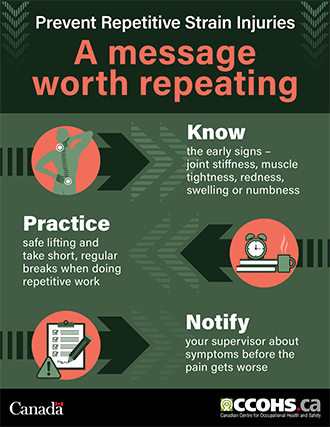
Identifying symptoms early can prevent further damage. Look out for persistent pain, tingling, or numbness in the affected area. Stiffness and weakness are also common indicators. If you notice any of these signs, it’s time to take action. Don’t ignore these warning signals; they are your body’s way of asking for a break.
Ergonomic Workstation Setup
Setting up an ergonomic workstation is like creating a sanctuary for your body, especially if you spend long hours in front of a computer. It’s not just about comfort; it’s about protecting your health and productivity. Imagine sitting at your desk without feeling those nagging aches in your wrists or back. Your workstation can be a powerful ally in preventing repetitive strain injuries if you configure it correctly. Let’s explore how you can make small yet impactful changes to your workspace.
Choosing The Right Chair
Your chair is the foundation of your ergonomic setup. Opt for a chair with adjustable height and lumbar support. This ensures your feet are flat on the ground, and your lower back is supported. A swivel feature can help you avoid twisting your body awkwardly.
Think about how you feel after sitting in your chair for a few hours. Does your back ache or does it feel supported? Make sure your seat depth allows you to sit with your back firmly against the chair, and your knees slightly below your hips.
Desk And Monitor Placement
The height of your desk can significantly impact your posture. Ideally, your desk should allow your elbows to rest at a 90-degree angle when typing. This helps prevent shoulder strain and promotes a relaxed posture.
Monitor placement is crucial. Your monitor should be at eye level, about an arm’s length away. This minimizes neck strain and encourages you to keep your head aligned with your spine. Are you squinting or craning your neck to see your screen? Adjust it until you can see comfortably.
Keyboard And Mouse Positioning
Position your keyboard directly in front of you, with your wrists straight and hands hovering slightly above it. This reduces strain on your wrists and forearms, and helps avoid carpal tunnel syndrome.
Your mouse should be within easy reach, ideally next to your keyboard. Consider using a mouse pad with wrist support for added comfort. How often do you find yourself stretching to reach your mouse? If it’s frequent, reposition it to prevent unnecessary wrist strain.
By tweaking these elements, you’ll notice a substantial difference in how your body feels after a long day at work. Why not take a moment now to assess your own setup and see where improvements can be made? Your body will thank you for it.
Incorporating Regular Breaks
Repetitive strain injuries (RSIs) can be a persistent problem for anyone who spends long hours working at a desk. One effective way to combat these issues is by incorporating regular breaks into your routine. By doing so, you can give your muscles and joints a much-needed rest, preventing strain and promoting overall well-being. It’s not just about taking breaks; it’s about taking them effectively to maximize their benefits.
Effective Break Strategies
Choosing the right strategies for breaks is crucial. You might think that simply stepping away from your desk is enough, but there’s more to it. Set a timer to remind yourself to take a break every 30 minutes. During these breaks, focus on activities that refresh your mind and body.
- Walk around your office or home to get your blood flowing.
- Close your eyes for a minute to relax your mind.
- Deep breathing exercises can be surprisingly rejuvenating.
These small adjustments in your routine can lead to significant improvements in your comfort and productivity. Have you ever noticed how a short walk can clear your mind and boost your mood?
Stretching Exercises
Stretching during breaks is another powerful method to combat RSIs. Simple stretches can relieve tension and improve flexibility. Try neck rolls to ease stiffness or wrist stretches to counteract the effects of typing.
- Stand and stretch your arms above your head. Hold for 10 seconds.
- Rotate your wrists and ankles to release tension.
- Sit and reach for your toes to stretch your back and legs.
What if you could prevent pain before it starts just by stretching regularly? Incorporating these exercises into your breaks can be a game-changer. Make stretching a habit, and feel the difference in your daily comfort.
Credit: www.ccohs.ca
Adopting Proper Posture
Adopting proper posture helps prevent repetitive strain injuries. Keep your back straight and shoulders relaxed. Adjust your workstation to support a natural position.
Adopting proper posture is crucial in preventing repetitive strain injuries. Correct posture can significantly reduce the stress on your muscles and joints. It’s about being mindful of how you hold your body during daily activities. Simple adjustments can make a big difference. Let’s explore how you can improve your posture whether sitting, standing, or walking.
Sitting Position
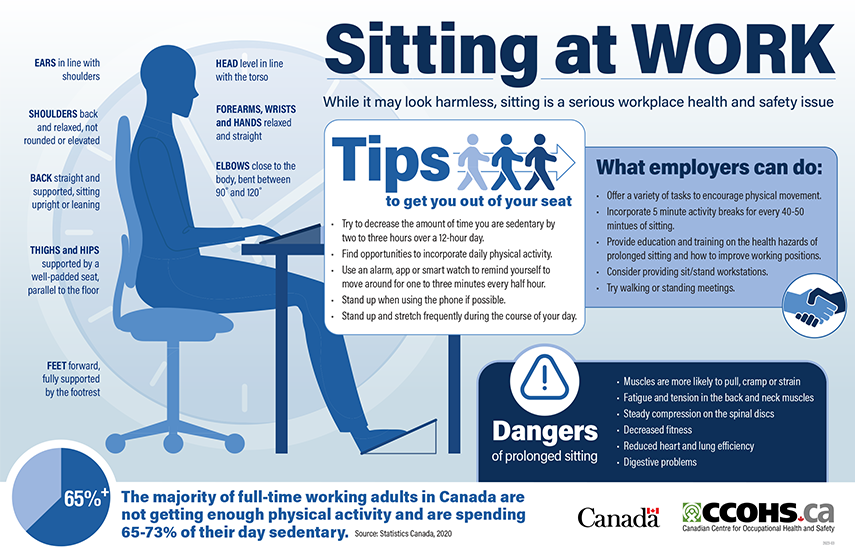
When seated, ensure your back is straight and supported by the chair. Your feet should rest flat on the floor, or on a footrest if needed. Keep your knees at a right angle; they should be level with or slightly lower than your hips.
Imagine you’re at your desk: is your screen at eye level? Adjust it to prevent neck strain. Your elbows should be close to your body, forming an L-shape. This helps reduce tension in your shoulders.
Consider the discomfort after hours of slouching. It’s a reminder to sit up straight. Regularly take breaks to stand and stretch. This can dramatically ease the strain from prolonged sitting.
Standing And Walking
Standing correctly involves distributing your weight evenly on both feet. Avoid locking your knees. Keep your shoulders back and your head level, aiming for a straight line from ears to ankles.
While walking, focus on maintaining this posture. Engage your core muscles to support your spine. Take purposeful steps, and avoid dragging your feet. This simple change can improve your gait and reduce strain.
Think about how often you check your phone while walking. Is your neck craned forward? Try holding the device at eye level. Small adjustments like these can prevent long-term injuries.
Have you ever noticed how confident you feel when standing tall? Proper posture not only protects your body but also boosts your self-esteem. So, how can you start implementing these changes today?
Using Assistive Tools
Repetitive strain injuries (RSIs) are common in the digital age. Many people spend long hours at computers. Assistive tools can help prevent these injuries. They provide support and comfort, reducing strain on the body. Investing in the right tools can make a big difference. Here are some effective assistive tools to consider.
Wrist Supports
Wrist supports are essential for many computer users. They help keep your wrists in a neutral position. This reduces pressure on the tendons. Proper wrist alignment can prevent pain and discomfort. Many options are available, from simple pads to adjustable braces. Choose one that feels comfortable and provides adequate support. Regular use can help maintain wrist health.
Ergonomic Keyboards And Mice
Ergonomic keyboards and mice can transform your workspace. They are designed to fit the natural hand position. This reduces strain on fingers and wrists. Ergonomic keyboards often have a split design. It allows hands to rest in a more natural position. Mice with ergonomic shapes fit comfortably in the hand. They encourage a relaxed grip, reducing tension. Investing in these tools can enhance comfort during long working hours.

Credit: www.facebook.com
Implementing Physical Exercises
Preventing repetitive strain injuries (RSIs) is crucial for anyone who spends long hours in repetitive activities, whether typing, assembly work, or even gaming. Implementing physical exercises into your daily routine can be a game-changer, helping you maintain healthy muscles and joints. These exercises not only reduce the risk of RSIs but also boost your overall physical well-being. Consider adding strengthening and flexibility exercises to your regimen for optimal results.
Strengthening Exercises
Strengthening exercises target specific muscles to build endurance and resilience. Focus on the muscles you use most frequently. For example, if you’re typing all day, you might benefit from wrist curls and finger extensions. These exercises help maintain muscle balance, reducing the strain on tendons and joints. You can easily integrate these into your day by using resistance bands or light weights.
- Wrist curls: Lift a small weight with your palm facing up, then lower it slowly.
- Finger extensions: Use a rubber band around your fingers to push outward.
Consistency is key here. A few minutes each day can make a big difference. Have you ever felt that end-of-day fatigue in your hands? Regular strengthening exercises might just be what you need to keep that at bay.
Flexibility Routines
Flexibility routines enhance your range of motion and decrease stiffness. Stretching the muscles you use the most is essential. Consider trying gentle stretches for the wrists, arms, and shoulders. These can be done during breaks or even while watching TV. Not only do these routines help prevent injuries, but they also improve circulation and reduce fatigue.
- Wrist stretches: Extend your arm, palm up, and gently pull back on your fingers.
- Shoulder stretches: Reach one arm across your body and gently pull on the elbow.
Remember, stretching should never be painful. Feel a gentle pull, not a sharp pain. Do you notice stiffness creeping in after hours of repetitive tasks? Flexibility exercises can be the perfect antidote to keep your muscles supple and ready for action.
Seeking Professional Help
Consulting a professional can effectively guide you in preventing repetitive strain injuries. They offer tailored strategies to adjust your workspace, ensuring ergonomic practices that reduce stress on muscles and joints.
Seeking professional help can be a game-changer in preventing and managing repetitive strain injuries (RSIs). While making lifestyle changes and ergonomic adjustments are vital, professional intervention can provide you with tailored solutions. You might be surprised how even a brief consultation can lead to significant improvements in your well-being.
When To Consult A Specialist
Consider seeing a specialist if your discomfort persists despite self-care efforts. A specialist can provide accurate diagnoses and suggest specific treatments. It’s crucial to act before minor aches turn into chronic pain. Ignoring the issue can lead to more severe conditions. Don’t wait until the pain becomes unbearable. Taking timely action can make all the difference in your recovery journey.
Physical Therapy Options
Physical therapy offers a range of exercises designed to relieve strain and strengthen the affected areas. Therapists can tailor programs to your specific needs, focusing on improving posture and flexibility. They might use techniques like massage, ultrasound, or heat treatments to accelerate healing. These therapies not only address the symptoms but also target the root cause of the injury. Could physical therapy be the missing piece in your recovery plan? Consider it as a proactive step towards regaining full function and preventing future injuries.
Credit: www.ccohs.ca
Frequently Asked Questions
How Do I Prevent Rsi?
Prevent RSI by taking regular breaks and stretching frequently. Maintain proper posture and ergonomic workspace. Use wrist supports and ergonomic tools. Keep your arms relaxed while typing. Ensure your screen is at eye level. Adjust chair height for comfort. Practice hand exercises to strengthen muscles and reduce strain.
How To Avoid Repetitive Movements?
Take regular breaks to stretch and rest. Use ergonomic tools to reduce strain. Alternate tasks to avoid repetitive motions. Adjust your workspace for comfort and efficiency. Practice mindful movement techniques to enhance body awareness.
Why Do I Keep Getting Repetitive Strain Injuries?
Repetitive strain injuries occur from repeated motions, poor posture, or excessive force. Take breaks, use ergonomic equipment, and practice proper posture to reduce risk. Adjust your workspace and incorporate stretching exercises to prevent future injuries. Seek professional advice if pain persists.
How To Relieve Repetitive Strain?
Stretch regularly to improve flexibility and relieve strain. Take frequent breaks during repetitive tasks. Use ergonomic tools to minimize strain. Apply ice or heat to soothe sore muscles. Practice relaxation techniques like deep breathing to reduce tension.
Conclusion
Preventing repetitive strain injuries is crucial for long-term health. Simple changes help a lot. Take frequent breaks. Stretch muscles often. Adjust your workspace for comfort. Maintain good posture always. Listen to your body. Pain means it’s time to rest. Use ergonomic tools.
They reduce stress on joints. Proper technique is key. Avoid repetitive tasks when possible. Staying active keeps muscles strong. Regular exercise prevents injuries. Remember, prevention is better than cure. Protect your body now to avoid problems later. Stay informed. Stay healthy.
Your body will thank you.
