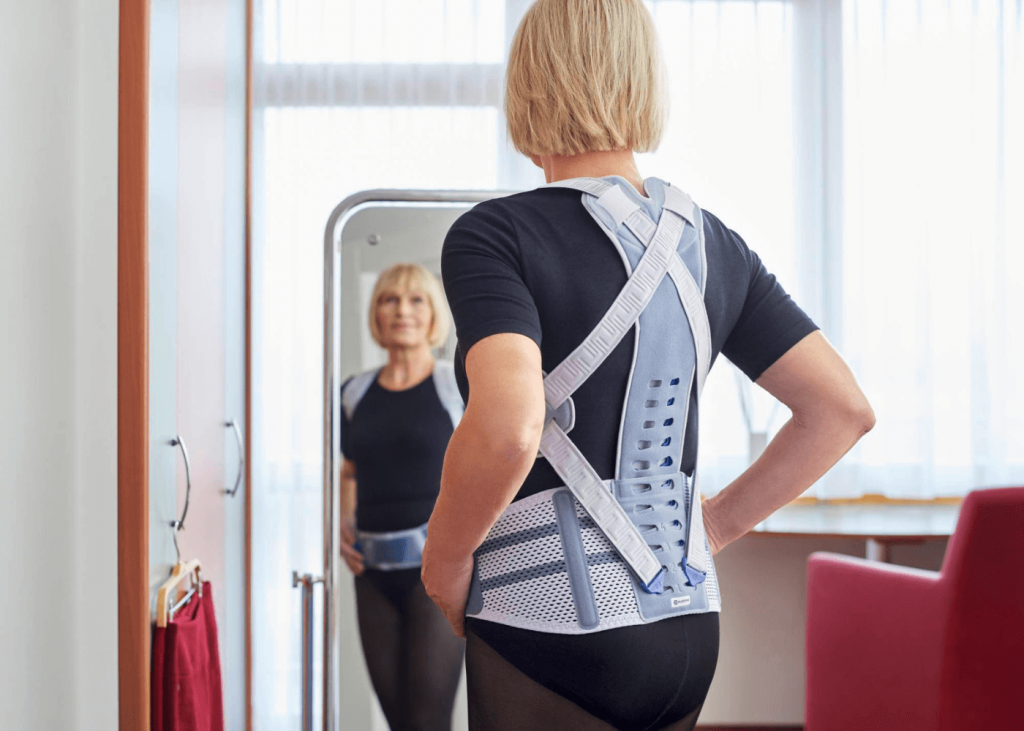
Imagine relying on something you believe will protect you, only to find out it might not work as expected. This unsettling reality is what many face when using back belts for injury prevention.
You might think that strapping on a back belt is a simple solution to avoid back pain and injuries, especially if your job involves heavy lifting. But what if you’re being misled by a false sense of security? You deserve to know the truth about back belts and whether they truly offer the protection you need.
In this eye-opening article, we’ll explore why back belts don’t prevent injury as effectively as you might hope. You’ll discover the surprising facts and insights that could change how you protect your back. Ready to uncover the reality and take control of your health? Keep reading to find out more.
The Myth Of Back Belts
Many believe back belts prevent injuries. This belief is widespread. People think wearing them offers protection. But evidence shows they’re not effective. Studies reveal back belts don’t prevent injuries. They’re often used incorrectly. This leads to a false sense of security. Users may lift heavier loads, risking injury. It’s crucial to understand their limitations.
Origins Of The Back Belt Belief
Back belts gained attention in the 1980s. They were popular among warehouse workers. The idea was simple. People thought belts supported muscles. This belief spread quickly. Advertisements claimed belts could reduce injury. These claims were persuasive. Many companies adopted them. Yet, scientific research didn’t back these claims.
Popularity In Workplaces
Workplaces embraced back belts. They became standard gear for many jobs. Employers wanted to protect workers. They believed belts would prevent injuries. Workers felt safer wearing them. This increased their popularity. But studies showed limited benefits. Research found no reduction in injury rates. Experts advised against relying on belts.
Scientific Studies On Back Belts
Back belts are often marketed as tools for injury prevention. Yet, scientific studies present a different narrative. Researchers have explored their effectiveness with varied methodologies. This section uncovers these insights through established research techniques.
Research Methodologies
Scientists utilize diverse methods to study back belts. Randomized controlled trials are common. They assign participants into groups with and without belts. Observational studies track workers using back belts in real environments. Surveys gather data on belt usage and injury rates. Each method provides unique insights on their effectiveness.
Key Findings
Research reveals surprising results. Back belts do not significantly reduce injury risks. Studies show similar injury rates between users and non-users. Some findings suggest belts offer false security. Users may lift heavier loads, increasing injury chances. Other studies highlight discomfort and restricted movement. These factors can lead to improper lifting techniques. Overall, scientific evidence questions the effectiveness of back belts in preventing injuries.
Mechanics Of Back Belts
Understanding the mechanics of back belts is crucial in evaluating their effectiveness in preventing injury. These belts are often marketed as tools to support your spine and reduce strain during heavy lifting. But do they really deliver on these promises?
How Back Belts Function
Back belts are designed to provide external support to your lower back. They wrap tightly around your waist, aiming to increase abdominal pressure, which supposedly stabilizes the spine.
This mechanism is intended to limit the movement of your spine, providing a sense of security while lifting. You might feel more confident wearing one, thinking it acts as a protective barrier against injury.
However, this perceived support can lead to overconfidence, encouraging you to lift heavier weights than you might otherwise attempt without a belt. Is this false sense of security actually putting you at greater risk?
Limitations In Design
Despite their intended function, back belts have significant limitations. They do not strengthen muscles or improve lifting techniques, which are crucial for preventing injuries.
Moreover, the design of these belts can be restrictive. While they may offer some support, they can also limit your range of motion, potentially leading to improper lifting practices.
Additionally, prolonged use of back belts can weaken your core muscles. When your body relies heavily on external support, it can neglect its natural ability to stabilize the spine. Could relying on a belt actually be doing more harm than good?
Consider whether investing time in strengthening your core might be a more effective strategy for long-term back health. After all, your body’s natural support system should be your first line of defense.

Credit: www.selfcarecentral.com
Psychological Impact
Wearing back belts is common in many workplaces. People believe they prevent injuries. Yet, their psychological impact often goes unnoticed. This can affect both safety and health. Understanding these effects is crucial.
False Sense Of Security
Back belts can create a false sense of security. People may think they are fully protected. This belief can lead to risky behaviors. Workers might lift heavier objects than they should. They might also ignore proper lifting techniques. This overconfidence can increase the risk of injury. It can also lead to a reliance on the belt, rather than good practices.
Behavioral Changes
Back belts can change how people behave. Users might become less cautious. They might skip warm-ups or forget stretching. This can lead to muscle strain and fatigue. Workers may also become less aware of their body’s signals. Ignoring pain or discomfort can result in serious injuries. These behavioral changes can negate the benefits of wearing a back belt.
Alternative Approaches To Preventing Injury
Back belts are commonly used in workplaces to prevent injuries. But studies show they might not be effective. Instead, consider alternative approaches to keep safe. These methods focus on proper techniques and ergonomic changes. They aim to reduce strain and improve comfort.
Proper Lifting Techniques
Learning how to lift correctly is key. Bend your knees, not your waist. Keep the load close to your body. Use your legs to lift, not your back. Avoid twisting your torso. This reduces stress on your spine.
Practice these techniques regularly. They help you lift safely. They also prevent muscle strains and back injuries.
Ergonomic Adjustments
Ergonomics focuses on designing tasks to fit the worker. Adjust your workstation to suit your body. Use chairs that support your back. Position screens at eye level. Keep frequently used items within reach.
This reduces awkward postures. It also limits the risk of repetitive strain injuries. Consider using tools that minimize force. Ergonomic changes can greatly improve comfort. They also enhance productivity.
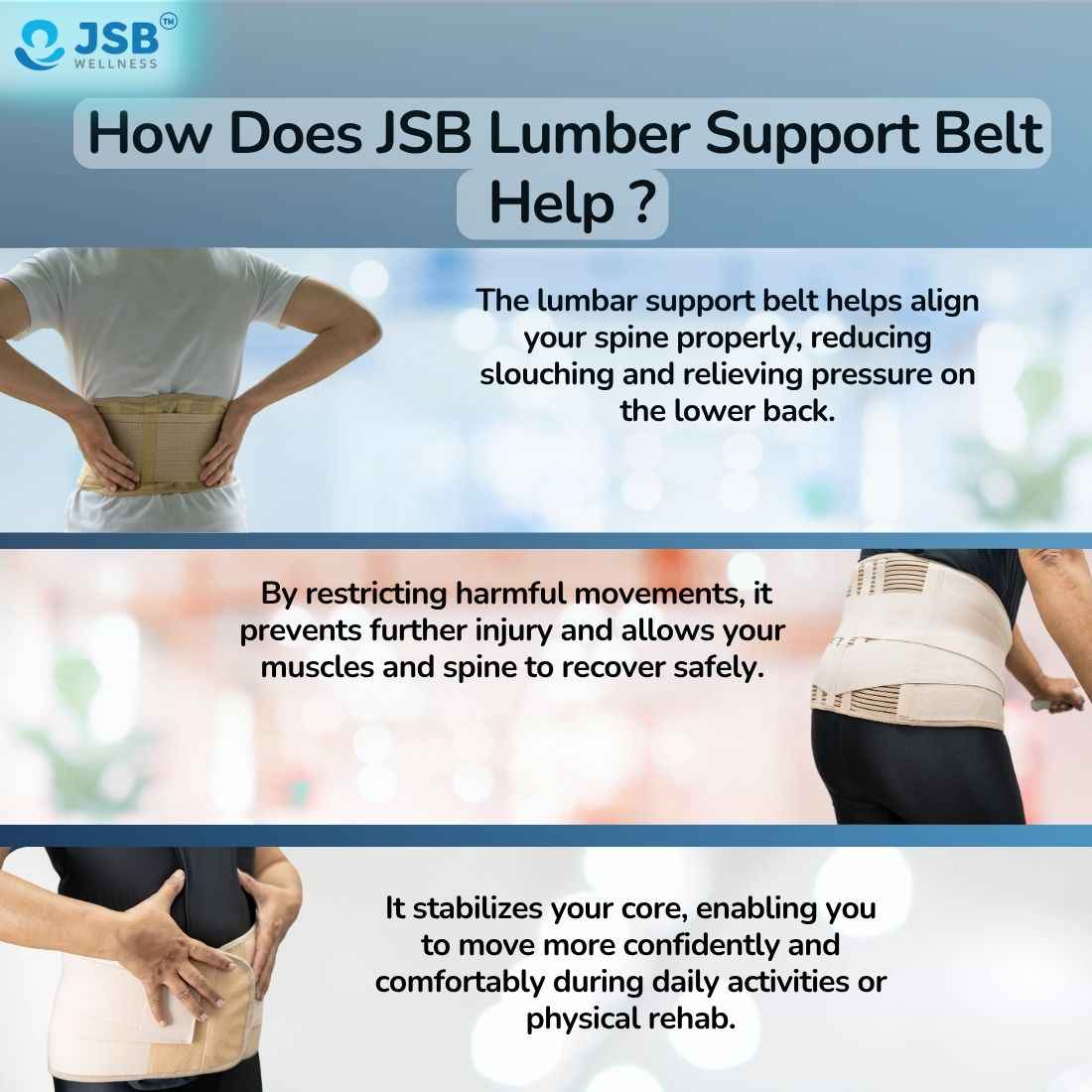
Credit: jsbhealthcare.co.in
Expert Opinions
Experts suggest that back belts may not effectively prevent injuries. They argue that relying on belts can lead to poor posture and weakened muscles, increasing injury risk. Proper training and ergonomic practices are emphasized for better protection.
When it comes to back belts and their role in preventing injuries, opinions vary widely among experts. While some believe these belts offer support, many health professionals and industry leaders challenge this notion. Understanding these perspectives can help you make informed decisions about workplace safety and personal health.
Views From Health Professionals
Health professionals often emphasize the importance of proper lifting techniques over reliance on back belts. Dr. Jane Smith, a renowned physiotherapist, argues that back belts can give a false sense of security. Rather than preventing injury, they may encourage lifting heavier loads, increasing the risk of harm. Moreover, medical experts point out that back belts do not strengthen the muscles required for safe lifting. It’s crucial to maintain a strong core through regular exercise instead of depending on external support. Have you considered how your lifting habits might change if you stopped using a back belt?
Industry Standards
In the workplace, industry standards regarding back belts are evolving. Many safety regulators no longer endorse back belts as a mandatory safety measure. The Occupational Safety and Health Administration (OSHA) highlights that evidence supporting their effectiveness is lacking. Instead, OSHA recommends comprehensive training programs to teach proper lifting techniques and ergonomic practices. Companies that prioritize education over equipment often see a reduction in workplace injuries. Are you aware of how your company addresses lifting safety beyond just providing equipment? Understanding expert opinions on back belts can empower you to make choices that prioritize your health and safety. Consider how these insights align with your experiences and practices.
Future Directions In Workplace Safety
As workplace safety continues to evolve, the focus is shifting from outdated methods to more effective strategies. While back belts have long been considered a staple in injury prevention, it’s clear they aren’t the solution. The future of workplace safety lies in innovative approaches that prioritize employee well-being and productivity. By embracing new technologies and methods, we can create safer work environments that truly protect workers.
Innovations In Equipment
Imagine tools that adapt to your needs, reducing strain and enhancing efficiency. Companies are investing in ergonomic equipment designed to support natural movements. Smart wearables, like exoskeletons, are becoming game-changers, offering physical support where needed. These advancements not only prevent injuries but also boost morale by showing employees their health matters.
Education And Training Programs
Knowledge is power, especially when it comes to safety. Regular training sessions can equip you with skills to identify risks and prevent accidents. Interactive workshops focusing on real-life scenarios make learning engaging. When you understand the reasons behind safety protocols, you’re more likely to apply them effectively. Would you feel more confident knowing how to handle unexpected hazards?
Credit: www.goodrx.com
Frequently Asked Questions
Do Back Belts Prevent Back Injuries?
Back belts offer limited support for preventing back injuries. They may provide some stability during lifting tasks. Experts recommend proper lifting techniques and regular exercise for effective back injury prevention. Relying solely on back belts isn’t advised. Always consult a healthcare professional for personalized guidance.
What Are The Disadvantages Of Back Support Belts?
Back support belts can weaken core muscles over time. They may cause dependency, reducing natural posture support. Some users experience discomfort or skin irritation. Incorrect use can lead to improper lifting techniques. Always consult a healthcare professional before regular use to avoid potential negative effects.
When Should You Not Use A Back Support Belt?
Avoid using a back support belt for long periods or without professional advice. It may weaken core muscles or cause dependency. Consult a healthcare professional for guidance. Use belts during specific activities, not as a constant support. Ensure proper fit and application to prevent injury or discomfort.
Are Back Belts Effective On Occupational Back Injuries And Worker Perception?
Back belts offer mixed effectiveness for occupational back injuries. Many workers believe they provide support, yet scientific evidence is limited. Proper lifting techniques and ergonomic practices are more beneficial for preventing injuries.
Conclusion
Back belts don’t guarantee injury prevention. They might offer some support. But they can’t replace proper lifting techniques. Always prioritize safe practices. Train muscles for strength and endurance. Listen to your body’s signals. Don’t ignore pain or discomfort. Professional advice is crucial for safety.
Consult a physical therapist or trainer. They can guide on proper methods. Remember, prevention is better than cure. Stay informed. Protect yourself by learning correct methods. This keeps your body safe and healthy. Back belts are tools, not solutions. Prioritize knowledge and safe habits.
Keep health your top priority.
