Are you passionate about scream singing but worried about the potential strain it can put on your vocal cords? You’re not alone.
Many aspiring scream singers dive into this powerful form of expression without realizing the importance of maintaining vocal health. The good news is, with the right techniques, you can unleash your inner rockstar while keeping your voice in top shape.
Imagine the thrill of hitting those intense notes without the fear of injury holding you back. This article will guide you through essential tips and practices to ensure your scream singing journey is both exhilarating and safe. Ready to discover how to protect your most valuable instrument—your voice? Let’s get started!

Credit: www.instagram.com
Understanding Scream Singing
Scream singing requires technique to avoid straining your vocal cords. Proper breathing and warm-up exercises are essential. Staying hydrated and listening to your body’s limits can prevent injuries.
Understanding scream singing involves more than just yelling loudly. It is a vocal technique used in various music genres, especially rock and metal. Scream singing requires skill, practice, and proper technique to ensure vocal health. Many singers use this style to convey intense emotion and raw energy. But doing it wrong can damage your vocal cords. Let’s explore the art and common misconceptions about scream singing.
The Art Of Scream Singing
Scream singing is an expressive vocal style. It combines traditional singing with controlled screaming. This technique demands strong breath support and vocal control. Singers use their diaphragm to project sound safely. Scream singing often requires vocal training to master safely. Many artists work with vocal coaches to refine their skills. Breath control is crucial in this art form. Proper breathing helps maintain vocal stamina.
Common Misconceptions
Some people believe scream singing is just shouting. This is a common misconception. Scream singing is different from shouting. Shouting can harm your vocal cords. Proper scream singing does not cause injury. Another myth is that scream singing needs no practice. This is untrue. Like all singing, it requires practice and technique. Many think only certain voices can scream sing. Yet, with training, most people can learn.
Physical Preparation
Physical preparation is crucial for scream singing. It helps prevent injuries and ensures your voice remains powerful and healthy. By focusing on specific exercises and techniques, you can enhance your vocal performance and longevity.
Warm-up Exercises
Warm-up exercises are essential before diving into scream singing. They prepare your vocal cords and muscles, reducing the risk of strain. Start with gentle humming to ease your voice into action. Gradually increase volume and intensity, keeping control.
Adding facial stretches can make a difference. Try wide mouth movements and exaggerated facial expressions. This loosens facial muscles and improves vocal flexibility. Remember, a well-prepared voice is less prone to injuries.
Breath Control Techniques
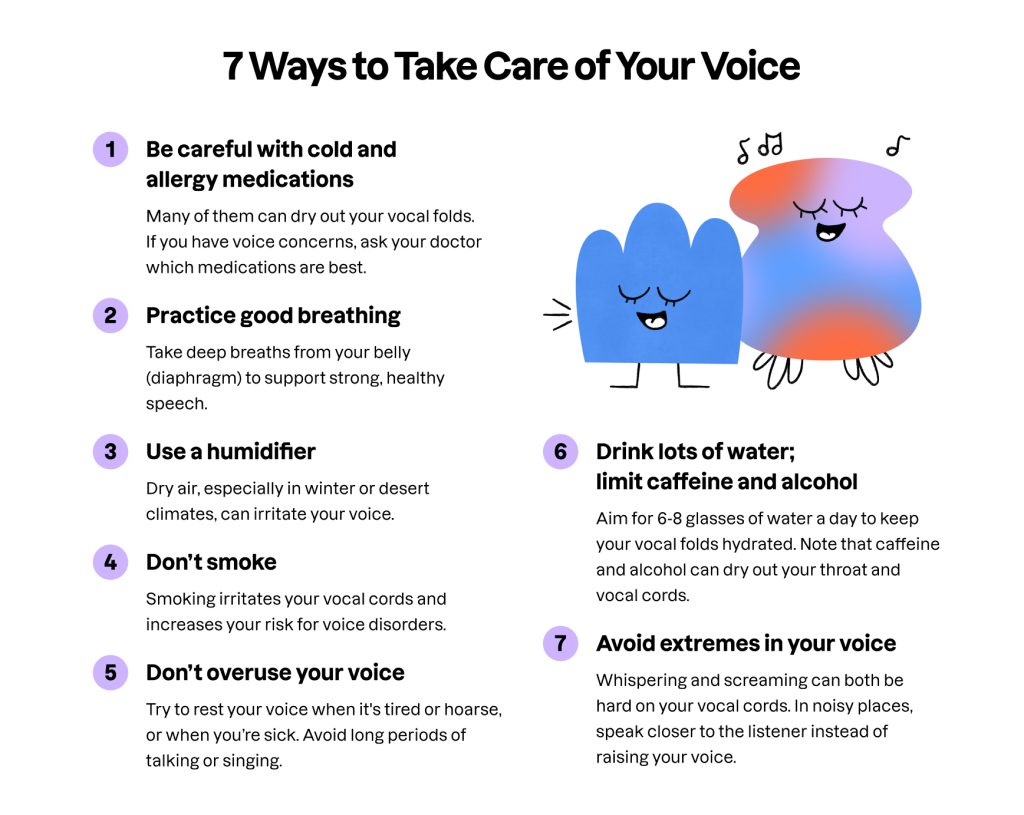
Breath control is the backbone of healthy scream singing. Proper technique can prevent vocal fatigue and maintain sound quality. Practice diaphragmatic breathing by taking deep breaths that expand your belly rather than your chest.
Use breath exercises like sustained notes and controlled release to increase lung capacity. This ensures you have enough air for powerful screams without straining. Ask yourself, are you managing your breath effectively during performances?
Vocal Techniques
Learn to scream sing safely by using proper vocal techniques. Focus on breath control and diaphragm support. Warm-up exercises help prevent vocal strain and injuries.
Vocal techniques are crucial for anyone interested in scream singing. They help maintain vocal health and prevent injuries. By focusing on specific vocal methods, singers can scream safely and effectively. Proper training and practice are key to mastering these techniques. It’s essential to understand the mechanics of the voice to avoid strain.
Safe Scream Methods
Learning safe scream methods is vital. Start by warming up your voice. Use gentle exercises like humming and lip trills. These prepare your vocal cords for intense use. Avoid pushing your voice to its limits immediately. Gradual progression is safer and more sustainable. Focus on breath control. Proper breathing supports vocal strength. Inhale deeply through your diaphragm, not your chest. This technique provides the necessary air pressure for powerful screams without damaging your voice. Maintain hydration. Drink plenty of water before and after singing. Hydrated vocal cords reduce friction and prevent strain.
Balancing Volume And Pitch
Balancing volume and pitch is another essential technique. Keep your volume controlled. Screaming at maximum volume can harm your vocal cords. Aim for a loud yet comfortable level. Adjust your pitch carefully. Find a pitch range that feels natural. Avoid straining to hit high or low notes. Staying within a comfortable range protects your voice. Practice regularly to improve control over volume and pitch. Consistent practice helps develop muscle memory. This ensures you can scream safely without overexerting your voice.
Maintaining Vocal Health
Scream singing safely requires proper technique and regular vocal exercises. Hydrate well and take frequent vocal breaks. Warm up before singing and avoid overexerting your voice to prevent injuries.
Maintaining vocal health is crucial for scream singers. It ensures longevity and prevents injuries. With proper care, your voice can handle intense performances. Here are some essential tips to maintain vocal health.
Hydration Importance
Hydration keeps vocal cords flexible and healthy. Drink plenty of water daily. Avoid caffeine and alcohol, as they dehydrate. Keep a water bottle handy during rehearsals and gigs. Water helps reduce strain and ensures smooth vocal performance.
Rest And Recovery
Rest is as important as practice. Give your voice time to recover after intense sessions. Avoid speaking loudly or whispering when not performing. These can strain your vocal cords. A good night’s sleep aids recovery and keeps your voice strong. Rest days are essential for vocal health. Balance practice with adequate downtime.
Recognizing Warning Signs
Recognize the warning signs of vocal strain when scream singing. Pay attention to throat discomfort or loss of voice. Taking breaks and staying hydrated can prevent injuries and keep your vocal cords healthy.
Recognizing warning signs in scream singing is crucial for vocal health. Singers often push their limits to achieve powerful performances. Knowing the symptoms of vocal strain can prevent long-term damage.
Symptoms Of Vocal Strain
Look out for persistent hoarseness. It indicates vocal cord stress. Experiencing throat pain during or after singing is a red flag. Difficulty hitting high notes may suggest strain. Notice if your voice becomes weak or breathy. This can signal overuse. Recognize changes in pitch or tone. These could be signs of vocal fatigue.
When To Seek Professional Help
Consult a specialist if symptoms persist. A vocal coach can offer guidance. An ENT doctor can assess physical damage. Seek help if pain worsens over time. Professional advice ensures proper recovery. Explore therapy for long-term vocal health. Early intervention prevents serious injury.

Credit: katrinapfitzner.com
Expert Tips For Injury Prevention
Expert tips for injury prevention in scream singing are crucial. Singers often face vocal strain due to improper techniques. This can lead to injuries or voice fatigue. Learning from experts can help maintain vocal health and avoid damage. Implementing professional advice ensures longevity in your singing career.
Advice From Vocal Coaches
Vocal coaches emphasize proper technique for scream singing. They focus on breathing exercises to support the voice. Controlled breathing reduces strain and enhances vocal endurance. Warm-up routines are vital to prepare the vocal cords. They suggest gentle vocal exercises before intense singing sessions. Hydration is also important, keeping the vocal cords flexible. Vocal coaches recommend frequent sips of water during practice.
Technology And Tools
Modern technology aids in scream singing safely. Vocal analysis software helps track vocal health. It provides feedback on pitch and strain levels. Singers can adjust their techniques accordingly. Specialized microphones can reduce vocal strain. They amplify sound without forcing the voice. Ear monitors allow singers to hear themselves better. This helps maintain proper pitch and reduces over-singing. Vocal steamers are useful tools. They soothe and hydrate the throat, reducing the risk of injury.
Credit: www.tiktok.com
Frequently Asked Questions
How To Scream Sing Without Damaging Your Voice?
Start with proper warm-ups to prepare your voice. Use diaphragmatic breathing for control. Practice vocal techniques like distortion safely. Stay hydrated and avoid straining your vocal cords. Consult a vocal coach for personalized guidance.
How To Avoid Damaging Vocal Cords When Singing?
Warm up your voice before singing. Stay hydrated for vocal health. Avoid straining your voice. Use proper singing techniques. Take regular breaks to rest your vocal cords.
Is There A Proper Form For Screaming While Singing?
Yes, there is a proper technique for screaming while singing. Use diaphragmatic breathing to protect vocal cords. Practice regularly, start slow, and gradually increase intensity. Warm up your voice to prevent strain. Consider taking lessons from a vocal coach specializing in this style.
Does Screaming Damage Your Singing Voice?
Yes, screaming can damage your singing voice. It strains vocal cords, causing swelling or nodules. Proper vocal care and technique are essential to prevent injury. Rest, hydration, and vocal exercises help maintain vocal health. Avoid excessive shouting to protect your voice.
Conclusion
Singing with a scream can be exciting, but safety is key. Practice regularly to strengthen your vocal cords. Warm up your voice before each session. Stay hydrated to keep your throat healthy. Listen to your body’s signals. Rest if you feel strain or pain.
Consider professional lessons for proper technique. Protect your voice to enjoy singing for years. Remember, healthy habits today prevent injuries tomorrow. Keep your passion alive and your voice safe. Enjoy your musical journey while taking care of your vocal health.
Your voice is unique. Cherish it.
