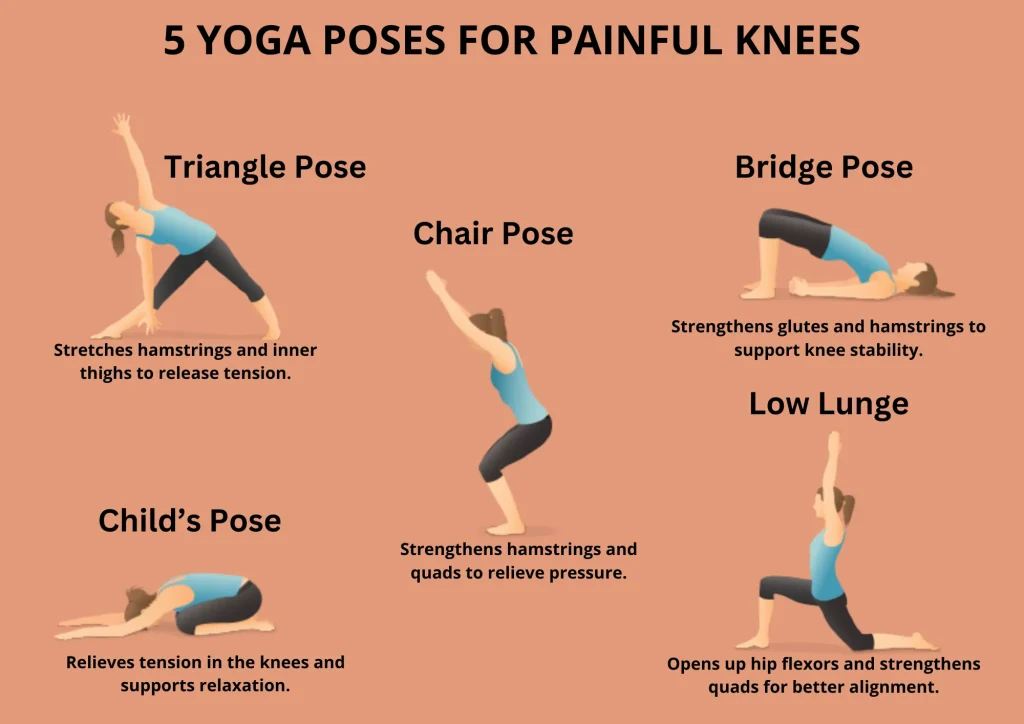
Are you tired of that nagging knee pain that seems to show up at the worst times? Whether you’re an athlete, a weekend warrior, or someone who just wants to enjoy a pain-free walk around the park, knee injuries can be a real obstacle.
The good news is, you have the power to protect your knees with something as simple as stretching. Yes, you heard it right—stretching! This isn’t just for yoga enthusiasts or gymnasts; it’s for everyone who wants to keep their knees healthy and injury-free.
Imagine feeling confident and pain-free, whether you’re chasing after kids, conquering a hiking trail, or smashing your personal best at the gym. You’ll discover how the right stretches can be your secret weapon against knee injuries. Ready to take control of your knee health? Keep reading and let’s dive into the simple steps you can take to keep your knees strong and resilient!
Benefits Of Stretching
Stretching helps keep knee joints flexible, reducing the risk of injury. Focus on hamstrings and quadriceps to support knee health. Consistent stretching improves circulation and muscle balance.
Stretching plays a vital role in preventing knee injuries. It prepares your muscles and joints for activity, reducing the risk of strain. Regular stretching keeps your body agile, making it easier to move freely. Below are some key benefits of stretching that contribute to knee health.
Enhancing Flexibility
Flexibility is crucial for movement. Stretching improves your range of motion. It helps muscles adapt to different positions. This reduces the likelihood of injuries. Flexible muscles absorb impact better, protecting your knees.
Reducing Muscle Tension
Muscle tension can lead to discomfort. Stretching relaxes tight muscles. It releases tension and stress. This relaxation prevents muscle strain. Less strain means less pressure on your knees.
Improving Joint Health
Healthy joints are essential for movement. Stretching increases blood flow to the joints. It nourishes them, keeping them strong. Strong joints support knee stability. This stability decreases injury risk.

Credit: www.self.com
Common Knee Injuries
Knee injuries are common among athletes and active individuals. These injuries can limit mobility and cause pain. Knowing the types of knee injuries helps in prevention. Stretching plays a vital role in keeping the knee healthy.
Acl Tears
An ACL tear affects the anterior cruciate ligament. This injury often happens during sports that involve sudden stops or changes in direction. Symptoms include pain, swelling, and instability in the knee. Stretching and strengthening exercises help support the knee and reduce the risk.
Meniscus Tears
A meniscus tear involves the cartilage in the knee. It often results from twisting or turning quickly, especially with the foot planted. Symptoms include swelling, stiffness, and difficulty moving the knee. Regular stretching can improve flexibility and help prevent such tears.
Patellar Tendinitis
Patellar tendinitis is inflammation of the tendon connecting the kneecap to the shinbone. It’s common in activities involving jumping or running. Symptoms are pain and tenderness in the knee area. Stretching helps improve muscle elasticity and reduce strain on the tendons.
Pre-stretching Warm-up
Pre-stretching warm-up is crucial for preventing knee injuries. It prepares your body for stretching and helps avoid strains. A good warm-up increases flexibility and reduces the risk of injury. It primes muscles and joints for activity, making stretching more effective.
Dynamic Warm-up Exercises
Dynamic exercises get your body moving and muscles activated. They help improve range of motion. Try leg swings, high knees, and butt kicks. These movements increase heart rate and prepare knees for stretching.
Focus on movements that mimic actions in your workout. This ensures your muscles are ready for the activity. Dynamic exercises boost energy and prepare your mind.
Importance Of Blood Flow
Warm-up increases blood flow to muscles. It delivers oxygen and nutrients, enhancing performance. Better blood circulation reduces stiffness. It helps muscles become more elastic and ready.
Good blood flow minimizes strain on joints. It helps keep knees healthy and injury-free. Warm muscles are less prone to damage during exercise. Ensuring proper blood flow is key to effective stretching.
Credit: www.nyspine.com
Effective Stretching Techniques
Gentle stretching can help prevent knee injuries. Focus on quadriceps and hamstrings for better knee support. Regularly hold stretches for 20-30 seconds to enhance flexibility.
Stretching is an essential routine not just for athletes but for anyone wanting to protect their knees from injury. By focusing on effective stretching techniques, you can significantly reduce the risk of knee injuries. Stretching enhances flexibility, improves range of motion, and prepares your muscles for physical activities. Remember how you felt after a well-executed stretch? The sense of relief and readiness is what your knees crave, especially if you lead an active lifestyle. Let’s dive into some effective techniques that will keep your knees happy and healthy.
Quadriceps Stretches
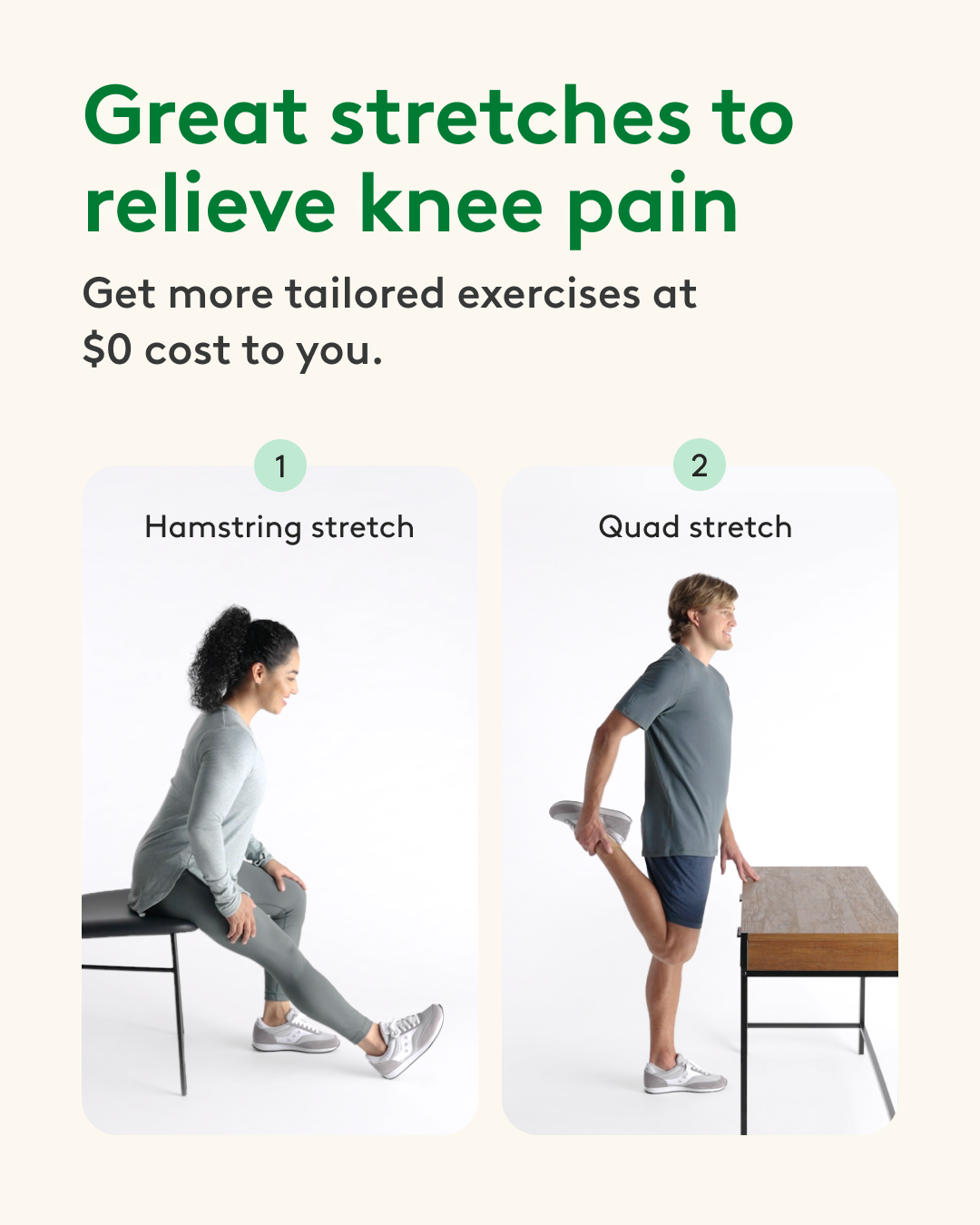
Your quadriceps play a critical role in knee stability. To stretch them effectively, stand on one leg and bring the heel of the opposite leg towards your buttocks. Hold your ankle with your hand and keep your knees together. Maintain this position for 20-30 seconds, feeling the gentle pull in your thigh. If balancing is a challenge, use a wall or a chair for support. Regularly performing this stretch can help prevent tight quads that often lead to knee strain.
Hamstring Stretches
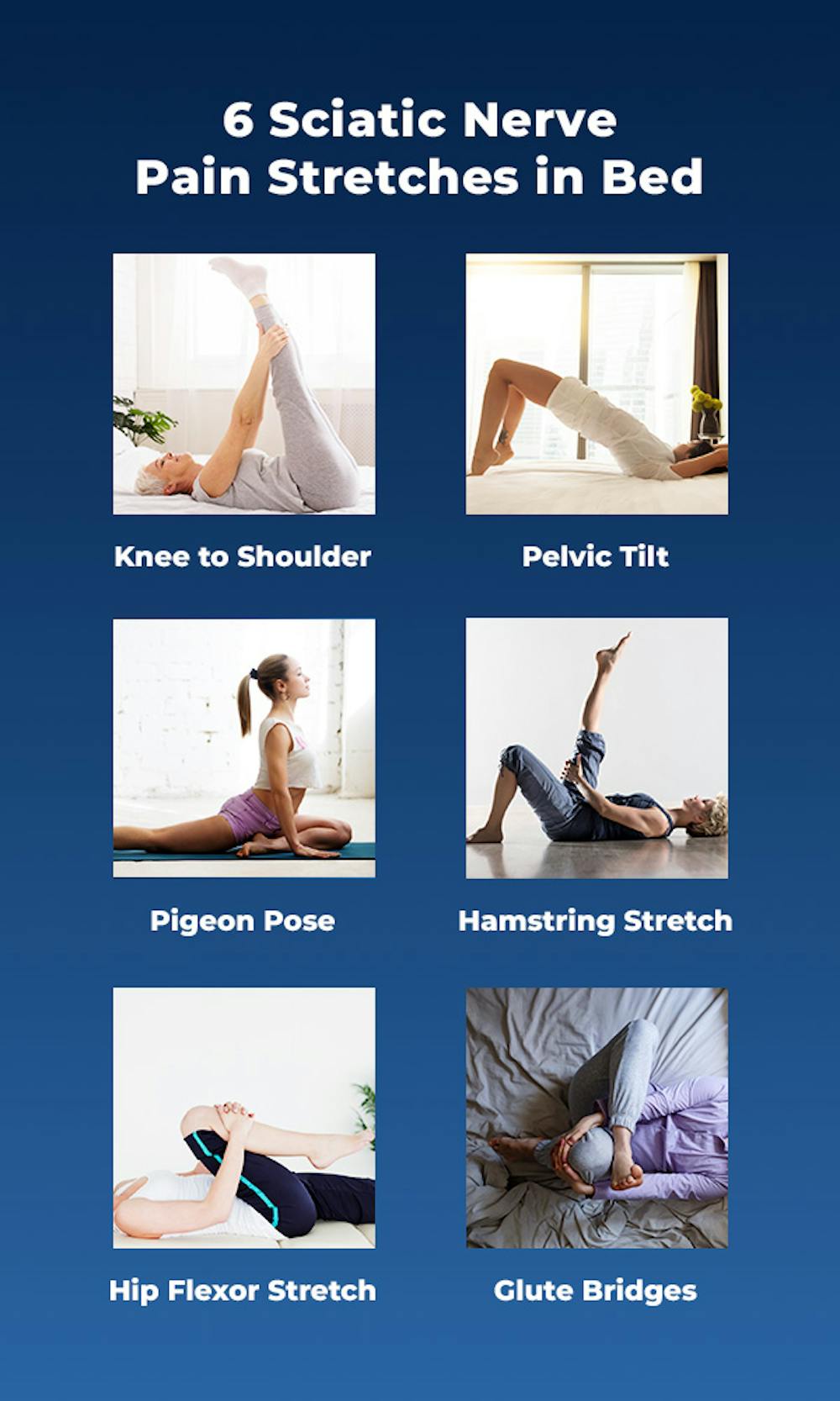
Hamstrings, located at the back of your thighs, can also impact knee health. Sit on the ground with one leg extended and the other bent inward. Reach towards the toes of the extended leg, aiming to touch them. You should feel a stretch along the back of your thigh. Hold this position for 20-30 seconds, then switch legs. This stretch not only relieves tension but also promotes better circulation, aiding in overall knee function.
Calf Stretches
Never underestimate the power of flexible calves in maintaining knee health. Stand facing a wall, place your hands on it, and step one leg back, keeping it straight with the heel on the ground. Bend the front knee and lean forward, feeling the stretch in your back calf. Hold for 20-30 seconds and switch legs. This simple stretch helps in preventing tight calves that can contribute to knee pain and injuries. Regular calf stretches can be a game-changer for those who love running or hiking. Incorporating these stretching techniques into your routine requires minimal time but offers substantial benefits. Which of these stretches will you try first to keep your knees injury-free?
Stretching Tips From Experts
Proper stretching can help prevent knee injuries. Focus on gentle stretches that target the quadriceps and hamstrings. Always warm up muscles before stretching to increase flexibility and reduce strain.
Stretching Tips from Experts Stretching is a crucial part of any fitness routine, especially when it comes to preventing knee injuries. Experts agree that proper stretching techniques can significantly reduce your risk of injury. By integrating expert-recommended practices, you can enhance your flexibility and keep your knees healthy.
Frequency And Duration
How often should you stretch to protect your knees? Experts suggest stretching at least three times a week. Each session should last about 10 to 15 minutes. Consistency is key to reaping the benefits. You don’t need to stretch for hours, but regularity is important. A brief stretch before and after workouts can make a big difference.
Proper Breathing Techniques
Breathing might seem trivial, but it plays a vital role in stretching effectively. Always breathe deeply and rhythmically during stretches. It helps your muscles relax, allowing for a deeper stretch. Try inhaling through your nose and exhaling slowly through your mouth. This not only aids in relaxation but also ensures better oxygen flow to your muscles. Have you ever noticed how much more relaxed you feel when you breathe deeply? By focusing on your breath, you can enhance your stretching routine and protect your knees from injury.
Incorporating Stretching Into Routine
Incorporating stretching into your routine can help prevent knee injuries. Focus on gentle stretches for the hamstrings and quadriceps. Consistent practice improves flexibility and supports joint health.
Incorporating stretching into your daily routine can be a powerful way to prevent knee injuries. By dedicating just a few minutes each day, you can enhance flexibility, improve muscle strength, and increase joint stability. The key is consistency and making stretching a habitual part of your life.
Creating A Balanced Routine
Crafting a balanced stretching routine involves targeting all major muscle groups around the knee. Begin with dynamic stretches to warm up your muscles, such as leg swings or gentle lunges. These prepare your body for more focused stretching by increasing blood flow and flexibility. Follow up with static stretches, holding each pose for 20-30 seconds. Focus on your quadriceps, hamstrings, calves, and hip flexors. These stretches help maintain muscle elasticity and joint range of motion. Mix stretching with other activities like walking or yoga to keep things interesting. This variety not only prevents monotony but also targets different muscle groups, enhancing overall knee support.
Using Stretching Props
Stretching props can enhance your routine and make exercises more effective. Resistance bands add tension to stretches, making them more challenging and beneficial for muscle growth. Try using a band for leg extensions or lateral leg raises to engage your knee stabilizers. Foam rollers can aid in muscle recovery and flexibility. Roll out your calves and thighs to release tension and improve blood circulation. This can be particularly helpful after workouts. Yoga blocks and straps provide support for deeper stretches. Use them to maintain proper form and extend your reach. These props can prevent strain and allow for gradual progress in your flexibility journey. Have you ever considered using props to elevate your stretching routine? They offer support, enhance flexibility, and keep your routine fresh. Incorporating these tools can transform how you approach daily stretching.
Signs Of Overstretching
Stretching helps prevent knee injuries, but overstretching can cause harm. It’s important to know the signs of overstretching to protect your knees. Recognizing these signs can help you maintain a safe stretching routine.
Recognizing Pain Signals
Pay attention to any sharp or sudden pain. Discomfort is normal during stretching, but pain signals a problem. Stop stretching if you feel intense pain. Listen to your body to avoid injury.
Swelling around the knee after stretching can indicate overstretching. Swelling may lead to more serious issues if ignored. Monitor your knee’s response to stretching.
Avoiding Muscle Strain
Muscle strain often results from overstretching. Signs include muscle tightness and tenderness. These symptoms suggest you pushed too hard during your stretch.
Fatigue in your muscles can also signal overstretching. If your muscles feel tired after a short stretch, ease off. Ensure your stretching routine is balanced and moderate.
Additional Preventive Measures
Preventing knee injuries involves more than just stretching. Other measures can help keep your knees safe and healthy. Consider strengthening exercises and wearing proper footwear.
Strengthening Exercises
Strengthening exercises build muscles around the knee. Strong muscles support and protect the joint. Focus on exercises that target the quadriceps and hamstrings.
Try leg presses or squats. These exercises are effective for strengthening. Use light weights and perform controlled movements.
Include exercises like lunges. They enhance balance and muscle endurance. Perform them slowly to maintain proper form.
Proper Footwear
Wearing the right shoes can prevent knee injuries. Choose shoes that fit well and provide adequate support. Good footwear absorbs shock and reduces stress on the knees.
Look for shoes with a cushioned sole. They reduce impact during activities. Consider shoes with a stable heel.
Regularly inspect your shoes for wear. Replace them when the soles wear down. This ensures continued support and safety.
Credit: www.hingehealth.com
Frequently Asked Questions
How To Stretch Knees To Avoid Injury?
Stretch knees gently with leg extensions and hamstring stretches. Warm up first to enhance flexibility. Hold each stretch for 15-30 seconds. Repeat regularly to strengthen muscles and prevent injuries. Always listen to your body and avoid overexertion during stretching.
How Can I Strengthen My Knees To Prevent Injury?
Strengthen your knees by performing exercises like squats, lunges, and leg presses. Incorporate balance exercises and stretching. Maintain a healthy weight to reduce joint stress. Consider low-impact activities like swimming or cycling. Consult a physical therapist for personalized guidance.
How Can A Knee Injury Be Prevented?
Strengthen muscles with regular exercise to support knee stability. Wear proper footwear for activities. Warm up before workouts to prepare joints. Maintain a healthy weight to reduce knee strain. Use knee pads or braces during high-risk sports.
What Is The 1 Mistake That Makes Bad Knees Worse?
Ignoring pain and continuing high-impact activities worsens bad knees. Rest and consult a doctor for proper treatment.
Conclusion
Stretching helps prevent knee injuries and keeps your joints healthy. Regular practice improves flexibility and reduces strain on your knees. Make stretching a daily habit to maintain strong muscles. Listen to your body and avoid pushing too hard. A few minutes each day can make a big difference.
Stay consistent for the best results. Remember, safe knees support an active lifestyle. If you feel pain, consult a healthcare professional. Start today and protect your knees for the future. Stretching is simple but effective. Your knees will thank you.
