Are you dreaming of touching your toes without bending your knees? Or perhaps you’re yearning to effortlessly twist into poses that seem like second nature to seasoned yogis?
You’re not alone. Flexibility is not just a physical attribute; it’s a gateway to a healthier, more relaxed, and balanced you. But with so many yoga styles out there, it can be overwhelming to find the best one to enhance your flexibility.
Don’t worry; we’ve got you covered. You’ll discover the most effective yoga practices that can transform your stiffness into suppleness, and help you find the right fit for your flexibility journey. Stay with us, because what you’re about to learn could be the game-changer your body has been waiting for.

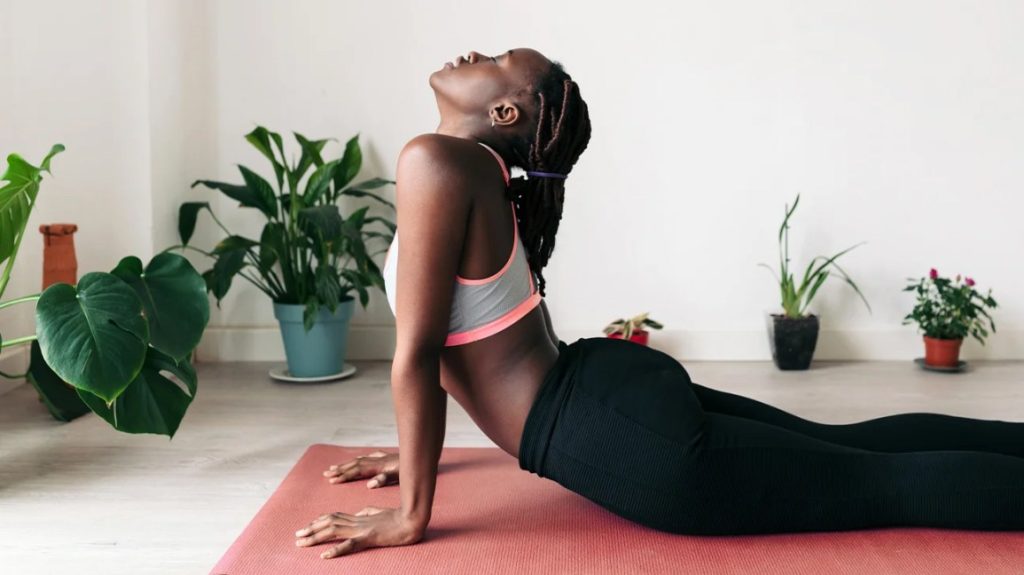
Credit: www.healthline.com
Benefits Of Yoga For Flexibility
Yoga enhances flexibility by stretching tight muscles. Hatha and Vinyasa styles are best for improving flexibility. They focus on gentle poses that gradually increase your range of motion. Regular practice helps loosen joints, making everyday movements easier and more comfortable.
Yoga is a powerful tool for enhancing flexibility. It can help you stretch and lengthen muscles while improving your range of motion. Whether you’re a seasoned yogi or a beginner, incorporating yoga into your routine can lead to noticeable changes in your flexibility. Let’s explore how yoga can benefit your flexibility and boost your overall well-being.
Improved Range Of Motion
Yoga helps you move your body in ways that increase your range of motion. Poses like the downward dog and the cat-cow stretch target tight areas. These exercises make your joints more supple and less prone to injury. You might find yourself reaching higher shelves or bending over to tie your shoes with ease.
Reduced Muscle Tension
Have you ever felt knots in your shoulders after a long day at work? Yoga can be your remedy. By focusing on breath and movement, yoga helps release tension stored in muscles. This leads to a feeling of relaxation and relief. Your body feels lighter and more agile, ready to take on the day.
Enhanced Posture
Yoga’s focus on alignment directly impacts your posture. Standing or sitting tall becomes second nature. This can prevent issues like back pain and improve your overall appearance. You’ll notice a boost in confidence as you walk with your head held high.
Better Performance In Other Activities
Flexibility gained from yoga enhances your performance in other sports or exercises. Picture yourself running faster or lifting heavier weights. Yoga prepares your muscles to respond better to various physical demands. This can be a game-changer for your fitness goals.
Increased Mind-body Connection
Yoga isn’t just physical; it’s mental too. As you stretch deeper, you become more aware of your body. This mind-body connection is crucial for making progress in flexibility. You start to understand your limits and push them safely. This awareness can translate into everyday life, making you more present and focused. Flexibility through yoga is not just about touching your toes. It’s about improving how you move and feel. Have you tried yoga for flexibility yet? If so, what’s your favorite pose? If not, maybe it’s time to unroll your mat and give it a try.
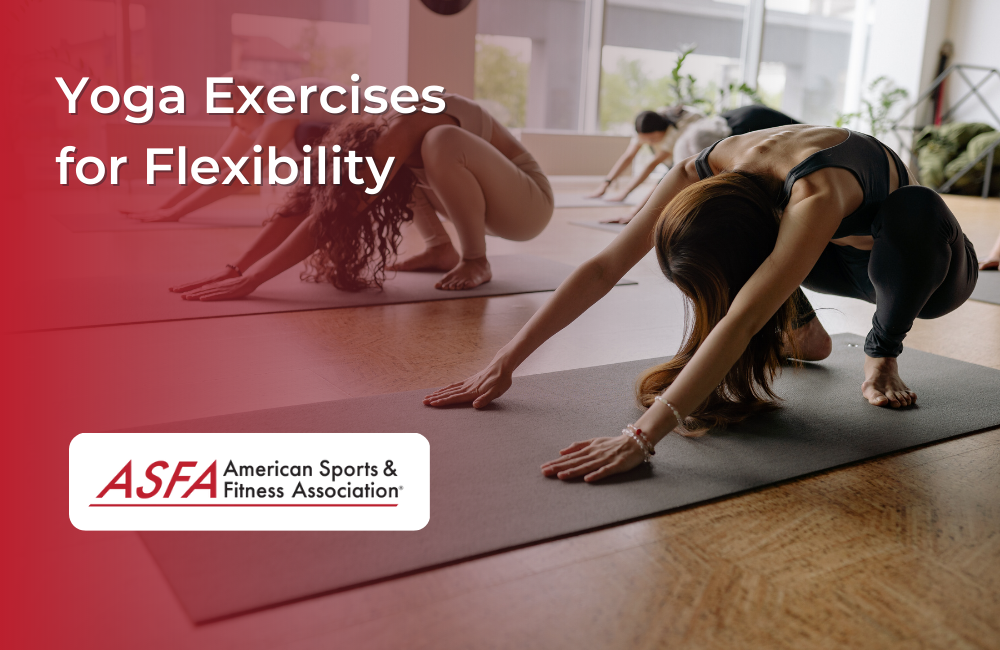
Credit: www.americansportandfitness.com
Factors Influencing Flexibility
Factors like age, genetics, and activity level play a role in flexibility. Yoga styles like Vinyasa and Yin are effective for stretching and improving range of motion. Regular practice enhances body flexibility, promoting better posture and reducing injury risks.
Flexibility is a key benefit of yoga, but achieving it can depend on several factors. Understanding these can help you choose the best yoga practices to enhance your flexibility. Let’s delve into these factors that play a crucial role in determining how flexible you can become.
1. Age And Flexibility
Age can influence how flexible you are. Generally, younger individuals have more pliable muscles and joints. However, don’t let age discourage you from improving flexibility. Consistent yoga practice can enhance flexibility at any age.
2. Genetics And Body Type
Your genetic makeup and body type can impact your flexibility levels. Some people are naturally more flexible than others. Instead of focusing on limitations, embrace your unique body and work within its capabilities.
3. Physical Activity Level
How active you are can significantly affect your flexibility. Regular movement keeps your muscles loose and joints supple. If you lead a sedentary lifestyle, try to incorporate more physical activities into your routine.
4. Diet And Hydration
What you eat and drink can also play a role. A diet rich in nutrients supports muscle health, while proper hydration keeps tissues lubricated. Have you ever noticed how your body feels stiffer when you’re dehydrated?
5. Stress And Tension
Stress can cause your muscles to tense up, limiting flexibility. Yoga not only enhances flexibility but also helps manage stress. Consider how relaxing into a yoga pose can sometimes be more about mental release than physical effort.
6. Consistency And Practice
Regular yoga practice is crucial. Sporadic efforts won’t yield the desired results. Create a routine that fits your schedule, and stick to it. How committed are you to making a change?
7. Type Of Yoga
Different styles of yoga offer varying benefits. Yin yoga, for instance, focuses on deep stretching and holding poses, which can significantly improve flexibility. What style resonates with your goals? Flexibility is not just a physical trait; it’s a journey that involves understanding your body and its needs. By considering these factors, you can choose the right yoga practices that align with your flexibility goals. As you embark on this journey, remember that progress is personal and unique to you. How will you approach enhancing your flexibility today?
Top Yoga Styles For Flexibility
Improving flexibility through yoga is a journey worth embarking on. Different yoga styles offer unique benefits, and choosing the right one can enhance your flexibility in ways you might not expect. Whether you’re looking to touch your toes or achieve more advanced poses, the following yoga styles could be your ticket to greater flexibility. Let’s dive into what each style can offer.
Hatha Yoga
Hatha Yoga is often considered the best starting point for beginners aiming to improve flexibility. It focuses on basic poses that stretch and strengthen your body without rushing you through them. The slower pace allows you to understand your body’s limits and gently push them. One day, you might notice you can reach just a little further than the day before. Isn’t that a rewarding feeling?
Vinyasa Yoga
Vinyasa Yoga combines movement with breath, creating a dynamic flow that warms up your muscles. This style is great for flexibility because it encourages fluidity. Think about how water adapts to its surroundings. That’s how your body can feel after a Vinyasa session. You’ll find yourself moving with more ease and grace, and those tight spots may start to loosen.
Yin Yoga
Yin Yoga is all about patience and deep stretching. Poses are held for extended periods, allowing muscles to relax and lengthen. This style targets the deeper tissues, helping release tension. You might find that taking time to sink into each pose becomes a meditative experience. Can you imagine the feeling of letting go and finding more space within?
Ashtanga Yoga
Ashtanga Yoga is a more rigorous practice, offering a set sequence of poses that build strength and flexibility over time. It requires dedication but rewards you with noticeable progress. The repetition helps you become intimately familiar with each pose, allowing your body to adapt and stretch further. Picture the satisfaction of mastering a challenging sequence; isn’t that worth the effort?
Choosing the right yoga style for flexibility involves understanding your body’s needs and embracing the journey. Each style offers unique insights and benefits, leading to improved flexibility. Which style resonates with you, and how will you integrate it into your routine? The path to flexibility is personal, but the rewards are universally appreciated.

Credit: liforme.com
Key Poses To Enhance Flexibility
Yoga poses like the downward dog, pigeon pose, and butterfly stretch greatly improve flexibility. These poses target different muscle groups. Regular practice helps increase range of motion and ease of movement.
Improving flexibility through yoga is not just about touching your toes or mastering a challenging pose. It’s about feeling more comfortable in your own body, reducing tension, and enhancing overall well-being. Whether you’re a seasoned yogi or a beginner, incorporating specific poses into your routine can significantly enhance your flexibility. Below are some key poses that target various parts of your body, helping you stretch and strengthen effectively.
Forward Bends
Forward bends are excellent for stretching the spine and hamstrings. Consider trying the Standing Forward Bend (Uttanasana), which helps release tension from your back and shoulders. This pose encourages you to fold at the hips, allowing gravity to assist in deepening your stretch. You might find that after a few sessions, your fingertips start grazing the floor more easily. Another great pose is the Seated Forward Bend (Paschimottanasana). This pose is fantastic for a full-body stretch, targeting your back, hips, and hamstrings. Remember to keep your spine long as you reach for your toes, and breathe deeply to ease into the stretch.
Backbends
Backbends are pivotal for enhancing flexibility in your spine and chest. The Cobra Pose (Bhujangasana) is a gentle backbend that opens up the chest and strengthens the spine. As you press your palms into the mat, lift your chest and gaze forward. Feel the stretch along your spine and notice how your posture improves over time. For a deeper stretch, try the Wheel Pose (Urdhva Dhanurasana). This pose requires more strength and flexibility, but with practice, it can significantly enhance your spinal flexibility. Ensure your shoulders are aligned and engage your core for support.
Twists
Twists are superb for enhancing flexibility in the spine and improving digestion. The Seated Spinal Twist (Ardha Matsyendrasana) is a classic pose that helps elongate the spine and release tension. As you twist, imagine wringing out stress and toxins from your body. Reclining Twist (Supta Matsyendrasana) is another soothing pose that stretches your back and shoulders. Lie down, and let your knees fall to one side, feeling the gentle rotation in your spine. This pose is particularly relaxing and can help you wind down after a long day.
Hip Openers
Hip openers are essential for releasing tightness and improving flexibility in the hips. The Pigeon Pose (Kapotasana) is a deep hip opener that targets your hip flexors and lower back. As you settle into the pose, you might notice the tension melting away, leading to increased mobility. Another beneficial pose is the Bound Angle Pose (Baddha Konasana). This pose stretches your inner thighs and groin, encouraging better circulation and flexibility. Have you ever considered how these poses could transform your daily life? Improved flexibility not only enhances your yoga practice but also makes everyday movements more fluid and less strenuous. Integrating these poses into your routine can lead to a more comfortable, agile, and resilient body. So why not start today and experience the difference yourself?
Integrating Yoga Into Daily Routine
Vinyasa yoga is perfect for improving flexibility. It involves fluid, flowing movements that gently stretch muscles. Practicing regularly enhances flexibility over time, offering a balanced approach to daily wellness.
Integrating yoga into your daily routine can be a game-changer for improving flexibility. Whether you’re a seasoned yogi or a beginner, making yoga a regular part of your day can offer significant benefits. Flexibility isn’t just about touching your toes; it’s about feeling good in your body and moving with ease.
Start With Morning Stretches
A few minutes of yoga in the morning can set a positive tone for your day. Begin with simple stretches like the Cat-Cow pose or a gentle seated forward bend. These poses wake up your muscles and help you ease into your day with a more flexible body.
Create A Dedicated Space
Having a designated yoga space in your home can motivate you to practice regularly. It doesn’t have to be big; even a corner with a mat and a few props can do wonders. By creating a serene environment, you invite calmness and focus, making it easier to stick to your routine.
Incorporate Yoga Breaks
If you have a busy schedule, consider short yoga breaks during your day. Just five minutes of stretching can refresh your mind and relieve tension in your muscles. Try a quick Downward Dog or a standing forward fold to rejuvenate your body and spirit.
Use Technology To Stay Consistent
Apps and online classes offer flexibility and guidance. Choose a platform that suits your style and schedule, and set reminders to practice. Consistency is key, and technology can provide the structure you need to keep yoga a daily habit.
End Your Day With Relaxing Poses
Evening yoga can help you unwind and prepare for a restful sleep. Gentle poses like the Child’s Pose or the Supine Spinal Twist relax your body and calm your mind. Ending the day with yoga can enhance your flexibility while promoting overall well-being.
Find What Works For You
Everyone’s routine looks different, and that’s okay. Experiment with different times and styles to find what fits your life. What’s most important is that your yoga practice feels like a natural part of your day. Are you ready to embrace flexibility both on and off the mat?
Tips For Maximizing Flexibility Gains
Yoga is a fantastic way to improve flexibility, but knowing how to maximize your gains can take your practice to the next level. Whether you’re a beginner or have been practicing for a while, these tips can help you stretch further and feel better. You don’t have to be a contortionist to see improvements; small, consistent changes can make a big difference.
Warm Up Properly
Before diving into your yoga routine, warming up is crucial. Start with light movements like jumping jacks or arm swings to get your blood flowing. This prepares your muscles for deeper stretches. Skipping this step can lead to injuries, so don’t rush it.
Focus On Breath Control
Breathing deeply can enhance your flexibility. As you inhale, visualize your muscles relaxing and expanding. When you exhale, try to deepen your stretch slightly. Controlled breathing also keeps your mind calm, making it easier to hold poses longer.
Stay Consistent
Consistency is key to seeing flexibility gains. Practice yoga regularly, even if it’s just for 10 minutes a day. Over time, you’ll notice your body becoming more supple. Think of your yoga mat as a place for small victories that build into bigger ones.
Listen To Your Body
Your body knows its limits better than you do. If a pose feels uncomfortable or painful, ease back and find a modification. Pushing too hard can result in setbacks. Use discomfort as a guide to adjust your practice, not as a hurdle to overcome.
Set Realistic Goals
Setting achievable goals keeps you motivated. Instead of aiming for splits right away, focus on touching your toes or improving your posture. Celebrate small milestones to keep your spirits high. What flexibility goal have you set for yourself?
Use Props Wisely
Props like blocks and straps can be invaluable. They help maintain correct alignment and offer support in challenging poses. Don’t hesitate to use them; they’re tools for progress, not signs of weakness.
Experiment With Different Styles
Different yoga styles offer varied benefits for flexibility. Try Vinyasa for dynamic movements or Yin Yoga for deep, long holds. Exploring various styles prevents monotony and challenges your body in new ways. Have you tried switching up your yoga routine lately?
Improving flexibility through yoga is a personal journey, filled with discoveries and achievements. By applying these tips, you can enhance your practice and enjoy the process. So, roll out your mat and start stretching towards a more flexible you!
Precautions And Safety Measures
Practicing yoga for flexibility is beneficial but requires caution. To avoid injuries, understanding safety measures is crucial. Beginners may not know how to protect themselves during yoga sessions. Taking precautions can ensure safe and effective practice.
Understanding Your Limits
Know your body’s capabilities. Don’t push beyond your comfort zone. Listen to your body’s signals to avoid strain. Progress gradually for better results.
Warm-up Before Starting
Always begin with a warm-up. It prepares your muscles for stretching. Loosening up reduces injury risk. A few minutes of light exercise is enough.
Proper Alignment
Focus on correct posture. Misalignment can lead to injuries. Use mirrors or guidance for accurate poses. Proper alignment maximizes benefits and minimizes risks.
Breathing Techniques
Breathing supports movement in yoga. Practice deep and controlled breaths. It enhances relaxation and flexibility. Proper breathing aids in maintaining focus.
Use Props For Support
Yoga props like blocks provide stability. They help maintain correct posture. Props assist in achieving poses safely. Using them prevents overstretching.
Consult A Professional
Seek guidance from a yoga instructor. Professionals offer advice tailored to your needs. They ensure safe practice and prevent common mistakes. A trainer provides personalized support.
Frequently Asked Questions
What Type Of Yoga Is Best For Flexibility?
Vinyasa and Hatha yoga are excellent for improving flexibility. They involve flowing movements and postures. Practicing consistently enhances muscle elasticity and joint range. Try incorporating yoga sessions into your routine for better flexibility.
Can I Improve Flexibility With Yoga?
Yes, yoga can improve flexibility. Regular practice stretches muscles and increases joint range of motion. Choose poses targeting tight areas for best results. Consistent practice enhances body flexibility over time. Yoga also promotes overall well-being, helping with stress reduction and muscle relaxation.
How Long Does It Take To Improve Flexibility In Yoga?
Improving flexibility in yoga varies for each person. Some notice changes in a few weeks, while others may take months. Consistency in practice, proper technique, and patience are key. Incorporating a balanced diet and hydration can also aid progress. Everyone’s body is different, so results will differ.
Which Yoga Is The King Of All Yoga?
Ashtanga Yoga is often considered the king of yoga. It emphasizes a dynamic and disciplined practice, focusing on breath and movement synchronization. This style builds strength, flexibility, and concentration, offering profound physical and mental benefits. Ashtanga’s structured sequences and rigorous approach set it apart from other yoga styles.
Conclusion
Selecting the right yoga style boosts flexibility effectively. Each yoga type offers unique benefits. Hatha yoga gently stretches muscles. Vinyasa flows enhance fluid movement. Yin yoga targets deep connective tissues. Regular practice is key for improvement. Listen to your body.
Progress at your own pace. Enjoy the journey towards better flexibility. Yoga combines physical and mental wellness. Cultivate patience and persistence. Embrace the process. Flexibility grows over time. Yoga is a lifelong path. Stay committed and see the results. Celebrate small victories.
Keep practicing and enjoy every step.
