Imagine waking up every day feeling confident that you’re taking steps to protect yourself or your loved ones from pressure injuries. Pressure injuries, often referred to as bedsores, are not just uncomfortable; they can lead to serious health complications.
Understanding how to prevent them is crucial, especially if you or someone you care for spends a lot of time in bed or a wheelchair. Pressure injury prevention is more than just shifting positions; it’s about creating an environment where your skin stays healthy and resilient.
By diving into the strategies and methods available, you can empower yourself with knowledge and ensure better care. You’ll discover practical tips that can make a significant difference in maintaining skin integrity and overall well-being. Keep reading, because the insights you gain here could transform the way you approach health and care routines, making a real impact on your life or the life of someone you love.

Credit: www.facebook.com
Pressure Injuries Explained
Understanding pressure injury prevention is key to maintaining skin health. These injuries occur from prolonged pressure on the skin. Regular movement and skin checks can help prevent them.
Pressure injuries, often called bedsores or pressure ulcers, occur when skin and underlying tissue are damaged due to prolonged pressure. They can develop in areas where bones are close to the skin, such as heels, hips, and elbows. This condition poses a significant health risk, especially for individuals with limited mobility. Understanding pressure injuries is crucial for prevention and treatment.
Types Of Pressure Injuries
Pressure injuries vary based on their appearance and severity. Four main types exist:
- Stage 1: The skin appears red and does not blanch.
- Stage 2: Partial thickness skin loss, resembling a blister.
- Stage 3: Full thickness skin loss, exposing fat tissue.
- Stage 4: Full thickness skin and tissue loss, exposing muscle or bone.
Each type requires specific care strategies to promote healing.
Stages Of Pressure Injuries
Pressure injuries progress through distinct stages. Recognizing these stages aids in effective treatment.
- Stage 1:Intact skin with redness. Pain may be present.
- Stage 2:Loss of the outer skin layer. May include a blister.
- Stage 3:Deeper tissue damage. Fat may be visible.
- Stage 4:Severe damage. Muscle or bone exposure occurs.
Early detection is key to preventing further complications.
Credit: www.medline.com
Risk Factors
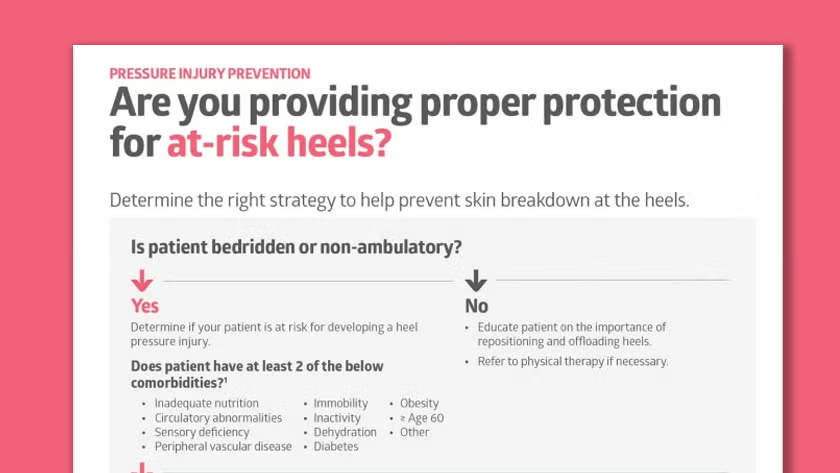
Pressure injury prevention is crucial for ensuring patient well-being. Understanding risk factors is key to effective prevention. These factors increase the likelihood of developing pressure injuries. Awareness helps in addressing and minimizing risks.
Physical Factors
Physical factors play a significant role in pressure injury risk. Immobility is a major contributor. Patients unable to move are prone to pressure buildup. This continuous pressure can damage skin and tissues. Low body weight also increases risk. It reduces padding over bony areas, making skin vulnerable. Poor nutrition affects skin health and healing. Malnourished patients have weaker skin, increasing injury risk.
Environmental Influences
Environmental conditions greatly affect pressure injury development. A poorly maintained bed can be problematic. Hard surfaces exert pressure on skin, leading to injuries. Moisture is another risk factor. Excessive sweating or wet skin increases friction and skin breakdown. Temperature also matters. Extreme heat or cold affects skin integrity. It’s crucial to maintain a stable, comfortable environment for patients.
Individual Health Conditions
Certain health conditions elevate pressure injury risks. Diabetes affects circulation, slowing healing. Patients with diabetes need extra care for skin integrity. Neurological disorders impact mobility. Limited movement increases pressure on specific areas. Vascular diseases hinder blood flow. Poor circulation prevents adequate oxygen supply to skin, causing damage. Recognizing these conditions helps in tailoring prevention strategies.
Prevention Strategies
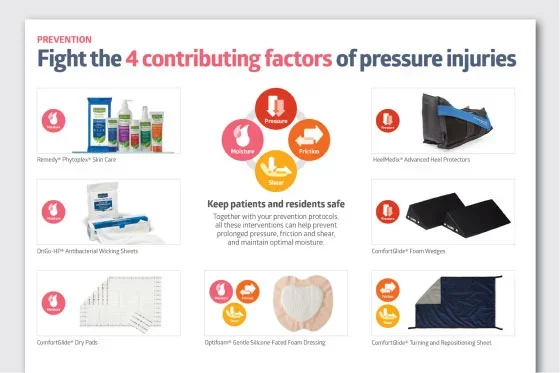
Pressure injury prevention focuses on reducing the risk of skin damage. Regularly changing positions helps maintain healthy blood flow. Using supportive mattresses and cushions can significantly minimize pressure on vulnerable areas.
Pressure injury prevention is crucial for maintaining skin health and overall well-being. By adopting effective prevention strategies, you can significantly reduce the risk of developing pressure injuries. These strategies revolve around proper skin care, positioning, mobility, nutrition, and hydration. Implementing these techniques can make a substantial difference in everyday life and enhance your quality of care.
Skin Care Techniques
Proper skin care is the cornerstone of pressure injury prevention. Regularly inspect your skin for any changes or signs of pressure damage. Cleanse the skin gently using mild soap and water, ensuring it remains dry and free from excess moisture. Moisturize to maintain skin elasticity and prevent dryness, which can lead to breakdown. Consider the use of barrier creams or ointments to protect areas prone to pressure. Personal experience reveals that consistent skin checks can help catch early signs of pressure damage. Have you ever noticed how much more resilient your skin feels after dedicated care?
Positioning And Mobility
Changing positions frequently can prevent pressure build-up on vulnerable areas. Encourage movement and repositioning every couple of hours, especially if you spend prolonged periods in bed or a chair. Using supportive devices like cushions can help distribute pressure evenly. Ensure that your posture is correct, as it can reduce unnecessary strain. Have you tried using a timer to remind yourself to move regularly? It’s amazing how a simple reminder can transform your habits and prevent discomfort.
Nutrition And Hydration
A balanced diet is vital for skin integrity and healing. Incorporate foods rich in vitamins C and E, zinc, and proteins to support tissue repair. Hydration plays an equally important role; water keeps your skin hydrated and aids in cellular functions. Create a meal plan that includes a variety of nutrients to maintain your overall health. Have you ever noticed how being well-hydrated can positively affect your energy levels? It’s not just about drinking water; it’s about nourishing your body from within. By focusing on these prevention strategies, you can actively protect your skin and promote your well-being. What steps will you take today to prioritize your skin health?
Role Of Healthcare Providers
The role of healthcare providers in pressure injury prevention is crucial. They ensure patients receive the best care to avoid these painful injuries. Their expertise and attention to detail make a significant difference in patient outcomes. Let’s explore how healthcare providers contribute through various key responsibilities.
Assessment And Monitoring
Healthcare providers conduct regular skin assessments. They check for early signs of pressure injuries. This proactive approach helps in timely intervention. They use advanced tools to monitor skin health. Continuous monitoring helps in tracking any changes.
Education And Training
Providers educate patients and families about pressure injury prevention. They explain the importance of repositioning and skin care. Training sessions are organized for staff. These sessions enhance the skills needed for effective prevention. Proper education empowers everyone involved in patient care.
Innovations In Prevention
Pressure injury prevention focuses on stopping skin damage before it starts. Advanced techniques include special mattresses and regular position changes. These help reduce pressure on the skin, keeping it healthy.
Innovations in pressure injury prevention are making significant strides today. These advancements aim to reduce the incidence of pressure injuries in healthcare settings. They focus on improving patient comfort and safety. Let’s delve into the exciting innovations shaping this field.
Technological Advancements
Modern technology plays a crucial role in pressure injury prevention. Smart beds with pressure sensors adjust automatically to reduce pressure on vulnerable areas. These beds help in monitoring patients’ movements and alert caregivers to reposition them. Wearable devices track patient activity and pressure points. They provide real-time data to healthcare providers, allowing timely interventions. Advanced materials are being used in mattresses and cushions. These materials distribute body weight evenly, minimizing pressure build-up.
Research And Developments
Ongoing research provides insights into effective prevention strategies. Scientists are exploring new materials that promote skin health. These materials help in reducing friction and shear forces. Studies focus on understanding the biology of skin under pressure. This knowledge aids in developing better protective measures. Collaborative efforts between researchers and clinicians are vital. They aim to translate research findings into practical solutions. Emerging therapies, such as electrical stimulation, are being tested. These therapies show promise in enhancing tissue health and recovery.
Patient And Caregiver Involvement
Pressure injury prevention is vital for patient care. Involving both patients and caregivers enhances the effectiveness of preventive measures. Patients and caregivers play a crucial role in identifying risks and implementing strategies. Their active participation can significantly reduce the incidence of pressure injuries. This section explores how communication, collaboration, empowerment, and advocacy can enhance involvement.
Communication And Collaboration
Open communication between patients and caregivers is essential. It helps in understanding individual needs and concerns. Regular discussions create a supportive environment. Caregivers can share valuable insights from their experiences. Patients can express their comfort levels and preferences. Together, they can devise effective prevention plans. Collaboration fosters a team approach to care.
Empowerment And Advocacy
Empowering patients is key in pressure injury prevention. Educating them about risks and prevention builds confidence. Patients who understand their care are more proactive. Caregivers can advocate for patient needs. They can ensure that the patient’s voice is heard in care decisions. Empowered patients feel more in control of their health. Advocacy strengthens their involvement in care plans.

Credit: www.facebook.com
Frequently Asked Questions
What Is Pressure Prevention?
Pressure prevention involves strategies to avoid pressure ulcers. It includes regular repositioning, skin care, and specialized mattresses. Proper nutrition and hydration also play crucial roles. These measures reduce prolonged pressure on the skin, enhancing overall health and comfort. Effective pressure prevention minimizes risks associated with immobility and improves patient well-being.
What Is One Example Of Pressure Injury Prevention?
Regularly reposition patients to relieve pressure on vulnerable areas, preventing pressure injuries effectively. Use supportive cushions or mattresses.
What Are 5 Ways To Prevent Pressure Ulcers?
1. Reposition patients every two hours to improve blood circulation. 2. Use specialized cushions and mattresses to alleviate pressure. 3. Keep skin clean and moisturized to maintain integrity. 4. Ensure proper nutrition and hydration for skin health. 5. Conduct regular skin inspections to identify early signs of pressure ulcers.
What Is A Pressure Injury?
A pressure injury, also known as a bedsore, is skin damage caused by prolonged pressure. It typically occurs over bony areas like heels or hips. These injuries can lead to serious infections. Regular repositioning and skin care help prevent them.
Early treatment is crucial for healing and preventing complications.
Conclusion
Preventing pressure injuries is crucial for health and comfort. Simple steps make a big difference. Regular checks and repositioning can help greatly. Use supportive cushions or mattresses. Keep skin clean and dry. Stay informed about risk factors. Educate caregivers and loved ones.
Prevention is easier than treatment. Every small effort counts. Protecting the skin safeguards overall well-being. Prioritize these practices daily. Stay proactive in care routines. This ensures better health outcomes. Understanding pressure injury prevention leads to healthier lives. Let’s aim for a pain-free future together.
