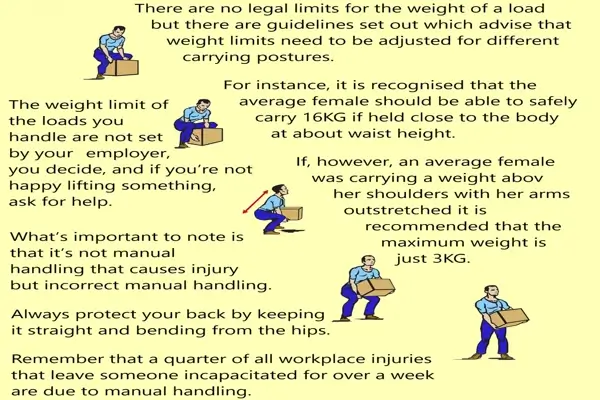
Back injuries are common and can be incredibly debilitating. If you’ve ever experienced that sharp pain or persistent ache, you know how it can interfere with your daily life and activities.
But did you know that a significant number of these injuries stem from improper lifting techniques? Whether you’re moving furniture at home or handling heavy boxes at work, the way you lift can make all the difference. Imagine a life where you can confidently lift without the fear of injury.
How would that change your day-to-day routine? By understanding and applying a few simple guidelines, you can protect your back and ensure your long-term health. Ready to discover the secrets to lifting safely and keeping your back in top shape? Let’s dive into these essential tips that will empower you to lift with confidence and ease.
Causes Of Back Injuries
Understanding the causes of back injuries is essential to prevent them effectively. Many people often underestimate the risks involved in lifting tasks, assuming that only heavy lifting causes problems. However, subtle actions can equally strain your back, leading to discomfort and long-term issues.
Common Activities Leading To Strain
Everyday activities can unexpectedly lead to back injuries. Lifting grocery bags, picking up a child, or even rearranging furniture can all put strain on your back. It’s not always the weight but how you handle it that makes a difference.
Consider how often you bend to tie your shoelaces or reach for something under the bed. Even these simple movements, if done incorrectly, can lead to significant pain. The cumulative effect of these activities without proper technique can be damaging over time.
Impact Of Poor Posture
Poor posture is a silent contributor to back injuries. Whether you’re sitting at your desk or standing in line, slouching can gradually weaken your back muscles. This weakness makes your back more vulnerable to strains and injuries when lifting.
Think about your daily posture habits. How often do you catch yourself hunching over your computer or leaning awkwardly while texting? Correcting these habits can be a game-changer for your back health.
Improving your posture isn’t just about aesthetics; it’s about functionality and preventing pain. So next time you catch yourself slouching, straighten up and give your back the support it needs.
Proper Lifting Techniques
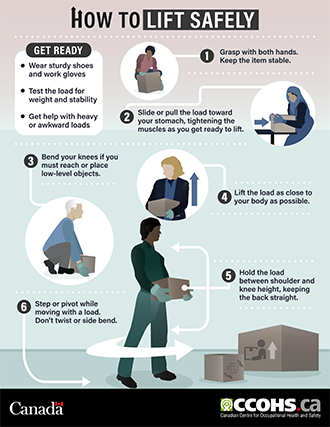
Lift with your legs, not your back, to prevent injuries. Keep the load close to your body. Bend your knees, not your waist, and maintain a stable stance.
Proper lifting techniques are essential to prevent back injuries, especially in everyday tasks that require moving heavy objects. Many people underestimate the importance of using the correct method when lifting, often leading to painful and sometimes chronic back problems. Let’s dive into some practical guidelines that can help you lift safely and effectively.
Using Your Legs, Not Your Back
When lifting, your legs should do the heavy work, not your back. Bend your knees and squat down to the level of the object. Keep your back straight and let your legs take the weight as you stand up. Imagine your legs as the pistons of a powerful machine. They are designed to bear loads and help you rise smoothly. This technique not only protects your back but also strengthens your leg muscles over time.
Avoiding Twisting Movements
Twisting while lifting is a common mistake that can lead to serious injury. Keep your shoulders and hips aligned. If you need to turn, pivot your feet instead of twisting your torso. Think of your body as a solid unit. Twisting can create uneven pressure on your spine. By moving your feet instead, you maintain balance and reduce the risk of straining your back. Consider how often you lift items at home or work. Are you mindful of these techniques? Adopting proper lifting habits can make a significant difference in your long-term health and well-being.
Ergonomic Workspaces
Ergonomic workspaces can aid in preventing back injuries when lifting. Maintain a straight back and bend at the knees. Ensure items are close to your body before lifting.
Creating an ergonomic workspace can prevent back injuries. It ensures comfort and reduces strain. Adjusting your workspace can make a significant difference. Let’s explore some key elements.
Choosing The Right Chair
A good chair supports your back. It should have adjustable height. Look for lumbar support to maintain the spine’s natural curve. The seat should allow feet to rest flat. Armrests should support elbows, reducing shoulder strain. Test the chair’s comfort before buying.
Desk And Monitor Placement
Place the desk at elbow height. This keeps arms parallel to the floor. Position the monitor at eye level. Avoid neck strain by keeping it an arm’s length away. Use a stand if the monitor is too low. Ensure proper lighting to reduce eye strain.
Credit: www.ccohs.ca
Exercise And Strengthening
Preventing back injuries while lifting requires more than just proper technique. Exercise and strengthening play a crucial role in maintaining a healthy back. A strong core and flexible muscles support your spine, reducing the risk of injury. Regular workouts target these areas, ensuring you lift safely and efficiently.
Core Strengthening Exercises
A strong core stabilizes your entire body. It helps maintain proper posture during lifting. Include these exercises in your routine:
- Planks:Hold a plank position for 30 seconds. Gradually increase the time.
- Bridges:Lie on your back. Lift your hips, squeezing your glutes.
- Russian Twists:Sit on the floor. Twist your torso side to side with a weight.
Regular core exercises improve balance and strength. They protect your back from strain.
Flexibility And Stretching Routines
Flexibility aids in reducing tension in your muscles. Stretching keeps muscles supple, reducing injury risks. Consider these routines:
- Hamstring Stretch:Sit and reach for your toes. Hold for 20 seconds.
- Cat-Cow Stretch:On all fours, arch your back, then drop your belly.
- Shoulder Stretch:Cross one arm over your chest. Use the other to press.
Incorporate these stretches daily. They enhance your range of motion, crucial for safe lifting.
Healthy Lifestyle Choices
Lift with your knees, not your back, to reduce strain. Keep the load close to your body for better balance. Avoid twisting your torso while lifting to prevent injury.
A healthy lifestyle can significantly reduce the risk of back injuries when lifting objects. The choices you make daily play a crucial role in maintaining the strength and flexibility needed for safe lifting. By focusing on aspects like maintaining a healthy weight and ensuring balanced nutrition for bone health, you can support your back and overall well-being.
Maintaining A Healthy Weight
Keeping your weight within a healthy range is essential for reducing strain on your back. Excess weight can lead to added pressure on your spine, making lifting objects more difficult and risky. If you’ve ever noticed back discomfort after gaining a few pounds, it’s a clear sign to reassess your lifestyle choices. Regular exercise, such as walking or swimming, can help you maintain a healthy weight and strengthen your core muscles. Consider setting small, achievable goals for weight management, like adding an extra 10-minute walk to your daily routine. What’s one small change you could make today to benefit your back?
Balanced Nutrition For Bone Health
Good nutrition is the backbone of a strong, injury-resistant body. Consuming foods rich in calcium and vitamin D supports bone health, which is essential for a strong back. Think about the meals you prepare: are they supporting your body’s needs? Incorporating foods like leafy greens, nuts, and dairy products can make a significant difference. Hydration is another critical aspect—your spinal discs need water to function correctly. Try carrying a reusable water bottle as a reminder to stay hydrated throughout the day. How often do you consider the impact of your diet on your back health?
Credit: www.ccohs.ca
Preventive Measures At Work
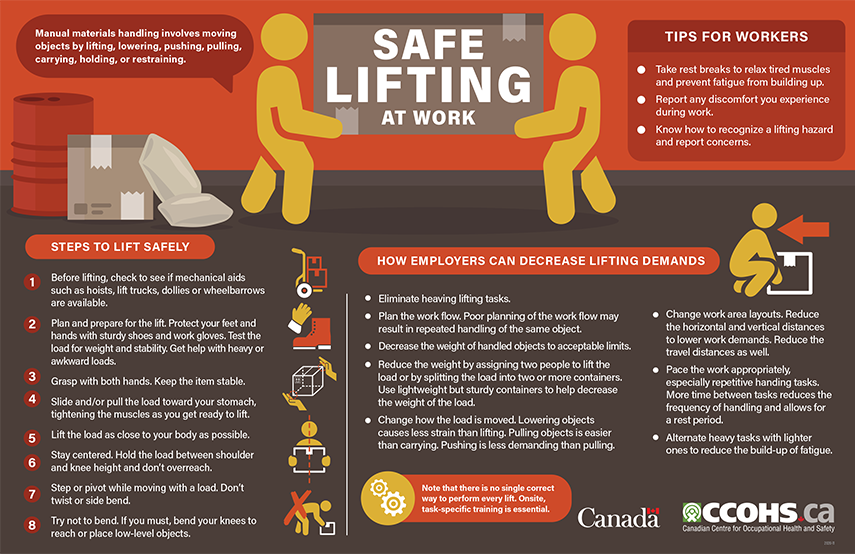
Use proper lifting techniques like bending your knees and keeping your back straight. Position the load close to your body. Avoid twisting while lifting, and ask for help with heavy items.
Preventing back injuries at work is crucial for health and productivity. Simple measures can minimize risks when lifting heavy items. These steps ensure safety and promote a healthier workplace. Understanding proper techniques and tools is key. Employers and employees must prioritize safe practices.
Regular Breaks And Movement
Taking regular breaks helps reduce strain on the back. Short pauses can refresh muscles and improve focus. Movement throughout the day is essential. It keeps blood flowing and muscles relaxed. Stretching is beneficial. It maintains flexibility and prevents stiffness. Encourage walking around the workspace. It keeps the body active and alert.
Safety Equipment And Training
Proper safety equipment is vital. Back braces provide support during lifting tasks. Employers should supply protective gear. Training in lifting techniques is important. It educates workers on safe practices. Understanding the correct posture is necessary. It prevents awkward movements and reduces injury risks. Regular training sessions enhance skills and awareness.
Recognizing Warning Signs
Recognizing warning signs is crucial for preventing back injuries when lifting. Bend your knees, keep the load close, and avoid twisting. Use proper lifting techniques to safeguard your back health and minimize risks.
Recognizing warning signs when lifting can be a game-changer in preventing back injuries. Understanding what your body is trying to tell you can save you from long-term discomfort and potential serious injury. Have you ever felt a sudden twinge or discomfort while lifting something heavy? It’s crucial to pay attention to these signals.
Symptoms Of Potential Injury
Back injuries often start with subtle symptoms. You might experience mild pain or discomfort in the lower back that persists after lifting. Stiffness or reduced range of motion can also be a red flag. Sometimes, you may feel a sharp pain during the lift itself. Tingling or numbness in the legs is another warning sign, indicating possible nerve involvement. The key is not to dismiss these symptoms as temporary issues.
When To Seek Professional Help
Knowing when to seek professional help is vital. If you notice persistent pain that doesn’t improve after a few days, it’s time to consult a healthcare provider. Don’t wait for the pain to become unbearable. If you notice any swelling or bruising, these might be signs of a more serious injury. Have you ever thought about how you might react to a sudden shooting pain? It’s better to be proactive and get it checked out sooner rather than later. Getting timely advice can prevent further damage and promote quicker recovery.

Credit: www.amazon.com
Frequently Asked Questions
Which Guidelines Can Help You Prevent Back Injuries When Lifting Something?
Lift with your knees, not your back. Keep the load close to your body. Avoid twisting while lifting. Ensure a firm grip on the object. Plan your route in advance for safe movement.
Which Of The Following Guidelines Can Help Prevent Back Injuries?
To prevent back injuries, keep your posture straight and lift with your legs, not your back. Avoid twisting while lifting, ensure loads are manageable, and strengthen your core muscles regularly. Use ergonomic equipment to support your back during tasks.
Which Guidelines Can Help Prevent Back Injury?
Lift objects using your legs, not your back, to avoid strain. Maintain good posture while sitting and standing. Exercise regularly to strengthen your core muscles. Use ergonomic furniture to support your back properly. Avoid heavy lifting and twisting motions to reduce the risk of injury.
Which Guidelines Can Help Prevent Back Injuries When Lifting Something Twist At The Waist?
Avoid twisting at the waist when lifting. Bend your knees and keep the load close to your body. Maintain a straight back and use your leg muscles to lift. Position your feet shoulder-width apart for balance. Use proper lifting techniques to prevent back injuries.
Conclusion
Preventing back injuries is crucial for lifting safely. Always assess the object’s weight first. Bend your knees, not your waist. Keep the object close to your body. Use your leg muscles for lifting. Avoid twisting your torso while lifting. Take breaks to prevent fatigue.
Use tools like dollies or carts when needed. Strengthen your core muscles regularly. Pay attention to your body’s signals. By following these guidelines, you can protect your back. Stay safe and lift smart. Healthy lifting habits lead to fewer injuries.
Prioritize your well-being every time you lift something.
