
Imagine stepping onto the field, court, or track with the confidence of knowing that your mind is as prepared as your body. You’ve trained tirelessly, but sometimes, it’s the mental game that makes all the difference.
This is where sports psychologists come into play. They are the secret weapon behind many successful athletes, helping them unlock their full potential by mastering their mental game. Whether you’re a weekend warrior or an elite competitor, understanding how sports psychologists can enhance your performance might just be the game-changer you’ve been looking for.
Ready to discover how these experts can help you achieve your peak performance? Let’s dive in.
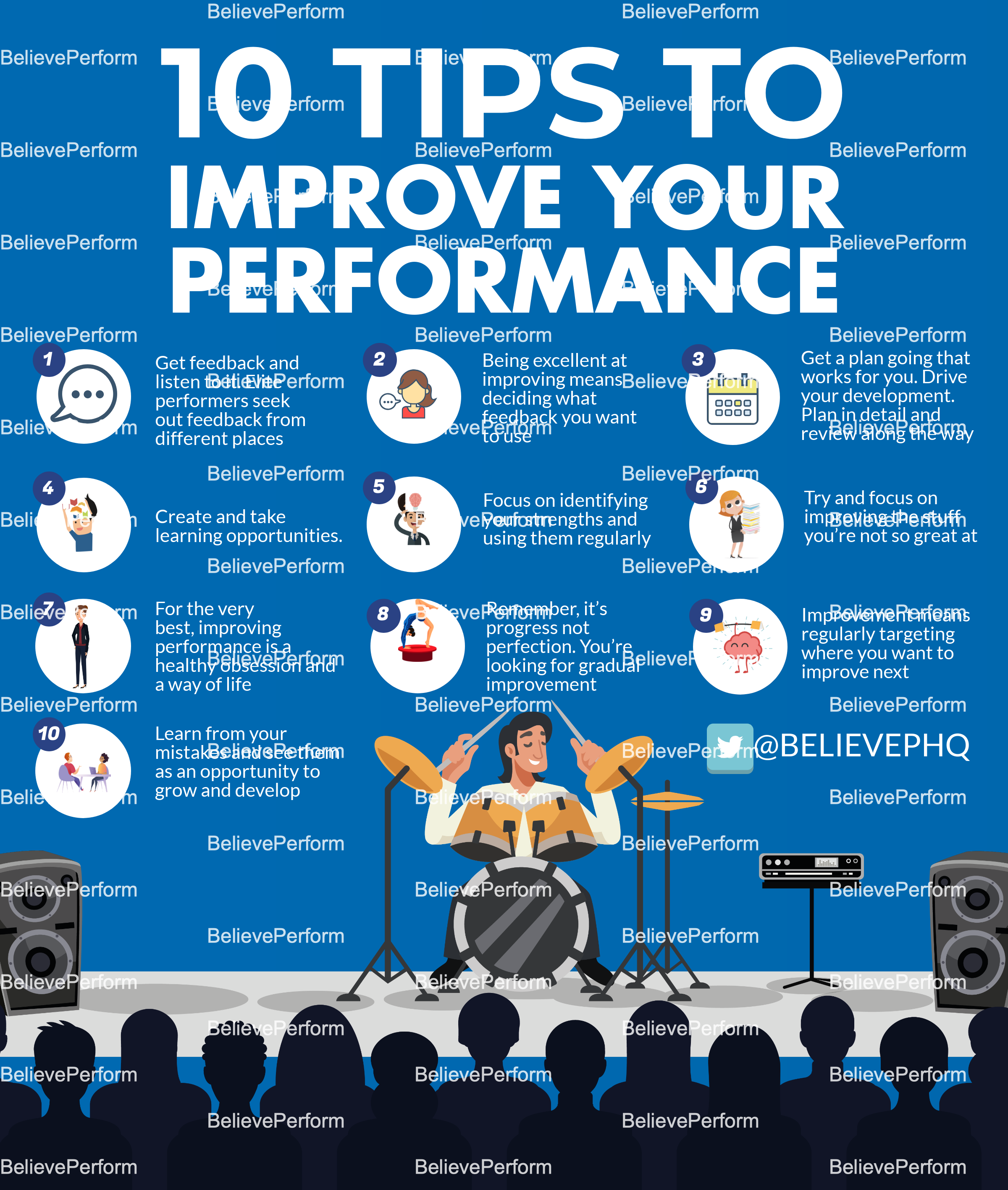
Credit: members.believeperform.com
Role Of Sports Psychologists
Sports psychologists play a vital role in enhancing athletic performance. They focus on the mental aspects of sports, helping athletes overcome challenges. Their expertise lies in improving mental resilience and boosting confidence. Athletes can achieve peak performance with their guidance.
Enhancing Mental Resilience
Mental resilience is crucial for athletes facing pressure. Sports psychologists teach coping strategies to handle stress. Techniques like visualization and mindfulness help maintain focus. This resilience aids in bouncing back from setbacks. Athletes learn to stay calm and composed during competitions.
Building Confidence And Focus
Confidence is key in sports. Sports psychologists work on building self-belief. Positive reinforcement and goal setting boost confidence levels. Focus is sharpened through concentration exercises. These techniques help athletes stay attentive and perform consistently.

Credit: www.facebook.com
Techniques Used
Sports psychologists use visualization, goal-setting, and positive self-talk to boost athletes’ focus and confidence. They teach relaxation techniques to reduce anxiety and enhance performance under pressure. By developing mental resilience, athletes can maintain concentration and improve their competitive edge.
In the world of sports, mental strength is just as crucial as physical ability. Sports psychologists use a variety of techniques to help athletes enhance their performance. These methods not only boost confidence but also ensure athletes stay focused under pressure. Let’s delve into some of the most effective techniques used by sports psychologists.
Visualization And Imagery
Visualization involves creating a mental image of success. Athletes imagine themselves performing flawlessly, which can improve actual performance. For example, before a race, a runner might picture crossing the finish line first. This mental rehearsal prepares your brain, making the real action feel familiar. Studies show that athletes who visualize their success are more likely to achieve it. Have you ever tried picturing your success before a big event?
Goal Setting Strategies
Setting the right goals can make a significant difference. Sports psychologists help athletes set clear, achievable goals. These are often broken down into short-term and long-term objectives. Short-term goals might focus on improving technique, while long-term goals aim for winning championships. By achieving small milestones, you build confidence and motivation. What goals can you set today to improve your performance?
Mindfulness And Relaxation
Mindfulness trains athletes to stay present, reducing anxiety about the future or regrets about the past. Simple practices like deep breathing or meditation can help calm nerves. When you focus on the present moment, you perform at your best. Relaxation techniques are also vital, especially before competitions. A relaxed mind leads to better concentration and decision-making. How often do you take a moment to just breathe and refocus? These techniques are not just for elite athletes. Anyone looking to improve their performance can benefit. Which of these techniques will you try to enhance your own performance?
Impact On Team Dynamics
Sports psychologists play a crucial role in enhancing team dynamics, a factor that significantly impacts overall performance. Team dynamics are not just about skills and strategies; they encompass communication, trust, and conflict management. When these elements are optimized, teams can function more cohesively, leading to better results on and off the field.
Communication Improvement
Effective communication is the backbone of any successful team. Sports psychologists teach athletes how to express themselves clearly and listen actively. This not only prevents misunderstandings but also fosters an environment of mutual respect.
Imagine how a simple word of encouragement can boost your teammate’s morale during a tough game. Knowing how to communicate well can be a game-changer. It keeps everyone informed and ensures that each player’s voice is heard.
Do you remember a time when a miscommunication led to a missed play or opportunity? Improving communication skills can eliminate such costly errors. Sports psychologists provide tools to enhance verbal and non-verbal exchanges, making interactions smoother and more effective.
Conflict Resolution
Conflicts are inevitable in any team setting, but how you handle them can make all the difference. Sports psychologists equip teams with strategies to address and resolve conflicts constructively. This prevents issues from escalating and damaging team morale.
Think about a time when a conflict within a team led to tension. A sports psychologist might help by facilitating open discussions, encouraging empathy, and promoting compromise. They teach athletes how to address issues calmly, focusing on solutions rather than blame.
Are you equipped to handle disagreements in a way that strengthens rather than weakens your team? By understanding each team member’s perspective, you can turn conflicts into opportunities for growth. Sports psychologists guide teams in developing these vital conflict resolution skills.
Improving team dynamics through better communication and conflict resolution not only enhances performance but also builds a supportive and resilient team culture. How will you take steps to improve your team’s dynamics today?
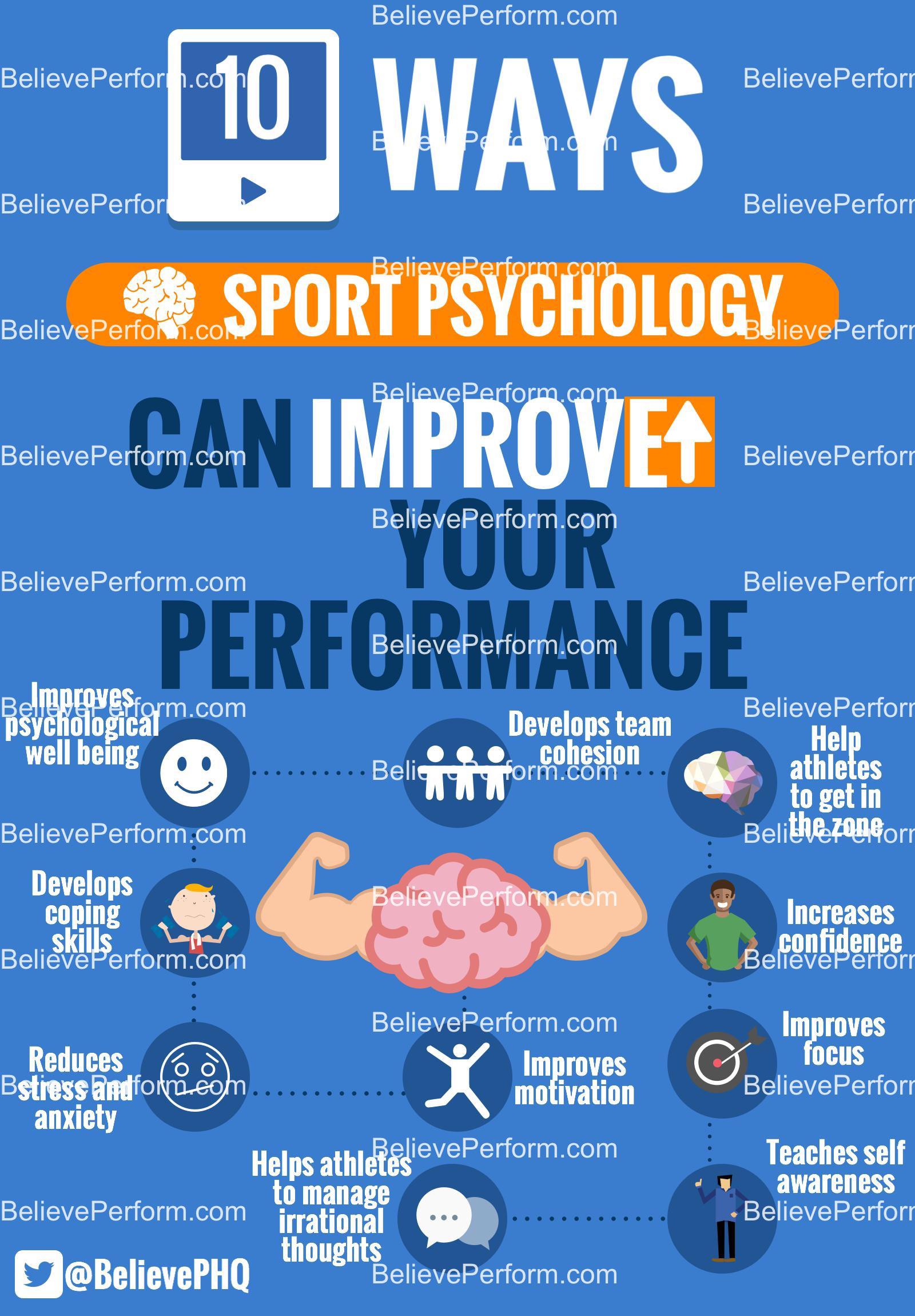
Credit: members.believeperform.com
Case Studies Of Success
Sports psychologists enhance athletes’ mental focus and resilience, leading to improved performance. Techniques like visualization and positive self-talk help athletes overcome challenges and maintain confidence. These strategies are crucial in competitive sports, where mental strength can determine success.
Understanding how sports psychologists boost performance can be truly enlightening. Imagine standing on the edge of your potential, unsure how to take that next step. Sports psychologists bridge that gap, helping athletes achieve remarkable feats. Let’s dive into some compelling case studies that highlight their impact.
Olympic Athletes
Olympic athletes often face enormous pressure. This is where sports psychologists come in, providing mental tools to handle stress. Take the example of Michael Phelps, the most decorated Olympian of all time. He credits his sports psychologist for teaching him visualization techniques that improved his focus and performance. Visualizing each stroke, turn, and breath helped Phelps stay calm and confident during races. Such mental exercises can also help you improve your own performance, whether in sports or other challenging areas of life. Another remarkable success story is that of gymnast Simone Biles. She used mental conditioning to overcome self-doubt and anxiety. Her sports psychologist helped her develop a strong mental routine. It included positive self-talk and setting realistic goals. Would you benefit from having a mental routine to conquer your fears and doubts?
Professional Sports Teams
Professional teams often employ sports psychologists to foster team cohesion and enhance performance. The Chicago Bulls, during their 1990s championship reign, worked with a renowned sports psychologist. He helped players develop a winning mindset. This mindset was not just about winning games but also about building resilience and teamwork. Phil Jackson, their coach, emphasized mindfulness and meditation. These practices, guided by the psychologist, made a significant difference. The same principles apply to any group striving for success. Imagine your team at work or a community group benefiting from improved cooperation and focus. The Seattle Seahawks are another great example. Their sports psychologist helped the team build mental toughness. This was crucial during high-pressure games and led to their Super Bowl victory. Could your team use strategies to enhance mental toughness and collaboration? These case studies highlight the profound impact sports psychologists have on individual and team performance. The lessons learned extend beyond sports, offering valuable insights for personal and professional growth. Are you ready to explore how these techniques could transform your performance?
Challenges In Implementation
Sports psychologists play a vital role in enhancing athletes’ performance. Yet, integrating psychological strategies into training faces several challenges. These obstacles can hinder progress and make it difficult for athletes to fully benefit from psychological techniques. Understanding these challenges helps in overcoming barriers and maximizing the benefits of sports psychology.
Resistance From Athletes
Many athletes are skeptical about the value of sports psychology. They often focus solely on physical training, ignoring mental aspects. This resistance stems from a lack of understanding or fear of appearing weak. Convincing athletes to embrace mental training requires patience and clear communication. Demonstrating tangible benefits is crucial for gaining trust and acceptance.
Balancing Mental And Physical Training
Finding the right balance between mental and physical training is complex. Coaches must integrate psychological strategies without overwhelming athletes. Time constraints and training schedules can make this challenging. Effective planning ensures mental exercises complement physical routines. This harmony leads to improved overall performance, enhancing both mind and body.
Future Of Sports Psychology
The future of sports psychology is bright and dynamic, offering new possibilities to athletes and coaches. As technology evolves and new support methods emerge, sports psychology is poised to play an even larger role in enhancing athletic performance. Are you ready to explore how these changes could impact your game?
Technological Advancements
Technological advancements are reshaping the landscape of sports psychology. Imagine using virtual reality to simulate competitive environments. This technology can help athletes manage pressure and improve focus by replicating real-world scenarios.
Wearable devices track physiological and psychological metrics. Your heart rate, stress levels, and even mental fatigue are monitored in real-time, providing invaluable insights. With this data, you can adjust training routines to optimize your performance and reduce burnout.
Apps designed for mental training are increasingly popular. These tools offer guided meditations and visualization exercises, allowing you to train your mind just as you do your body. Are you leveraging these tools to boost your mental game?
Emerging Trends In Athlete Support
The ways athletes receive support are changing. Mental health is now a top priority, with more teams hiring sports psychologists full-time. This ensures you have immediate access to professionals who can help you manage stress and anxiety.
Individualized support is becoming the norm. Sports psychologists now tailor their strategies based on personal needs and specific sports. This personalized approach ensures that you are receiving the best possible guidance for your unique challenges.
Peer support systems are gaining traction. Teams are encouraging athletes to support one another, fostering a collaborative environment. Imagine a culture where you feel understood and encouraged by your teammates—how might this influence your performance?
The future of sports psychology is exciting and filled with promise. As the field evolves, you’ll find new ways to enhance your performance and achieve your goals. Are you ready to embrace these changes and take your game to the next level?
Frequently Asked Questions
How Does Sport Psychology Enhance Performance?
Sport psychology enhances performance by boosting mental resilience, focus, and motivation. It helps athletes manage stress and anxiety, improving concentration. Techniques like visualization and goal-setting increase confidence and efficiency. Athletes learn to maintain a positive mindset, leading to better decision-making and peak performance under pressure.
How Does Sports Physiology Contribute To Athletic Performance?
Sports physiology optimizes athletic performance by enhancing physical capabilities, improving recovery, and preventing injuries. It tailors training programs to individual needs, boosts endurance, and maximizes strength. Techniques like nutrition, biomechanics, and mental conditioning further elevate performance levels, ensuring athletes achieve their peak potential.
What Type Of Psychologist Studies How To Maximize Athletic Performance?
A sports psychologist studies how to maximize athletic performance. They focus on mental strategies and techniques to enhance athletes’ performance and well-being. Sports psychologists help athletes overcome challenges, improve focus, and maintain motivation. They play a crucial role in optimizing both individual and team performance in sports.
How To Use Sports Psychology To Enhance Fitness?
Utilize sports psychology by setting clear fitness goals, maintaining a positive mindset, and practicing visualization techniques. Build mental resilience to overcome challenges. Focus on motivation and self-talk to boost performance. Integrate relaxation and concentration exercises to enhance workout effectiveness and overall fitness.
Conclusion
Sports psychologists play a key role in boosting athletic performance. They help athletes focus better and manage stress effectively. Skills like setting clear goals and maintaining motivation are enhanced. Mental training becomes an integral part of physical training. Athletes can then perform under pressure with confidence.
Consistent support from psychologists leads to improved results. Their guidance nurtures a winning mindset. Teams and individuals benefit alike. Overall, sports psychologists contribute significantly to athletic success. By addressing mental barriers, they open doors to potential. Their expertise ensures that athletes perform at their best.
