
Have you ever wondered if there’s a secret formula to rate your team’s performance in sports? Whether you’re a coach, a team captain, or a dedicated fan, understanding how well a team is doing can be both fascinating and essential.
You might be surprised to learn that there’s more to it than just the final score. Imagine being able to pinpoint the strengths and weaknesses of your team, making informed decisions that could lead to victory. Intrigued? By reading on, you’ll discover simple yet effective ways to evaluate team performance, helping you gain insights that even the pros use.
Don’t miss out on the chance to elevate your game and support your team like never before!
Credit: enhancv.com
Key Metrics For Team Performance
In team sports, performance evaluation is crucial. Teams need to understand their strengths and weaknesses. Key metrics help gauge how well a team performs. These metrics provide insights into different areas of play. By focusing on specific metrics, teams can improve and succeed. Let’s explore some critical performance metrics.
Scoring Efficiency
Scoring efficiency measures how well a team converts opportunities into points. It includes shot accuracy, free throw percentage, and scoring rate. Teams with high scoring efficiency often win more games. Tracking these stats helps teams improve offensive tactics. Focus on reducing missed chances to boost efficiency.
Defensive Strength
Defensive strength is about stopping the opponent from scoring. Key metrics include blocks, steals, and opponent shooting percentage. A strong defense keeps the team in the game. Teams should aim to lower their opponent’s scoring rate. Good defense can turn the tide of any match.
Player Contributions
Each player adds unique value to the team. Metrics like assists, rebounds, and minutes played show player impact. Recognizing individual efforts helps optimize team strategy. Coaches can use these insights to balance the team’s strengths. Every player’s contribution is vital to overall success.
Analyzing Game Statistics
Analyzing game statistics is a crucial element in understanding team performance in sports. It unveils the story behind the scores, offering insights into what worked and what didn’t on the field. You can turn raw data into actionable strategies that enhance your team’s future performances.
Data Collection Methods
Begin by gathering data from a variety of sources. You can use video analysis, manual tracking during games, or automated sensors on players. Each method has its unique advantages and challenges.
Video analysis allows for detailed review, capturing every move and decision made by players. Manual tracking requires keen observation but can provide real-time feedback. Automated sensors offer precise measurements of speed and distance, adding layers to your analysis.
Statistical Tools And Software
Once data is collected, it needs to be processed using statistical tools and software. Tools like Excel or Google Sheets are great for basic calculations and visualizations.
For more advanced analysis, consider software like Tableau or SPSS. These tools help you identify patterns and correlations that may not be obvious at first glance. They allow for complex data manipulation, turning numbers into narratives.
Interpreting Statistical Results
Interpreting results is where the magic happens. Look for trends in your data that highlight strengths and weaknesses. Are your players excelling in defense but struggling with offense?
Use the data to ask critical questions: How can you improve your team’s scoring efficiency? What strategies lead to successful plays? Dig deeper into the statistics to uncover actionable insights.
Remember, numbers alone don’t tell the whole story. Combine statistics with on-ground observations to get a holistic view of performance. How do these insights align with your team’s goals?
Evaluating Team Dynamics
Assessing team performance in sports involves observing communication, collaboration, and overall effectiveness. Team meetings and feedback sessions help identify strengths and weaknesses. Monitoring individual contributions within the team structure provides insight into collective success.
Evaluating team dynamics is crucial in understanding how well a sports team performs. It involves observing the interactions and relationships among team members. These dynamics can significantly affect the team’s overall success, making it essential to assess them thoroughly.
Communication Patterns
Effective communication is the backbone of any successful team. Observe how team members share information during practice and games. Are they clear and concise, or does confusion often arise? Consider the frequency and quality of feedback given by players to each other. Positive and constructive communication can boost morale and performance. Think about a time when clear communication improved your team’s outcome—what strategies did you use?
Leadership Influence
Leadership sets the tone for the team’s culture and performance. Evaluate the impact of both formal leaders, like coaches, and informal leaders, such as veteran players. Are they motivating the team towards a common goal? Identify how leaders handle conflict or setbacks. Their approach can either inspire resilience or cause discord. Reflect on a leader you’ve admired—what specific qualities made their influence positive?
Role And Position Impact
Each player’s role contributes uniquely to the team’s dynamics. Assess if roles are well-defined and if players understand their responsibilities. Misunderstanding roles can lead to inefficiencies and frustration. Examine whether players are positioned to leverage their strengths. Are adjustments made when necessary to benefit the team? Remember a game where strategic role changes led to a win—how did those changes enhance performance? By evaluating these elements, you gain insights into how team dynamics can be improved for better performance. What steps will you take to enhance your team’s dynamics today?
Importance Of Training And Preparation
The success of any sports team is largely dependent on how well-prepared they are for competition. Training and preparation are the backbone of team performance, ensuring athletes are ready physically and mentally for the challenges ahead. But what does effective training and preparation look like? Let’s break it down.
Training Regimen Analysis
Every effective training regimen begins with a clear understanding of the team’s goals and the demands of the sport. Are your athletes required to excel in agility, speed, or endurance? Tailoring training sessions to specific needs not only enhances performance but also prevents injuries.
- Set measurable goals for each training session.
- Include drills that simulate game scenarios.
- Regularly assess and adjust training plans based on progress.
Imagine a soccer team dedicating extra hours to penalty kicks after recognizing their low conversion rate. This targeted approach can significantly boost their scoring potential in real matches.
Physical Conditioning
Physical conditioning is paramount. Without it, even the most talented athletes will struggle to maintain peak performance throughout a game. Conditioning isn’t just about building muscle; it’s about enhancing flexibility, stamina, and resilience.
- Incorporate cardiovascular exercises to build stamina.
- Strength training should focus on both major muscle groups and sport-specific muscles.
- Flexibility routines are essential to prevent injuries and aid recovery.
Consider the story of an underdog basketball team that focused intensely on stamina and resilience. They outlasted their rivals, clinching victory in the final minutes of the game.
Mental Preparation Techniques
Mental preparation is often overlooked, yet it plays a crucial role in performance. How do athletes react under pressure? How do they stay focused amidst distractions? Mental toughness is as important as physical fitness.
- Visualization exercises can help athletes anticipate challenges.
- Mindfulness and meditation improve concentration and reduce anxiety.
- Regular team meetings to foster communication and camaraderie.
Picture a tennis player using visualization techniques before serving. They see the ball landing perfectly inside the line, reducing their anxiety and increasing their precision.
Training and preparation are not just about drills and workouts; they are about creating a holistic environment where athletes can thrive. What unique strategies will you adopt to elevate your team’s performance?
Assessing Team Strategy
Evaluating team performance in sports involves analyzing key metrics like teamwork, communication, and strategic execution. Observing game footage helps identify strengths and areas for improvement. Effective rating methods foster a deeper understanding of team dynamics.
Assessing the strategy of a sports team is crucial for understanding their performance. It involves analyzing various elements that contribute to the team’s success. Each component provides insight into how well the team executes their plans. Let’s explore some key areas to consider.
Tactical Approaches
Tactics form the backbone of any team strategy. They define how the team plans to achieve their goals. Analyze if the team uses offensive or defensive tactics. Observe their formation and style of play. Evaluate if these tactics align with the team’s strengths. Tactical flexibility can often lead to success.
In-game Adjustments
Teams must adapt during a game to changing circumstances. Assess how well the team makes in-game adjustments. Are they able to change tactics quickly? Do they respond effectively to the opponent’s moves? Successful teams make timely adjustments to maintain their edge.
Opposition Analysis
Understanding the opponent is key to a strong strategy. Evaluate how well the team analyzes their opponents. Do they identify the rival’s weaknesses and strengths? Effective opposition analysis can give a team a significant advantage. It allows them to prepare and counteract effectively. Each of these components plays a vital role in assessing team strategy. They offer a deeper understanding of how a team performs. By examining these areas, one can gain insights into a team’s overall effectiveness.
Impact Of External Factors
External factors can significantly influence team performance in sports. These factors, though out of a team’s control, shape the game’s outcome. Understanding these elements helps in accurately rating team performance. Let’s explore how weather, venue, and referees can affect sports results.
Weather Conditions
Weather plays a crucial role in sports performance. Rain can make fields slippery, impacting player movement. Wind affects ball trajectory in outdoor sports like football. Extreme heat or cold can tire players faster, affecting their endurance and concentration.
Home Vs Away Games
Teams often perform better at home. Familiar surroundings boost confidence and comfort. Support from local fans can energize players. Travel fatigue and unfamiliarity can challenge away teams, impacting performance negatively.
Referee Decisions
Referee decisions can change the course of a game. A controversial call can affect team morale and strategy. Penalties and fouls, whether fair or not, impact scoring opportunities. Understanding the influence of referees is vital for assessing team performance.
Utilizing Technology In Performance Rating
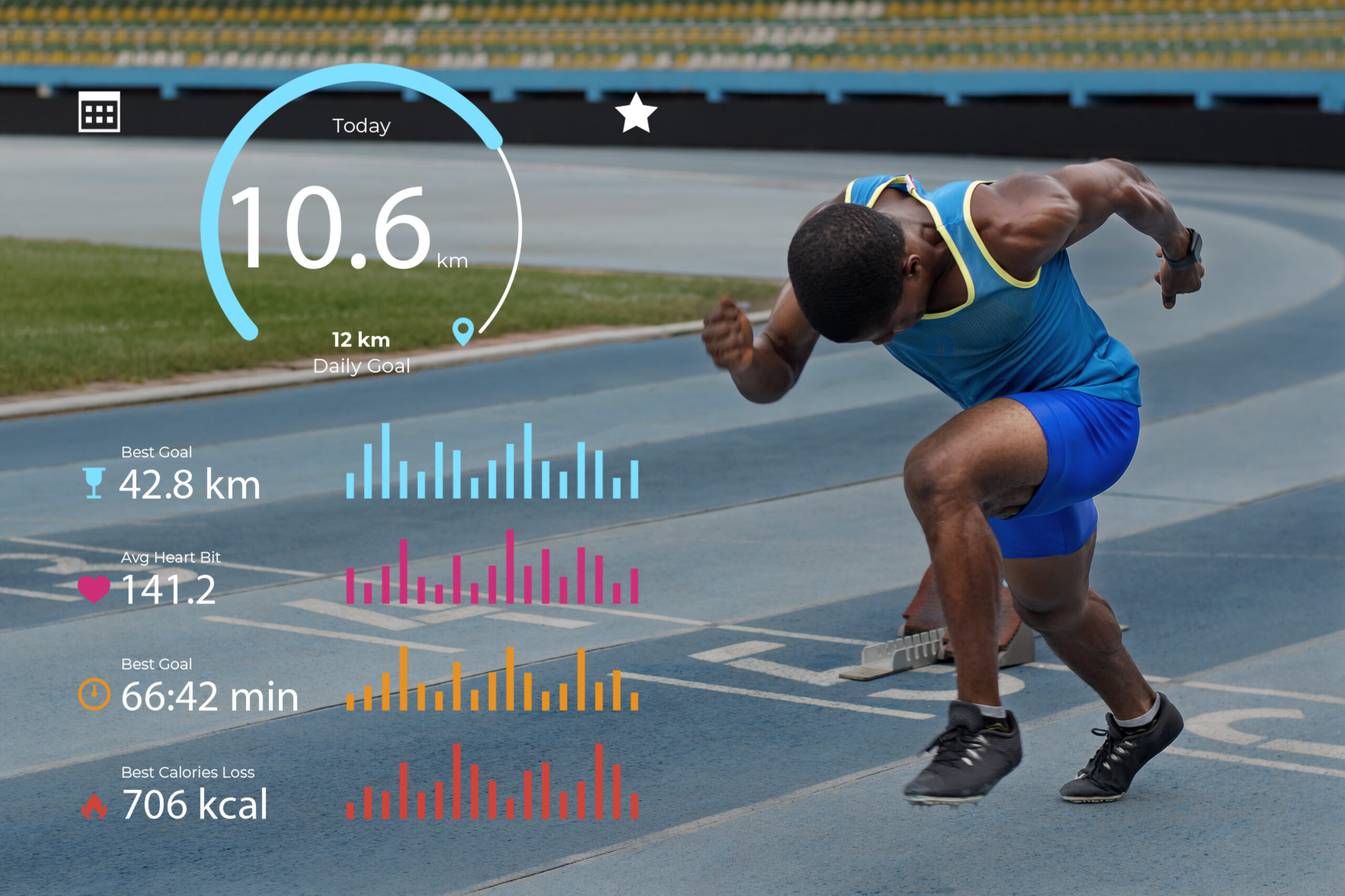
Sports teams constantly seek ways to improve their performance. Technology plays a crucial role in this process. It helps coaches and players understand strengths and weaknesses. Various tools can provide valuable insights. These tools include wearable technology, video analysis, and performance analytics software.
Wearable Technology
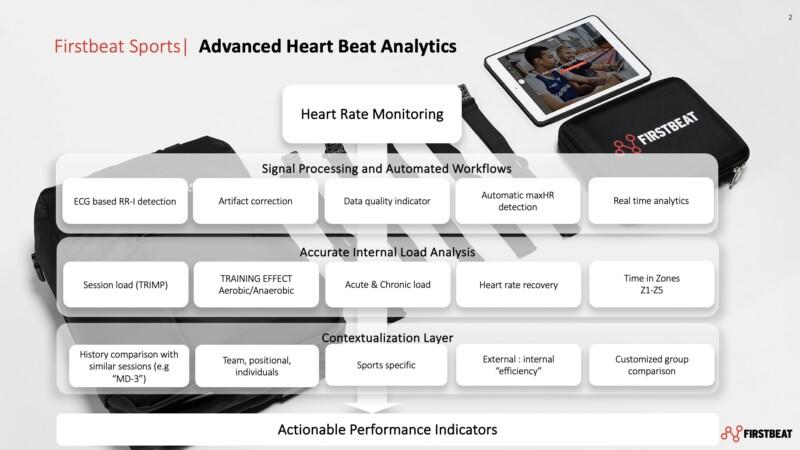
Wearable technology tracks player movements and health metrics. Devices like smart watches and fitness bands are commonly used. They monitor heart rate, speed, and movement patterns. This data helps coaches assess physical exertion and recovery needs. It aids in designing personalized training plans for athletes. Wearable tech ensures players maintain peak performance levels.
Video Analysis
Video analysis allows detailed review of games and practices. Cameras capture every move of players during matches. Coaches study footage to spot tactical errors and improvements. It helps teams understand opponent strategies better. Video analysis also aids in breaking down complex plays. It empowers players to visualize and correct their mistakes.
Performance Analytics Software
Performance analytics software offers deep insights into team dynamics. It collects data on player statistics and game outcomes. Coaches use it to evaluate overall team performance. Software helps in understanding patterns and trends over time. It supports strategic decision-making and lineup adjustments. Teams can optimize training and game strategies with this tool.
Credit: blog.bsnsports.com
Feedback And Improvement
Evaluating team performance in sports involves assessing communication, strategy execution, and adaptability. Regular feedback sessions help identify areas for improvement, fostering teamwork and growth. Consistent monitoring of progress ensures continued development and goal achievement.
Providing effective feedback and fostering improvement is crucial in team performance sports. Constructive feedback helps athletes understand their strengths and areas that need work. Improvement is a continuous journey, and structured feedback can be a game-changer in this process.
Identifying Weaknesses
The first step in feedback is identifying weaknesses in the team’s performance. Pay attention to patterns that emerge during games or practice sessions. Are there specific skills that the team consistently struggles with? Use video analysis to pinpoint these areas. Watching replays can reveal issues that might have been missed in real-time. Encourage your team to self-reflect and share their thoughts on their performance.
Developing Improvement Plans
Once weaknesses are identified, the next step is to develop improvement plans. Collaborate with the team to set realistic goals. What specific skills need enhancement? Create a clear plan with actionable steps. For instance, if passing accuracy is an issue, include specific drills in practice sessions to address this. Assign roles and responsibilities to ensure everyone knows their part in the improvement plan.
Continuous Performance Monitoring
Improvement doesn’t stop with a plan; it requires continuous performance monitoring. Regularly review progress and adjust strategies as needed. Are the drills working? Is there noticeable improvement? Use performance metrics to track progress. Keep the lines of communication open with your team. Encourage them to give feedback on what’s working and what’s not. This will help in refining strategies for better outcomes. Remember, feedback is a two-way street. How open are you to receiving feedback from your team? Engaging in honest conversations can lead to significant improvements and foster a culture of trust and growth.
Credit: www.firstbeat.com
Frequently Asked Questions
How Do I Evaluate Team Performance?
Evaluate team performance by setting clear goals, monitoring progress, and providing regular feedback. Use performance metrics, conduct team meetings, and assess individual contributions. Encourage open communication and recognize achievements to boost motivation and efficiency. Regularly review and adjust strategies to improve overall team performance.
How To Evaluate Sports Performance?
Evaluate sports performance by analyzing statistics, physical fitness, skill proficiency, mental resilience, and teamwork effectiveness. Utilize video analysis tools for in-depth insights. Compare performance against benchmarks and previous achievements. Monitor progress consistently for actionable improvement strategies.
How Do You Describe Team Performance?
Team performance refers to the efficiency and effectiveness of a group in achieving goals. It involves collaboration, communication, and task completion. High-performing teams display strong problem-solving skills and adaptability. They consistently meet or exceed expectations, contributing positively to organizational success.
Effective leadership and clear objectives enhance team performance.
How Do I Rate A Team?
Rate a team by assessing performance, communication, collaboration, and goal achievement. Use structured feedback and scoring systems. Ensure evaluations are fair, transparent, and consistent. Encourage team members to provide input for a comprehensive review. Regularly review and update criteria to reflect changing goals and objectives.
Conclusion
Evaluating team performance in sports is essential for growth. Start by setting clear goals and metrics. Review these regularly to track progress. Celebrate achievements, both big and small. Encourage open communication within the team. This builds trust and fosters improvement.
Reflect on areas needing development. Offer constructive feedback to help team members grow. Keep motivation high by recognizing effort and dedication. Regular assessment ensures teams stay focused and driven. With consistent evaluation, teams can improve over time. Remember, effective assessment leads to success in sports.
Keep it simple and consistent for the best results.
