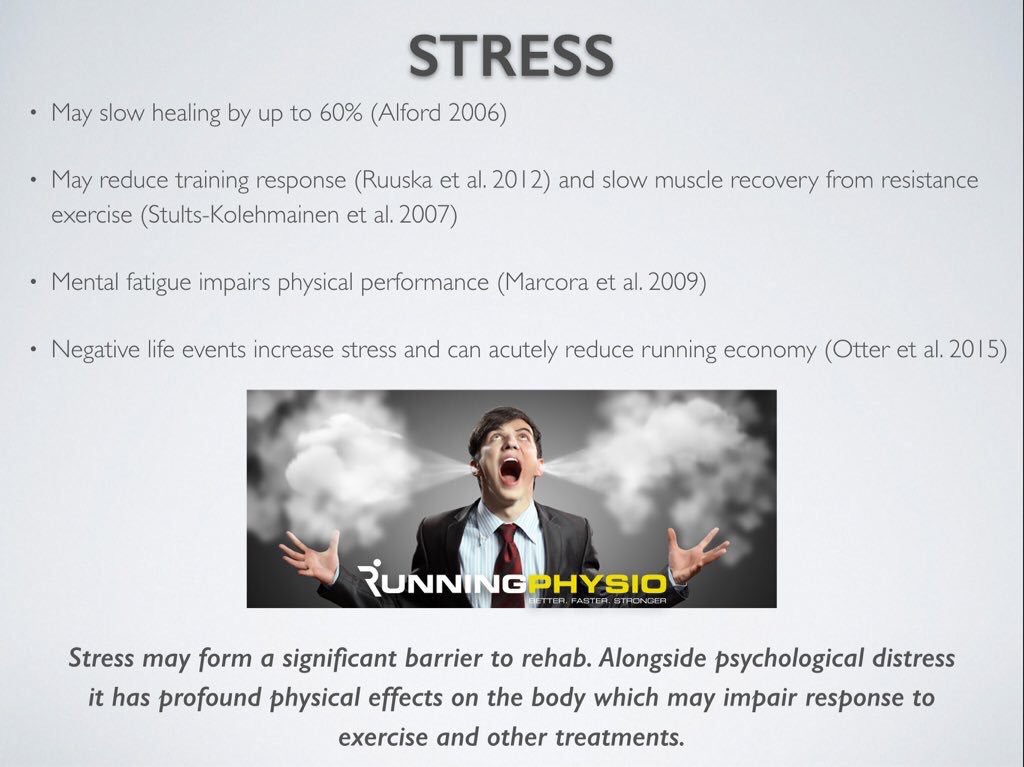
Imagine you’re at the starting line, heart pounding, adrenaline surging, ready to give it your all in a race or game. But as you prepare to launch into action, you feel a familiar weight pressing down on you — stress.
It’s that invisible force that can turn your training sessions into uphill battles and your performances into frustrating experiences. You might be wondering, “How does stress really impact my sports training and performance? ” you’ll discover the surprising ways stress can affect your body and mind, and learn strategies to manage it effectively.
Keep reading to unlock the secrets to transforming stress into a tool for peak performance and achieving your athletic goals.
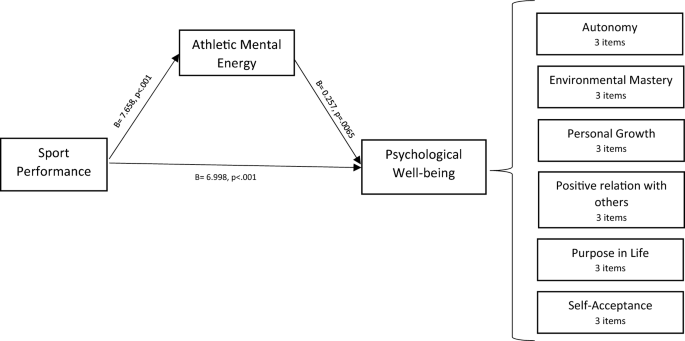
Credit: www.nature.com
The Role Of Stress In Sports
Stress is an inevitable companion in sports, influencing not just your physical prowess but also your mental resilience. Whether you’re gearing up for a crucial match or enduring the grind of daily training, stress can play a pivotal role in shaping your athletic journey. It’s a double-edged sword: while a certain level of stress can fuel motivation and sharpen focus, excessive stress might hinder performance and lead to burnout. Understanding how stress impacts your sports training and performance is crucial for staying at the top of your game.
Types Of Stress In Athletes
Athletes commonly experience two types of stress: acute and chronic. Acute stress arises from short-term challenges like a high-stakes competition or a demanding workout. It can enhance performance by triggering adrenaline and heightening alertness. On the other hand, chronic stress results from long-term pressures such as continuous intense training or personal issues. This type of stress can drain energy and impair concentration, ultimately affecting your performance negatively.
Common Stressors In Training
Training environments are filled with stressors that can impact your mental and physical state. Pressure to perform well, fear of injury, and balancing training with personal life are common stressors. You might also face stress from constant comparisons with peers or expectations from coaches. These stressors can lead to anxiety and decreased motivation. Recognizing these triggers is the first step in managing stress effectively. Consider what specific stressors you encounter in your training routine and how they might be affecting your performance.
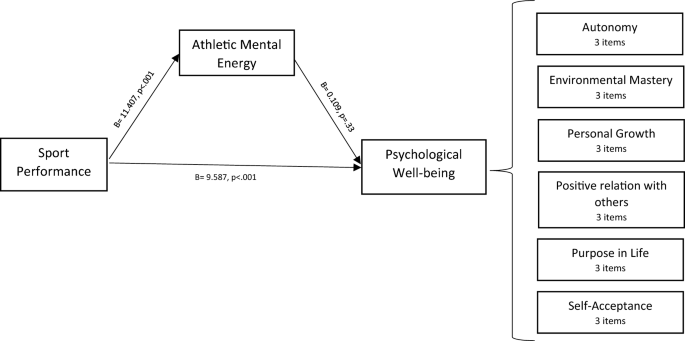
Credit: www.nature.com
Physical Impacts Of Stress
Stress can weaken muscles, affecting sports training and performance. It disrupts focus, leading to mistakes during practice and games. Elevated stress hormones also delay recovery, increasing the risk of injuries.
Stress can significantly impact your physical performance in sports. Its effects are not limited to mental focus; stress also alters your body’s ability to recover, endure, and build strength. Understanding these physical impacts is crucial for athletes aiming to optimize their training and performance.
Effects On Muscle Recovery
Stress slows down muscle recovery. After intense training, your muscles need time to repair. Stress increases cortisol levels, which can hinder this repair process. Elevated cortisol reduces protein synthesis. This delays muscle growth and recovery. Athletes may experience prolonged soreness. Recovery times can extend, affecting future training sessions.
Impact On Endurance And Strength
Stress lowers endurance and strength. High stress levels lead to fatigue. Fatigue reduces the body’s ability to sustain physical effort. Performance drops in long-duration activities. Stress also affects strength gains. Muscle power and force generation decrease under stress. Athletes may struggle to lift weights or maintain speed. This can impact overall athletic progress.
Mental Effects Of Stress
Stress is a common hurdle in sports training and performance that often gets overlooked. It’s not just about feeling overwhelmed; stress can have profound mental effects that impact your ability to train effectively and perform at your best. Understanding these effects is crucial for athletes at every level. Let’s dive into how stress affects your cognitive function and focus, and how it can lead to anxiety and influence your performance.
Cognitive Function And Focus
Stress can cloud your thinking, making it difficult to concentrate during training or competition. When you’re stressed, your mind might wander, leading to missed cues and errors in your technique. Have you ever found yourself forgetting plays or strategies you usually know by heart? Stress might be to blame.
One way to counteract this is by practicing mindfulness. Mindfulness exercises can help you stay present and focused, reducing the mental clutter that stress often brings. Try incorporating brief meditation sessions into your daily routine to regain your mental clarity.
Stress-induced Anxiety And Performance
Anxiety triggered by stress can be a major performance killer. When you’re anxious, your confidence takes a hit, and you might start second-guessing your abilities. This can lead to a cycle of self-doubt that is hard to break.
Consider scenarios where you’ve faced intense pressure, like a critical game or competition. Did anxiety affect your performance? Reducing stress through relaxation techniques, such as deep breathing exercises, can help calm your nerves and improve your performance under pressure.
Ultimately, managing stress effectively is about recognizing its impact and taking proactive steps to mitigate its effects. How can you adjust your training routine to better handle stress? Small changes can make a big difference in your mental resilience and performance.
Stress And Injury Risk
Stress can increase the risk of injury in sports. It affects focus and coordination, leading to mistakes. Managing stress is crucial for optimal performance and safety in training.
Stress can dramatically impact sports training and performance, increasing the risk of injuries. Athletes under stress may experience changes in their physical and mental state. This can lead to decreased focus and slower reaction times. Understanding the link between stress and injury risk is crucial for athletes aiming to maintain peak performance.
Correlation Between Stress And Injuries
Stress influences the body’s ability to recover and adapt. High stress levels can weaken the immune system. This makes athletes more prone to injuries. Stress affects muscle tension, leading to muscle strains or tears. It also impacts coordination, increasing the likelihood of accidents. Athletes experiencing stress might ignore minor pains. This neglect can lead to more serious injuries.
Preventative Measures
Preventing stress-induced injuries requires proactive strategies. Incorporate relaxation techniques into daily routines. Meditation and deep breathing help reduce stress levels. Regular sleep is essential for recovery and resilience. A balanced diet supports the body’s stress response. Hydration also plays a key role. Create a supportive environment with coaches and peers. Encourage open communication about stress and concerns. Set realistic goals to avoid overwhelming pressure. Regularly assess mental well-being alongside physical condition.
Balancing Stress And Training
Stress can hinder sports performance by causing fatigue and reducing focus. Balancing stress and training improves mental resilience, enhancing physical abilities. Prioritizing mental health leads to better concentration and endurance in sports activities.
Balancing stress and training is a crucial aspect for athletes aiming to enhance their sports performance. It’s not just about pushing your body to its limits but understanding how stress impacts your training routine. The key is to find the right balance where stress acts as a motivator rather than a detractor. Overloading yourself with training without managing stress can lead to burnout and decreased performance. On the other hand, effectively balancing stress can enhance your focus and endurance. How can you ensure you’re on the right path?
Techniques For Stress Management
Implementing effective stress management techniques can make a significant difference in your training. Start by setting realistic goals that challenge yet encourage you. Breaking down larger goals into smaller, manageable tasks can help reduce overwhelming feelings. Mindfulness practices, such as meditation or deep-breathing exercises, can calm your mind and improve concentration. Consider integrating these into your daily routine. Regular sleep patterns are also vital. Ensure you get adequate rest to allow your body to recover and manage stress better.
Incorporating Relaxation In Training
Adding relaxation into your training routine might sound counterintuitive, but it’s highly beneficial. Think about incorporating yoga or stretching sessions to help your muscles relax and rejuvenate. These activities not only improve flexibility but also provide a mental break from intense workouts. This can lead to better focus when returning to regular training. Listening to music during cool-down sessions can also help in reducing stress levels. Choose tracks that soothe your mind and allow your body to unwind after rigorous exercises. Balancing stress and training involves a holistic approach. How will you apply these strategies to improve your performance?
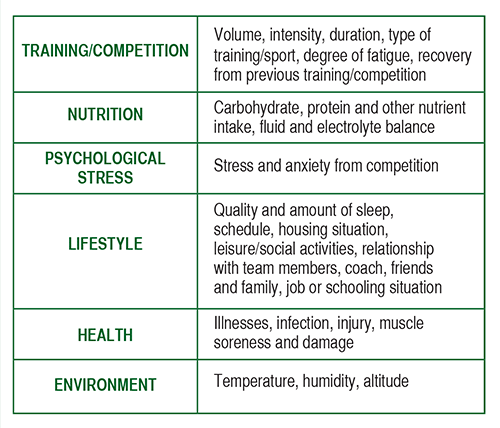
Credit: www.gssiweb.org
Benefits Of Controlled Stress
Stress is often seen as a hindrance in sports training. Yet, controlled stress can actually be beneficial. It helps athletes build mental toughness and adapt to challenging situations. This section explores how controlled stress can enhance sports performance and training.
Harnessing Stress For Improved Performance
Athletes can use stress to boost their performance. Stress triggers adrenaline, increasing heart rate and energy levels. This heightened state can improve focus and reaction time. Controlled stress helps athletes push their limits and achieve personal bests.
Training under stress conditions prepares athletes for real competitions. It simulates the pressure they’ll face during events. This practice helps them stay calm and perform better when stakes are high.
Building Resilience Through Stress
Experiencing stress regularly builds resilience. Athletes learn to handle pressure and recover quickly from setbacks. Stress exposure strengthens mental endurance, making athletes less susceptible to performance anxiety.
Resilient athletes adapt to changes more easily. They maintain composure even in challenging situations. Over time, they become more confident and consistent in their performance.
Frequently Asked Questions
How Does Stress Affect Training?
Stress reduces focus, energy, and recovery during training. It increases fatigue, leading to decreased performance. Managing stress improves endurance and results. Prioritize rest, nutrition, and relaxation for optimal training benefits.
How Does Stress Affect Your Performance?
Stress reduces focus and concentration, leading to poor performance. It affects memory and decision-making skills. Energy levels drop, causing fatigue. Anxiety increases, impacting confidence and motivation. Chronic stress can lead to burnout. Managing stress improves productivity and overall well-being.
How Does Stress Affect Student Athletes?
Stress negatively impacts student athletes by reducing their focus, increasing fatigue, and potentially causing injuries. It affects academic performance and mental health, leading to anxiety and burnout. Effective stress management is crucial for maintaining their physical and psychological well-being.
How Does Mental Health Affect Performance In Sports?
Mental health significantly impacts sports performance. Anxiety and stress can hinder focus and decision-making. Positive mental health boosts motivation and resilience, enhancing athletic performance. Athletes with strong mental health are more likely to achieve goals and maintain consistency. Prioritizing mental well-being is crucial for success in sports.
Conclusion
Stress impacts both your training and performance significantly. It can reduce focus and energy. Managing stress is crucial for athletes. Techniques like deep breathing help. Proper rest and nutrition also support stress management. Consistent practice can build resilience. Remember, a calm mind enhances performance.
Stay aware of stress signals. Take necessary breaks to recharge. Balance is key in sports and life. Prioritize mental health along with physical training. Achieving harmony between body and mind leads to better results.
