blob:https://fitmodelife.com/acabfe9f-8f26-4bb8-837e-6110d29cfa02
Suggestion Score Publish Date Inbound Internal Links Outbound Internal Links Outbound External Links Desc Asc
Have you ever wondered why so many weightlifters and athletes swear by their weight belts? You’re about to discover the secret behind this essential piece of gym equipment.
Imagine lifting heavy weights without the fear of injury. That’s what a weight belt promises – safety and support. But how exactly does it do that? You’ll unravel the science and benefits of using a weight belt. Whether you’re a seasoned lifter or just starting out, understanding how a weight belt can protect you is crucial.
Dive in, and find out how this simple tool can be your best ally in achieving your fitness goals without setbacks. Keep reading to learn how to elevate your gym experience safely and effectively!
Credit: launchphysicaltherapy.com
Role Of Weight Belts In Lifting
Weight belts play a vital role in lifting heavy loads. They provide support to the lower back. This helps in maintaining proper posture. Wearing a belt can reduce the risk of injury. It keeps the spine aligned during lifts. Belts are essential for those lifting high weights. They offer confidence and stability. This can improve performance in weightlifting exercises.
Purpose Of Weight Belts
The primary purpose is to support the lower back. This helps prevent strain on the spine. Belts create intra-abdominal pressure. This stabilizes the spine. It also reduces stress on back muscles. They encourage proper form in lifting. This is crucial to avoid injuries.
Common Uses In Weightlifting
Weight belts are commonly used in squats and deadlifts. They are helpful in overhead presses too. Belts are popular among powerlifters. They provide extra support for heavy loads. Many athletes use them during intense training. They are essential for competitive lifters.
Mechanics Of Injury Prevention
A weight belt supports the lower back during heavy lifting. It helps stabilize and reduce strain on muscles. Proper use can minimize injury risk by maintaining posture and distributing weight evenly.
Understanding the mechanics of injury prevention with a weight belt is crucial for anyone lifting heavy weights. Weight belts are often seen as a staple in gyms, but their use isn’t just for show. They play a significant role in maintaining your body’s integrity during intense workouts. But how exactly do they help in preventing injuries?
Support For The Lower Back
Weight belts provide essential support for the lower back by increasing intra-abdominal pressure. This pressure acts like a cushion for the spine, reducing the risk of back injuries during heavy lifting. Imagine trying to lift a heavy box without bending your knees. Your lower back becomes vulnerable, right? A weight belt helps mitigate this risk by stabilizing the spine and making it easier to maintain proper form. Many lifters share that using a weight belt gives them a sense of security. You might feel more confident attempting heavier lifts knowing your spine has added support. Have you ever noticed how your back feels more secure with a belt? This is because the belt helps in keeping the lower back in alignment, which is critical for injury prevention.
Pressure Distribution
The distribution of pressure is another key aspect of how weight belts prevent injury. By evenly distributing the pressure across your core, the belt minimizes the strain on any single point. This helps in avoiding the common pitfall of focusing excessive force on your lower back. Consider how a belt can change the way pressure is applied to your body. During a squat, for instance, the belt helps distribute the pressure throughout your core instead of concentrating it on your back. This not only protects your back but also allows you to lift more efficiently. Have you ever tried lifting without a belt and felt your form slipping? A weight belt can be the difference between a safe lift and a risky one. It serves as a reminder to engage your core, distributing the force more evenly and keeping you injury-free. By understanding these mechanics, you can make informed decisions about when to use a weight belt. Do you think a weight belt could enhance your lifting sessions? Give it a try and feel the difference in how your body responds.
Enhancing Core Stability
When it comes to weightlifting, enhancing core stability is crucial in preventing injuries. A weight belt can be a powerful tool in your arsenal, supporting your lower back and encouraging a stronger core. But how exactly does it work?
Activation Of Core Muscles
Wearing a weight belt can help activate your core muscles more effectively during heavy lifts. It provides a tactile cue for your abdomen to brace against, encouraging you to engage your core. This added pressure prompts your abdominal muscles, obliques, and lower back to work in harmony, creating a protective barrier around your spine.
Think of it as a reminder to tighten your midsection. Many lifters find this beneficial as it ensures they maintain a solid core throughout their workout. Have you ever noticed how your performance changes when your core is engaged? It’s no coincidence that a strong core can lead to better lift execution and reduced risk of injury.
Improvement In Posture
A weight belt isn’t just about bracing; it’s also about posture. By encouraging proper spinal alignment, it reduces the likelihood of slouching or overextending during lifts. This aligns your torso correctly and enables you to lift more efficiently.
Imagine lifting heavy weights without worrying about bending awkwardly or arching too much. The belt acts as a guide, helping you maintain a neutral spine, which is essential for safe lifting. Have you ever tried lifting without a belt and felt a strain on your lower back? That’s where the belt steps in, offering support and stability when you need it most.
Credit: dynamicchiro.com.au
Psychological Benefits
Weight belts do more than just support your back. They offer significant psychological benefits, enhancing your workout experience. Wearing a weight belt can transform your mindset, making you feel more focused and confident during exercise.
Boosting Confidence
A weight belt can enhance your confidence in the gym. Wearing one signals readiness and commitment. This boosts your self-assurance, encouraging you to push your limits safely. You feel equipped to handle heavier weights. This mental shift can improve performance and results.
Focus And Concentration
Wearing a weight belt helps sharpen your focus. It acts as a reminder to maintain proper form. This constant awareness keeps distractions at bay. You concentrate better on each lift, reducing the risk of injury. Enhanced focus also means more effective workouts. Every rep becomes more meaningful and precise. This mental clarity ensures you maximize each gym session.
Proper Usage Techniques
A weight belt can help prevent injury during heavy lifts. Proper usage is key to maximizing its benefits. Understanding the correct techniques ensures safety and effectiveness.
Correct Positioning
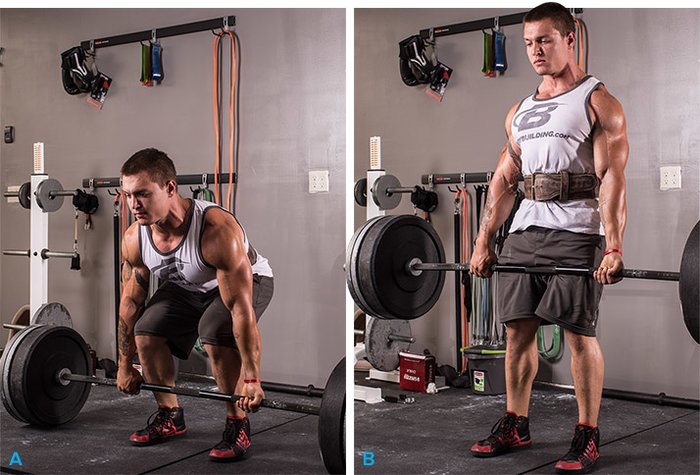
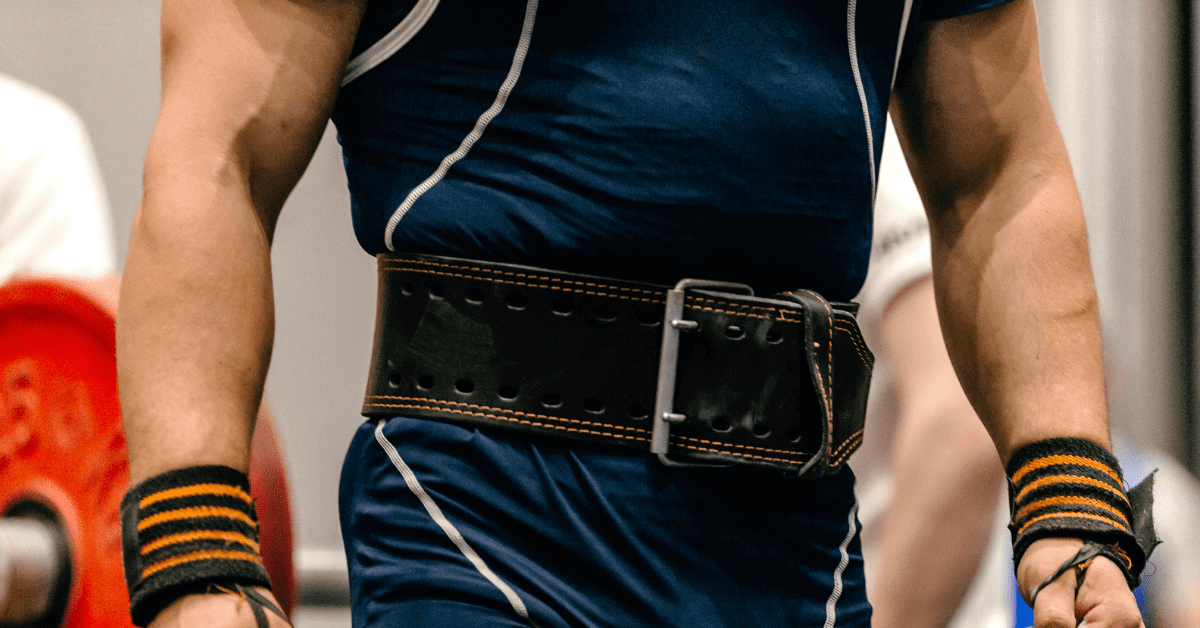
Position the belt snugly around your waist. It should sit above the hip bones. Align the belt evenly front and back for stability. Ensure it is tight enough to support your core.
Timing And Duration Of Use
Wear the belt during heavy lifts like squats or deadlifts. Use it for sets where maximum effort is needed. Limit usage to prevent over-reliance on the belt. This helps maintain natural core strength.
Potential Risks And Limitations
Weight belts are often seen as essential gear for preventing injuries during heavy lifting. However, they come with their own set of potential risks and limitations that every lifter should be aware of. While they can provide crucial support, over-relying on them might lead to unintended consequences. Understanding these risks can help you make more informed decisions about when and how to use a weight belt effectively.
Over-reliance Issues
One significant risk is becoming too dependent on the weight belt. If you always strap on a belt for every lifting session, you might end up neglecting your body’s natural support systems. You could be relying on the belt to do the work your core muscles should be doing. This can lead to weaker core muscles over time, making you more vulnerable when lifting without the belt.
Think about your lifting routine. Are you reaching for the belt too quickly, even for lighter weights? If so, it might be time to reassess your approach. Using the belt only for your heaviest lifts can help maintain the balance between protection and muscle development.
Impact On Natural Muscle Development
Weight belts can affect the development of your stabilizing muscles. When you rely on a belt, your body might not engage the muscles needed to maintain balance and stability naturally. This can hinder the growth of these crucial muscles.
Consider the long-term effects of always using a belt. Are you missing out on building the strength that could come from lifting without one? Sometimes, pushing through lighter lifts without a belt can stimulate muscle growth and enhance your overall strength.
It’s essential to find a balance. How can you use the belt to protect yourself while still encouraging muscle development? Limiting belt use to specific situations can help you achieve both safety and growth.
Choosing The Right Weight Belt
Choosing the right weight belt is crucial not just for optimizing your performance but also for preventing injuries. A belt that fits well and is made from quality materials can make all the difference. But how do you select the perfect weight belt for your needs? Let’s dive into some key considerations.
Material And Design
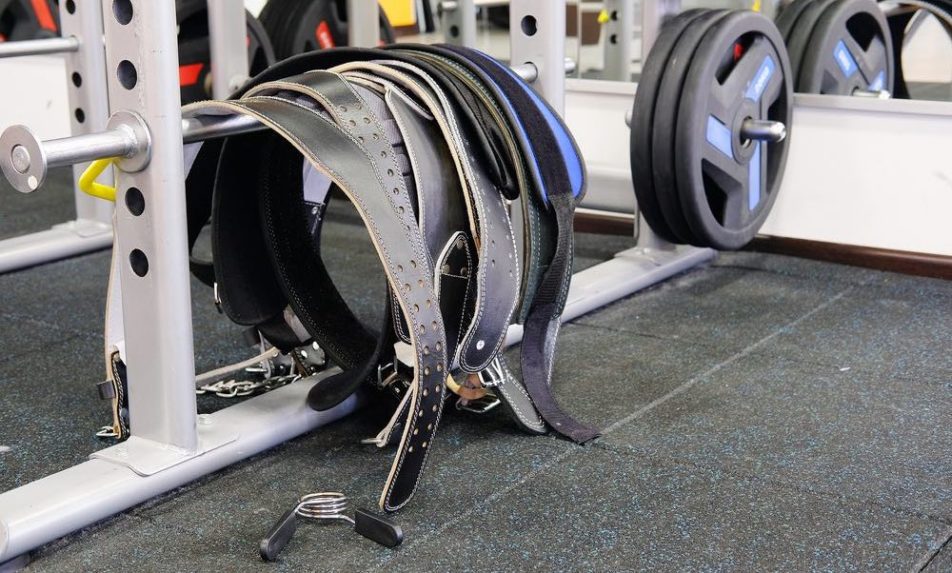
When selecting a weight belt, the material and design are pivotal. Leather belts, for instance, offer durability and support, making them a popular choice among seasoned lifters. Nylon belts, on the other hand, provide flexibility and are often preferred by those who need a bit more movement.
Design matters too. A tapered belt can offer better comfort while maintaining support, whereas a uniform width belt might provide more stability during heavy lifts. Consider what kind of lifting you’ll be doing to choose the design that best suits your needs.
Fit And Comfort Considerations
The fit of a weight belt can make or break your lifting experience. A belt that’s too tight can restrict movement, while one that’s too loose won’t provide the support you need. It’s essential to find a balance that offers both security and comfort.
Try on different sizes and test them during various movements. Pay attention to how the belt feels around your waist and back. If it pinches or causes discomfort, it might not be the right fit for you.
Are you someone who sweats a lot during workouts? Consider belts with moisture-wicking properties to keep you dry and comfortable. Ultimately, your comfort should be a top priority to ensure a safe and effective lifting session.

Credit: bpisports.com
Frequently Asked Questions
Do Weightlifting Belts Prevent Injuries?
Weightlifting belts offer support to the lower back, reducing injury risk. They stabilize the spine during heavy lifts. Proper technique and training are essential for injury prevention. Belts are not a substitute for correct form. Use them as an additional safety measure, especially during maximal lifts.
What Is The Science Behind Weight Belts?
Weight belts support the spine during heavy lifting. They increase intra-abdominal pressure, stabilizing the core. Enhanced stability reduces injury risk. Proper usage involves wearing them snugly during high-load lifts. Regular usage can improve lifting performance by providing additional support and confidence.
What Is The Downfall Of Using A Weight Belt?
Using a weight belt can weaken core muscles over time. It might create a dependency, reducing natural stabilization. Over-reliance may lead to improper lifting techniques. Weight belts can also give a false sense of security, increasing injury risk. They are best used for heavy lifting only.
What Are The Benefits Of Using A Weight Belt?
A weight belt stabilizes the spine during heavy lifts. It reduces the risk of injury by enhancing core support. It can improve lifting performance and help maintain proper posture. It boosts confidence in handling heavier weights safely.
Conclusion
Weight belts offer essential support during heavy lifts. They stabilize your spine. This reduces the risk of injury. Proper use is crucial for effectiveness. Ensure the belt fits snugly. Always focus on form and technique. Don’t rely solely on the belt.
Balance and strength are key to safe lifting. Listen to your body and rest when needed. Weight belts are tools, not magic solutions. Use them wisely for safer workouts. Protect your back, lift safely, and stay healthy.
