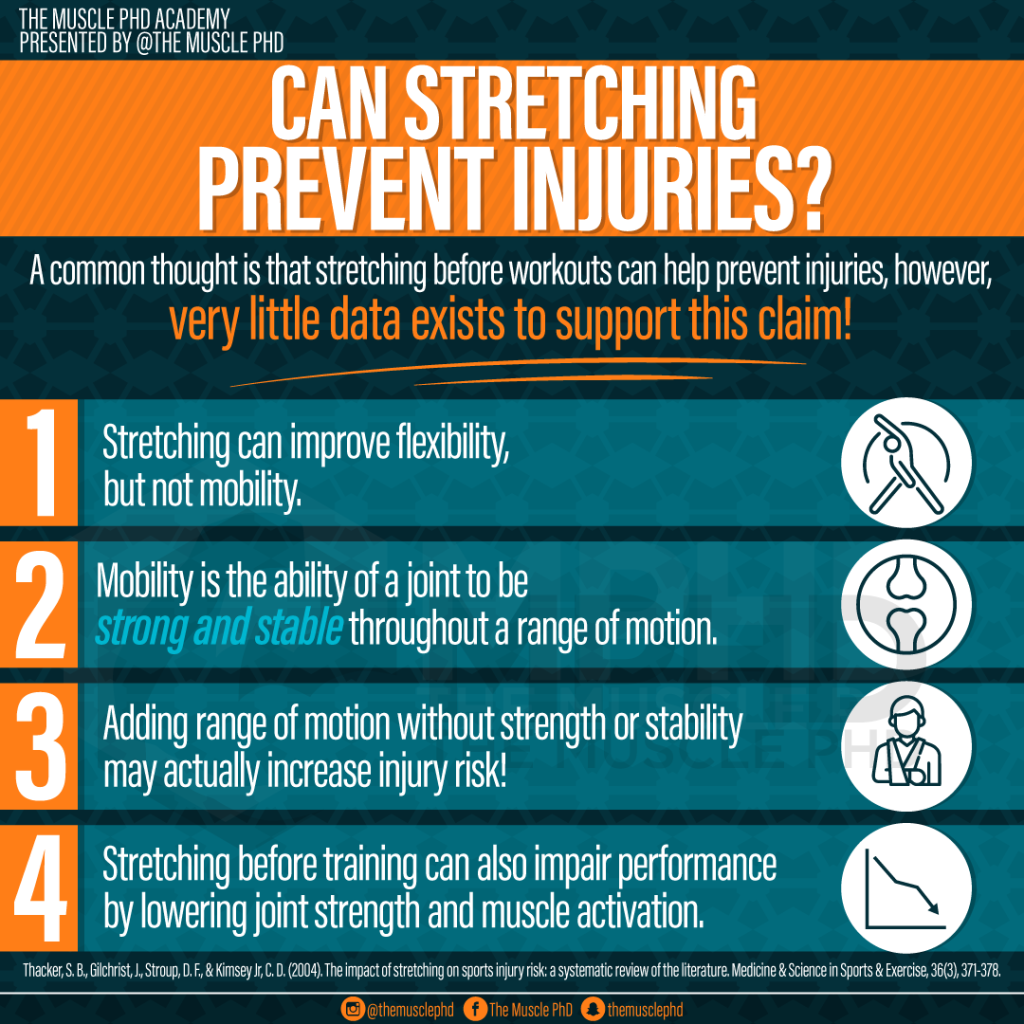
Imagine being able to move freely, without fear of pulling a muscle or feeling a sharp pain after a workout. Picture yourself enjoying your favorite activities without the nagging worry of injury.
Stretching and flexibility could be your secret weapon in achieving this. When you stretch and improve your flexibility, you’re not just enhancing your physical capabilities; you’re safeguarding your body against unnecessary harm. You might wonder how something so simple can be so effective.
The truth is, understanding how stretching and flexibility play a vital role in injury prevention can transform how you approach your fitness routine. This article reveals the science behind these practices and how they can keep you safe, active, and at the top of your game. Stick around to discover how you can boost your body’s resilience and enjoy every step you take with confidence.

Credit: revolution-nutrition.com
Benefits Of Stretching
Stretching enhances flexibility, reducing muscle stiffness and improving range of motion. This helps prevent injuries by preparing muscles for physical activity and minimizing strain. Regular stretching keeps the body agile and less prone to sudden injuries.
Stretching is not just a warm-up routine; it’s a powerful tool that can enhance your physical health and prevent injuries. Whether you’re an athlete or someone who enjoys a morning jog, understanding the benefits of stretching can make a huge difference. Let’s dive into the key advantages that stretching offers, and why it should be a part of your daily routine.
Improved Muscle Function
Stretching helps your muscles perform optimally. When you stretch regularly, your muscles become more efficient, allowing for better performance during physical activities. Think of it as fine-tuning a musical instrument; your muscles respond better and are less prone to strain. A personal experience might highlight this: after incorporating regular stretching into my routine, I noticed my post-exercise recovery improved significantly. My muscles felt less fatigued, and I could push myself further without the usual next-day soreness.
Enhanced Blood Circulation
Stretching boosts blood flow to your muscles. This increased circulation delivers more oxygen and nutrients, which aids in muscle repair and growth. Better blood flow can also help reduce the build-up of lactic acid, which is often responsible for muscle fatigue. Imagine feeling more energized and less tired after a workout. That’s the power of improved circulation from a simple stretching routine. Have you ever felt that burst of energy after a good stretch? That’s your body thanking you for getting the blood moving!
Increased Range Of Motion
Regular stretching increases your flexibility and range of motion. This is crucial for maintaining joint health and preventing injuries. A broader range of motion means you’re less likely to experience strains or sprains during everyday activities or exercise. Consider the simple act of reaching for something on a high shelf. With improved flexibility, such movements become effortless and safe. Do you find yourself struggling with certain movements? Stretching might just be the solution you need. Incorporating these benefits into your life could transform your fitness journey. Are you ready to harness the power of stretching for a healthier, more active lifestyle?
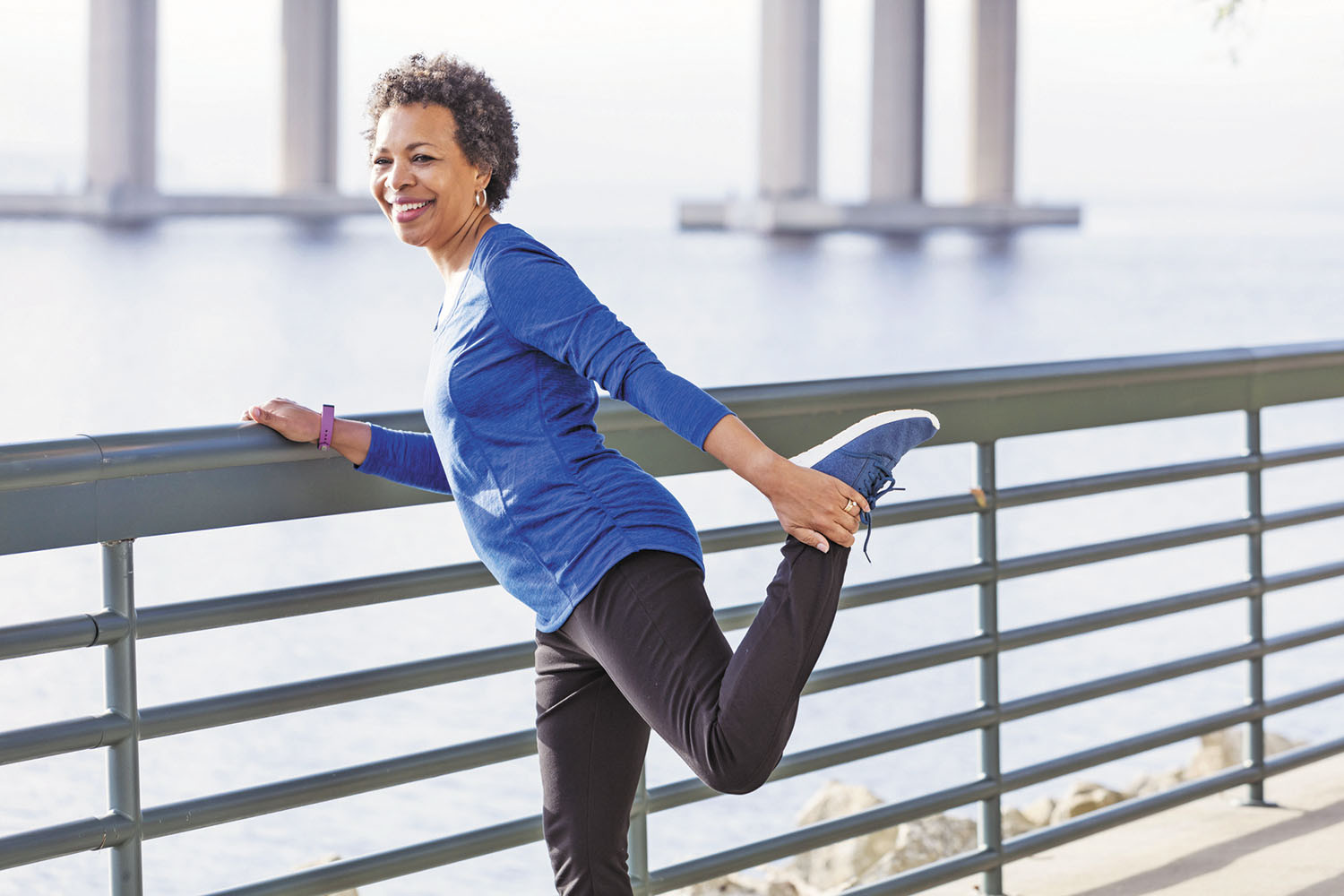
Credit: www.health.harvard.edu
Role Of Flexibility In Injury Prevention
Stretching enhances flexibility, helping muscles stay supple and resilient. Regular stretching reduces stiffness, which lowers injury risk. Improved flexibility boosts movement efficiency, preventing strain during physical activities.
Flexibility plays a crucial role in preventing injuries. Stretching regularly improves the range of motion in your joints. This makes your muscles and ligaments more resilient against strains. When your body is flexible, it adapts better to physical stress. This reduces the risk of tears and sprains during activities. Let’s explore how flexibility can safeguard you from injuries.
Reducing Muscle Tension
Muscle tension often leads to discomfort and pain. Stretching helps in releasing this tension. Relaxed muscles can move freely without strain. This reduces the chance of injuries during movement. Less tension means better circulation, aiding recovery and reducing soreness.
Joint Health And Stability
Flexible joints contribute to overall health and stability. Stretching keeps ligaments and tendons strong and elastic. Strong ligaments support joint movement efficiently. This prevents unnecessary stress on the joints, reducing wear and tear. Healthy joints are less prone to injuries.
Adaptation To Physical Stress
Flexibility enhances your body’s adaptability to physical stress. Stretching prepares muscles and joints for sudden movements. An adaptive body can handle unexpected changes in motion. This decreases the likelihood of injuries during intense activities. Being flexible means your body responds better to challenges.
Types Of Stretching Techniques
Understanding different stretching techniques can help prevent injuries and improve flexibility. Static stretching, dynamic stretching, and proprioceptive neuromuscular facilitation (PNF) are common methods. Each technique offers unique benefits to muscles and joints, promoting better performance and reducing injury risks.
Stretching is not just about reaching your toes or bending backward; it’s a vital part of keeping your body injury-free. Different stretching techniques offer unique benefits, and understanding these can transform your fitness routine. Let’s dive into the various stretching techniques that you can incorporate into your exercise regimen for better flexibility and injury prevention.
Static Stretching
Static stretching involves holding a stretch in a comfortable position for a period of time, usually between 15 to 60 seconds. This technique is excellent for improving flexibility and cooling down after a workout. Imagine finishing your jog and gently extending your calf muscles; this helps in relaxing the muscles and increasing their length over time. Static stretches are best performed when your muscles are warm, post-exercise.
Dynamic Stretching
Dynamic stretching is about movement-based stretches, often used as a warm-up to prepare your body for activity. These stretches are controlled, smooth, and mimic the movements of the activity you’re about to do. Think of arm circles before a swim or leg swings before a soccer match. Dynamic stretching increases blood flow and prepares your muscles for the vigorous activities ahead, reducing the risk of injury.
Ballistic Stretching
Ballistic stretching involves bouncing movements to push your body beyond its usual range of motion. This technique is more suited for advanced athletes and should be approached with caution. While it can enhance flexibility, improper execution can lead to muscle strains. Picture a basketball player bouncing in and out of a hamstring stretch. If you’re new to stretching, it might be best to leave ballistic stretching to the pros.
Pnf Stretching
Proprioceptive Neuromuscular Facilitation (PNF) stretching is a more advanced technique involving a cycle of contraction and relaxation of muscles. It’s typically done with a partner and aims to improve flexibility beyond the limits of conventional methods. Consider lying down with a partner pushing your leg into a stretch; you resist, relax, and then stretch further. This method is highly effective in increasing range of motion but requires guidance to prevent injury. Each stretching technique offers unique benefits. Which one resonates with you? Integrating the right type of stretching into your routine can make a significant difference in your flexibility and injury prevention strategy.
Incorporating Stretching Into Routine
Stretching regularly boosts flexibility, helping muscles stay limber and reducing the risk of injuries. Flexible muscles support joints, improving movement and balance.
Incorporating stretching into your routine enhances flexibility and reduces injury risk. It prepares muscles for physical activity and aids recovery. Consistent stretching improves posture and balance, supporting overall fitness goals. Integrate stretching into your daily schedule for optimal benefits.
Pre-workout Stretching
Pre-workout stretching is essential for preparing the body. It increases blood flow to muscles, making them ready for activity. Dynamic stretches are ideal before workouts. They involve moving parts of your body in a controlled manner. Examples include leg swings and arm circles. These stretches enhance movement and reduce stiffness. Aim for 5 to 10 minutes of dynamic stretching before any exercise.
Post-workout Recovery
Stretching after a workout helps muscles recover. It reduces soreness and stiffness. Static stretches are best for post-workout recovery. These stretches involve holding a position for 15 to 30 seconds. Focus on major muscle groups like calves, thighs, and shoulders. Post-workout stretching improves flexibility over time. It also promotes relaxation and reduces muscle tension.
Daily Flexibility Exercises
Incorporate daily flexibility exercises for long-term benefits. Consistency is key to improving range of motion. Gentle yoga poses and pilates can be effective. Spend 10 to 15 minutes on flexibility exercises daily. This routine supports joint health and reduces injury risk. Make stretching a part of your morning or evening routine. It enhances mobility and reduces stress.
Common Mistakes In Stretching
Stretching is vital for flexibility and preventing injuries. Yet, many make mistakes that hinder progress. Knowing these common mistakes can enhance your stretching routine and keep injuries at bay. Let’s dive into some frequent errors.
Overstretching Risks
Pushing muscles too far can cause harm. Overstretching leads to strains and tears. Muscles should feel a gentle pull, not pain. Listening to your body is key. If discomfort arises, ease back. A controlled stretch maintains muscle health and prevents injury.
Ignoring Warm-up
Skipping warm-ups is a common error. Cold muscles are prone to injury. A proper warm-up increases blood flow and flexibility. Simple movements, like arm circles or leg swings, prepare muscles for stretching. Warm muscles respond better and reduce the risk of strains.
Improper Techniques
Technique matters in stretching. Improper form can negate benefits. Bouncing or jerking motions are risky. They stress muscles and joints unnecessarily. Opt for steady and smooth movements. Hold stretches for 15 to 30 seconds. This promotes flexibility and safety.
Credit: www.walmart.com
Scientific Insights On Stretching
Understanding the scientific insights behind stretching and flexibility can transform how you approach injury prevention. While many people stretch simply because it feels good, there’s a wealth of research that underscores its importance in keeping your muscles and joints healthy. Stretching can be a powerful tool in your fitness arsenal, and it’s backed by scientific evidence.
Research Studies And Findings
Research has shown that regular stretching can increase blood flow to muscles, improving nutrient delivery and waste removal. This enhances muscle recovery and reduces the risk of strain. A study published in the Journal of Sports Sciences found that athletes who incorporate dynamic stretching before workouts reduce their injury rates significantly.
Another study in the Clinical Journal of Sport Medicine highlighted that stretching improves muscle flexibility, which helps in maintaining a full range of motion. This is crucial in preventing injuries related to muscle tightness. The insights from these studies suggest a direct correlation between stretching routines and reduced injury incidence.
Expert Opinions
Many fitness experts advocate for stretching as a key element of any exercise regimen. Dr. Sarah Johnson, a renowned physiotherapist, emphasizes that consistent stretching helps in maintaining muscle elasticity. According to her, the flexibility gained through stretching aids in absorbing impact and reducing muscle stress during physical activities.
Certified personal trainers also recommend incorporating both static and dynamic stretches. This combination ensures that muscles are warm and ready for intense activity, further minimizing the risk of injury. Have you ever considered how a simple stretch routine could be your secret weapon against physical setbacks?
Stretching For Different Age Groups
Stretching boosts flexibility and helps prevent injuries across all ages. It maintains muscle health and joint function. Regular routines support balance, reducing strain and keeping movements safe.
Stretching for different age groups is essential for injury prevention. Each stage of life has unique needs for flexibility exercises. Tailored stretching routines ensure optimal benefits and safety. Let’s explore how different age groups can engage in stretching activities.
Children And Adolescents
Children and adolescents are constantly growing. Their muscles and joints need regular stretching. It helps improve flexibility and balance. Engaging in fun stretching activities promotes a positive attitude toward exercise. Simple stretches can prevent injuries during sports and play. Focus on dynamic stretches to keep them active and engaged. Encourage participation in activities like yoga, which enhances flexibility.
Adults
Adults often face sedentary lifestyles. Regular stretching helps counteract stiffness and muscle tightness. Incorporating stretching into daily routines can improve posture and reduce stress. Stretching before and after workouts can prevent strains. Focus on stretches that target major muscle groups. Consider activities like Pilates to improve overall flexibility. Consistency is key for maintaining joint health and preventing injuries.
Seniors
Seniors require gentle stretching to maintain mobility. Stretching helps improve circulation and reduces pain. Activities like tai chi can enhance balance and flexibility. Regular stretching can prevent falls and maintain independence. Focus on slow and controlled movements. Incorporate stretching into daily routines to ensure consistency. Consult with healthcare professionals for personalized stretching plans.
Tools And Equipment For Stretching
Stretching and flexibility tools help in maintaining muscle balance. They increase blood flow, reducing injury risk. Regular use supports muscle elasticity, aiding in quicker recovery and prevention of strains.
Stretching plays a crucial role in maintaining flexibility and preventing injuries. Proper tools and equipment can enhance your stretching routine, making it more effective and enjoyable. These tools help you target specific muscles and improve your range of motion. Let’s explore some popular options.
Foam Rollers
Foam rollers are versatile and easy to use. They help release muscle tightness and increase blood flow. Rolling over different muscle groups can reduce soreness. Foam rollers come in various densities. Choose one that suits your comfort level. They are ideal for self-myofascial release, aiding in muscle recovery.
Resistance Bands
Resistance bands offer adjustable tension for different exercises. They are portable and affordable. Use them to enhance stretches and strengthen muscles. Bands come in different levels of resistance. This allows for customization based on your needs. They are great for targeting specific muscle groups safely.
Stretch Straps
Stretch straps assist in achieving deeper stretches. They provide stability and control. Use them to hold positions longer and improve flexibility. Straps often have loops for easy grip. This ensures you maintain proper form during stretching. They are perfect for static and dynamic stretches alike.
Frequently Asked Questions
How Does Stretching Help Injury Prevention?
Stretching improves flexibility, increases blood flow, and enhances muscle coordination. It reduces tension and prevents injuries. Regular stretching prepares muscles for physical activities, decreasing the risk of strains or sprains. Integrating stretching into your routine supports overall muscle health and aids in effective injury prevention.
How Can Flexibility Reduce The Risk Of Injury?
Flexibility improves joint movement and muscle elasticity, reducing strain and tension. It helps prevent muscle tears and overuse injuries by allowing smoother and wider range of motion. Regular stretching enhances flexibility, promoting better body mechanics and posture, which decreases injury risks during physical activities.
Why Is Flexibility Important For Injury Prevention?
Flexibility enhances joint mobility, reducing strain during physical activities. Improved flexibility allows for better posture and coordination, minimizing injury risks. Stretching regularly maintains muscle elasticity, preventing stiffness and tears. Incorporating flexibility exercises into your routine can significantly lower the chances of injury, especially during intense physical activities.
How Does Stretching Improve Muscle Function?
Stretching increases blood flow to muscles, enhancing nutrient delivery and waste removal. It improves muscle efficiency and performance by maintaining elasticity. Regular stretching reduces muscle tension, preventing cramps and spasms. This promotes better muscle function, aiding in smoother, more effective movements during exercise and daily activities.
Conclusion
Stretching and flexibility play a vital role in injury prevention. They help muscles stay strong and flexible. This reduces the risk of strains and sprains. Regular stretching keeps joints healthy and improves movement. It also enhances balance and coordination. Consistent practice supports overall physical well-being.
Remember, a flexible body is a resilient body. Incorporating stretching into daily routines can make a big difference. Prioritize it for better health and safety. Stay active, stay safe, and enjoy a healthier lifestyle.
