
Ever wondered why some days on the field, court, or track feel like you’re on top of the world, while others feel like you’re dragging a ton of bricks? It’s not just about physical training; your mood plays a huge role too.
Imagine being able to unlock the secret to consistently performing at your best. How would that change the way you approach your sport? Your emotions can either be your greatest ally or your toughest opponent. By understanding how your mood affects your performance, you can harness its power to boost your game.
Ready to dive into the fascinating connection between your mind and your athletic prowess? Let’s explore how you can turn your mood into a tool for success in sports.
Mood And Athletic Performance
Mood significantly influences athletic performance. A positive mood boosts energy and focus, enhancing physical capabilities. Conversely, a negative mood can lead to decreased motivation and concentration, hindering performance.
Mood and Athletic Performance Your mood plays a crucial role in how you perform in sports. It’s not just about physical ability; your mental state can make or break your game. Imagine stepping onto the field feeling confident and motivated; you’re likely to perform better than when you’re anxious or upset.
Understanding The Connection
Mood impacts your focus and decision-making. When you’re in a positive state, you can concentrate better, make quicker decisions, and react faster to changing situations. Conversely, negative emotions can cloud your judgment and slow your reflexes.
The Science Behind It
Studies show that mood affects neurotransmitter levels in your brain. These chemicals influence your energy, stamina, and overall performance. A positive mood boosts serotonin, leading to improved endurance and reduced fatigue. On the flip side, stress hormones like cortisol can drain your energy.
Personal Experience Matters
Remember the last time you played your best game? Reflect on your mood that day. Perhaps you were excited or felt a surge of adrenaline. This suggests that maintaining a positive mindset can replicate those stellar performances.
Practical Tips To Elevate Your Mood
- Start your day with a favorite song or playlist.
- Engage in deep breathing exercises to calm your nerves.
- Visualize success before stepping onto the field.
- Connect with teammates for support and motivation.
Challenge Yourself
Consider how you prepare for a game. Are you mindful of your mood? Next time, try setting a positive tone before you start. What small changes can you make to your routine to ensure you’re in the best mental state possible? Your mood is more powerful than you think. By paying attention to it, you can unlock new levels of performance in your sport.

Credit: www.facebook.com
Emotional Impact On Physical Abilities
Mood directly influences sports performance. Positive emotions boost energy and focus, while negative feelings can hinder coordination and motivation. Emotional balance is key for optimal physical abilities in sports.
Emotions play a crucial role in shaping your physical abilities when engaging in sports. Whether you’re a seasoned athlete or a weekend warrior, your emotional state can significantly influence your performance. Feeling upbeat and positive can boost your energy levels and increase your resilience during a game. Conversely, negative emotions might hinder your concentration, leading to mistakes and fatigue. Understanding the connection between your emotions and physical abilities can be the key to unlocking your full potential in sports.
Understanding The Mind-body Connection
Your mind and body are interconnected in fascinating ways. When you’re happy or excited, your brain releases endorphins, enhancing your physical performance. These chemicals can act as natural painkillers, allowing you to push through challenging workouts. On the other hand, stress and anxiety can lead to the release of cortisol, a hormone that can drain your energy and slow down your reflexes. This can make it harder for you to react quickly in a fast-paced game, impacting your overall performance.
Adapting Your Training To Your Mood
It’s essential to acknowledge your emotions and adjust your training accordingly. If you’re feeling down, try incorporating activities that boost your mood, like listening to music during workouts. Music can uplift your spirits and motivate you to give your best. Alternatively, when you’re in high spirits, challenge yourself with more demanding exercises. This is the ideal time to set new personal records and push your limits.
Emotional Preparation Before Competition
Preparing emotionally before a competition is as important as physical training. Visualize success to build confidence and reduce anxiety. Picture yourself performing at your best, executing skills flawlessly. Consider creating a pre-game ritual to center your emotions. Whether it’s meditation or deep breathing exercises, find what works for you and make it a habit. This preparation can help calm your nerves and focus your energy.
Monitoring Emotional Health
Keep track of your emotional health as part of your sports routine. Reflect on how different emotions impact your performance and identify patterns. Are there specific emotions that enhance your abilities? Or do certain feelings consistently lead to setbacks? By understanding these patterns, you can develop strategies to manage emotions effectively. This awareness can empower you to optimize your performance and enjoy sports more fully. Remember, your emotional health is as important as your physical fitness.
Psychological Factors In Sports
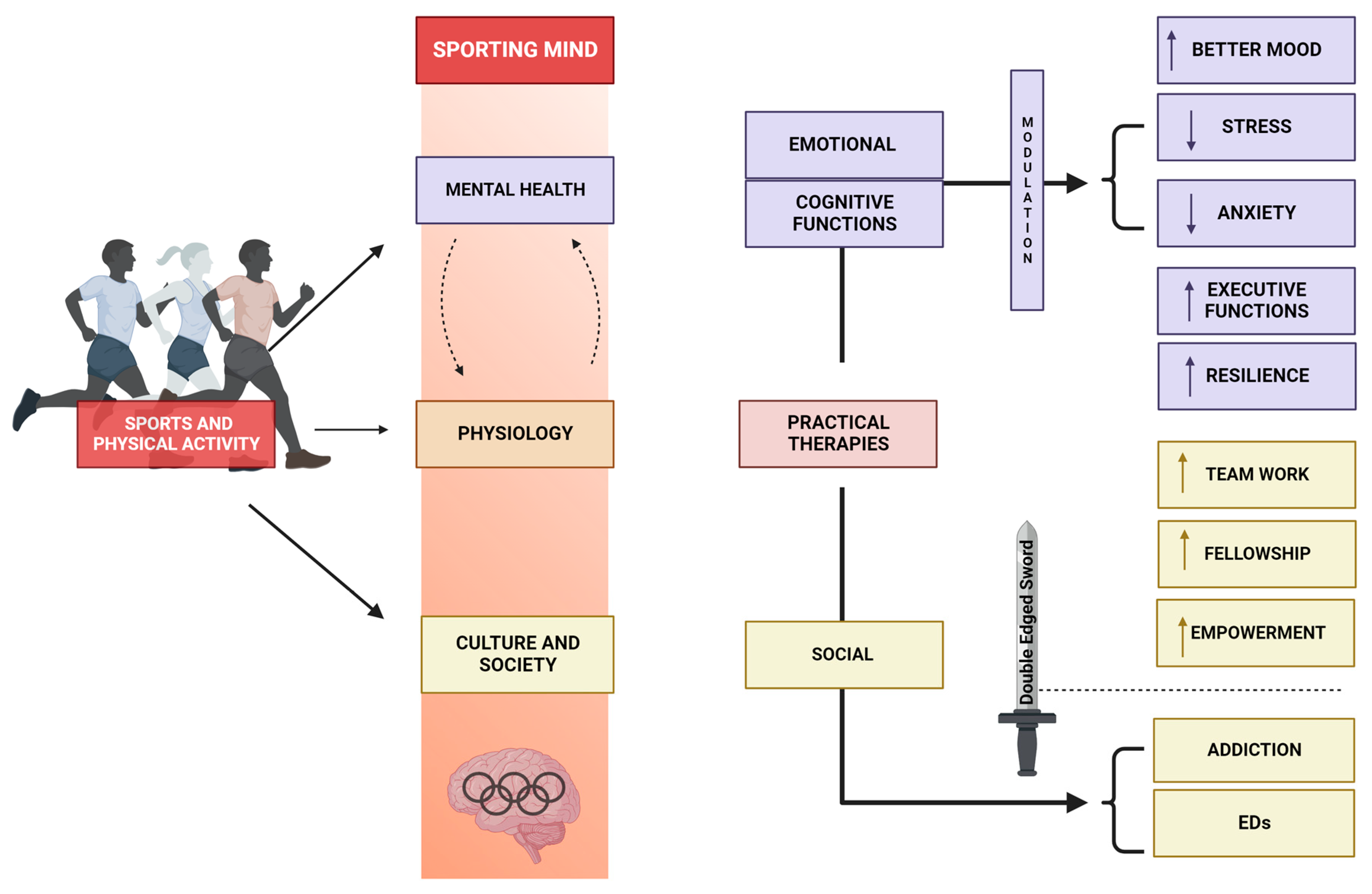
Understanding psychological factors in sports is crucial for athletes. These factors impact how athletes perform. Mental state often determines success or failure in sports. Athletes must manage their emotions effectively. Let’s explore some key psychological aspects.
Stress And Anxiety
Stress can greatly affect performance. It can cause tension and reduce focus. Athletes may feel overwhelmed by pressure. Anxiety often leads to mistakes during competitions. Managing stress is crucial for peak performance. Relaxation techniques can help reduce anxiety levels. Breathing exercises and visualization are effective strategies.
Confidence And Self-esteem
Confidence plays a vital role in sports. Athletes with high confidence believe in their abilities. This belief leads to better performance. Low self-esteem can hinder an athlete’s potential. It can cause doubt and hesitation. Building confidence requires positive self-talk. Celebrating small achievements boosts self-esteem.
Motivation And Drive
Motivation fuels an athlete’s desire to succeed. It drives them to train harder and push limits. Without motivation, performance can decline. Internal motivation comes from personal goals and passion. External motivation includes rewards and recognition. Setting clear goals helps maintain motivation. Athletes should remind themselves why they started.
Credit: www.mdpi.com
Role Of Positive Emotions
Positive emotions can transform your sports performance. They uplift your spirit and sharpen your focus. They bring energy and vitality. Embracing positivity can create a harmonious team environment. Athletes often find their best performances come when they feel good. It’s not just about physical strength. It’s about mental and emotional strength too.
Enhancing Focus
Positive emotions help athletes concentrate. They clear the mind and banish distractions. Athletes can focus on their goals and strategies. A clear mind makes decision-making easier. It reduces errors and improves precision. Concentration is key in high-pressure situations.
Boosting Energy Levels
Feeling happy boosts your energy. It increases endurance and stamina. Athletes can push through tough moments. Energy levels soar when spirits are high. The body responds to positive emotions with vigor. Fatigue feels less overwhelming with a positive mindset.
Improving Team Dynamics
Positive emotions create strong bonds in teams. They foster trust and cooperation. Team members communicate better. They support each other and celebrate successes. A positive atmosphere boosts morale. Teams perform well when each member feels valued.
Negative Emotions And Performance
Negative emotions can greatly impact sports performance. Feeling anxious or upset often leads to distraction and reduced focus. This can result in mistakes, lower energy, and less motivation to perform well.
Negative emotions can significantly impact your performance in sports. Whether it’s anger, fear, or frustration, these emotions can cloud your judgment and affect your physical abilities. Understanding how negative emotions influence your game can help you develop strategies to manage them effectively.
Handling Pressure
Pressure can either be a catalyst for high performance or a source of debilitating stress. It’s natural to feel nervous before a big game, but letting those feelings overwhelm you can be detrimental. Consider deep breathing exercises or visualization techniques to calm your mind and focus on your goals. Do you find that pressure makes you doubt your abilities? Take a moment to reflect on past successes and remind yourself of your skills. Turning pressure into motivation can be the difference between a good performance and a great one.
Overcoming Fear And Doubt
Fear and doubt can creep in when you’re facing a tough opponent or trying a new skill. These emotions can lead to hesitation, which in turn affects your performance. Challenge your fears by setting small, achievable goals that build confidence over time. Have you ever noticed how doubt makes you question every move? Trust in your training and preparation. Reaffirming your commitment to improvement can help you push past self-imposed limits.
Managing Anger And Frustration
Anger and frustration often stem from unmet expectations or mistakes during the game. While it’s normal to feel these emotions, how you handle them can affect your performance. Channel anger into positive energy by using it to fuel your determination and focus. Does frustration cause you to lose concentration? Practice mindfulness to keep your thoughts grounded in the present moment. By focusing on what you can control, you can turn frustration into a learning experience rather than a setback.
Techniques To Enhance Mood
Elevating your mood can significantly boost your sports performance. Positive emotions enhance focus, motivation, and energy levels. Techniques like mindfulness, regular exercise, and balanced nutrition can improve your mood, leading to better athletic results.
Techniques to Enhance Mood Enhancing your mood can boost your sports performance. Positive feelings improve focus and energy. It’s crucial to adopt techniques to uplift your mood. Let’s explore some effective methods.
Visualization And Imagery
Athletes often use visualization to enhance their mood. Imagine yourself succeeding in your sport. Picture the perfect shot or goal. This builds confidence and reduces stress. Visualization helps prepare your mind for challenges. Regular practice can make it more effective.
Mindfulness And Meditation
Mindfulness involves staying present and aware. Meditation helps calm the mind and body. These techniques reduce anxiety and improve focus. Spend a few minutes each day in quiet reflection. Focus on breathing and let go of distractions. This creates a peaceful mindset, essential for sports.
Goal Setting And Planning
Setting clear goals can motivate and enhance your mood. Break down big goals into smaller steps. This makes them achievable and less intimidating. Planning ensures you’re always working towards something. Write down your goals and review them regularly. This keeps your spirits high and your mind on track.
Scientific Studies And Findings
Mood influences sports performance significantly. Positive emotions boost confidence and focus, leading to better results. Negative feelings can cause distraction and decrease efficiency, affecting overall performance.
Scientific studies have explored the link between mood and sports performance. Research shows that mood plays a crucial role in how athletes perform. Positive emotions can boost energy, focus, and motivation. Negative emotions may lead to distractions and decreased physical output. Understanding this connection can help athletes improve their game.
Research On Positive Mood Effects
Studies reveal that a positive mood enhances performance. Athletes with higher morale tend to have better endurance and concentration. Optimistic feelings can elevate energy levels, leading to superior results. Positive reinforcement and self-talk can also amplify this effect.
Impact Of Negative Emotions
Negative emotions can hinder an athlete’s performance. Stress and anxiety might cause physical tension and reduce effectiveness. Fear of failure can create mental barriers, affecting decision-making and precision. Recognizing these emotions early can help in managing them.
Role Of Emotional Regulation
Managing emotions is key to maintaining performance. Techniques like mindfulness and breathing exercises can help regulate mood. Athletes who practice emotional control tend to stay focused and calm under pressure. Consistent emotional management leads to sustained performance.
Findings From Neurophysiological Studies
Brain studies show how mood affects motor skills. Positive emotions activate brain areas linked to movement and coordination. Negative feelings can disrupt neural pathways, impacting agility and speed. Understanding brain functions aids in developing mood-enhancing strategies.
Impact Of Team Dynamics
Team mood influences individual performance. A supportive team environment boosts morale and collective effort. Positive team interactions can improve communication and cooperation. Team dynamics often dictate the overall success in group sports.
Real-life Examples
Professional athletes often share stories of how a positive mindset boosts their game. Serena Williams credits her mental focus for her victories. Meanwhile, basketball star LeBron James emphasizes the importance of staying calm under pressure to achieve success.
Understanding the impact of mood on sports performance becomes clearer when we look at real-life examples. These stories not only illustrate the power of emotions but also offer practical insights you can apply. Whether you’re an athlete, a coach, or someone who enjoys a weekend game, these examples highlight the connection between your mental state and how you perform.
Michael Jordan’s Flu Game
In the 1997 NBA Finals, Michael Jordan played one of the most memorable games of his career despite suffering from the flu. His physical condition was far from ideal, but his determination and mental toughness allowed him to excel. This game is a testament to how a focused mindset can transcend physical discomfort and elevate performance.
Serena Williams’ Comeback
Serena Williams faced numerous setbacks, including injuries and personal challenges. Despite these hurdles, she made a remarkable comeback to win multiple Grand Slam titles. Her journey shows how maintaining a positive outlook and resilience can help overcome difficulties and achieve greatness in sports.
Tom Brady’s Underdog Story
Tom Brady’s career is a classic story of overcoming the odds. Drafted as a backup quarterback, he used this as motivation to become one of the greatest in NFL history. His story emphasizes how a motivated and optimistic mindset can drive you to surpass expectations and achieve outstanding results.
Lindsey Vonn’s Determination
Lindsey Vonn, one of the most successful female skiers, faced numerous injuries throughout her career. Her unwavering determination and positive attitude allowed her to return stronger each time. Her story highlights how a strong mental attitude can help you push through adversity and maintain peak performance.
Usain Bolt’s Confidence
Usain Bolt’s confidence and charisma were evident every time he stepped onto the track. His mental state played a significant role in his success, allowing him to remain calm and composed under pressure. This example underscores how a confident mindset can enhance your ability to perform at your best. These examples show that mood and mental state play a crucial role in sports performance. How can you harness your emotions to improve your game? By focusing on these real-life stories, you can find inspiration to develop a mindset that propels you to success.
Strategies For Athletes
Understanding mood’s impact on sports performance is crucial for athletes. Emotions can enhance or impair your abilities. To maintain peak performance, adopting effective strategies is key. Implementing practical approaches helps in managing emotional challenges. Below are some strategies that athletes can use to improve their performance.
Building Emotional Resilience
Emotional resilience strengthens your ability to cope with stress. Regular practice of mindfulness helps in staying calm. Techniques like deep breathing reduce anxiety during competitions. Journaling helps in processing emotions effectively. Reflect on past experiences to learn and grow.
Creating Supportive Environments
A supportive environment boosts confidence and morale. Surround yourself with positive influences. Engage with teammates who encourage and motivate. Coaches should provide constructive feedback. Open communication fosters trust and understanding. Share your challenges and successes with peers.
Utilizing Sports Psychology
Sports psychology offers tools to enhance mental strength. Visualization techniques improve focus and concentration. Mental rehearsal prepares you for various scenarios. Goal setting keeps you motivated and on track. Regular sessions with a psychologist aid in managing stress.
Credit: blogs.bmj.com
Frequently Asked Questions
How Does Mood Affect Athletic Performance?
Mood significantly impacts athletic performance. Positive mood boosts motivation and focus, enhancing performance. Negative mood leads to decreased energy and concentration, impairing performance. Managing emotions helps maintain peak performance levels.
How Can Your Mood Affect Your Performance?
Mood directly influences motivation and focus, impacting productivity. Positive moods boost creativity and problem-solving. Negative moods can lead to procrastination and errors. Managing emotions improves performance significantly.
How Does Sport Affect Your Mood?
Engaging in sports releases endorphins, improving mood and reducing stress. Physical activity boosts energy and enhances self-esteem. Regular exercise can decrease anxiety and combat depression, promoting overall mental well-being.
How Do Emotions Affect Performance?
Emotions significantly influence performance. Positive emotions boost motivation, creativity, and productivity. Negative emotions, like stress and anxiety, hinder focus, decision-making, and efficiency. Managing emotions effectively enhances overall performance and well-being.
Conclusion
Mood plays a crucial role in sports performance. Positive emotions boost energy and focus. Negative moods can lead to distractions and mistakes. Athletes should manage their emotions for success. Techniques like deep breathing help maintain a positive mindset. Coaches can support athletes with motivational talks.
Understanding your mood helps improve performance. Balance emotions for better outcomes in sports. Remember, your mind affects your body. Stay positive and focused. Performance will follow.
