
Imagine lacing up your running shoes, feeling the excitement of the open road or trail ahead. But then, a sharp pain stops you in your tracks.
Whether you’re a seasoned marathoner or a casual jogger, running injuries can be a frustrating setback. They not only halt your progress but can also dampen your passion for running. The good news? You have the power to prevent and treat these common injuries effectively.
You’ll discover simple strategies to keep your runs pain-free and enjoyable. We’ll explore practical tips that fit easily into your routine, ensuring you stay on track with your fitness goals. So, let’s dive in and find out how you can protect yourself and continue running with confidence.

Credit: www.amazon.com
Common Running Injuries
Running is a popular exercise, but it can lead to injuries. Knowing the common running injuries helps in preventing and treating them effectively. Here are some frequent issues runners face:
Runner’s Knee
Runner’s knee causes pain around the kneecap. It often results from overuse or improper footwear. Rest and proper stretching can aid recovery.
Shin Splints
Shin splints are characterized by pain along the shinbone. They arise from increased activity or poor running technique. Resting and ice application can reduce discomfort.
Plantar Fasciitis
Plantar fasciitis is heel pain due to inflammation. It stems from stress on the foot’s arch. Stretching and supportive shoes can help manage symptoms.
Achilles Tendinitis
Achilles tendinitis involves pain above the heel. It occurs due to tight calf muscles or excessive running. Calf stretches and proper footwear can alleviate the pain.
It Band Syndrome
IT Band Syndrome causes pain outside the knee. It results from tightness in the iliotibial band. Foam rolling and stretching can be beneficial.

Credit: nmortho.com
Prevention Techniques
Strengthening muscles and proper stretching can reduce the risk of running injuries. Gradually increase mileage to avoid overuse injuries. Wearing well-fitted shoes provides essential support for safe running.
Running is an excellent way to stay fit. It can also lead to injuries if not done carefully. Preventing injuries is crucial for a long and healthy running journey. Understanding prevention techniques can help keep you on track. Below are essential strategies to avoid common running injuries.
Proper Warm-up
Warming up prepares your body for exercise. It increases blood flow to muscles. Start with light jogging or walking. Stretch major muscle groups gently. This reduces the risk of strains and sprains.
Correct Footwear
Wearing the right shoes is vital. Proper footwear supports your feet and ankles. Choose shoes that match your running style. Replace worn-out shoes regularly. This helps prevent blisters and foot pain.
Gradual Training Increase
Increase your running distance gradually. Sudden spikes in activity can lead to injuries. Follow the 10% rule to increase mileage. This means adding no more than 10% weekly. It gives your body time to adapt.
Strength Training
Strengthen your muscles to support joints. Focus on legs, hips, and core exercises. Squats and lunges are effective. Strong muscles help prevent joint injuries. They also improve running performance.
Flexibility Exercises
Flexibility reduces injury risk. Stretch regularly to maintain muscle elasticity. Focus on hamstrings, calves, and hip flexors. Yoga can improve flexibility. It also enhances balance and body awareness.
Treatment Options
Running injuries can be frustrating and painful. Proper treatment is essential for recovery and prevention. Understanding the various treatment options can help runners heal effectively. Let’s explore different methods to treat common running injuries.
Rest And Recovery
Rest is crucial for healing. It allows the body to repair itself. Reduce running activities to avoid worsening injuries. Give your muscles time to heal. Quality sleep also aids in recovery. Listen to your body’s needs.
Ice Therapy
Ice therapy reduces swelling and numbs pain. Apply ice packs to affected areas. Use ice for 15 to 20 minutes, several times a day. It helps calm inflammation. Ensure ice is wrapped in a cloth to protect skin.
Compression And Elevation
Compression supports injured muscles. It prevents swelling and provides stability. Use compression wraps or sleeves for support. Elevating the injured area above heart level reduces swelling. This improves blood flow and promotes healing.
Physical Therapy
Physical therapy strengthens muscles and improves flexibility. Therapists design exercises tailored to injuries. These exercises help restore movement and prevent future injuries. Regular sessions can speed up recovery. They also improve running performance.
Pain Management Strategies
Pain management is key to recovery. Use over-the-counter pain relievers responsibly. Consult a doctor if pain persists. Natural remedies like massage or acupuncture can help. Pain should decrease as healing progresses.
When To Seek Professional Help
Persistent pain, swelling, or inability to run may indicate a need for professional help. If symptoms worsen or don’t improve after rest, consult a healthcare provider. Early intervention can prevent further damage and speed up recovery.
Knowing when to seek professional help for running injuries can be tricky. It’s easy to dismiss a little discomfort or stiffness as part of the process. Yet, ignoring certain signs can lead to more serious issues. Understanding when to consult a specialist can save you from prolonged recovery periods and ensure you’re back on track, quite literally, in no time.
Persistent Pain
Pain is your body’s alarm system, signaling that something is wrong. If you experience pain that doesn’t subside with rest or over-the-counter remedies, it’s time to consult a professional. A friend of mine once ignored persistent knee pain, thinking it was just soreness. It turned out to be a stress fracture, which could have been avoided with early intervention.
Loss Of Mobility
Losing the ability to move a joint or limb as you normally would is a red flag. If you find yourself struggling to bend, stretch, or rotate without discomfort, seek help. A physical therapist can assess your condition and provide exercises to restore your range of motion. Remember, the earlier you address the issue, the quicker your recovery will be.
Recurring Injuries
Experiencing the same injury over and over is frustrating and can be a sign of underlying problems. Recurring injuries might indicate improper running form, inadequate footwear, or even muscle imbalances. Consider seeking advice from a sports medicine specialist who can pinpoint the root cause. Have you ever wondered why certain injuries keep returning? Understanding the “why” can help you break the cycle. Taking these proactive steps ensures you’re not sidelined for longer than necessary. Would you rather pause briefly now or be forced into a lengthy hiatus later? Your health is worth the time and attention.
Expert Tips For Injury-free Running
Running is a fantastic way to stay fit and healthy. But injuries can sideline even the most dedicated runners. Preventing these injuries requires knowledge and discipline. Follow these expert tips to keep running safely and effectively.
Listening To Your Body
Your body sends signals when something is wrong. Pay attention to these cues. A little soreness can be normal. Sharp pain, however, should never be ignored. Rest and recovery are crucial when discomfort persists. Pushing through pain can lead to serious injuries. Regular check-ins with your body can prevent long-term problems.
Balanced Nutrition
Fueling your body is key to injury prevention. Nutrients support muscle repair and growth. Proteins and carbs are essential for energy and recovery. Include fruits and vegetables for vitamins and minerals. A balanced diet keeps your body strong and resilient. Proper nutrition enhances performance and reduces injury risk.
Hydration Importance
Water is vital for muscle function and recovery. Dehydration leads to cramps and fatigue. Drink water before, during, and after running. Carry a water bottle for long runs. Electrolyte drinks can also be beneficial. Staying hydrated ensures your body performs at its best. It reduces the likelihood of strains and injuries.
Mindful Running Practices
Focus on your running form and technique. Proper posture reduces stress on joints and muscles. Keep your shoulders relaxed and your gaze forward. Use a mid-foot strike for better balance. Gradually increase your running intensity. Sudden changes can shock the body and lead to injuries. Mindful practices promote a safe running experience.
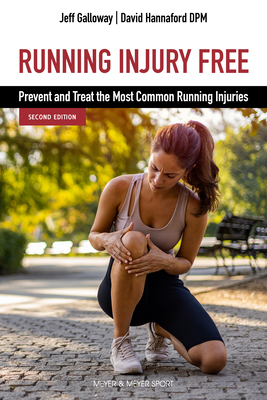
Credit: www.mcnallyjackson.com
Frequently Asked Questions
How To Prevent Common Running Injuries?
Warm up before running to loosen muscles. Wear proper footwear for support. Gradually increase running intensity. Focus on strength training to balance muscles. Rest adequately between runs to prevent overuse.
How Do You Treat A Running Injury?
Treat running injuries by resting and applying ice to reduce swelling. Use compression and elevate the affected area. Over-the-counter pain relievers can help manage pain. Gradually return to activity, and consider seeing a physical therapist for guidance. Listen to your body to prevent further injury.
How To Deal With Injuries When Running?
Rest and ice the injured area immediately. Consult a healthcare professional for persistent pain. Gradually return to running with proper warm-ups and stretches. Invest in supportive shoes to prevent future injuries. Listen to your body and adjust your routine accordingly.
What Is The Most Common Injury In Running?
The most common injury in running is runner’s knee. It occurs due to overuse and stress on the knee. Symptoms include pain around the kneecap. Proper warm-up, good footwear, and strength training can help prevent it. Consult a healthcare professional if pain persists.
Conclusion
Preventing and treating running injuries is crucial for staying active. Listen to your body. Recognize pain early. Rest is your friend; don’t ignore it. Stretch before and after runs. Stay hydrated and eat well. Strengthen muscles to support your joints.
Choose the right shoes for your feet. Consult a professional if pain persists. Take small steps towards recovery. Incorporate these tips into your routine. Enjoy running safely and confidently. Remember, your health comes first. Stay committed to your wellness. Keep running with care, and you’ll enjoy every stride.
