
Are your wrists aching by the end of your workday? Do your shoulders feel tense after hours spent caring for patients?
As a dental hygienist, your hands are your most valuable tools, and repetitive motion injuries can threaten your ability to work comfortably and effectively. These injuries are more common than you might think, but the good news is, they are preventable.
Imagine going through your busy schedule without that nagging pain. Picture yourself finishing a long day without the tension and discomfort that usually follow. By learning how to prevent these injuries, you can protect your career and enhance your well-being. Stay with us as we explore practical strategies that will keep you in top shape, ensuring that you can continue doing what you love without the pain.
Understanding Repetitive Motion Injuries
Dental hygienists can prevent repetitive motion injuries by practicing ergonomic techniques. Using supportive seating and adjusting equipment height reduces strain. Regular breaks and stretching exercises can enhance flexibility and reduce discomfort, fostering a healthier work environment.
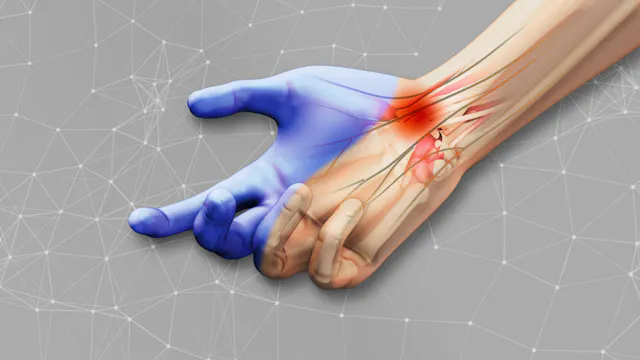
Understanding repetitive motion injuries is crucial for dental hygienists. These injuries occur from repeated movements causing stress on certain body parts. Over time, this stress can lead to pain and discomfort, impacting work efficiency and health.
Common Causes In Dentistry
Dental hygienists perform repetitive tasks like scaling, polishing, and holding instruments. These actions often require awkward wrist positions. The use of vibrating tools adds strain to muscles and tendons. Poor posture while working can worsen the situation, increasing the risk of injury.
Impact On Dental Hygienists
Repetitive motion injuries can lead to chronic pain. This pain may result in reduced work hours or even career changes. Hygienists might experience numbness or tingling in their hands. Such symptoms can affect the quality of care provided to patients. Addressing these injuries early is vital for maintaining career longevity.
Ergonomic Workstation Setup
Preventing repetitive motion injuries as a dental hygienist begins with an ergonomic workstation setup. This foundation not only enhances comfort but significantly reduces strain on your body. Let’s explore how adjusting your chair and arranging your instruments can transform your daily routine.
Proper Chair Adjustment
Your chair is your throne, and it must be adjusted to fit you perfectly. Start by setting the height so your feet rest flat on the floor, providing a stable base. Your knees should be at a right angle, aligning with your hips. This simple adjustment can alleviate pressure on your lower back.
Don’t forget about the backrest. It should support the natural curve of your spine. Adjust it to maintain an upright posture, which keeps your shoulders relaxed and prevents slouching. Consider a chair with lumbar support for added comfort.
Optimal Instrument Placement
Have you ever noticed how much time you spend reaching for tools? Arrange your instruments within easy reach to minimize repetitive movements. Place frequently used tools in the closest position to your dominant hand. This reduces unnecessary stretching and keeps your workflow smooth.
Think about using a tray setup. Organize your tools in a logical sequence that matches your procedure flow. This not only speeds up your work but also lessens the strain on your arms and wrists. Could this small change make a big difference in your daily comfort?
Body Mechanics And Posture
Dental hygienists often face challenges with repetitive motion injuries. Proper body mechanics and posture can mitigate these risks. Understanding how to maintain a neutral posture and use proper movement techniques is crucial. This not only improves comfort but also enhances work efficiency.
Maintaining Neutral Posture
Neutral posture involves aligning your body naturally. Keep your spine straight and shoulders relaxed. Feet should be flat on the ground. This position distributes weight evenly. It minimizes strain on muscles and joints.
Avoid leaning forward excessively. Use a chair with lumbar support. This helps maintain the natural curve of the spine. It reduces pressure on the lower back.
Proper Movement Techniques
Limit awkward movements. Rotate your body instead of twisting. Keep objects close to your body when lifting. This reduces stress on the spine.
Use ergonomic tools designed for dental work. They can reduce strain on your hands and wrists. Ensure tools are within easy reach. This prevents unnecessary stretching and reaching.
Take frequent breaks to relax muscles. Stretching helps maintain flexibility. It prevents stiffness and discomfort.
Regular Stretching Exercises
Dental hygienists can prevent repetitive motion injuries through regular stretching exercises. Stretching keeps muscles flexible and reduces strain. Simple routines can be done daily to maintain comfort and prevent pain.
Regular stretching exercises are vital for dental hygienists to prevent repetitive motion injuries. These exercises help maintain flexibility and reduce tension in muscles used throughout the day. Incorporating simple stretches into your daily routine can make a significant difference in your overall comfort and health.
Finger And Hand Stretches
Your fingers and hands are constantly at work during dental procedures. To keep them flexible, try this simple exercise: extend your arms in front of you with palms facing down. Gently stretch each finger apart, hold for a few seconds, then release. Another effective stretch is the “claw stretch.” Form a claw shape with your hand, holding it for a few seconds. Repeat this several times to relieve tension and improve circulation in your fingers.
Shoulder And Neck Exercises
Your shoulders and neck often bear the brunt of awkward postures. Try shoulder shrugs by lifting your shoulders towards your ears, holding briefly, and then releasing. This simple movement can alleviate tightness and improve blood flow. Neck stretches can also be beneficial. Tilt your head to one side, bringing your ear towards your shoulder, and hold for a few moments. This can reduce strain and increase mobility in your neck, which is crucial for maintaining a good posture. Have you ever noticed how a few simple stretches can make you feel revitalized? By dedicating a few minutes to these exercises each day, you’re investing in your long-term health and comfort. Why not start today and feel the difference?
Scheduled Breaks And Rest Periods
As a dental hygienist, you understand the physical demands of your job. The repetitive motions of your daily tasks can lead to injuries if not managed properly. One effective way to prevent these injuries is by incorporating scheduled breaks and rest periods into your workday. These intervals not only help in reducing strain but also enhance your productivity and focus.
Frequency Of Breaks
How often should you take a break? A good rule of thumb is to pause every 30 to 60 minutes. Even a brief break can make a big difference. Use this time to stretch or change your posture. It might seem like a disruption, but think about it as an investment in your long-term health.
Consider setting a timer to remind you. It’s easy to lose track of time when you’re absorbed in your work. By scheduling regular pauses, you ensure consistent relief for your muscles and joints.
Effective Rest Activities
During your breaks, engage in activities that promote relaxation and rejuvenation. Simple stretches can alleviate tension in your neck, shoulders, and wrists. Try shoulder rolls or wrist flexor stretches.
Deep breathing exercises can also be beneficial. They help calm your mind and reduce stress. You can practice these exercises seated or standing, making them versatile for any environment.
Another option is to take a short walk. A quick stroll can boost your circulation and refresh your mind. Plus, it provides a mental break, allowing you to return to work with renewed focus.
Are you making the most of your breaks? Consider the activities that work best for you and integrate them into your routine. Prioritizing your well-being is key to sustaining your career as a dental hygienist without succumbing to repetitive motion injuries.

Credit: www.rdhmag.com
Use Of Assistive Devices
Dental hygienists face the risk of repetitive motion injuries due to the precise and continuous movements required in their daily work. One effective way to minimize this risk is through the use of assistive devices. These tools not only help maintain physical health but also improve efficiency and productivity. Let’s delve into some practical options that can make a difference in your work routine.
Splints And Supports
Splints and supports offer stability and comfort for your wrists and fingers. Consider using wrist supports during procedures to maintain proper alignment. These can reduce strain and prevent overuse injuries.
Finger splints can be particularly helpful for those with joint issues. They provide support and allow for the precise movements needed without exerting excessive pressure.
Have you ever felt the relief of a well-fitted support during a long day? It’s like having an extra hand to share the workload.
Ergonomic Tools
Ergonomic tools are designed to fit comfortably in your hand, reducing the need for awkward gripping or excessive force. Think of instruments with cushioned grips or angled designs that align with your natural hand posture.
When selecting tools, prioritize those that minimize the need to bend or twist your wrist. The goal is to work smarter, not harder, to preserve your hand health.
Imagine the difference a simple tool change can make in your daily routine. It might be the key to preventing those nagging aches and pains.
What ergonomic tool could you add to your collection today to ease your workload?
Education And Training
Education and training play a vital role in preventing repetitive motion injuries for dental hygienists. Proper education equips dental professionals with the knowledge to maintain ergonomic postures. Training provides practical skills to reduce physical strain during procedures. By focusing on education and training, dental hygienists can promote their well-being and enhance career longevity.
Workshops And Courses
Workshops offer hands-on experience in ergonomic practices. Attendees learn correct postures to minimize strain. Courses provide in-depth knowledge on injury prevention techniques. Experts teach ways to adjust workstations for comfort. These educational opportunities promote awareness and safety in the workplace.
On-the-job Training
On-the-job training helps integrate ergonomic practices into daily routines. Supervisors guide staff in using proper equipment. Colleagues share tips to avoid repetitive strain. Continuous learning in the workplace fosters a supportive environment. This training ensures skills are applied consistently, reducing injury risks.
Monitoring And Self-care
Monitoring and self-care are crucial for dental hygienists to prevent repetitive motion injuries. As you navigate daily tasks that demand precision and consistency, maintaining awareness of your physical health can make a significant difference. By taking proactive measures, you can safeguard your well-being and ensure a long and healthy career.
Recognizing Early Symptoms
Staying alert to early signs of strain is essential. You might notice discomfort in your wrists or shoulders after a busy day. This is your body signaling the need for attention.
Fatigue can also be a sign. If you feel unusually tired or experience muscle soreness, consider it a prompt to evaluate your work habits. Ignoring these symptoms can lead to more severe injuries.
Ask yourself: Do I frequently experience tingling or numbness in my fingers? If the answer is yes, it’s time to act. Early recognition helps prevent long-term issues.
Self-assessment Techniques
Conducting regular self-assessments can help you identify problem areas. Start by evaluating your posture during work. Do you tend to hunch over patients for extended periods? This might be affecting your spine and shoulders.
- Check your range of motion. Are your wrists moving smoothly, or do you feel resistance?
- Monitor your grip strength. Weakness here can indicate strain and lead to further complications.
- Consider keeping a journal of any discomfort or pain. Tracking your symptoms can reveal patterns related to specific tasks or times.
Taking these steps regularly can help you pinpoint areas needing adjustment. A simple change in your chair height or hand position might alleviate significant strain.
Professional Guidance
Proper posture and regular breaks help dental hygienists prevent repetitive motion injuries. Use ergonomic tools to reduce strain. Practice stretching exercises daily to maintain flexibility and avoid discomfort.
In the demanding field of dental hygiene, repetitive motion injuries can sneak up on you, gradually affecting your efficiency and well-being. To prevent these injuries, seeking professional guidance can be a game-changer. With expert advice, you not only safeguard your health but also enhance your career longevity.
Consulting Healthcare Professionals
Regular consultations with healthcare professionals can provide you with valuable insights into maintaining physical health. A physician or occupational health specialist can assess your current physical condition and identify potential risks linked to repetitive movements. Consider scheduling periodic check-ups to keep track of any developing issues. These professionals can also suggest personalized exercises or ergonomic adjustments to your work environment, reducing strain and preventing injury.
Seeking Physical Therapy
Physical therapy is a proactive approach to combat repetitive motion injuries. Working with a physical therapist can help you strengthen muscles and improve flexibility, which are crucial for injury prevention. Physical therapists can design a targeted exercise plan tailored to your specific needs. Have you ever wondered how a few simple stretches could transform your daily comfort? Regular sessions can offer relief from existing discomfort and protect against future strains. Taking these steps is not just about prevention—it’s about empowering yourself with the knowledge and tools to thrive in your profession. Are you ready to take control of your health journey?
Credit: www.rdhmag.com

Credit: www.rdhmag.com
Frequently Asked Questions
How To Prevent Injury As A Dental Hygienist?
Maintain good posture and ergonomic equipment to reduce strain. Take regular breaks and stretch frequently. Use correct techniques for procedures. Wear supportive footwear to protect your feet. Stay informed on best practices for injury prevention in dental hygiene.
How Can Repetitive Motion Injuries Be Prevented?
Prevent repetitive motion injuries by taking regular breaks and stretching. Maintain good posture and ergonomic workspace. Use supportive equipment and vary tasks to minimize strain. Stay aware of body signals and adjust activities accordingly.
What Is One Way To Prevent Repetitive Motion Injuries Is To Take Reasonable Frequent Breaks?
Take regular breaks to prevent repetitive motion injuries. Stretch and move to relax muscles and reduce strain.
What Is The Most Common Injury For A Dental Hygienist?
The most common injury for dental hygienists is musculoskeletal disorders. These affect the neck, shoulders, and back due to repetitive motions and awkward postures. Proper ergonomics and regular stretching can help prevent these injuries. Prioritizing workplace adjustments is essential for maintaining long-term health in this profession.
Conclusion
Preventing repetitive motion injuries is crucial for dental hygienists. Simple changes make a big difference. Regular breaks can help reduce strain. Using ergonomic tools supports your posture and comfort. Stretching exercises keep your muscles flexible and relaxed. Awareness of your body’s signals is key to avoiding injuries.
Prioritize self-care to maintain a healthy, long-lasting career. Protecting your health ensures you can provide the best care to your patients. Stay mindful of your techniques and environment. Make these practices a part of your daily routine. Your health and well-being should always come first.
