Imagine caring for patients whose cultural practices you may not fully understand. It’s a challenging scenario that requires sensitivity and skill.
You want to provide the best care while respecting cultural traditions, but how do you ensure safety and prevent injuries? As a nursing professional, you’re aware that cultural practices can sometimes pose unique risks. But here’s the good news: you have the power to bridge the gap between cultural respect and patient safety.
This guide is designed to help you navigate this delicate balance with confidence. You’ll discover practical strategies to reduce risk and enhance care, making you not just a nurse, but a cultural ambassador of health. Ready to transform your approach and elevate your care? Let’s dive in.
Understanding Cultural Nursing
Preventing injury in cultural nursing involves understanding diverse cultural practices and evaluating their potential risks. Educating healthcare professionals on cultural sensitivities enhances patient safety and minimizes injury.
Understanding Cultural Nursing Cultural nursing is an essential aspect of healthcare that ensures the delivery of care is respectful and responsive to the cultural needs of patients. It involves understanding and integrating cultural beliefs and practices into nursing care. This approach not only enhances patient satisfaction but also helps in preventing potential injury risks that may arise from cultural misunderstandings.
Role And Importance
Cultural nursing plays a crucial role in fostering trust between patients and healthcare providers. When nurses understand a patient’s cultural background, they can tailor their care to meet specific needs, reducing the likelihood of mistakes or oversights. The importance of cultural nursing lies in its ability to make patients feel valued and understood, which can lead to better health outcomes. For example, if a patient believes in certain healing practices, acknowledging and respecting these can improve cooperation and compliance with treatment plans.
Common Practices
In cultural nursing, several common practices are observed to ensure effective care. Nurses often engage in active listening to comprehend cultural preferences and avoid assumptions. This practice is vital in understanding unique healthcare beliefs that could impact treatment. Another practice includes the use of cultural mediators or interpreters when language barriers exist. This ensures clear communication, which is crucial in preventing misunderstandings that could lead to injury. Additionally, documenting cultural preferences and practices in patient records helps in providing consistent care across different healthcare providers. Have you ever thought about how acknowledging a simple cultural belief could transform a patient’s experience? By embracing cultural nursing, you can significantly reduce the risk of injury and improve the quality of care provided.

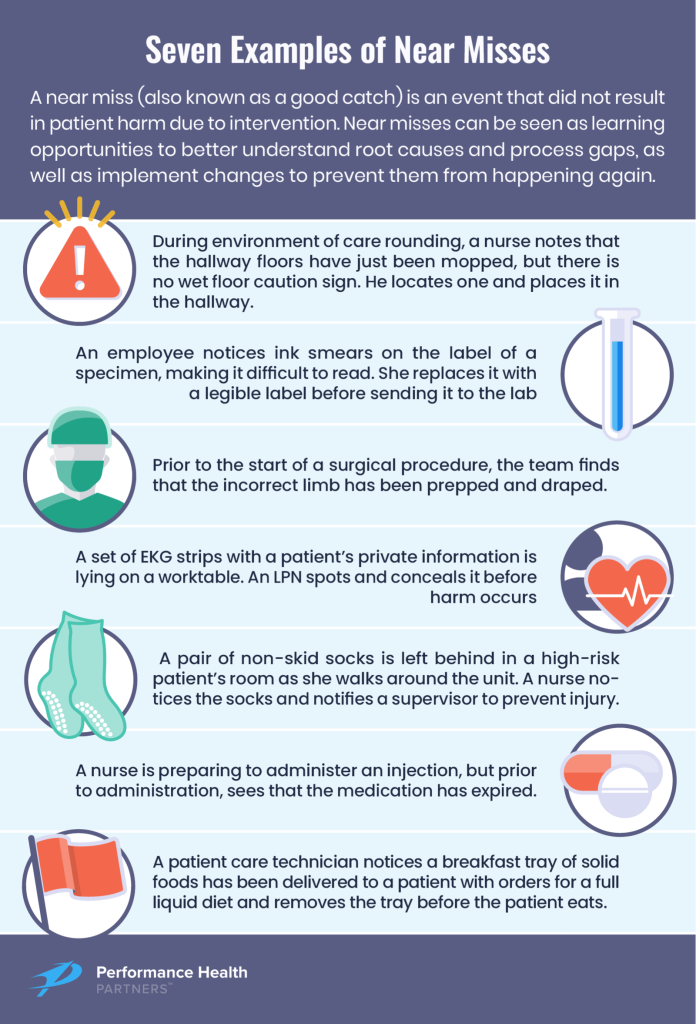
Credit: rnao.ca
Identifying Potential Risks
Identifying potential risks in cultural practices nursing helps prevent injuries. Observing traditions and understanding common hazards is crucial. Implementing safety measures ensures well-being during activities.
Identifying potential risks in cultural practices nursing is crucial for ensuring the safety and well-being of both patients and healthcare providers. Understanding these risks can help you take proactive measures to prevent injuries, safeguard mental health, and foster a supportive environment. Let’s dive into the specific types of risks you should be aware of.
Physical Risks
Physical risks are often the most apparent threats in any nursing environment. They can include ergonomic challenges, such as lifting heavy objects or patients, which may lead to back injuries. Consider the layout of your workspace. Is it conducive to safe movement? Are tools and equipment easily accessible without straining? Regularly assess the physical environment to identify hazards like slippery floors or cluttered spaces that could cause accidents.
Emotional And Psychological Risks
Emotional and psychological risks are equally significant, though sometimes overlooked. The cultural diversity in nursing can lead to misunderstandings and communication barriers, affecting emotional well-being. Reflect on your interactions with patients from different cultural backgrounds. Are you sensitive to their unique needs and perspectives? Cultivating cultural competence can minimize emotional distress and promote a positive atmosphere for both patients and staff. Consider training sessions or workshops to enhance your understanding and empathy. By identifying these risks early, you can take concrete steps to mitigate them, fostering a safer and more inclusive nursing practice. What measures can you implement today to make a difference in your environment?
Best Practices For Safety
Ensuring safety in cultural nursing practices involves proper training and awareness. Understanding potential hazards can help prevent injuries. Implementing safety protocols, such as using protective equipment, is crucial for minimizing risks.
Best practices for safety in cultural practices nursing are essential. They ensure the well-being of both patients and healthcare providers. By implementing effective strategies, nurses can minimize risks and promote a secure environment. This involves understanding cultural nuances and maintaining clear communication. Let’s explore key practices that enhance safety in this field.
Effective Communication
Clear communication is crucial in cultural practices nursing. It helps prevent misunderstandings. Nurses should use simple language and visual aids. This ensures that patients fully understand their care plans. Active listening is also vital. It helps nurses grasp the patient’s needs and concerns. Encourage questions and provide clear responses. This builds trust and promotes a safe environment.
Proper Training And Education
Proper training is essential for safety in cultural practices nursing. Nurses should receive regular education on cultural competencies. This includes understanding cultural beliefs and practices. Training should cover specific risks related to cultural care. Hands-on practice and simulations enhance learning. Keeping updated with the latest guidelines is crucial. This ensures that nurses provide safe and effective care.
Cultural Sensitivity
Cultural sensitivity is crucial in nursing practices. It helps prevent injuries and misunderstandings. Nurses often care for patients from diverse backgrounds. Understanding cultural norms is key. This promotes trust and effective care.
Respect For Traditions
Nurses must honor patients’ cultural traditions. This shows respect and builds rapport. Knowing cultural customs aids communication. It minimizes risk in care plans. For example, some cultures have specific dietary practices. Nurses should consider these in meal planning. Respect for traditions enhances patient comfort and cooperation.
Adapting Care Techniques
Adapting care techniques can prevent injury. It involves modifying practices to fit cultural needs. Nurses should be flexible in their approaches. Some cultures prefer natural remedies. Incorporating these can improve patient satisfaction. Understanding cultural preferences reduces stress. It ensures safe and effective care delivery.
Implementing Safety Protocols
Implementing safety protocols in cultural practices nursing minimizes injury risks. Training staff in cultural sensitivity ensures safer interactions. Proper equipment handling further reduces potential harm.
Implementing safety protocols in cultural practices nursing is essential. This ensures both patient and nurse safety. It minimizes risks and enhances care quality. Safety protocols create a structured environment. They help in maintaining order during procedures. They also ensure quick response to emergencies. Let’s explore key components of effective safety protocols.
Standard Operating Procedures
Standard Operating Procedures (SOPs) are fundamental. They provide clear guidelines for everyday tasks. SOPs ensure consistency and safety in nursing practices. They include specific steps for patient care activities. SOPs reduce confusion and errors. Nurses follow them to deliver safe and effective care.
Emergency Response Plans
Emergency Response Plans are crucial. They prepare nurses for unexpected situations. These plans include steps to handle emergencies swiftly. They ensure quick action to prevent harm. Emergency plans outline roles and responsibilities. Nurses know what to do and who to contact. Preparedness is key to managing crises effectively.
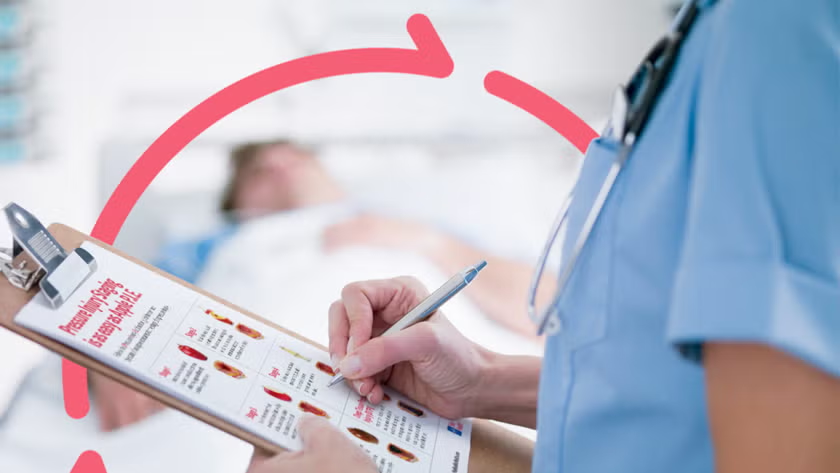
Credit: www.medline.com
Promoting Team Collaboration
Promoting team collaboration in cultural practices nursing minimizes injury risks by fostering communication and mutual support. Sharing diverse perspectives enhances understanding and leads to safer care practices. Encouraging teamwork ensures everyone is aligned in maintaining safety standards.
Promoting team collaboration is vital in cultural practices nursing. It minimizes injury risks and enhances patient care. Working together leads to better outcomes. Nurses feel supported and informed. Communication is key. Everyone brings unique skills and perspectives. Collaboration fosters a safe environment. It ensures comprehensive care plans. Patients benefit from diverse expertise.
Interdisciplinary Approach
An interdisciplinary approach involves various healthcare professionals. Each member contributes distinct knowledge. Doctors, nurses, therapists, and social workers unite. They discuss patient needs and cultural considerations. This leads to holistic care strategies. Shared understanding reduces misunderstandings. It promotes patient-centered care. Each discipline offers valuable insights. Together, they address complex cases effectively.
Peer Support Systems
Peer support systems build camaraderie among nursing staff. They provide emotional and professional support. Nurses share experiences and advice. They discuss challenges and solutions. Peer support enhances resilience. It reduces stress and burnout. Regular meetings encourage open communication. Trust and respect grow stronger. Team spirit boosts morale. Confident nurses perform better.
Monitoring And Evaluation
Effective monitoring and evaluation help prevent injury risks in cultural practices nursing. Regular assessments identify potential hazards. Implementing safety measures ensures a secure environment for both nurses and patients.
Monitoring and evaluation in cultural practices nursing play a crucial role in preventing injuries. By consistently assessing risks and implementing improvements, healthcare providers can ensure safer environments. Continuous monitoring allows for immediate detection and correction of potential hazards.
Regular Risk Assessments
Conduct risk assessments frequently. Identify areas prone to injuries. Use checklists to ensure thorough evaluations. This proactive approach helps spot emerging risks early. Regular assessments allow staff to address issues before they escalate.
Feedback And Improvement
Gather feedback from staff and patients. Encourage open communication. Use surveys to understand concerns. Feedback provides insights into safety challenges. Based on feedback, implement improvements. Adjust protocols to enhance safety measures. Make changes visible to all staff. Regular updates keep everyone informed.
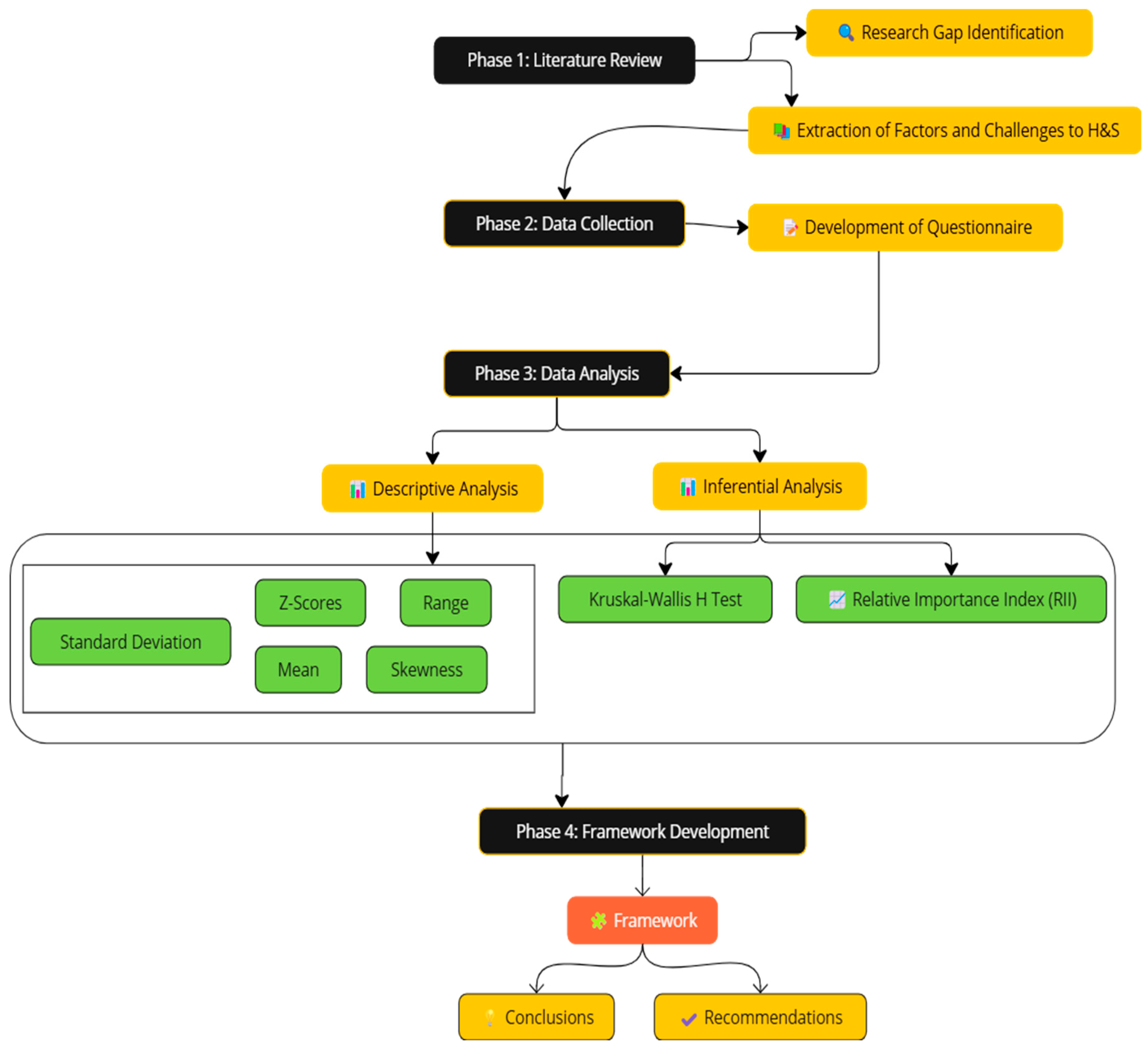
Credit: www.mdpi.com
Frequently Asked Questions
How Does Preventing Injury To Employees Of A Health Care Facility Contribute To The Culture Of Safety?
Preventing employee injuries in healthcare boosts safety culture. It fosters trust, reduces accidents, and improves patient care. Safe environments enhance staff morale and productivity. Prioritizing safety demonstrates commitment to employee well-being and organizational excellence.
How Would The Nurse Support A Culture Of Safety?
A nurse supports a culture of safety by actively promoting open communication, reporting errors, and following safety protocols diligently. Encouraging teamwork and continuous education enhances patient care quality. Prioritizing patient safety through regular assessments and proactive risk management fosters a secure healthcare environment.
What Are Examples Of Cultural Considerations In Nursing?
Cultural considerations in nursing include respecting language preferences, dietary restrictions, religious beliefs, and traditional healing practices. Understanding cultural differences enhances patient communication and care. Nurses should be aware of cultural sensitivities, family dynamics, and health practices to provide culturally competent care.
What Are The 5 Steps In Establishing And Maintaining A Culture Of Safety?
1. Conduct regular safety training to educate and engage employees. 2. Implement clear communication channels for reporting hazards. 3. Establish safety protocols and enforce them consistently. 4. Encourage leadership to model safety behaviors. 5. Continuously evaluate and improve safety practices through feedback and assessments.
Conclusion
Preventing injuries in cultural nursing practices is essential. Follow safety guidelines always. Prioritize communication with your team. Use proper equipment and techniques. Stay informed about cultural practices. Educate yourself continuously. This keeps you aware of potential risks. Collaborate with colleagues for shared insights.
Their experiences can help you. Always listen to patient needs carefully. Respect their cultural backgrounds. This builds trust and reduces misunderstandings. Implement these steps regularly. They ensure a safer nursing environment. Protect yourself and your patients. Safety is everyone’s responsibility.
Stay proactive, stay safe, and nurture a culture of care.
