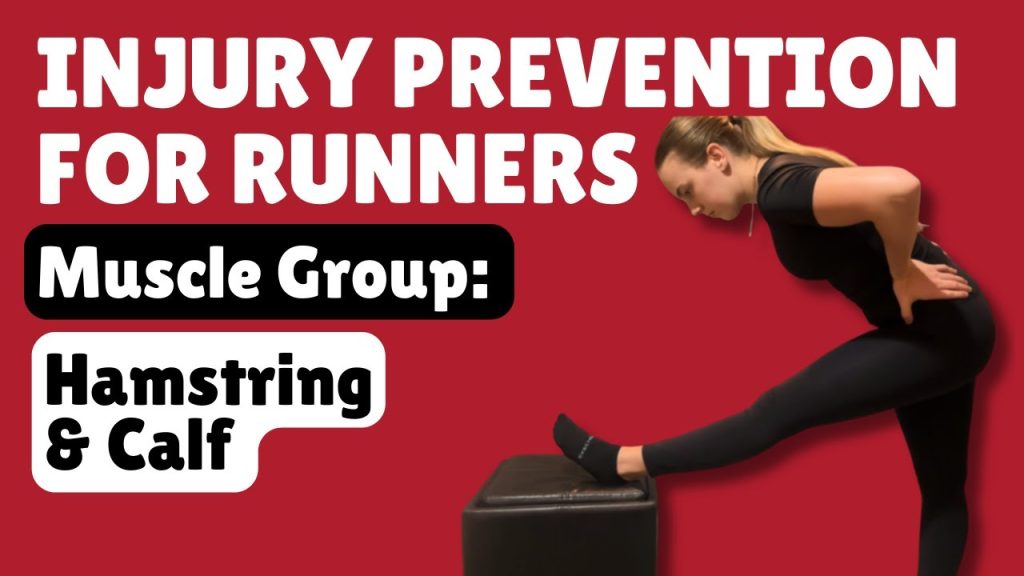
Do you ever feel a sharp pain in your calves after a run? You’re not alone.
Calf injuries are common among runners, but the good news is that you can prevent them. Imagine running freely, without the nagging fear of injury holding you back. By making a few small changes to your routine, you can protect your calves and enjoy your runs to the fullest.
We’ll uncover simple strategies that will keep your calves strong and injury-free. Stay with us to learn how to run without worry and keep your fitness journey on track. Your next run could be your best yet!
Understanding Calf Injuries
Running is a fantastic way to stay fit, but calf injuries can sideline even the most dedicated runners. Understanding calf injuries is the first step to prevention. Whether you’re a seasoned marathoner or just starting out, knowing what causes these injuries and how to recognize them can keep you on track. Let’s dive into the details of calf injuries and explore the types and symptoms that you should be aware of.
Types Of Calf Injuries
Calf injuries are not one-size-fits-all. They can range from mild strains to severe tears. Strains occur when the muscle fibers are overstretched, often due to sudden movements or insufficient warm-up. Tears, on the other hand, are more serious and involve the ripping of muscle fibers. They usually result from excessive force or prolonged stress. Another common type is muscle contusions, caused by direct impact to the calf. Knowing the type of injury helps you understand the seriousness and the approach needed for recovery.
Common Symptoms
Recognizing symptoms early can prevent further damage. Common signs include pain and swelling in the calf area. You might notice the pain intensifies when you flex your foot or push off the ground. Bruising and difficulty walking are also indicators. If you feel sudden sharp pain during a run, it could be a tear. Have you ever experienced a muscle twitch or cramp mid-run? These can be warning signs of an impending strain. Being attentive to these symptoms can help you act swiftly and seek proper treatment.

Credit: www.instagram.com
Risk Factors
Warm-up properly to reduce calf strain. Gradually increase running intensity to avoid overloading muscles. Stay hydrated to maintain muscle flexibility.
Risk factors can increase the chance of running calf injuries. Understanding these risks helps runners take precautions. Let’s explore the main risk factors for calf injuries.
Overtraining
Pushing your body too hard can lead to injuries. Muscles need time to recover and strengthen. Running every day without rest increases the risk. Listen to your body and avoid running through pain. Gradually increase distance and speed to prevent strain.
Poor Footwear
Wearing the wrong shoes affects your running form. Shoes should provide support and cushioning. Old or worn-out shoes lose their effectiveness. Choose running shoes that fit well and suit your foot type. Proper footwear reduces stress on your calves.
Surface And Terrain
Running on uneven surfaces strains calf muscles. Hard surfaces like concrete can be harsh on your legs. Opt for softer terrains like grass or dirt paths. Vary your running routes to avoid repetitive strain. Adjust your technique when tackling hills or rough ground.
Warm-up Techniques
Preventing running calf injuries begins with effective warm-up techniques. A good warm-up not only prepares your muscles for the workout ahead but also minimizes the risk of injury. By incorporating dynamic stretching and activation exercises, you can ensure your calves are ready to handle the demands of your run. Have you ever noticed how your performance improves when you feel physically prepared? Let’s dive into some specific techniques that can make a significant difference.
Dynamic Stretching
Dynamic stretching is a crucial component of your warm-up routine. Unlike static stretching, it involves active movements that help increase blood flow and flexibility. Consider leg swings where you swing your legs forward and backward, gradually increasing the height. These movements mimic the natural motion of running, making them perfect for prepping your calves. You might find that your legs feel more agile and ready to go.
Another effective dynamic stretch is the walking lunges. As you step forward, ensure your back leg stretches out to feel the pull in your calf muscles. It’s an excellent way to engage your muscles dynamically while improving balance and coordination. Have you tried these before a run and noticed a difference in how your calves respond? Give it a go and see the results for yourself.
Activation Exercises
Activation exercises are designed to wake up your muscles and prepare them for the activity ahead. Think of them as the spark that ignites your muscle fibers. Calf raises are a simple yet powerful exercise. Stand on the edge of a step and slowly raise your heels, holding at the top for a few seconds. Repeat this several times to activate your calf muscles effectively.
Another activation exercise is the ankle bounce. Stand with your feet hip-width apart and gently bounce on your toes. This not only activates your calves but also engages the lower leg muscles that support them. Have you ever noticed how these exercises make your calves feel alive and ready? Incorporating them into your routine might be the key to preventing injuries and enhancing your performance.
Strengthening Exercises
Strengthening exercises can help prevent running calf injuries by improving muscle endurance and flexibility. Focus on calf raises, toe taps, and ankle circles to build strength. These exercises support better performance and reduce the risk of strain.
Strengthening your calves is crucial in preventing injuries and ensuring a smooth running experience. By focusing on specific exercises, you can build resilience in your muscles and enhance your overall performance. These exercises not only bolster your calves but also support your lower legs, reducing strain and fostering flexibility.
Calf Raises
Calf raises are a simple yet effective exercise. Stand with your feet hip-width apart and slowly rise onto your toes. Hold for a moment, then lower your heels back down. Incorporate this into your routine by doing three sets of 15 repetitions. You can increase the challenge by holding weights or performing the exercise on one leg. Consistency is key, so aim to include calf raises a few times a week.
Resistance Training
Resistance training is another powerful tool in your injury prevention arsenal. Using resistance bands can add an extra layer of intensity to your workouts. Secure a band under your foot and push against it with your toes, stretching the band as far as you can. Try doing this exercise seated or standing, depending on your comfort level. Aim for three sets of 10 to 12 repetitions. This activity not only strengthens your calves but also enhances your balance and coordination. By integrating these exercises into your training regimen, you can significantly reduce the risk of calf injuries. Have you considered how these small, targeted efforts could impact your running journey?
Proper Running Form
Proper running form can help prevent calf injuries. Focus on landing softly and evenly on your feet. Engage your core and keep a steady pace to reduce strain.
Proper running form is essential in preventing calf injuries. It not only enhances your efficiency but also minimizes strain on your muscles. Understanding and refining your form can transform your running experience.
Foot Strike
How your foot strikes the ground can make a significant difference. A mid-foot or forefoot strike is often recommended. It helps in distributing impact forces evenly across your leg. Landing on your heel can create more shock, traveling up your legs, increasing the risk of calf strain. Pay attention to your foot strike during your runs. You might be surprised how a small change can lead to fewer injuries.
Stride Length
Stride length is another crucial element to consider. Overstriding can lead to excessive force on your calves and knees. Aim for a stride that feels natural and comfortable. Shorter strides often result in better efficiency and less stress on your muscles. Try to keep your feet landing under your hips rather than far in front. This adjustment can help protect your calves and enhance your running form.
Recovery And Rest
Rest and recovery are key to preventing running calf injuries. Allow muscles to heal by taking regular breaks. Stretching and strengthening exercises support calf health, reducing injury risk.
Recovery and rest are crucial elements in preventing calf injuries while running. They allow your muscles to repair and strengthen, reducing the risk of future injuries. Without adequate rest and recovery, your calves may become overstrained, leading to longer-term issues.
Importance Of Rest Days
Rest days are vital for your body’s healing process. They give your calves time to recover from the stress of running. You might feel tempted to skip rest days, especially if you’re chasing a new personal best. However, resting can actually make you stronger and faster in the long run. On rest days, consider light activities that won’t strain your calves, like walking or yoga. These activities can maintain circulation without overloading your muscles. Remember, rest days are not a sign of weakness but a strategic part of training.
Signs Of Overtraining
Overtraining can sneak up on you if you’re not careful. You might notice persistent soreness in your calves or find yourself more fatigued than usual. If your performance starts to decline despite increased effort, it’s time to assess your training routine. Listen to your body. If you’re feeling unusually tired or your calves are constantly sore, it’s a clear indication that you need more rest. Pushing through pain can lead to serious injuries, sidelining you from running entirely. Ask yourself: are your calves feeling ready to tackle another run, or are they pleading for a break? Recognizing these signs is key to maintaining a healthy running routine.
Nutrition And Hydration
Proper nutrition and hydration are crucial to avoid running calf injuries. Consuming balanced meals and drinking enough water can support muscle health and prevent cramps. Keep muscles strong and hydrated for better performance and fewer injuries.
Proper nutrition and hydration play a pivotal role in preventing running calf injuries. Your muscles need the right fuel to perform optimally, and your body must stay hydrated to maintain muscle function and avoid cramps. Neglecting these aspects can lead to fatigue and increase the risk of injuries. Let’s explore the essential nutrients your body needs and effective hydration strategies to keep your calves healthy and injury-free.
Essential Nutrients
Your muscles thrive on specific nutrients that aid in recovery and enhance performance. Protein is crucial for muscle repair and growth. Consider adding lean meats, eggs, and plant-based proteins like beans and lentils to your diet. Carbohydrates are your primary energy source. Whole grains, fruits, and vegetables provide the necessary fuel for intense running sessions. They also replenish glycogen stores in your muscles. Omega-3 fatty acids found in fish and nuts help reduce inflammation. This can prevent excessive strain on your calves during long runs. Are you getting enough vitamins and minerals? Magnesium and potassium are essential for muscle function. Bananas, spinach, and avocados are excellent sources.
Hydration Tips
Hydration is key to maintaining muscle elasticity and function. Dehydration can cause muscle cramps and increase injury risk. Always drink water before, during, and after your runs. Consider sports drinks for longer runs. They replenish electrolytes lost through sweat, which helps in preventing calf cramps. Pay attention to your body. If you feel thirsty, drink up. Thirst is a signal that your body needs more fluids. Do you monitor your urine color? It can be an indicator of hydration levels. Aim for pale yellow, which signifies proper hydration. Keeping a water bottle handy during your daily activities can remind you to stay hydrated. It’s a simple yet effective strategy. Implementing these nutrition and hydration tips can make a significant difference. How often do you think about what fuels your body for running?

Credit: www.radiusclinic.com
When To Seek Professional Help
Persistent pain or swelling in your calf might mean it’s time to consult a professional. Difficulty walking or running without discomfort also signals the need for expert advice. Seeking help early can prevent further injury and aid in a swift recovery.
Experiencing a calf injury can be frustrating, especially when you’re committed to your running routine. While many minor injuries can be managed with rest and self-care, there are moments when seeking professional help becomes essential. Knowing when to consult a specialist can make the difference between a quick recovery and a prolonged issue.
Persistent Pain
If your calf pain doesn’t subside after a few days of rest, it’s time to consider professional advice. Ignoring persistent pain can lead to more severe injuries. You might think, “It will get better on its own.” But, lingering pain is a sign that something more serious could be happening. Keep a pain diary. Note down when the pain occurs, its intensity, and any activities that might trigger it. This information can be invaluable for your healthcare provider. It can help them diagnose the problem more accurately and quickly.
Effective Treatments
A physical therapist can offer treatments that target the specific cause of your calf pain. These treatments might include massage, stretching exercises, or strength training. Such targeted interventions can accelerate your recovery process and prevent future injuries. Sometimes, a doctor might recommend imaging tests like an MRI. This can help in understanding if there’s a deeper issue, such as a tear or strain. Don’t hesitate to explore these options if recommended. Moreover, learning about proper running techniques and incorporating warm-up exercises can significantly reduce the risk of calf injuries. Consider asking your healthcare provider for advice on these preventive measures. Remember, investing time in prevention is always more beneficial than dealing with an injury. Isn’t it better to be proactive than reactive?
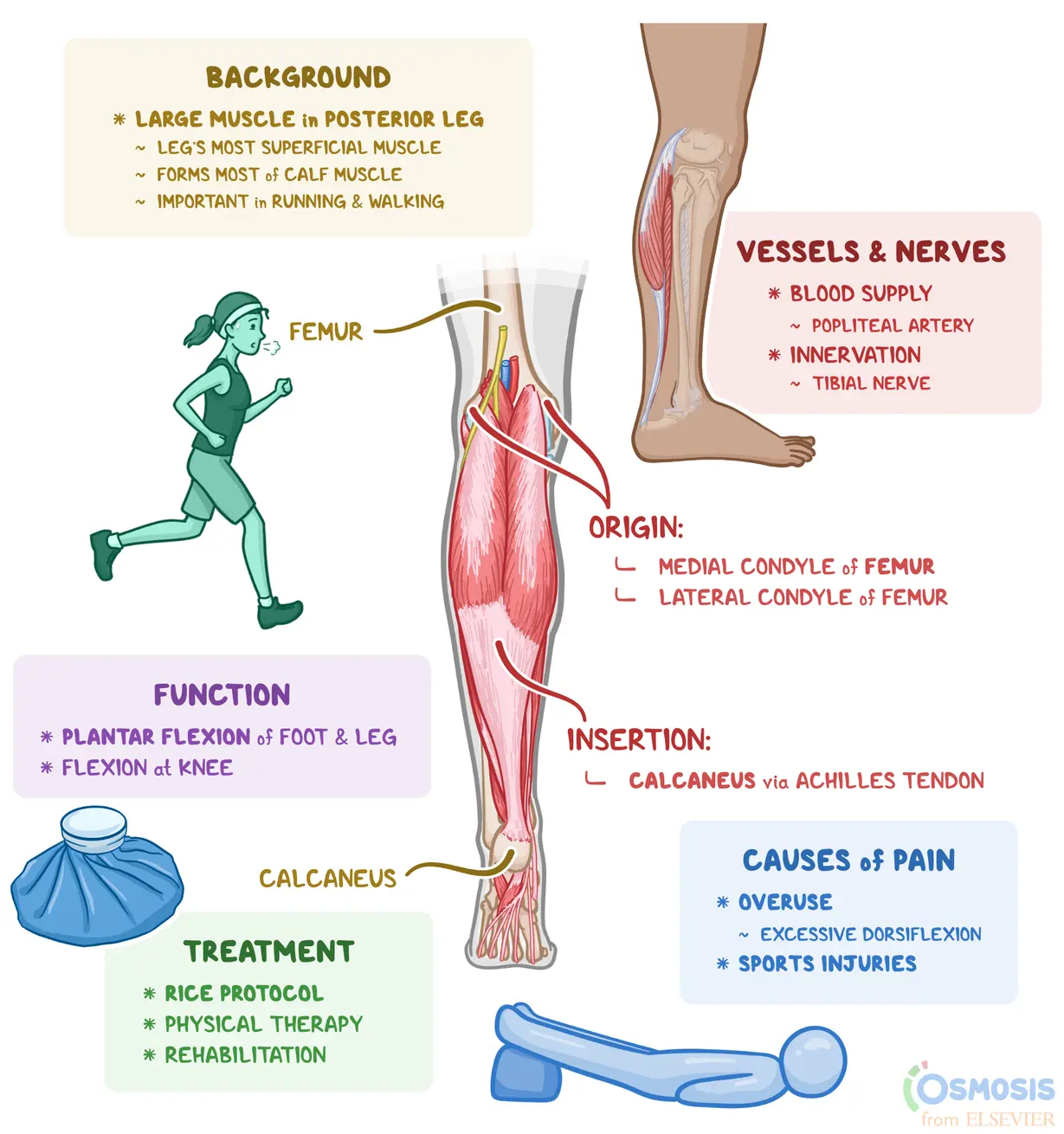
Credit: www.osmosis.org
Frequently Asked Questions
How To Avoid Calf Injuries When Running?
Warm up properly before running to prevent calf injuries. Stretch your calves regularly for flexibility. Increase mileage gradually to avoid strain. Wear appropriate footwear for support. Stay hydrated to maintain muscle health.
How Do I Run So My Calves Don’t Hurt?
Warm up before running to prevent calf pain. Maintain good posture and wear proper footwear. Gradually increase intensity and distance. Include calf stretches and strengthening exercises in your routine. Stay hydrated to support muscle function.
Do Calf Sleeves Help Prevent Calf Strains?
Calf sleeves can help prevent calf strains by providing support and improving blood circulation. They reduce muscle vibrations and fatigue, lowering the risk of injury. Wearing them during physical activities can enhance performance and recovery. Always consult a healthcare professional for personalized advice.
How Do I Strengthen My Calves To Avoid Strains?
Strengthen calves by performing exercises like calf raises and seated calf presses. Stretch regularly to improve flexibility. Incorporate balance exercises like single-leg stands. Gradually increase workout intensity to avoid overstraining. Maintain a balanced diet rich in calcium and protein for muscle support.
Conclusion
Preventing calf injuries requires consistent care and attention. Warm up before every run. Stretch your calves gently. Strengthen your legs with targeted exercises. Listen to your body’s signals. Rest when you feel pain or discomfort. Wear supportive shoes that fit well.
Gradually increase your running intensity. Avoid sudden changes in your routine. Stay hydrated to keep muscles healthy. Balance your diet with essential nutrients. Regular check-ups with a professional can help. A proactive approach keeps your calves strong. Enjoy running with reduced injury risk.
Keep these tips in mind for a safer running experience.
