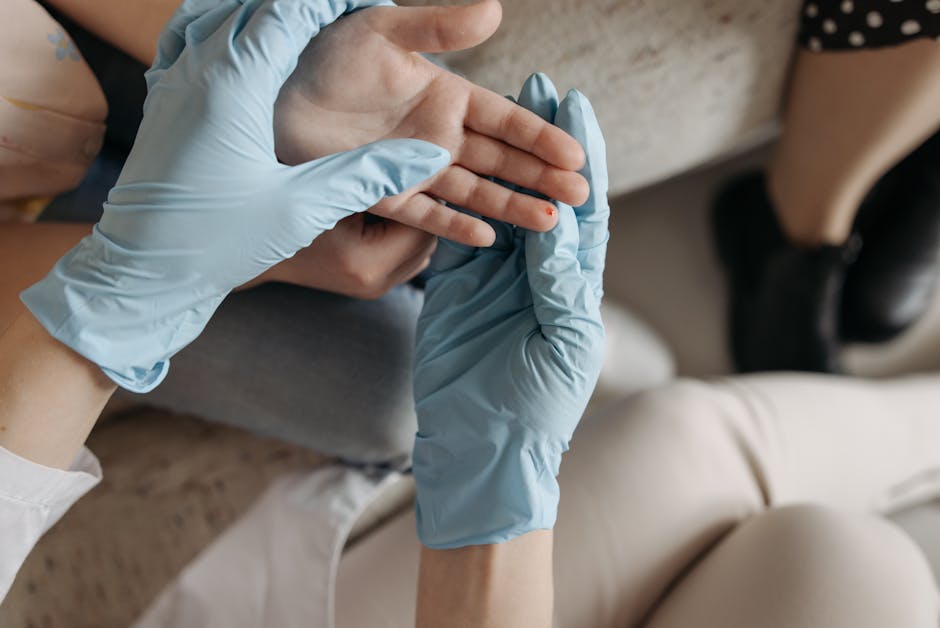
Imagine stepping into the shoes of a nurse, confronted daily with the task of ensuring the safety of epileptic patients. It’s a challenge, isn’t it?
With epilepsy being such a complex condition, the potential for injury is a constant concern. But you have the power to make a real difference. What if you could learn simple, effective strategies to protect your patients and give them peace of mind?
We’ll dive into practical steps you can take right away to prevent injuries, ensuring both you and your patients can feel more secure and confident. Stay with us to discover how you can transform your caregiving approach and make a lasting impact.
Assessing Patient Needs
Assessing patient needs is crucial for preventing injuries in epileptic patients. Nurses play a key role in identifying the specific requirements of each patient. By understanding their unique conditions, nurses can tailor care plans effectively.
Identifying Risk Factors
Recognizing risk factors is the first step in patient assessment. Factors include seizure frequency, type, and duration. Environmental aspects, like slippery floors, can also increase risks. Nurses should evaluate these thoroughly.
Understanding Mobility Challenges
Epileptic patients often face mobility issues. These can stem from medication side effects or seizure patterns. Nurses need to understand these challenges to offer appropriate support. This might involve adjusting the patient’s environment.
Credit: www.tiktok.com
Creating A Safe Environment
Nurses can prevent injury for epileptic patients by ensuring a safe environment. Removing sharp objects and padding furniture corners help reduce risks. Monitoring seizure triggers and educating patients about safety measures are crucial steps.
Creating a safe environment for epileptic patients is crucial in minimizing the risk of injury. Nurses play a pivotal role in ensuring these patients can live safely and with dignity. It’s about making thoughtful adjustments and implementing specific safety measures that can prevent accidents and promote independence.
Adapting Living Spaces
Consider the layout of the patient’s living area. Removing sharp-edged furniture and securing loose rugs can prevent falls during seizures. Think about the accessibility of essential items. Keeping frequently used objects within easy reach helps avoid unnecessary climbing or stretching, which can lead to injury. Are there areas that could be made safer with simple adjustments? For example, using padded furniture can reduce the impact of falls.
Implementing Safety Measures
Installing grab bars in bathrooms can provide support and stability during seizures. This simple addition can make a significant difference. Consider using safety gates in homes with stairs. This prevents the risk of dangerous falls. Should you think about emergency protocols? Teaching the patient and their family how to respond during a seizure can ensure quick and effective action. Have you checked the lighting? Well-lit areas reduce the risk of tripping, while night lights can guide the patient safely in the dark. Could you implement monitoring systems? Devices like seizure alarms can alert caregivers and provide peace of mind. Creating a safe environment isn’t just about preventing injury; it’s about fostering a space where epileptic patients feel secure and empowered.
Educating Patients And Families
Nurses can prevent injuries in epileptic patients by ensuring safe environments and educating families on seizure management. Regular monitoring and quick responses to seizures are crucial. Providing clear guidelines on medication and emergency procedures helps in reducing risks.
Educating patients and their families plays a crucial role in preventing injuries for epileptic patients. Nurses are at the forefront of this educational journey, guiding both patients and their loved ones to understand epilepsy better. Effective education empowers families to create safer environments and respond correctly during seizures. This proactive approach reduces risks and enhances the quality of life for those affected by epilepsy.
Teaching Safe Practices
Nurses help families learn safe practices to manage epilepsy at home. They teach how to arrange living spaces to minimize injury risk during seizures. This includes removing sharp objects and securing furniture. Patients and families learn about the importance of regular medication schedules. Nurses explain how consistent medication helps control seizure frequency. They also emphasize the need for wearing medical alert bracelets. These can inform others about the patient’s condition during emergencies.
Providing Resources And Support
Nurses offer valuable resources to patients and their families. They provide pamphlets and brochures about epilepsy management. These materials cover topics like recognizing seizure triggers and first aid for seizures. Families gain access to support groups and counseling services. These groups help families share experiences and coping strategies. Nurses connect patients with specialists for further guidance. They ensure families know where to find reliable information online. This helps them stay informed and confident in managing epilepsy.
Monitoring And Follow-up
Monitoring and follow-up are crucial for preventing injuries in epileptic patients. Nurses play a vital role in ensuring patient safety through consistent evaluations. Regular assessments help track patient progress and identify potential risks early.
Regular Check-ins
Frequent check-ins with epileptic patients are essential. These meetings help nurses gather updated information about the patient’s condition. Through regular interactions, nurses can understand the patient’s daily challenges. This knowledge aids in tailoring care plans to address specific needs.
Scheduled visits also reassure patients. They feel supported and confident in managing their condition. Nurses can use these sessions to educate patients and families. Providing information on seizure triggers and safety measures is important. This empowers patients to take proactive steps in their care.
Adjusting Care Plans
Care plans must be flexible to meet changing needs. Nurses should review and adjust plans based on patient feedback. This ensures the care provided is effective and relevant. Changes may include modifying medication schedules or introducing new therapies.
Collaboration with healthcare teams improves patient outcomes. Nurses can work with doctors to refine treatment strategies. Regular updates to care plans are necessary to prevent injuries. By staying informed, nurses can offer the best support to epileptic patients.
Collaborating With Healthcare Team
Nurses play a crucial role in preventing injuries for epileptic patients. They ensure a safe environment and educate patients on seizure management. Regular monitoring and medication checks are also vital to reduce risks.
Collaborating with the healthcare team is essential for preventing injuries in epileptic patients. Nurses play a crucial role in this collaborative effort. By working closely with other healthcare professionals, nurses can ensure the best possible care for their patients.
Coordinating With Therapists
Nurses work alongside therapists to develop patient care plans. Therapists, including physical and occupational therapists, provide specialized care. They help assess the patient’s physical abilities and limitations. This information is vital for creating a safe environment for the patient. Nurses ensure that the therapy sessions align with the patient’s needs. They also help in implementing therapist recommendations. This coordination minimizes the risk of injury during daily activities.
Ensuring Comprehensive Care
Nurses communicate with doctors, therapists, and other healthcare providers. This communication ensures a unified approach to patient care. They gather detailed patient information and share it with the team. This helps in tailoring individualized care strategies. Nurses also monitor treatment effectiveness and report any concerns. Regular team meetings help discuss patient progress and adjust care plans. This comprehensive approach reduces the chance of injury in epileptic patients.

Credit: bonaventuresenior.com
Utilizing Technology
Utilizing technology can significantly enhance care for epileptic patients. Nurses can use various technological tools to prevent injuries and improve patient safety. These tools offer innovative solutions to monitor, assist, and communicate effectively. By integrating technology into daily routines, nurses can deliver better care while ensuring the safety of epileptic patients.
Leveraging Assistive Devices
Assistive devices play a crucial role in preventing injuries. Devices like seizure alarms alert nurses to potential seizures. They provide timely notifications, enabling quick intervention. Anti-suffocation pillows are another helpful tool. They reduce the risk of suffocation during a seizure. Wearable devices monitor vital signs, offering real-time data. This helps in identifying warning signs of seizures.
Incorporating Telehealth Solutions
Telehealth solutions offer remote monitoring capabilities. Nurses can track patients’ health from a distance. Video consultations provide a platform for regular check-ins. This enhances communication and ensures continuity of care. Mobile apps can track seizure patterns. They help in analyzing trends and making informed decisions. Telehealth also facilitates access to specialists, improving patient outcomes.

Credit: www.childrenshospital.org
Frequently Asked Questions
What Are The Nursing Interventions To Prevent Injury During Seizures?
Ensure the person is on their side to keep the airway clear. Cushion their head to prevent injury. Remove nearby harmful objects to avoid harm. Do not restrain movements, and time the seizure duration. After the seizure, provide reassurance and check for breathing.
Which Interventions By The Nurse Would Help Prevent Hospital Injuries For Epileptic Patients?
Nurses can prevent injuries by ensuring padded bed rails, supervising during activities, and educating patients about seizure triggers. Keep emergency equipment nearby and maintain a calm environment. Regularly monitor medication adherence and assist with mobility. Collaborate with healthcare teams for personalized care plans to enhance patient safety.
What Is The Best Way To Prevent An Injury From A Seizure?
Ensure the person is safe by removing nearby hazards. Cushion their head to prevent injury. Turn them onto their side to keep airways clear. Stay with them until they regain consciousness. Avoid restraining their movements or placing objects in their mouth.
Seek medical help if necessary.
What Is The Nursing Care For A Patient During An Epileptic Fit?
Ensure the patient’s safety by removing nearby hazards. Turn them onto their side. Monitor breathing and pulse. Do not restrain movements. Note the duration of the fit. Offer reassurance once it’s over. Document the event in medical records. Seek medical help if necessary.
Conclusion
Nurses play a key role in preventing injuries in epileptic patients. They ensure safety by using protective equipment and clear communication. Regularly observing patients helps in spotting early warning signs. Educating patients and families empowers them to handle emergencies. Nurses should collaborate with healthcare teams for comprehensive care plans.
Their proactive approach can significantly reduce injury risks. By staying informed and vigilant, nurses contribute to better patient outcomes. Every action taken matters. Safeguarding health is their priority. Nurses make a real difference in patient lives every day. Their dedication and care are truly impactful.
