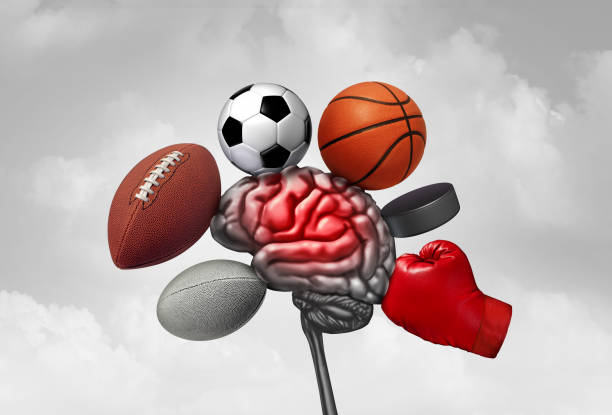
Imagine you or your child gearing up for the big game, the thrill of sports coursing through your veins. But along with the excitement comes a shadow of concern – the risk of brain injuries.
These injuries can be life-altering, turning a passion into a peril. You want to protect yourself and your loved ones, ensuring that sports remain a source of joy and growth, not worry and regret. You’ll discover practical, effective strategies to prevent brain injuries in sports.
Learn how to make smart choices about equipment, techniques, and safety measures that empower you to enjoy the game while safeguarding your well-being. Keep reading to unlock insights that could make all the difference on the field or court, and transform fear into confidence.
Importance Of Prevention
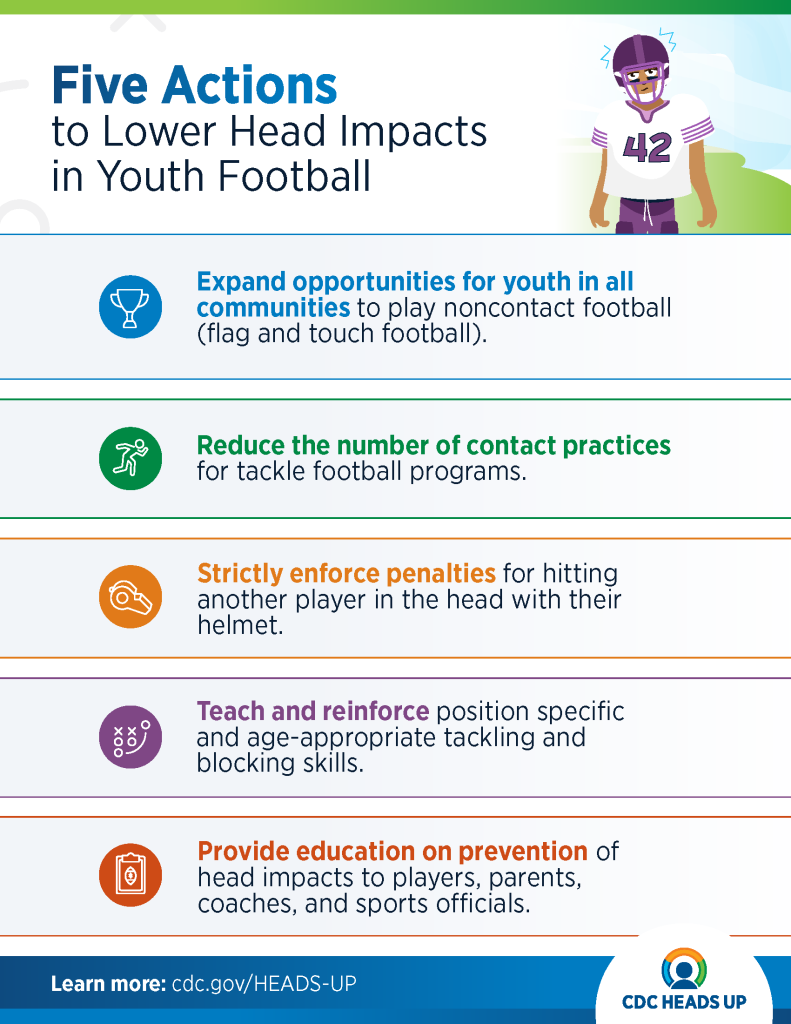
Protecting athletes from brain injuries in sports is crucial. Use proper gear and teach safe play techniques. Regular medical check-ups and awareness can help prevent severe injuries.
Preventing brain injuries in sports is not just a precaution; it’s a necessity. Athletes, coaches, and parents must prioritize safety to ensure sports remain a positive experience. The stakes are high, and the impact of negligence can be severe.
Impact On Athletes
Brain injuries can drastically change an athlete’s life. An injury can end a promising career overnight. Imagine training for years, only to be sidelined by a preventable accident. Athletes are passionate and often push their limits. It’s crucial to balance this drive with safety measures. Protective gear, proper techniques, and awareness can make a significant difference.
Long-term Consequences
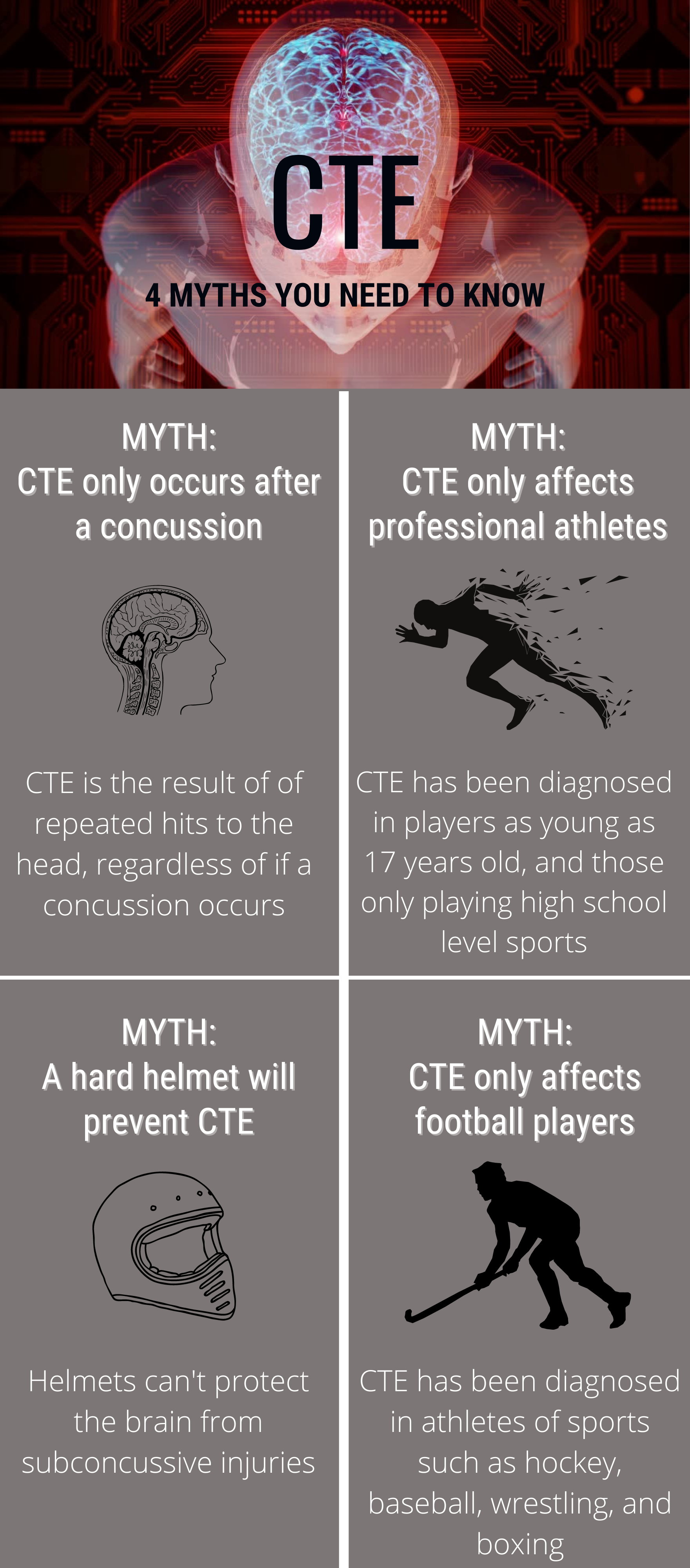
The effects of a brain injury can last a lifetime. Memory issues, difficulty concentrating, and emotional changes are just a few potential outcomes. These consequences affect not just the athlete but their families too. Consider the emotional and financial burden of long-term care for brain injuries. Is it worth risking your future for a moment of glory? Prioritizing prevention helps you avoid these irreversible outcomes. Every athlete deserves to play the sport they love without fear of lasting harm. By focusing on prevention, you protect not only your present but your future as well.
Credit: www.wieandlaw.com
Safety Equipment
Proper safety equipment is crucial in preventing brain injuries in sports. Helmets with advanced cushioning offer significant protection during impact. Regular equipment checks ensure optimal performance and safety.
Safety equipment plays a crucial role in preventing brain injuries in sports. Athletes must wear the right gear to protect themselves. Proper equipment can significantly reduce injury risks. Below are key pieces of safety equipment that help safeguard athletes.
Helmets And Headgear
Helmets protect the skull from severe impacts. They absorb shock and reduce force to the brain. Athletes should choose helmets designed for their specific sport. Ensure the helmet fits well. It should not be too tight or too loose. Regularly check helmets for any damage. Replace them if they are cracked or worn out. Helmets are mandatory in sports like football and cycling. They are equally important in skateboarding and skiing.
Mouthguards
Mouthguards shield the teeth and jaws. They also help prevent concussions. They work by absorbing and spreading force from impacts. Custom-fitted mouthguards offer the best protection. They are tailored to fit the athlete’s mouth precisely. Boil-and-bite mouthguards are a more affordable option. Athletes soften them in boiling water before molding to their teeth. Ensure mouthguards are comfortable and do not hinder breathing. Clean them regularly to maintain hygiene.
Training And Education
Preventing brain injuries in sports is not just about wearing the right gear; it’s about cultivating a culture of safety through training and education. Coaches, athletes, and parents need to be well-informed about the risks and the strategies to mitigate them. This starts with understanding the importance of proper training techniques and raising awareness among athletes. By focusing on these areas, you can significantly reduce the likelihood of brain injuries in sports. Let’s dive into how effective coaching techniques and athlete awareness can play a crucial role in this endeavor.
Coaching Techniques
Coaches are the front-line defense against brain injuries. They need to implement techniques that prioritize safety without compromising skill development. Teach athletes how to tackle and make contact safely, emphasizing the importance of proper posture and alignment. Reinforcing these techniques regularly can prevent dangerous plays that might lead to concussions.
Incorporate drills that simulate real-game situations while maintaining a controlled environment. This helps athletes understand how to protect themselves during actual games. Encourage open communication; athletes should feel comfortable reporting symptoms or discomfort immediately.
How often do you review and update your coaching methods? Staying updated with the latest safety protocols can be a game-changer. Regularly attending workshops or certification programs can provide fresh insights into preventing injuries.
Athlete Awareness
Building awareness among athletes is crucial. Educate them about the signs and symptoms of brain injuries, emphasizing that playing through pain is never heroic. Use interactive sessions to engage athletes in discussions about the long-term impacts of untreated injuries.
Encourage athletes to take ownership of their safety. They should understand the importance of reporting any head impacts, even if they seem minor. Create a supportive environment where athletes feel heard and respected.
Have you ever considered how peer influence impacts safety awareness? Encourage athletes to support and look out for each other, fostering a team culture where everyone is responsible for each other’s well-being.
Rules And Regulations
Brain injuries in sports are a serious concern. Implementing rules and regulations can reduce risks significantly. These measures focus on player safety and fair play. By enforcing standards and modifying rules, sports organizations aim to protect athletes. Understanding these rules helps everyone involved prioritize health.
Enforcing Safety Standards
Safety standards are crucial for protecting athletes. Sports organizations set guidelines that all players must follow. These include wearing protective gear like helmets and mouthguards. Officials monitor compliance during games and practices. Regular inspections ensure equipment is in good condition. Coaches must teach proper techniques to avoid dangerous plays. Everyone involved needs to prioritize safety above winning.
Modifying Game Rules
Game rules evolve to enhance safety. Changes focus on reducing head impacts and collisions. For example, limiting aggressive play or tackling techniques can lower injury risks. Implementing fair play rules discourages dangerous behavior. Referees are trained to enforce these modifications strictly. Penalties are applied for any violations. This approach minimizes risks and promotes a safer environment. Athletes can enjoy sports with peace of mind.
Recognizing Injuries
Wearing helmets and using proper gear can reduce the risk of brain injuries in sports. Coaches should educate players on safe techniques, especially during contact sports. Regular check-ups and monitoring help detect early signs of injury, ensuring timely intervention.
Recognizing injuries in sports is crucial for preventing brain damage. Quick identification helps in taking immediate action. Athletes, coaches, and parents should know the signs. This knowledge can protect athletes from long-term harm.
Symptoms Of Brain Injuries
Brain injuries can show various symptoms. Athletes may feel dizzy or have headaches. Confusion and memory loss are common signs. Some may feel nauseous or vomit. Changes in mood or behavior can also occur. Sleep disturbances might indicate a problem. It’s important to watch for these symptoms.
Immediate Response Protocols
Reacting quickly to brain injuries is vital. Follow these steps for immediate response:
- Remove the athlete from play.
- Check for symptoms and monitor condition.
- Seek medical attention without delay.
- Ensure rest and avoid physical activities.
- Follow doctor’s advice for recovery.
These steps can prevent further damage. Early action ensures better healing. Safety should always be the top priority.
Credit: www.amenuniversity.com
Role Of Technology
Technology plays a vital role in preventing brain injuries in sports. It enhances safety measures and provides innovative solutions. Athletes can now rely on advanced tools to protect themselves. This progress in technology boosts confidence and reduces injury risks.
Innovative Safety Gear
Advanced helmets offer better protection against impacts. Their design absorbs shock more efficiently. Smart materials in gear adapt to the intensity of hits. Mouthguards now include sensors to detect force levels. These developments ensure athletes are safer than ever.
Monitoring Tools
Wearable devices track movements and impacts during games. They gather real-time data on the athlete’s condition. Coaches use this information to make informed decisions. Monitoring tools help identify early signs of concussions. This proactive approach minimizes long-term damage.
Community Involvement
Community involvement is a powerful tool in preventing brain injuries in sports. When local groups, parents, and organizations come together, they create a safer environment for athletes. Engaging the community fosters awareness and encourages proactive measures to protect players.
Parental Guidance
Parents play a crucial role in shaping a safe sporting environment. By staying informed about the risks of brain injuries, you can advocate for better safety protocols. Attend workshops and training sessions to understand the importance of protective gear and techniques.
Consider sharing your insights with other parents at games or meetings. This helps build a supportive network focused on safety. When you voice concerns, it prompts coaches and officials to prioritize player protection.
Organizational Support
Sports organizations have a responsibility to implement strict safety standards. As a member or supporter, you can encourage them to adopt comprehensive injury prevention programs. This might include mandatory training sessions for coaches on concussion management.
Regular safety audits ensure equipment and facilities meet required standards. You can also suggest hosting community events to raise awareness. These events can educate athletes and their families about brain injury prevention.
Are your local sports organizations proactive in preventing brain injuries? Engaging with them can make a significant difference in the safety of your community’s athletes.
Recovery And Rehabilitation
Proper gear and techniques are key to reducing brain injuries in sports. Educate athletes on safe play and monitor their health closely.
Recovery and Rehabilitation play a crucial role in preventing brain injuries in sports, ensuring that athletes not only heal but regain their full strength and capability. It’s not just about physical recovery; it’s about mental resilience and preparedness for a safe return to action. How do you ensure that your recovery process is both effective and comprehensive?
Post-injury Care
After sustaining a brain injury, immediate post-injury care is vital. You should prioritize rest and avoid activities that could aggravate symptoms. Consider creating a quiet environment to minimize sensory overload. This aids in reducing headaches and dizziness that often accompany concussions. Hydration and nutrition are also essential. Consuming nutrient-rich foods supports brain health and can accelerate recovery.
Rehabilitation Programs
Effective rehabilitation programs are tailored to individual needs. A personalized approach ensures that you address specific deficits caused by the injury. These programs often include cognitive therapy, focusing on memory, attention, and problem-solving skills. Engaging in these exercises can improve brain function substantially. Physical therapy is equally important. Light aerobic activities, under professional guidance, can enhance circulation and promote healing. Have you considered the psychological aspect of rehabilitation? Emotional support, through counseling or support groups, helps in managing anxiety and depression post-injury. Incorporating these strategies will not only aid in recovery but also prepare you for a safer return to your sport. How will you integrate these insights into your recovery plan?

Credit: www.facebook.com
Frequently Asked Questions
How To Prevent Brain Damage In Sports?
Wear proper protective gear, follow safety rules, and practice good techniques. Regular medical check-ups are crucial. Stay informed about concussion symptoms and seek immediate medical attention if needed. Always prioritize safety over competition.
How Can Brain Injuries Be Prevented?
Wear helmets during sports and biking. Use seatbelts in vehicles. Install safety rails in bathrooms. Avoid slippery surfaces. Educate on fall prevention.
How To Prevent Brain Damage In Combat Sports?
Wear protective gear like helmets to reduce head impact. Train for proper techniques to minimize injury risk. Limit sparring sessions and prioritize rest for recovery. Regular medical check-ups can help detect early signs of damage. Stay informed about safety guidelines in your sport.
What Are Three Ways To Prevent Head Injury?
1. Wear a helmet during sports or cycling to protect your head. 2. Use seat belts in vehicles to reduce injury risk in accidents. 3. Ensure home safety by removing tripping hazards and installing handrails on stairs.
Conclusion
Protecting athletes from brain injuries is crucial. Simple steps make a big difference. Use proper gear. Helmets and pads matter. Train regularly. Strengthen neck and core muscles. Educate players. Teach safe techniques and rules. Encourage open communication. Report symptoms promptly.
Coaches and parents should stay informed. Regular check-ups help. Early detection is key. Prioritize safety over competition. Healthy habits build a safer sports environment. Remember, prevention starts with awareness. Everyone plays a part in reducing risks. Together, we can keep sports fun and safe.
Stay proactive and committed to athlete well-being.
