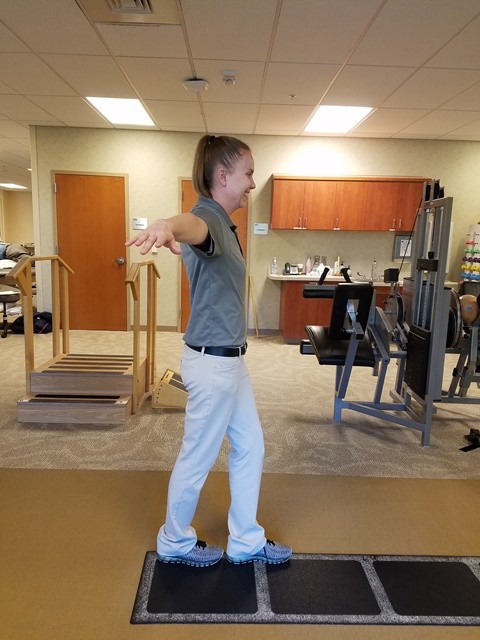
Imagine navigating a world where every step feels secure and every movement is confident. Balance is the unsung hero in this scenario.
It’s not just for yoga enthusiasts or tightrope walkers; it’s a fundamental skill that plays a crucial role in your daily life. Whether you’re climbing stairs, walking on uneven surfaces, or simply standing upright, balance is working behind the scenes to keep you steady.
But how exactly does balance help prevent injuries? By understanding the power of balance, you’ll discover how it can be your secret weapon in reducing the risk of falls, slips, and unexpected mishaps. Dive into this article to uncover the science behind balance and learn practical tips to strengthen it, ensuring your safety and enhancing your quality of life. Your body will thank you for it!
Importance Of Balance In Physical Health
Balance is a key aspect of physical health. It plays a major role in preventing injuries. A strong sense of balance can enhance overall stability. It helps maintain control over body movements. This reduces the risk of falls and accidents.
Role In Stability And Coordination
Balance is crucial for stability and coordination. It allows the body to maintain equilibrium during movement. When you have good balance, your body can respond quickly. It adjusts to changes in position or terrain. This is especially important in sports and exercise. It helps athletes perform at their best. Improved balance leads to better posture, reducing strain on muscles.
Impact On Daily Activities
Balance affects everyday activities. Walking, climbing stairs, and even standing require balance. Poor balance can make these tasks difficult. It increases the risk of tripping or falling. Good balance allows you to move confidently. It enhances your ability to perform daily tasks safely. This also leads to a more active lifestyle. Balance training can prevent injuries in simple activities. It is essential for maintaining independence, especially as we age.
Credit: proactivept.com
Mechanisms Of Balance
Balance strengthens muscles and enhances coordination, reducing the risk of falls. It helps stabilize joints, preventing sprains and strains. A strong sense of balance boosts reaction times during unexpected movements, minimizing injury chances.
Balance plays a crucial role in preventing injuries. It involves various systems working together. These systems help maintain stability and coordination. Understanding the mechanisms of balance can shed light on its importance.
Sensory Systems Involved
The body relies on multiple sensory systems for balance. The vestibular system in the inner ear detects changes in head position. It sends signals to the brain about movement and orientation. Vision also contributes significantly. It provides information about surroundings and spatial orientation. The proprioceptive system gives feedback about limb position and movement. These sensory inputs help maintain posture and prevent falls.
Muscular And Skeletal Contributions
Muscles and bones support balance by maintaining posture. Strong muscles in the legs and core stabilize the body. They respond quickly to shifts in weight or uneven surfaces. The skeletal structure provides a framework for movement. Joints and ligaments support flexibility and range of motion. This coordination between muscles and bones ensures stability. It reduces the risk of injuries from slips or falls.
Common Balance-related Injuries
Balance is often underestimated, yet it plays a crucial role in preventing injuries. Common balance-related injuries can disrupt your daily life and even lead to long-term consequences. By understanding these injuries, you can take proactive steps to protect yourself.
Falls And Fractures
Falls are the most common balance-related injury. They can occur when you least expect it, such as slipping on a wet surface or losing your footing on uneven ground. The impact of a fall can lead to fractures, especially in older adults whose bones may be more brittle.
Imagine the inconvenience of a broken arm or leg. It can affect your mobility and independence, forcing you to rely on others for everyday tasks. To prevent falls, consider using non-slip mats in your bathroom and wearing shoes with good grip.
Sprains And Strains
Sprains and strains often result from sudden movements or twists that your body isn’t prepared for. A misstep can lead to a twisted ankle or strained muscle. These injuries can be painful and limit your ability to move freely.
Think about the frustration of having a sprained ankle that keeps you from your regular jogging routine. Building balance through exercises like yoga can strengthen your muscles and improve your stability. Have you ever tried balancing on one foot while brushing your teeth? It’s a simple yet effective way to enhance your balance skills.
Don’t wait until an injury forces you to take action. Strengthening your balance can help you avoid these common injuries and maintain an active lifestyle.

Credit: www.facebook.com
Techniques To Enhance Balance
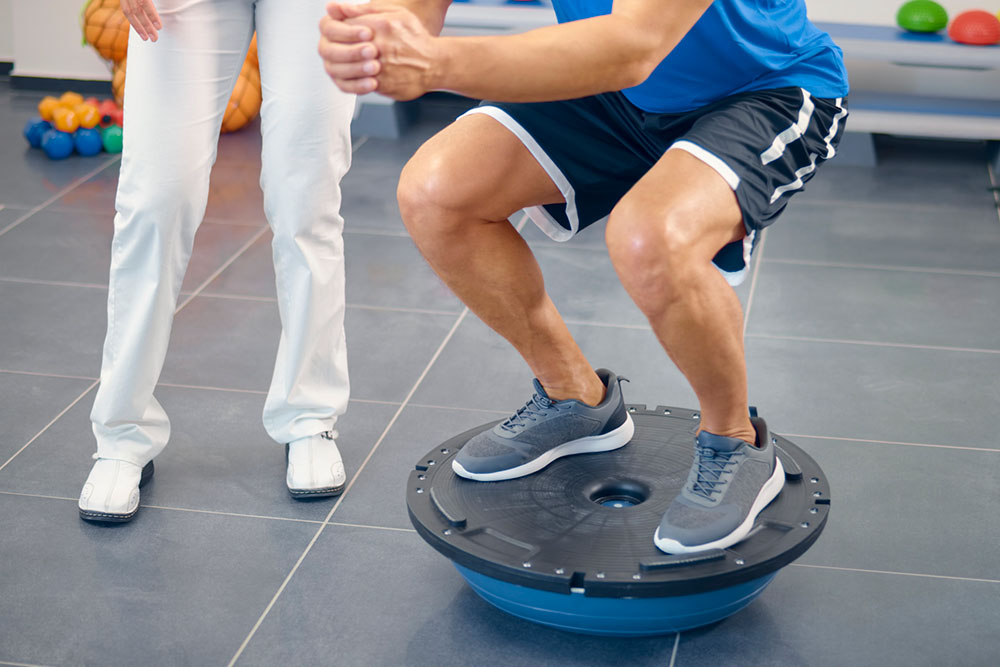
Enhancing balance strengthens muscles and improves coordination. This helps prevent falls and injuries. Simple exercises like standing on one leg or using a balance board can be effective techniques.
Improving your balance can significantly reduce the risk of injuries. But how exactly can you enhance your balance? There are several effective techniques you can try, each offering unique benefits. Whether you’re an athlete or just someone looking to stay fit and healthy, these methods can help you maintain stability and prevent falls.
Exercises And Training
Regular exercises focused on balance can greatly improve your stability. Simple movements like standing on one leg or walking heel-to-toe can make a big difference. Yoga and Tai Chi are excellent for enhancing balance through slow, controlled movements. Incorporating balance drills into your routine can also be beneficial. Try doing lunges or squats on an uneven surface to challenge your body. You can also add core-strengthening exercises like planks to build a strong foundation. Make it a habit to practice balance exercises daily. Even just a few minutes a day can lead to significant improvements over time.
Use Of Equipment And Tools
Using the right equipment can elevate your balance training. Balance boards and stability balls are popular tools that add variety to your workouts. They make your exercises more dynamic and engage your core muscles effectively. Foam pads and wobble cushions are also great for creating instability. These tools force your body to adjust and stabilize, thus improving your balance. Consider investing in these tools to make your home workouts more effective. They can be easily stored and used whenever you have a few spare minutes. How do you plan to incorporate these balance techniques into your daily routine?
Balance In Sports And Athletics
Balance is a critical element in sports and athletics, often overlooked but essential for peak performance. Whether you’re a seasoned athlete or a weekend warrior, honing your balance can significantly enhance your capabilities. Imagine executing a flawless pirouette in ballet or maintaining a steady stance while dribbling in soccer; these feats are only possible with superior balance.
Performance Improvement
Improving balance directly boosts your athletic performance. A well-balanced body allows for better coordination, agility, and speed. Consider the agility of a gymnast or the swift footwork of a basketball player—these skills are rooted in balance.
Incorporating balance training into your routine can lead to more precise movements. You become more aware of your body’s position, enabling you to react quicker and more efficiently in competitive scenarios.
Have you ever tried balancing on one leg while brushing your teeth? Such simple exercises can refine your balance and enhance your sporting prowess. What small change can you make today to improve your balance?
Injury Prevention Strategies
Strong balance is a powerful defense against injuries. It helps distribute weight evenly and reduces the risk of falls and strains. In sports, where sudden shifts in momentum are common, balance is your ally in staying upright and avoiding mishaps.
Incorporate practices like yoga or Tai Chi, which emphasize balance and stability. These activities strengthen muscles and improve joint flexibility, fortifying your body against unexpected jolts.
Building balance isn’t just about avoiding injuries; it’s about ensuring longevity in your athletic pursuits. How much longer can you play your favorite sport without worrying about injury? Investing in your balance today could be the key.
Age And Balance
Balance plays a key role in preventing injuries, especially as we age. Our ability to maintain stability diminishes over time. This decline makes older adults more susceptible to falls and related injuries. Understanding how age affects balance can help in finding effective solutions. Let’s explore the challenges faced by older adults and ways to maintain balance.
Challenges In Older Adults
As individuals grow older, their balance control weakens. This happens due to changes in the body and brain. Muscle strength decreases and reflexes slow down. Vision may also decline, affecting spatial awareness. These factors make it hard to stay steady. Medications and health conditions can further impact balance. Arthritis, diabetes, and heart issues are common culprits. Fear of falling can lead to reduced physical activity, worsening balance. Limited mobility adds to the risk of falls. Identifying these challenges is crucial for effective intervention.
Solutions For Maintaining Balance
Several strategies can help older adults maintain balance. Regular exercise is highly beneficial. Activities like yoga and tai chi improve strength and flexibility. Balance training is also effective. Simple exercises can be done at home. Standing on one foot or walking heel-to-toe can enhance stability. Ensuring a safe home environment is essential. Removing tripping hazards and installing handrails can prevent falls. Wearing appropriate footwear provides better grip and support. Additionally, staying active boosts mental alertness. This aids in quicker reflexes and better balance. Consulting with a healthcare professional can offer personalized guidance. They can suggest tailored exercises and monitor progress. Technology offers tools like balance apps and wearable devices. These can track balance and suggest improvements. Implementing these solutions can help older adults stay steady and safe.
The Future Of Balance Research
Understanding balance is key to injury prevention. Proper balance helps maintain stability and coordination. It reduces the risk of falls and muscle strains.
The future of balance research is truly exciting, with cutting-edge innovations and groundbreaking studies paving the way for safer, more injury-free lives. As we push the boundaries of what we know about balance, technology and science play pivotal roles. Understanding balance isn’t just about preventing falls; it’s about enhancing our overall well-being.
Innovative Technologies
The introduction of virtual reality (VR) into balance training is a game changer. Imagine wearing a VR headset that immerses you in different environments, challenging your balance without stepping outside your living room. These virtual experiences can mimic real-world scenarios, helping you adapt and improve your stability effectively. Wearable technology is also making strides. Devices like smart insoles and balance-tracking bands monitor your movements and provide instant feedback. This real-time data helps you understand your balance patterns, allowing you to make necessary adjustments and prevent potential injuries.
Potential Developments
Research into neuroplasticity offers promising insights. Scientists are discovering how the brain can adapt and form new connections to improve balance. Could we soon see therapies that harness this ability, enhancing balance even in those with severe impairments? Artificial Intelligence (AI) holds potential for developing personalized balance training programs. By analyzing your unique movement data, AI could tailor exercises to your specific needs. This ensures you’re getting the most effective workout to maintain or improve your balance. As these innovations emerge, it’s worth considering how they might change your approach to balance and injury prevention. What new technologies would you be willing to try to enhance your stability and safety? The horizon is broad and the possibilities are endless.

Credit: www.amazon.com
Frequently Asked Questions
How Does Balance Prevent Injuries?
Balance improves stability by strengthening muscles and enhancing coordination. This reduces the risk of falls and injuries. Improved balance allows for better body control during activities, preventing awkward movements. It also helps distribute weight evenly, minimizing strain on joints and muscles, which further protects against injuries.
Why Is Balance Useful In Sports?
Balance enhances athletic performance by improving stability and coordination. It prevents injuries and boosts agility. Athletes execute precise movements and maintain control, gaining competitive advantage. Whether in team sports or individual activities, balance is crucial for optimal performance and success.
Incorporate balance training for better results and overall fitness.
How Does Balance Benefit You?
Balance improves mental clarity, enhances physical health, and boosts emotional well-being. It reduces stress and increases productivity. Balanced living fosters better decision-making and promotes overall happiness. Embrace balance to enjoy a healthier lifestyle and build stronger relationships. Prioritize balance for a fulfilling life experience.
Can Balance Training Help Prevent Falls Fractures And Other Injuries?
Yes, balance training can help prevent falls, fractures, and injuries. It improves stability and strengthens muscles, enhancing coordination. Regular practice increases confidence in movement and reduces the risk of accidents.
Conclusion
Balance plays a crucial role in preventing injuries. It helps maintain stability. Strong balance reduces falls and mishaps. Regular practice strengthens muscles and joints. This enhances body control and awareness. Good balance supports physical activities safely. It improves posture and coordination.
Incorporating balance exercises is key for health. Simple activities can make a big difference. Consistent practice leads to better results. Start small and progress gradually. Prioritize balance for a safer lifestyle. Your body will thank you. Stay active, stay balanced, stay safe.
