
Imagine waking up every morning feeling strong and ready to take on the day. Picture yourself running, jumping, and playing without the constant worry of getting hurt.
Sounds great, right? The secret to this kind of vitality might be hiding on your plate. Yes, nutrition isn’t just about losing weight or building muscles; it plays a crucial role in keeping injuries at bay. When you fuel your body with the right nutrients, you create a shield that protects you from those annoying sprains and strains.
Curious to know how what you eat today could save you from pain tomorrow? Stick around and discover the powerful connection between your diet and injury prevention. Your future self will thank you!
The Connection Between Nutrition And Injury Prevention
Many people overlook the powerful role that nutrition plays in preventing injuries. You might wonder how the food on your plate can affect your body’s resilience to injuries. It’s simple—what you eat directly impacts your body’s ability to repair and strengthen itself. Without the right nutrients, your body can become more vulnerable to injuries, especially during physical activities. Let’s explore how nutrition is intricately linked to injury prevention.
The Importance Of Essential Nutrients
Your body needs a variety of nutrients to function optimally and safeguard against injuries. Protein is crucial for muscle repair and growth. Vitamins like C and D support bone health, while omega-3 fatty acids help reduce inflammation. Are you getting these nutrients in your diet regularly?
Hydration: The Unsung Hero
Staying hydrated is often underestimated in injury prevention. Proper hydration helps maintain joint lubrication and muscle function, reducing the risk of strains and sprains. Make it a habit to drink water throughout the day, especially if you’re active.
Building A Balanced Diet
A balanced diet is key to keeping your body strong and resilient. Include a mix of fruits, vegetables, lean proteins, and whole grains in your meals. This not only aids in injury prevention but also boosts your overall health. What does your daily meal plan look like?
The Role Of Timing In Nutrition
When you eat is just as important as what you eat. Consuming protein and carbohydrates after workouts can enhance recovery and reduce injury risks. Timing your meals strategically can be a game-changer. Have you ever thought about meal timing in relation to your activities?
Personal Experience: Nutrition And Recovery
After a minor injury during a soccer game, I focused on nutrient-rich foods for recovery. Consuming foods high in antioxidants and proteins made a noticeable difference in healing time. Could adjusting your diet help you recover more effectively from injuries?

Credit: skytherapy.rehab
Essential Nutrients For Strong Bones
Strong bones are fundamental to injury prevention, especially when it comes to physical activities and sports. Ensuring your bones receive the right nutrients is a proactive step toward maintaining their strength and resilience. Let’s dive into the essential nutrients that play a pivotal role in building and maintaining strong bones.
Calcium And Vitamin D
Calcium is often hailed as the cornerstone of bone health. It provides the structural strength that keeps bones robust. Consuming dairy products like milk, cheese, and yogurt can be a delicious way to meet your calcium needs. If you’re lactose intolerant, worry not! Leafy greens, almonds, and fortified plant-based milk are excellent alternatives.
Vitamin D is the unsung hero that helps your body absorb calcium effectively. Sun exposure is a natural way to boost your Vitamin D levels. However, if you live in a region with limited sunlight, consider adding fatty fish like salmon or supplements to your diet. Have you ever thought about how much time you actually spend outdoors soaking up the sun’s benefits?
Magnesium And Phosphorus
Magnesium works hand in hand with calcium to strengthen bones. It’s involved in over 300 biochemical reactions in the body, including bone formation. Nuts, seeds, and whole grains are rich sources of magnesium. Have you ever tried adding a handful of pumpkin seeds to your salad for an extra crunch?
Phosphorus, found in protein-rich foods like meat, fish, and eggs, complements calcium in building bone mass. It’s important to maintain a balance, as too much phosphorus can hinder calcium absorption. Striking this balance can be as simple as enjoying a well-rounded meal with a variety of nutrients.
Are you giving your bones the nutrients they need to stay strong and prevent injuries? Consider evaluating your diet to ensure you’re supporting your body’s foundation.
Role Of Proteins In Muscle Health
Proteins are the building blocks of your muscles and play a crucial role in maintaining muscle health, especially when preventing injuries. Consuming the right amount and type of protein can significantly enhance muscle repair and growth, keeping you agile and resilient. But how do proteins work their magic in muscle health? Let’s dive into the specifics.
Amino Acids And Muscle Repair
Amino acids are the foundational components of proteins. They are essential for muscle repair after strenuous activities or injuries. When you exercise, tiny tears occur in your muscle fibers. Amino acids rush in to repair these tears, making your muscles stronger.
Imagine your muscles as a wall. Every workout creates small cracks that need fixing. Amino acids act like skilled masons, patching up these cracks effectively. This repair process is critical in preventing more serious injuries.
Are you providing your muscles with enough amino acids for efficient repair? Consider your diet and see if it includes protein-rich foods that facilitate this healing process.
Protein Sources For Athletes
Athletes need to be extra careful about their protein intake. It’s not just about the quantity but the quality of protein that matters. Lean meats like chicken, turkey, and fish are excellent sources of high-quality proteins.
Plant-based options, such as lentils, chickpeas, and quinoa, also offer substantial protein benefits. Mix and match these sources to ensure a balanced intake of essential amino acids.
Ever wondered if your protein shake is doing its job? Evaluate its ingredients and ensure it complements your dietary needs. A well-rounded protein source can be the difference between a quick recovery and prolonged muscle soreness.
By incorporating diverse protein sources into your diet, you empower your muscles with the necessary tools for repair and growth, paving the way for injury prevention.
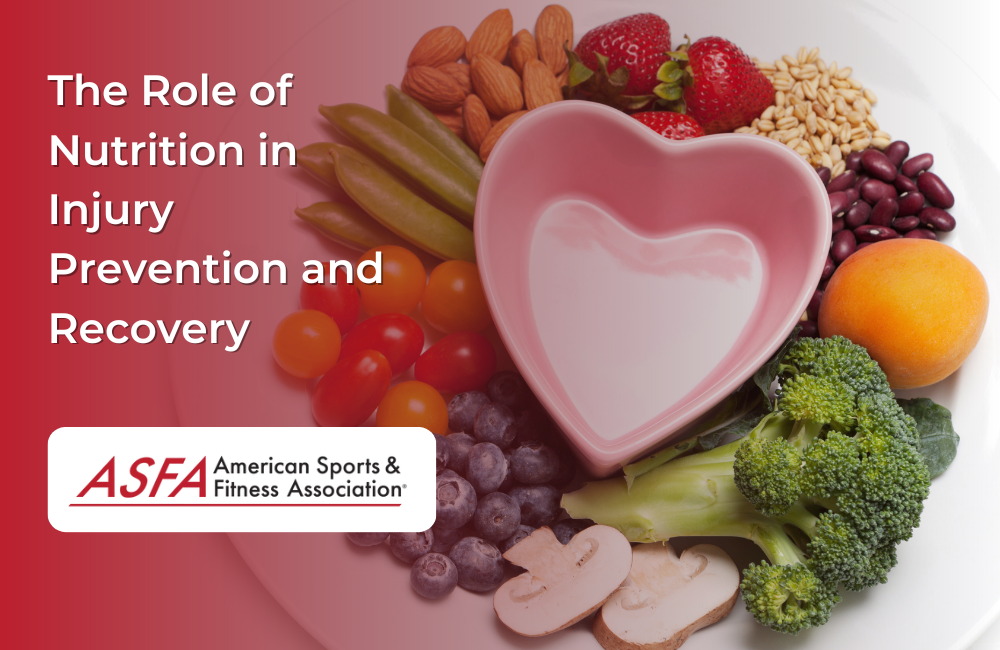
Credit: www.americansportandfitness.com
Antioxidants And Inflammation Reduction
When you think about injury prevention, nutrition might not be the first thing that comes to mind. However, the right nutrients can significantly reduce inflammation, a common culprit behind injuries. Antioxidants are powerful compounds that help fight off free radicals and reduce inflammation in the body. By incorporating foods rich in antioxidants into your diet, you can protect your body from the inside out and potentially prevent injuries.
Vitamin C And E Benefits
Vitamin C and E are two of the most potent antioxidants available. They play a crucial role in combating oxidative stress and inflammation. Vitamin C is known for its ability to strengthen the immune system and promote collagen production, essential for healthy joints and ligaments.
Meanwhile, Vitamin E helps protect cell membranes from damage, which is vital for maintaining muscle health. Including these vitamins in your daily routine can be a game-changer for your overall well-being.
Foods Rich In Antioxidants
Adding antioxidant-rich foods to your diet is easier than you might think. Berries like blueberries, strawberries, and raspberries are excellent sources and can be tossed into a morning smoothie for a refreshing start.
Dark leafy greens such as spinach and kale are packed with antioxidants and can be added to salads or sautéed as a side dish. Nuts and seeds, like almonds and sunflower seeds, offer Vitamin E and can be enjoyed as a snack or mixed into yogurt.
Have you considered making small dietary changes to prevent injuries? Embracing these foods might be the simple step you need to stay active and healthy.
Hydration And Injury Prevention
Proper nutrition strengthens the body, reducing injury risks. Hydration supports muscle function and prevents cramps. Balanced meals enhance recovery and resilience.
Hydration plays a crucial role in injury prevention, often overlooked in favor of more obvious factors like exercise routines or protective gear. Yet, maintaining proper hydration levels can be a game-changer, especially if you’re active. Imagine running a marathon or even playing a game of soccer; your body is working hard, and it needs water to keep everything running smoothly. The right amount of hydration can help your muscles perform better and recover faster, reducing the risk of injuries.
Importance Of Water
Water is the simplest form of hydration, yet it’s incredibly powerful. Your body is made up of about 60% water, which plays a vital role in every bodily function, including muscle performance and joint lubrication. Drinking enough water helps maintain the elasticity and flexibility of muscles, reducing the likelihood of strains. Have you ever noticed how your energy dips when you’re dehydrated? That’s because water helps in transporting nutrients to your cells and removing waste products. Staying hydrated ensures your body can function at its best, whether you’re exercising or simply going about your daily tasks.
Electrolytes For Optimal Function
Water alone isn’t enough when you’re active; electrolytes are also essential. Electrolytes like sodium, potassium, and magnesium help maintain fluid balance and are crucial for muscle function. They prevent cramps, which can lead to injuries. Think about sports drinks—why do athletes turn to them? It’s because these drinks replenish electrolytes lost through sweat. Incorporating foods rich in electrolytes, such as bananas and spinach, can also support your hydration strategy. Have you considered how your hydration affects your performance and injury risk? Next time you plan to exercise, think about your hydration strategy and how it can keep you injury-free.

Credit: www.idsportsmed.com
Impact Of Micronutrients On Recovery
Nutrition is a cornerstone of injury prevention and recovery, often overlooked but immensely powerful. While macronutrients like proteins and carbohydrates are frequently discussed, micronutrients play a crucial role in speeding up recovery and fortifying the body against future injuries. These tiny but mighty nutrients can determine how swiftly you bounce back from an injury. Let’s dive into the impact of specific micronutrients like zinc and iron on your recovery journey.
Zinc And Immune Support
Zinc is like the body’s unsung hero when it comes to recovery. It bolsters your immune system, making you less susceptible to infections which can delay healing. Have you ever noticed how quickly you recover from cuts or bruises when your diet includes zinc-rich foods like nuts and seeds?
Incorporating zinc into your diet can be as simple as adding a handful of pumpkin seeds to your salads or snacking on cashews. This small change can make a significant difference in your body’s ability to fight off infections, leaving you more resilient and ready to tackle your next workout or activity.
Iron And Oxygen Transport
Iron is essential for transporting oxygen throughout your body. When you’re injured, your tissues need more oxygen to repair themselves. A lack of iron can mean slower recovery times and fatigue. Have you ever felt drained after an injury, unable to muster the energy for your usual activities? Iron deficiency might be the culprit.
Boost your iron intake with foods like spinach, lentils, and red meat. Even cooking with cast iron pans can give your meals an iron boost. Ensuring you have enough iron can invigorate your recovery process and restore your energy levels, helping you get back on your feet faster.
Are you giving these micronutrients the attention they deserve in your diet? Small changes can have a big impact on your recovery and overall resilience. Embrace these insights and watch your body respond with renewed strength and vitality.
Balanced Diet For Athletes
Balanced nutrition is the cornerstone of injury prevention for athletes. A well-rounded diet not only enhances performance but also supports recovery and minimizes the risk of injuries. Your body is like a finely tuned machine, and the fuel you provide can determine how well it operates. Imagine the difference in your stamina and resilience when you shift from a sporadic eating pattern to a diet tailored for athletic needs.
Carbohydrates For Energy
Carbohydrates are your primary source of energy. They fuel your muscles during intense training and competitions. Consuming adequate carbohydrates ensures your glycogen stores are replenished, offering sustained energy throughout your activities. Have you ever found yourself hitting a wall during a workout? Increasing your intake of whole grains, fruits, and vegetables might be the key to powering through those challenging moments.
Consider the impact of timing. Eating a carbohydrate-rich snack a few hours before a game or training session can give you the energy boost you need. How often do you plan your meals around your training schedule?
Fats For Endurance
Healthy fats are crucial for long-lasting endurance. They serve as a secondary energy source when glycogen stores are depleted. Including sources like nuts, seeds, and avocados can enhance your stamina during prolonged activities. Do you notice how your body feels after a meal rich in healthy fats?
Moreover, fats aid in absorbing essential vitamins and minerals. They support joint health and reduce inflammation, which is vital for preventing injuries. This means that a diet with balanced fats is not just about energy; it’s about maintaining your body’s overall health. Are you including enough healthy fats in your diet to support your athletic lifestyle?
Supplements: Necessity Or Not?
Nutrition helps in preventing injuries by strengthening the body. Balanced diets provide essential nutrients for tissue repair and muscle growth. Supplements might support this process, but real food is crucial.
The role of supplements in injury prevention is a topic often debated among athletes and fitness enthusiasts. While some swear by their daily dose of vitamins and minerals, others question their necessity. Are supplements essential for keeping injuries at bay, or can a balanced diet suffice? Let’s delve into the pros and cons of supplementation, and explore natural alternatives.
Pros And Cons Of Supplementation
Many athletes take supplements to boost their nutrient intake quickly and conveniently. They can target specific deficiencies, like vitamin D or omega-3s, potentially reducing injury risk. However, supplements aren’t always a magic bullet. Over-reliance can lead to imbalances and neglect of a varied diet. Moreover, the quality and efficacy of supplements can vary widely, sometimes leading to more harm than good. Cost is another factor. Supplements can be expensive, and the benefits might not always justify the price. Have you ever found yourself spending more on pills than actual food?
Natural Alternatives
Whole foods offer a rich tapestry of nutrients that work together to support body functions. For example, leafy greens provide calcium, magnesium, and vitamin K, all vital for bone health. Eating a variety of colorful fruits and vegetables ensures you get a broad spectrum of nutrients. Think of vibrant berries, sweet potatoes, and peppers. Consider incorporating nuts and seeds into your diet. They are excellent sources of healthy fats, protein, and minerals. Isn’t it more satisfying to crunch on a handful of almonds than swallow a pill? Ultimately, the key is finding a balance. While supplements can be beneficial in certain cases, they shouldn’t replace a nutritious diet. What do you rely on to keep injuries at bay—pills or plates?
Personalized Nutrition Plans
Balanced nutrition strengthens the body against injuries by promoting muscle health and enhancing joint flexibility. Personalized nutrition plans optimize nutrient intake to support recovery and prevent future harm. Proper diet fuels the body to withstand physical stress.
Personalized nutrition plans play a crucial role in injury prevention. Every athlete has unique nutritional needs. Tailoring a diet to these needs enhances performance and recovery. Personalized plans focus on specific nutrients. These nutrients support muscles, bones, and overall health. A customized approach can reduce injury risk significantly. Nutritionists assess individual requirements for optimal results.
Assessing Individual Needs
Understanding an athlete’s specific needs is essential. Nutritionists evaluate various factors. They consider age, gender, and body composition. Activity level and health history are also vital. This thorough assessment identifies nutritional gaps. It helps create a comprehensive diet plan. Blood tests can reveal deficiencies. These tests guide precise nutrient recommendations.
Adapting To Different Sports
Different sports demand different nutritional strategies. Endurance athletes require more carbohydrates. These provide energy for long-lasting performance. Strength athletes need protein for muscle repair. Hydration plays a key role in all sports. Electrolyte balance is essential for muscle function. Nutrition plans adapt to these unique demands. Tailoring diets to sport-specific needs ensures peak performance.
Frequently Asked Questions
How Does Nutrition Help Prevent Injury?
Proper nutrition strengthens muscles and bones, reducing injury risk. Vitamins and minerals aid tissue repair. Hydration maintains joint lubrication. Balanced diet boosts energy and enhances recovery.
How Does Nutrition Influence The Risk Of Injury?
Proper nutrition strengthens muscles and bones, reducing injury risk. Nutrients like protein and calcium support recovery and endurance. Staying hydrated and balanced energy intake maintain performance, further minimizing injuries.
What Is The Role Of Nutrition In Prevention?
Nutrition plays a crucial role in disease prevention. It strengthens the immune system, supports healthy body functions, and reduces risk factors. A balanced diet rich in vitamins, minerals, and antioxidants helps maintain optimal health and prevent chronic conditions. Eating nutritious foods can lead to a healthier, longer life.
What Role Do Nutrients Play In Injury Recovery?
Nutrients support injury recovery by reducing inflammation and promoting tissue repair. Proteins help rebuild tissues. Vitamins and minerals like vitamin C and zinc boost immune function and collagen formation. Omega-3 fatty acids ease inflammation. Proper hydration aids nutrient transport. Balanced nutrition accelerates healing and strengthens the body.
Conclusion
Nutrition is key to preventing injuries. A balanced diet strengthens the body. Essential nutrients support muscle and bone health. Consistent hydration keeps joints flexible. Vitamins and minerals boost the immune system. Healthy eating habits aid recovery. Proper nutrition reduces injury risks.
Stay mindful of what you eat. Your body will thank you.
