Imagine a world where every step you take, whether at work or at home, feels secure and free of risk. This isn’t just a dream; it’s the reality that safety and injury prevention aim to create for you.
Have you ever wondered what really happens behind the scenes to keep you safe? The practices, strategies, and innovations that tirelessly work to protect you often go unnoticed, yet they are crucial to your well-being. Understanding these processes can not only empower you but also help you contribute to a safer environment for yourself and those around you.
This article will unveil the critical elements of safety and injury prevention, offering you insights into how these measures impact your everyday life. Read on to discover how you can become an active participant in fostering a safer world.

Credit: www.teacherspayteachers.com
Importance Of Safety Measures
Safety measures play a crucial role in preventing injuries. They protect individuals from harm and promote a safe environment. Adopting proper safety practices can prevent accidents. These measures ensure health and well-being for everyone involved.
Impact On Health And Well-being
Safety measures greatly impact health and well-being. They reduce the risk of accidents and injuries. This leads to fewer hospital visits and medical treatments. People feel safer and more secure in their surroundings. A safe environment boosts mental health, reducing stress and anxiety.
Economic Benefits
Investing in safety measures can save money. Fewer accidents mean less money spent on medical bills. Companies face fewer legal fees due to reduced workplace incidents. Productivity increases when workers feel safe. Less downtime occurs due to accidents. This results in higher profits and economic growth.
Common Workplace Hazards
Understanding common workplace hazards is crucial for fostering a safe environment. These hazards come in various forms and can affect employees physically, chemically, and ergonomically. Awareness and proactive measures can significantly reduce risks, but do you know what threats lurk in your workspace?
Physical Hazards
Physical hazards often include things like slippery floors, heavy lifting, and machinery malfunctions. Imagine walking into your office and encountering a wet floor without any warning signs. A simple slip could lead to a serious injury. Regularly check and maintain your workspace to prevent such accidents. Have you considered how often heavy equipment is inspected in your workplace?
Chemical Risks
Chemical risks are not just limited to labs. Think about the cleaning products stored under your office sink. Improper handling or storage can lead to harmful exposure. Ensure that all chemicals are labeled correctly and stored safely. Ask yourself, are you familiar with the emergency procedures in case of a chemical spill?
Ergonomic Concerns
Ergonomic concerns might be less obvious but are equally important. Sitting at a desk for long periods with poor posture can cause chronic pain and discomfort. Adjust your chair and monitor to support your body. Have you evaluated your workspace for ergonomic improvements recently?
Safety Protocols And Standards
Safety protocols and standards are vital in preventing injuries. They guide actions and ensure safety. Every industry has its own set of rules. These standards are crucial for maintaining safe environments. Understanding them can reduce risks and protect lives.
Regulatory Guidelines
Regulatory guidelines are set by governments and authorities. They ensure minimum safety levels are met. These rules are mandatory. Businesses must comply with them. Non-compliance can lead to penalties. They cover various aspects like equipment safety and employee training. Regular audits ensure adherence.
Industry Best Practices
Industry best practices are not mandatory but highly recommended. They are based on successful experiences. Companies adopt them to enhance safety. They often exceed regulatory requirements. Sharing experiences helps improve these practices. They evolve with technological advancements. Implementing them can boost safety culture.
Role Of Training And Education
Training and education play a vital role in safety and injury prevention. They equip individuals with essential skills to identify hazards and practice safe behaviors. This knowledge significantly reduces the risk of accidents in workplaces and everyday life.
The ‘Role of Training and Education’ in safety and injury prevention is crucial. It empowers individuals with essential knowledge and skills to avoid accidents. This proactive approach fosters a safer environment for everyone. Training and education help people understand safety protocols and practices. They also encourage a culture of safety in workplaces and communities.
Skills Development
Skills development is a key part of safety training. Workers learn how to handle equipment safely. This reduces the risk of accidents. Training sessions offer practical experience with safety tools. Employees gain confidence in managing emergencies. They also learn first aid techniques. This knowledge can save lives during critical situations.
Awareness Programs
Awareness programs educate people about potential hazards. They highlight common risks in different environments. These programs use visual aids and interactive sessions. This helps reinforce safety messages effectively. Regular campaigns keep safety at the forefront of everyone’s mind. They also promote a culture of continuous learning and vigilance.
Technology In Safety Management
Technology plays a crucial role in safety management today. It helps reduce risks and prevent injuries. Safety professionals now rely on advanced tools and data analysis. This ensures a safer working environment for everyone involved.
Innovative Tools
Safety management uses various innovative tools. These tools automate safety processes and improve efficiency. Drones are one example. They inspect hard-to-reach areas without putting workers at risk. Wearable technology is another key tool. It tracks worker health and alerts them to potential hazards. These innovations help maintain a safe workplace.
Data Analytics
Data analytics has transformed safety management practices. It helps identify trends and patterns in safety incidents. This allows companies to address potential risks early. Predictive analytics is a powerful tool. It forecasts possible safety issues before they occur. By analyzing data, safety managers can make informed decisions. This proactive approach helps prevent accidents and injuries.

Credit: www.teacherspayteachers.com
Psychological Aspects Of Safety
Understanding the psychological aspects of safety is crucial for injury prevention. Mental health plays a significant role in how individuals perceive risk. An environment that supports mental well-being enhances overall safety. Recognizing stress and behavioral patterns can prevent accidents. These psychological components are often overlooked but are essential.
Stress And Mental Health
Stress impacts decision-making and concentration levels. High stress can lead to unsafe practices. It affects reaction times and awareness of surroundings. Chronic stress may cause burnout, increasing risk of injury. Support systems and stress management techniques can mitigate these effects. Encouraging open discussions about mental health fosters a safer workplace.
Behavioral Interventions
Behavioral interventions focus on modifying risky behaviors. Training programs can encourage safe practices. Positive reinforcement helps in adopting safety measures. Regular workshops on behavior change can be effective. Understanding why individuals engage in unsafe behaviors is key. Addressing these root causes promotes a culture of safety.
Emergency Preparedness
Emergency Preparednessis not just a checklist; it’s a mindset that can save lives. Imagine being in a situation where seconds matter—do you know what to do? Preparing for emergencies involves planning, training, and having the right resources at your fingertips.
Crisis Management Plans
Having a crisis management plan is essential for every organization and household. It’s about anticipating potential threats and outlining clear steps to manage them. These plans should include evacuation routes, communication protocols, and roles and responsibilities for everyone involved. Have you ever thought about who you’d contact first in an emergency?
Regularly review and update these plans. Changes in your environment or personnel can impact your preparedness. Training sessions and drills can help ensure that everyone knows their part. Remember, familiarity breeds confidence in high-pressure situations.
First Aid And Medical Response
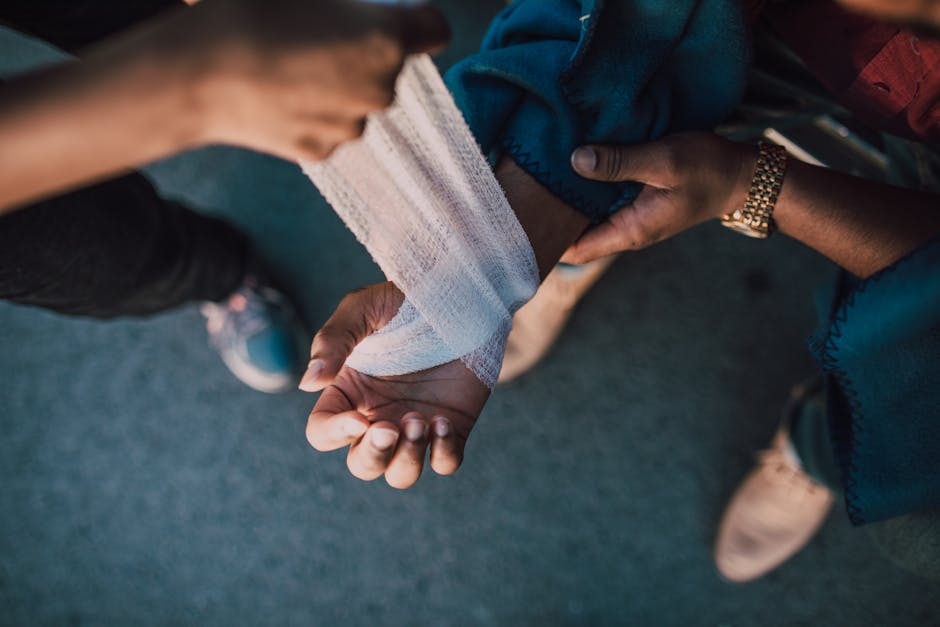
First aid is the immediate care given before professional medical help arrives. Knowing basic first aid can be a game-changer in emergencies. Consider taking a course or attending a workshop to refresh your skills. What would you do if someone suddenly needed CPR?
Keep a well-stocked first aid kit accessible at all times. It should include essentials like bandages, antiseptic wipes, and pain relievers. Ensure you know how to use each item effectively. A quick response can mitigate injuries and speed up recovery.

Credit: www.instagram.com
Evaluating Safety Performance
Evaluating safety performance is a crucial aspect of workplace safety. It involves analyzing data to understand safety levels and identify areas for improvement. This process helps organizations reduce risks and prevent injuries. Businesses can ensure a safer work environment through thorough evaluation.
Metrics And Indicators
Metrics and indicators are essential for measuring safety performance. They provide insights into safety practices and outcomes. Common metrics include incident rates, near-miss reports, and safety audits. These indicators help track progress and pinpoint problem areas. Businesses can set benchmarks and strive for better safety standards.
Continuous Improvement
Continuous improvement focuses on enhancing safety practices over time. It involves regular evaluation and adaptation of safety measures. Organizations must stay proactive and responsive to changes. Employee feedback is vital for identifying potential hazards. Training programs can be updated based on new insights. This approach fosters a culture of safety and vigilance.
Frequently Asked Questions
What Does Injury Prevention Include?
Injury prevention includes proper warm-ups, stretching exercises, using safety equipment, maintaining good posture, and following rules. It also involves staying hydrated, getting adequate rest, and strengthening muscles. Regular check-ups and awareness of one’s limits further help reduce injury risks.
What Is Safety And Injury Prevention?
Safety and injury prevention involve measures to protect individuals from harm and accidents. It includes implementing practices, using equipment, and educating people to minimize risks. Prioritizing safety ensures a healthier environment, reducing injuries and promoting well-being. Effective prevention strategies are essential in workplaces, homes, and public spaces.
What Are The 5 E’s Of Injury Prevention?
The 5 E’s of injury prevention are Education, Enforcement, Engineering, Environment, and Evaluation. Education raises awareness about safety. Enforcement involves implementing laws. Engineering focuses on safer products. The environment is about creating safe spaces. Evaluation assesses the effectiveness of these strategies.
What Are The 4 Steps Of Injury Prevention?
Injury prevention involves four key steps: identify risks, implement safety measures, educate individuals, and monitor effectiveness. Identifying risks helps understand potential hazards. Implementing safety measures reduces injury likelihood. Educating individuals promotes awareness and safe practices. Monitoring effectiveness ensures strategies remain relevant and impactful.
Conclusion
Safety and injury prevention matter to everyone. Staying informed can save lives. Simple precautions make a huge difference. Always wear protective gear. Follow guidelines at work and home. Educate yourself and others. Stay alert to hazards around you. Small actions lead to big safety improvements.
Encourage a culture of safety in your community. Share knowledge, practice safety daily, and inspire others. Prevention is better than cure. Together, we can create a safer environment. Remember, safety is everyone’s responsibility. Make it a priority today. Stay safe and protect those around you.
Your efforts count.
