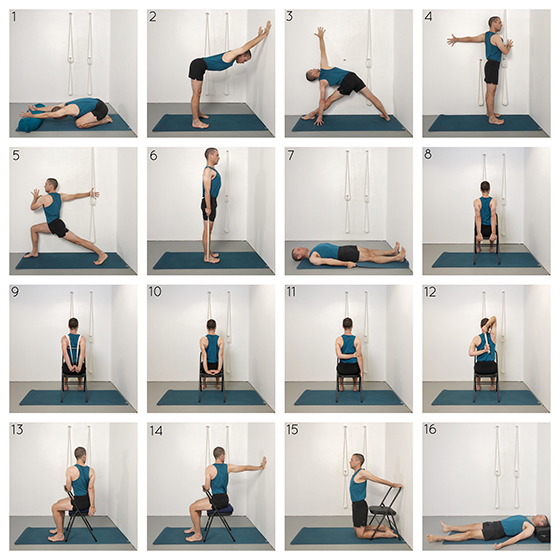
Do your shoulders feel tight or restricted? You’re not alone.
Many people experience limited shoulder flexibility, which can lead to discomfort and even impact daily activities. What if you could unlock a greater range of motion and enjoy the freedom of movement you deserve? Yoga offers powerful techniques to enhance shoulder flexibility, and you’ll discover how to incorporate these practices into your routine.
Imagine the relief and confidence you’ll gain as you move with ease and grace. Let’s delve into the yoga poses and strategies that will transform your shoulder flexibility and elevate your well-being. Don’t miss out on the opportunity to feel your best – read on to find out how!
Benefits Of Shoulder Flexibility
Yoga helps improve shoulder flexibility, enhancing movement and reducing pain. Simple poses like Downward Dog and Child’s Pose stretch shoulder muscles effectively. Regular practice increases range of motion, promoting overall joint health.
Shoulder flexibility is more than just being able to reach for an item on a high shelf or perform a perfect downward dog in yoga. It plays a crucial role in your overall physical well-being. Improving shoulder flexibility can lead to several benefits that enhance your daily life. Let’s dive into the key advantages of having flexible shoulders.
Enhanced Range Of Motion
Imagine being able to swing your arms freely without any discomfort. That’s what shoulder flexibility can do for you. It allows for a greater range of motion, making everyday activities easier and more comfortable. Whether you’re reaching for something in the backseat of your car or stretching during a workout, flexible shoulders can help you move with ease and confidence.
Injury Prevention
Have you ever experienced a shoulder strain from lifting a heavy bag or playing a sport? Shoulder flexibility can be your secret weapon in preventing such injuries. Flexible muscles and tendons are less likely to tear or strain. By incorporating shoulder stretches into your routine, you’re not just adding flexibility but also building resilience, which can save you from potential injuries.
Improved Posture
Good posture is not just about standing tall; it’s about aligning your body to prevent discomfort and pain. Flexible shoulders contribute significantly to maintaining proper posture. When your shoulders are tight, they can pull your upper body forward, leading to a hunched posture. By improving your shoulder flexibility, you encourage a more aligned and upright posture, which can alleviate back and neck pain and boost your overall confidence. In my own yoga practice, focusing on shoulder flexibility has transformed how I carry myself throughout the day. It made me realize that shoulder flexibility isn’t just a physical benefit but also a mental one. Have you ever considered how a small change, like improving shoulder flexibility, could positively impact your daily life? Why not try a few shoulder stretches today and feel the difference yourself?
Common Causes Of Shoulder Tightness
Shoulder tightness often stems from poor posture or muscle strain. Practicing yoga can enhance shoulder flexibility. Gentle stretches help relax muscles, easing discomfort and improving range of motion.
Understanding the Common Causes of Shoulder Tightness can be a game-changer in your journey to improving shoulder flexibility through yoga. Many of us experience that nagging stiffness, but do we really know why it happens? Identifying the root causes is the first step to finding effective solutions.
Sedentary Lifestyle
A sedentary lifestyle is a major contributor to shoulder tightness. If you sit for long hours, your shoulder muscles can become stiff and less flexible. Consider how much time you spend sitting each day. Is there room to add short breaks for stretching? Even just standing up and moving your arms in circles can make a difference. It’s the little actions that add up. Remember, your body thrives on movement.
Poor Ergonomics
Poor ergonomics can sneak up on you. Think about your workspace. Is your computer screen at eye level? Are your shoulders relaxed while typing? A poorly set-up workstation can lead to muscle imbalance and shoulder tension. Try adjusting your chair or desk height. Small tweaks can help your shoulders feel more at ease.
Stress And Muscle Tension
Stress is more than just a mental burden; it manifests physically too. When stressed, your muscles tense up, especially around the shoulders. Notice how your shoulders feel after a stressful day. Are they tight and elevated? Finding ways to manage stress can ease that tension. Deep breathing or a quick yoga session can be incredibly beneficial. How do you currently manage stress, and could you try something new? Addressing these causes can lead to improved shoulder flexibility. What will you change today to benefit your shoulder health?
Essential Yoga Poses
Improve shoulder flexibility with essential yoga poses. Try Downward Dog and Cow Face Pose for better range. Regular practice helps reduce stiffness and enhances mobility.
Improving shoulder flexibility can transform your yoga practice and daily life. Essential yoga poses offer a pathway to enhanced mobility, easing tension, and fostering strength. Each pose targets specific areas, providing a comprehensive approach to shoulder flexibility. Whether you’re a seasoned yogi or a beginner, these poses will guide you towards greater ease and comfort in your movements. Have you ever thought about the impact of flexible shoulders on your posture or daily activities?
Downward Facing Dog
Downward Facing Dog is more than a resting pose; it’s a dynamic stretch for your shoulders and back. Start on your hands and knees, then lift your hips, forming an inverted ‘V’ shape. Press your hands firmly into the mat, and gently push your chest towards your knees. This pose encourages shoulder opening and can alleviate tension after a long day. Feel the stretch and let your shoulders relax with each breath.
Thread The Needle
Thread the Needle offers a deep shoulder stretch and twist. Begin on all fours, then slide one arm under your body, resting your shoulder and head on the mat. Extend the opposite arm overhead for balance. This pose targets the shoulder blades and upper back, improving mobility. It’s a perfect addition to your routine if you often experience tightness. Notice how your body responds, and adjust for comfort and depth.
Cow Face Pose
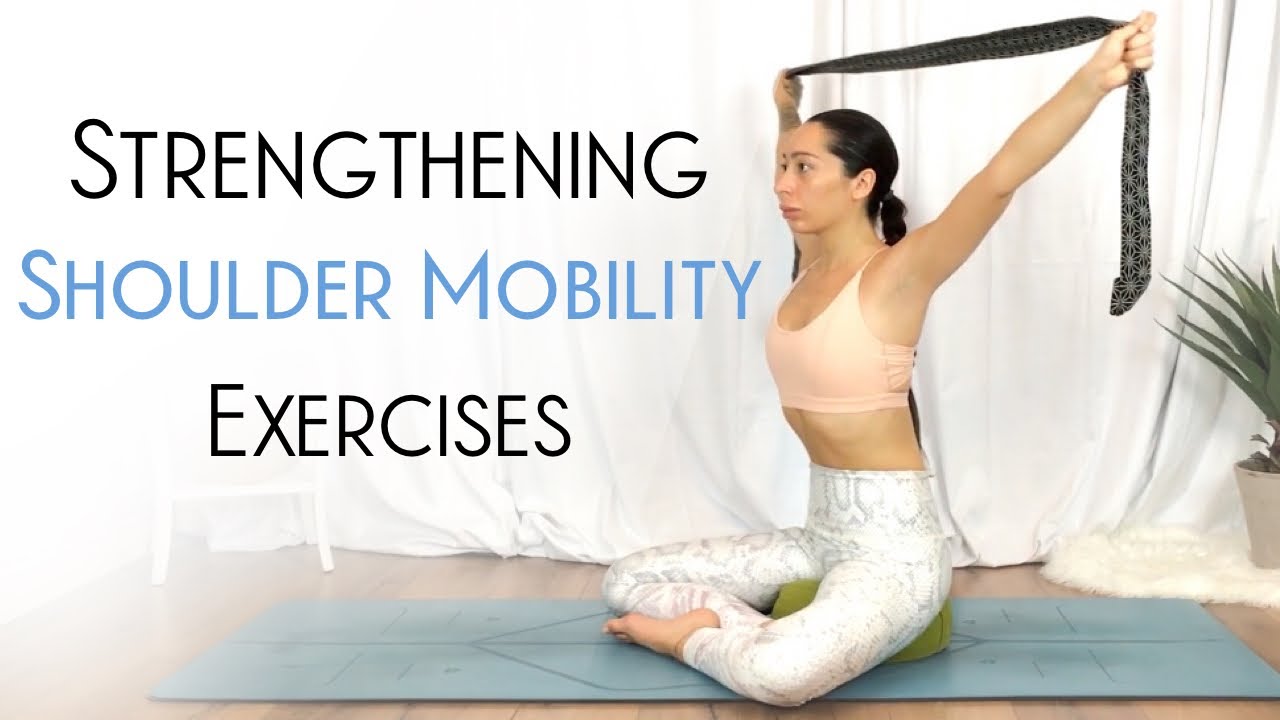
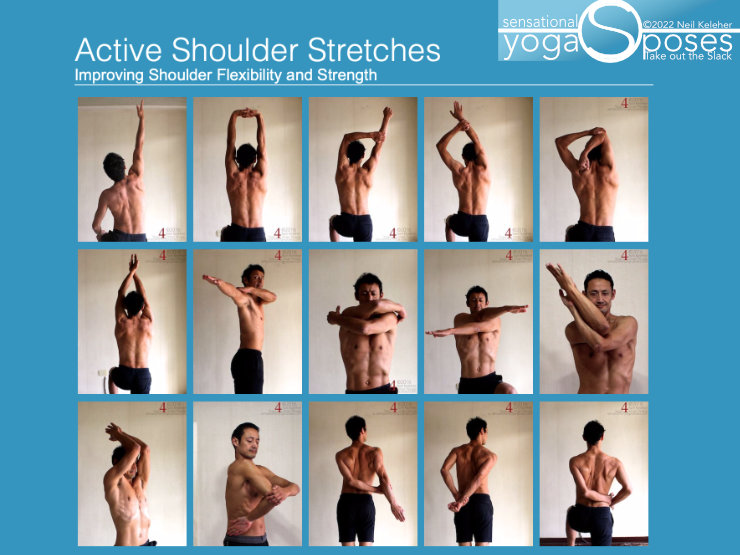
Cow Face Pose is a unique stretch for the shoulders, enhancing flexibility. Sit comfortably, then cross one arm over your shoulder and the other behind your back, trying to clasp the hands. If clasping is difficult, use a strap or towel. This pose encourages deep shoulder stretching and can improve posture over time. It’s normal to feel a challenge here, but with practice, you’ll notice significant improvements. Each pose offers distinct benefits and insights into your body’s capabilities. As you practice, you’ll discover which poses resonate with you and how they contribute to shoulder flexibility. How do these poses fit into your daily routine?
Credit: www.youtube.com
Warm-up Techniques
Improving shoulder flexibility through yoga can be a transformative experience, especially when you start with the right warm-up techniques. These practices prepare your body for more intense movements by gradually increasing blood flow to your shoulder muscles and joints. They are essential in preventing injuries and enhancing your yoga sessions. Let’s delve into two effective warm-up techniques: gentle arm circles and shoulder rolls.
Gentle Arm Circles
Begin by standing straight, feet shoulder-width apart. Extend your arms sideways at shoulder height. Slowly start making small circles with your arms, gradually increasing their size. Feel the stretch as your shoulder muscles awaken.
Try varying the direction. Forward circles activate different muscle groups than backward ones. You might be surprised at how each direction feels distinct. Notice how your shoulders start to loosen, inviting a sense of freedom and ease.
Set a timer for one minute per direction. This practice not only improves flexibility but also boosts your focus. During this minute, pay attention to the sensations in your shoulders. How does your body respond?
Shoulder Rolls
Shoulder rolls are another effective technique for loosening tight shoulder muscles. Begin by standing or sitting comfortably. Lift your shoulders towards your ears, then roll them back and down in a smooth motion.
Repeat this motion slowly for several cycles. Feel each movement as you let tension melt away. You may notice a sense of relief as stress dissipates, enhancing your overall shoulder flexibility.
Experiment with varying speeds. Slow rolls encourage mindfulness, while faster ones can invigorate. How does each approach affect your mood and readiness for yoga?
Warm-up techniques are powerful tools. They don’t just prepare your body; they engage your mind. By focusing on these simple exercises, you cultivate awareness and set the stage for a fulfilling yoga practice. What changes do you notice in your shoulder flexibility after incorporating these techniques regularly?
Breathing Exercises
Enhance shoulder flexibility with yoga by incorporating breathing exercises. Deep breaths help relax tight muscles. This increases range of motion in the shoulders. Controlled breathing also supports better posture and alignment during yoga poses. Regular practice can lead to noticeable improvements in shoulder movement and overall well-being.
Improving shoulder flexibility through yoga can be a transformative experience, and breathing exercises play a crucial role in this journey. Proper breathing enhances your focus and helps relax tight muscles, making stretches more effective. When I started yoga, learning to breathe correctly was a game-changer. It made my shoulder stretches more efficient and less painful. Now, you can achieve the same benefits by incorporating these specific breathing techniques into your routine.
Deep Diaphragmatic Breathing
Deep diaphragmatic breathing is a simple yet powerful technique. It involves breathing deeply into your diaphragm rather than shallowly into your chest. To practice, lie down comfortably and place one hand on your chest and the other on your belly. Inhale deeply through your nose, ensuring your belly rises more than your chest. This type of breathing encourages relaxation, allowing your shoulder muscles to release tension. Try doing this for five minutes daily. Notice how your shoulders feel more relaxed and flexible over time. Remember, consistency is key.
Alternate Nostril Breathing
Alternate nostril breathing, or Nadi Shodhana, is another effective technique. It balances the left and right sides of your brain, promoting harmony and relaxation. Sit comfortably with your spine straight. Use your thumb to close your right nostril and inhale slowly through your left. Close your left nostril with your ring finger and exhale through your right. Continue this pattern, inhaling through the nostril you just exhaled from. Practice this for a few minutes each day. Feel the calming effect it has on your mind and body. As your stress levels decrease, your shoulder flexibility will naturally improve. Are you ready to enhance your shoulder flexibility with these breathing exercises? Remember, patience and practice will lead to progress.
Credit: www.sensational-yoga-poses.com
Use Of Props
Props like yoga blocks or straps enhance shoulder flexibility during yoga practice. They support proper alignment and deepen stretches safely. By incorporating props, individuals can gradually improve their range of motion, making poses more accessible and comfortable.
Improving shoulder flexibility through yoga can be a transformative journey, allowing you to move with ease and comfort in daily activities. One effective way to enhance your practice is by using props. These tools provide support and enable deeper stretches, making poses more accessible and impactful. You might find that incorporating props not only boosts your flexibility but also increases your confidence in each pose. So, why not explore how yoga blocks and straps can become your new best friends on the mat?
Yoga Blocks
Yoga blocks are versatile tools that help elevate your practice. They can bring the ground closer to you, reducing strain and allowing you to hold poses longer. Imagine trying to reach your toes in a forward bend; a block can bridge the gap, ensuring you maintain proper alignment and avoid overstretching. Blocks also help you deepen stretches. In shoulder poses like the bridge, placing a block under your hips can encourage a higher lift, giving your shoulders more room to stretch and expand. Experiment with different heights and positions to find what works best for your body. Have you ever felt stuck in a pose, unsure how to push further without risking injury? A block might be the missing piece. By providing stability, it lets you explore new depths safely. Why not give it a try and see how it transforms your practice?
Straps For Stretching
Straps are another fantastic prop for improving shoulder flexibility. They extend your reach, helping you stretch beyond your usual limits without compromising form. If you struggle with poses like the cow face, where hands meet behind your back, a strap can be a game-changer. Using a strap allows you to gradually increase your stretch. Loop it around your feet in a seated forward bend, and pull gently to deepen the stretch. The gradual tension helps you safely extend your range, building flexibility over time. Ever wondered how to maintain a consistent practice even with tight shoulders? Straps can help. They offer support, enabling you to hold challenging poses longer. This consistency fosters improved flexibility, making tough poses seem easier each session. Have you tried using props in your yoga practice yet? They might be the key to unlocking new levels of shoulder flexibility and comfort.
Consistency And Progress
Improving shoulder flexibility through yoga requires regular practice and dedication. Simple poses like the cat-cow stretch and child’s pose help loosen tight muscles. Gradual progress in these exercises can lead to improved flexibility and relief from tension.
Consistency is key to improving shoulder flexibility through yoga. Regular practice helps develop muscle memory and strength. Progress may seem slow, but each session contributes to gradual improvement. The combination of dedication and patience pays off. Seeing small improvements can be highly motivating.
Daily Practice Routine
A consistent daily routine boosts shoulder flexibility. Short sessions can be effective. Include poses like Downward Dog and Child’s Pose. These poses stretch and strengthen shoulder muscles. Start with 10 minutes each day. Gradually increase duration as flexibility improves. It’s important to listen to your body. Avoid pushing too hard to prevent injuries.
Tracking Improvements
Track your progress to stay motivated. Keep a yoga journal. Record how your shoulders feel after each session. Note any increased range of motion or reduced tension. Take photos or videos to compare over time. Seeing tangible progress can encourage continued practice. Adjust your routine based on these observations. This helps tailor your practice to your specific needs.

Credit: blog.yogawithkassandra.com
Expert Tips For Safe Practice
Improving shoulder flexibility through yoga involves consistent practice and attention to form. Focus on gentle stretches, like the child’s pose, to safely increase range of motion. Always listen to your body and avoid overextending to prevent injury.
Improving shoulder flexibility through yoga can be a rewarding journey, but it’s essential to practice safely to avoid injury. Expert guidance can help you navigate this path with confidence, ensuring that your yoga routine not only enhances flexibility but also promotes overall well-being. Let’s delve into some practical tips that will help you practice safely and effectively.
Listening To Your Body
It’s crucial to tune into what your body is telling you during yoga practice. Each day your physical condition might vary; some days you might feel more flexible, while on others, your muscles could be tighter. Trust your instincts—if something feels uncomfortable or painful, ease out of the pose and try a different approach. Once, during a yoga class, I pushed myself too hard in a shoulder stretch, ignoring the subtle discomfort. The result was a sore shoulder for days. This taught me the importance of respecting my body’s signals. Are you aware of the signs your body shows when it’s time to stop? Understanding these cues can prevent injuries and enhance your practice.
Avoiding Overstretching
Overstretching can lead to strains and injuries, hindering your progress. It’s tempting to reach for deeper stretches, but it’s vital to maintain control and avoid pushing beyond your limits. Use props like yoga blocks or straps to assist in achieving the pose without forcing your body. Consider setting a small goal for each session. Gradually increase your flexibility over time rather than trying to achieve it all at once. This approach ensures steady progress and reduces the risk of overstretching. Think about how you can adapt poses to suit your current flexibility level. This mindset fosters a sustainable and safe yoga practice. Remember, yoga is a personal journey, and it’s about finding what works best for you. By practicing mindfully and respecting your body’s boundaries, you can safely improve your shoulder flexibility and enjoy the benefits yoga has to offer.
Frequently Asked Questions
Can Yoga Improve Shoulder Mobility?
Yes, yoga can enhance shoulder mobility. It incorporates stretches and poses that increase flexibility and strength. Regular practice helps reduce stiffness and improve range of motion. Yoga also promotes better posture, which can further aid shoulder mobility. Consistency is key for noticeable improvements.
Can Shoulder Flexibility Be Improved?
Yes, shoulder flexibility can be improved. Regular stretching, strengthening exercises, and yoga can enhance flexibility. Consistent practice and proper technique are key.
How To Widen Shoulders In Female Yoga?
Practice yoga poses like Downward Dog, Plank, and Dolphin Pose. These strengthen shoulder muscles. Consistent practice enhances flexibility and broadens shoulders. Maintain proper posture and breathing for effective results.
Can Yoga Correct Rounded Shoulders?
Yes, yoga can help correct rounded shoulders. Practicing poses like cat-cow, chest openers, and downward dog improves posture. Yoga strengthens back muscles and increases flexibility. Regular practice aligns the spine and shoulders. It’s effective for long-term posture correction and overall well-being.
Conclusion
Improving shoulder flexibility takes time and patience. Practice yoga regularly. Focus on gentle stretches. Listen to your body. Avoid pushing too hard. Consistency is key. Over time, you’ll notice progress. Your shoulders will feel less tight. Yoga helps in many ways.
It enhances flexibility and strength. Plus, it improves posture. Better flexibility leads to less discomfort. You’ll feel more relaxed. Enjoy your yoga journey. Celebrate small wins. Keep moving forward. Achieve better shoulder flexibility gradually. Your dedication will pay off. Remember to breathe deeply.
Stay calm and focused. Let your body adapt naturally. Happy stretching!
