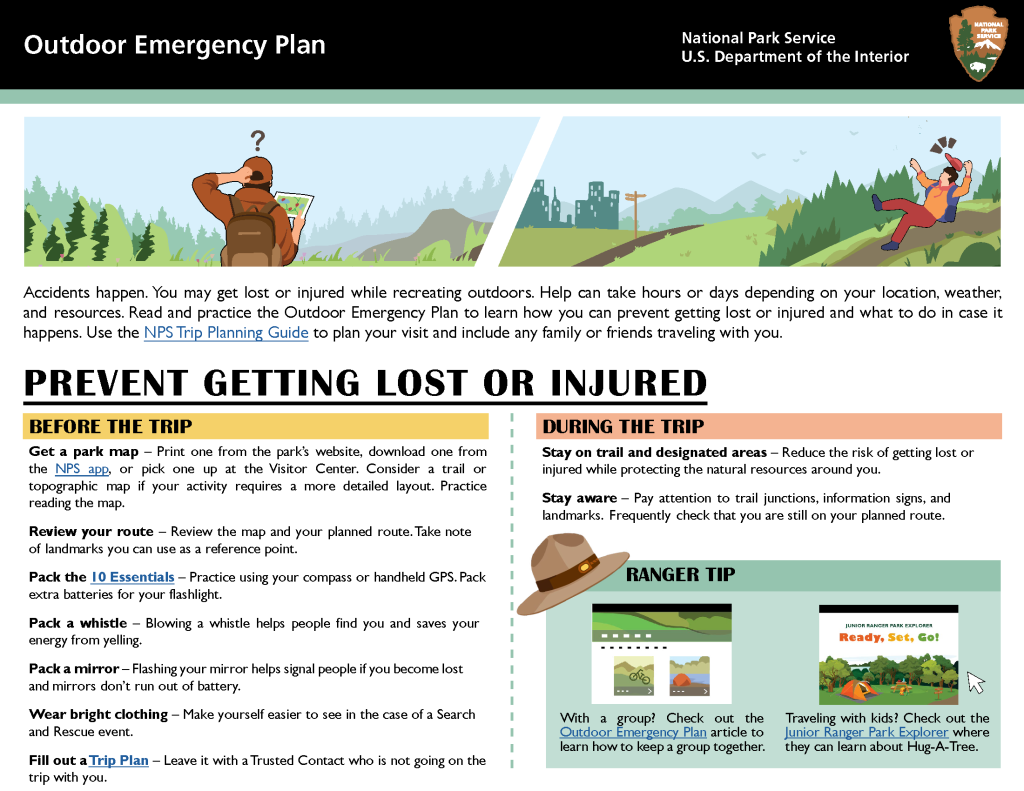
Imagine your child running freely under the sun, laughter echoing as they explore the great outdoors. It’s a beautiful sight, isn’t it?
Outdoor play is essential for your child’s growth and happiness. Yet, as a parent, you know the heart-stopping moment when your little explorer trips or tumbles. But fear not; there’s a way to keep those smiles intact without constant worry.
In this guide, you’ll discover practical tips to prevent outdoor injuries and effective ways to treat them if they occur. With a mix of fun and safety, you can ensure your child enjoys every adventure without unnecessary risks. Dive in, and learn how to make your backyard a haven for happy, safe play.
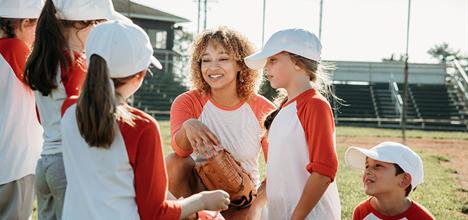
Credit: www.healthychildren.org
Common Outdoor Injuries In Kids
Outdoor play often leads to scrapes, bruises, and sprains for kids. Prevent injuries with safe play areas and protective gear. Treat minor wounds with gentle cleaning and bandages to ensure quick healing.
Children love playing outdoors. They get fresh air and explore nature. But outdoor fun can lead to injuries. Kids often get hurt while running or climbing. Parents should know common injuries. This helps prevent and treat them.
Falls And Scrapes
Falls are common when kids play. Running and jumping are fun but risky. Kids fall and scrape knees or elbows often. Playgrounds have uneven surfaces. Concrete can be harsh. Wearing knee and elbow pads can help. Teach kids to be careful.
Sunburns And Heat Exhaustion
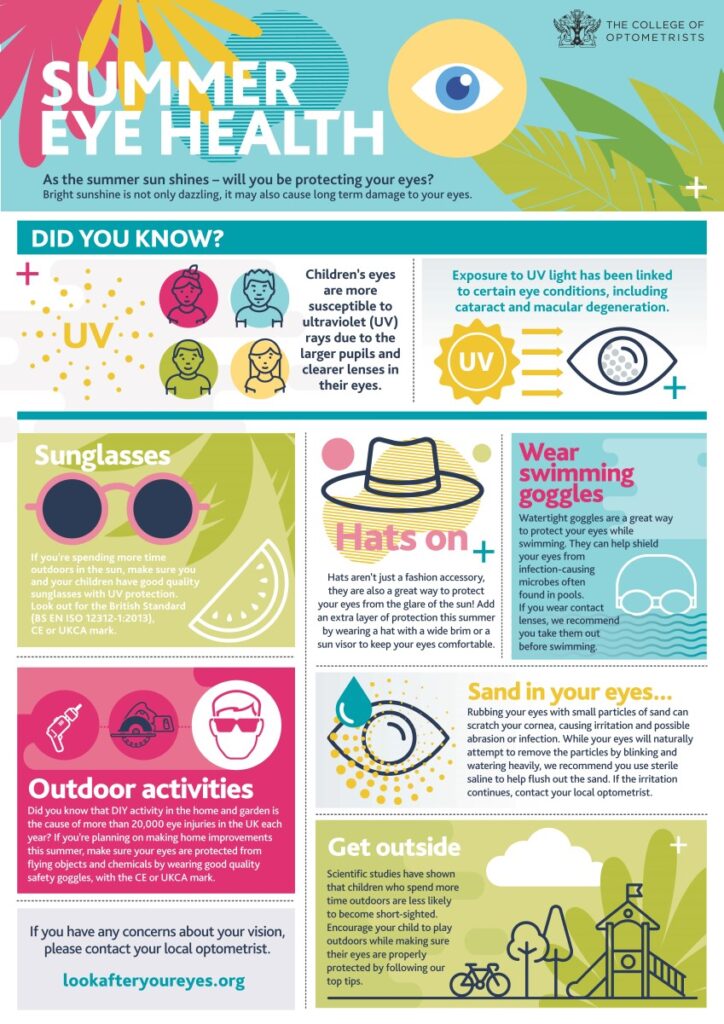
Sunny days are great for play. But sunburns can hurt. Kids forget to drink water while playing. They get heat exhaustion. Apply sunscreen before going out. Use hats and sunglasses. Make sure kids drink water often.
Bug Bites And Stings
Insects are part of nature. Kids often get bitten or stung. Mosquitoes, bees, and ants are common. Bug bites itch and swell. Use insect repellent before playing. Teach kids not to disturb bees. Watch for allergic reactions.
Poison Ivy And Allergic Reactions
Poison ivy grows in many places. Kids get rashes by touching it. Teach kids to recognize its leaves. Wearing long sleeves and pants helps. Wash skin with soap after contact. Watch for allergic reactions. Seek medical help if rash worsens. Outdoor play is fun but can be risky. Knowing common injuries helps keep kids safe. Parents can prevent and treat injuries effectively.
Preventive Measures For Outdoor Activities
Outdoor fun can lead to injuries if precautions aren’t taken. Ensure kids wear protective gear like helmets and knee pads. Teach them to recognize hazards and follow safety rules to minimize risks.
Outdoor activities are essential for kids’ growth and happiness. They boost physical health and social skills. But outdoor play brings risks of injuries. Proper planning and safety measures help prevent mishaps. Parents can ensure their children’s safety with simple steps. Here are some effective preventive measures for outdoor activities.
Protective Gear And Clothing
Kids should wear proper protective gear during outdoor play. Helmets protect against head injuries during biking or skating. Kneepads and elbow pads guard against scrapes and bruises. Choose clothing that covers and protects skin. Long sleeves and pants can prevent scratches and insect bites. Bright colors make kids visible in crowded areas.
Safe Play Area Setup
Ensure the play area is safe and suitable for kids. Remove hazards like sharp objects or broken equipment. Check the ground for a soft landing surface. Grass, sand, or rubber mats can cushion falls. Ensure playground equipment is sturdy and well-maintained. Keep play areas clean and organized.
Hydration And Sun Protection
Keep kids hydrated during outdoor activities. Encourage frequent water breaks, especially in hot weather. Use sunscreen to protect their skin from harmful UV rays. Apply sunscreen 30 minutes before going outside. Reapply every two hours or after swimming. Provide hats and sunglasses for extra sun protection.
Supervision And Safety Rules
Always supervise children during outdoor play. Stay close to guide and intervene if necessary. Set clear safety rules and explain their importance. Teach kids to avoid dangerous areas and activities. Encourage them to communicate if they feel unsafe. Reinforce rules with gentle reminders and praise for safe behavior.
Immediate Treatment For Minor Injuries
Quick attention is vital for outdoor injuries in kids. Clean wounds gently with water and apply antiseptic. Cover with a bandage to protect the area and reduce infection risk.
Immediate treatment for minor injuries is crucial when kids are playing outdoors. Whether it’s a scraped knee or a bug bite, knowing how to respond can make all the difference. Quick and proper care not only eases discomfort but also prevents further complications.
Cleaning And Dressing Wounds
Start by gently cleaning the wound with warm water and mild soap. This simple step removes dirt and bacteria, minimizing the risk of infection. Pat the area dry with a clean towel and apply a small amount of antiseptic ointment. Cover the wound with a breathable bandage to protect it from further harm.
Cooling And Hydrating For Sunburns
Sunburns can happen before you know it, especially during outdoor play. Applying cool compresses to the affected area can bring immediate relief. Encourage your child to drink plenty of water to help rehydrate their skin from the inside out. Aloe vera gel is also an excellent remedy to soothe and heal sunburned skin.
Managing Insect Bites
Insect bites can be itchy and annoying, but they’re usually not serious. Wash the bite with soap and water to clean it. Apply a cold pack to reduce swelling and alleviate itching. Calamine lotion or hydrocortisone cream can be used to further ease irritation. Remind your child not to scratch the bite, as this can lead to infection.
Handling Allergic Reactions
Allergic reactions can be unpredictable. If your child experiences mild symptoms such as a rash or itching, an oral antihistamine can help. Monitor them closely for any signs of worsening, like difficulty breathing or swelling. In severe cases, seek medical attention immediately. Keep an epinephrine auto-injector on hand if your child has known allergies. Being prepared and informed can turn a potentially stressful situation into a manageable one. What’s your go-to method for treating minor injuries?

Credit: www.pinterest.com
When To Seek Professional Help
Professional help is vital when outdoor injuries for kids become severe or persistent. Serious wounds, fractures, or head injuries require immediate medical attention to prevent complications. Always prioritize a child’s well-being by consulting experts for proper care and guidance.
When kids play outside, they might get hurt. Knowing when to seek professional help is crucial for their well-being. Some injuries need immediate attention. Identifying these can prevent complications.
Recognizing Severe Injuries
Severe injuries often involve broken bones or deep cuts. Observe if your child can’t move a limb. If there’s heavy bleeding, seek help right away. Head injuries can be dangerous. If your child loses consciousness, call a doctor immediately.
Signs Of Infection
Infections can develop after minor injuries. Look for redness or swelling around a wound. If your child has a fever, it might be an infection. Pus draining from a cut is another sign. If you notice these, consult a healthcare professional.
Persistent Pain Or Swelling
Pain that doesn’t go away could be serious. Swelling that persists might indicate an underlying issue. If your child complains of pain days after an injury, get medical advice. This can prevent long-term problems.
Emergency Situations
Some situations require immediate attention. Difficulty breathing needs urgent care. Severe allergic reactions are emergencies. If your child is unconscious, call emergency services. Quick action can be life-saving.
Expert Advice On Outdoor Safety
Keeping kids safe outdoors involves proactive steps. Teach them to wear helmets, proper footwear, and sunscreen. Learn basic first aid to handle minor cuts and bruises effectively.
Outdoor play is vital for children’s development, offering them a chance to explore, learn, and grow. However, ensuring their safety while they enjoy the great outdoors is crucial. Balancing fun with safety can be challenging, but with expert advice, you can keep your child safe and sound. Let’s dive into some practical strategies and insights to prevent and treat outdoor injuries for kids.
Pediatrician Insights
Pediatricians recommend regular check-ups to assess your child’s physical readiness for outdoor activities. Consider discussing your child’s activity level and any specific health concerns with their doctor. They might suggest ways to build your child’s physical strength or balance to prevent falls and injuries. Have you ever wondered if your child’s shoes are affecting their ability to run safely? Consult your pediatrician for insights.
First Aid Training
Basic first aid training can be invaluable. Knowing how to treat minor cuts or bruises can make a big difference in your response time and effectiveness. Consider enrolling in a local first aid course to equip yourself with essential skills. Would you know what to do if your child sprained an ankle during play? Having a first aid kit handy is also a smart move, ensuring you’re prepared for any minor mishap.
Safety Gear Recommendations
Invest in proper safety gear like helmets, knee pads, and elbow pads, especially for activities like biking or skateboarding. Choose gear that fits well and is comfortable for your child to wear. Are you aware of the latest advancements in protective gear? Consider involving your child in choosing their gear, making them more likely to wear it consistently.
Community Resources
Your community can be a great resource for outdoor safety. Check for local organizations that offer safety workshops or outdoor activity clubs. These can provide valuable information and a supportive environment for both you and your child. Have you explored what your local parks and recreation department offers? Engage with other parents to share tips and experiences, creating a network of safety-conscious families.
Credit: lookafteryoureyes.org
Frequently Asked Questions
What Else Can You Do To Prevent Injuries When Children Are Outside?
Ensure children wear appropriate gear like helmets and pads. Supervise playtime closely and choose safe play areas. Establish clear rules for outdoor activities. Teach kids about traffic safety and stranger awareness. Regularly inspect play equipment for damage or hazards.
How To Prevent And Treat Outdoor Injuries?
Wear protective gear, stay hydrated, and warm up before activities to prevent injuries. For treatment, clean wounds, apply ice, and rest injured areas. Seek medical attention for severe injuries.
How To Prevent Sports Injuries In Children?
Ensure proper warm-up and stretching before activities. Use appropriate gear for the sport. Encourage hydration and balanced nutrition. Monitor playtime to avoid overuse. Teach safe techniques and supervision.
How Can Child Injuries Be Prevented?
Ensure child safety by using car seats, installing safety gates, and keeping hazardous items out of reach. Educate children about safety rules, supervise play, and provide a safe environment. Regularly inspect playground equipment and ensure proper sports gear use. Prioritize safety to prevent injuries effectively.
Conclusion
Outdoor play is fun, but kids can get hurt. Safety steps help. Teach kids about risks. Use protective gear like helmets. Watch them closely while they play. Treat injuries quickly. Clean cuts and scrapes right away. Apply ice for swelling.
Keep a first aid kit handy. Visit a doctor if needed. Kids learn and grow through play. Safety lets them enjoy it more. Parents and guardians play a big role. Keep kids safe. Enjoy outdoor adventures together. It’s worth the effort.
