Are you tired of dealing with nagging calf muscle injuries that keep you from enjoying your favorite activities? Whether you’re an athlete or someone who enjoys a daily walk, calf injuries can be both frustrating and painful.
The good news is, preventing these injuries is simpler than you might think. You’ll discover practical tips and proven strategies to keep your calf muscles strong and injury-free. Imagine moving with ease and confidence, knowing that you’ve taken the right steps to protect your legs.
Dive in to learn how you can safeguard your mobility and enhance your performance. Your journey to injury-free living starts right here!
Credit: www.airforcemedicine.af.mil
Understanding Calf Muscle Injuries
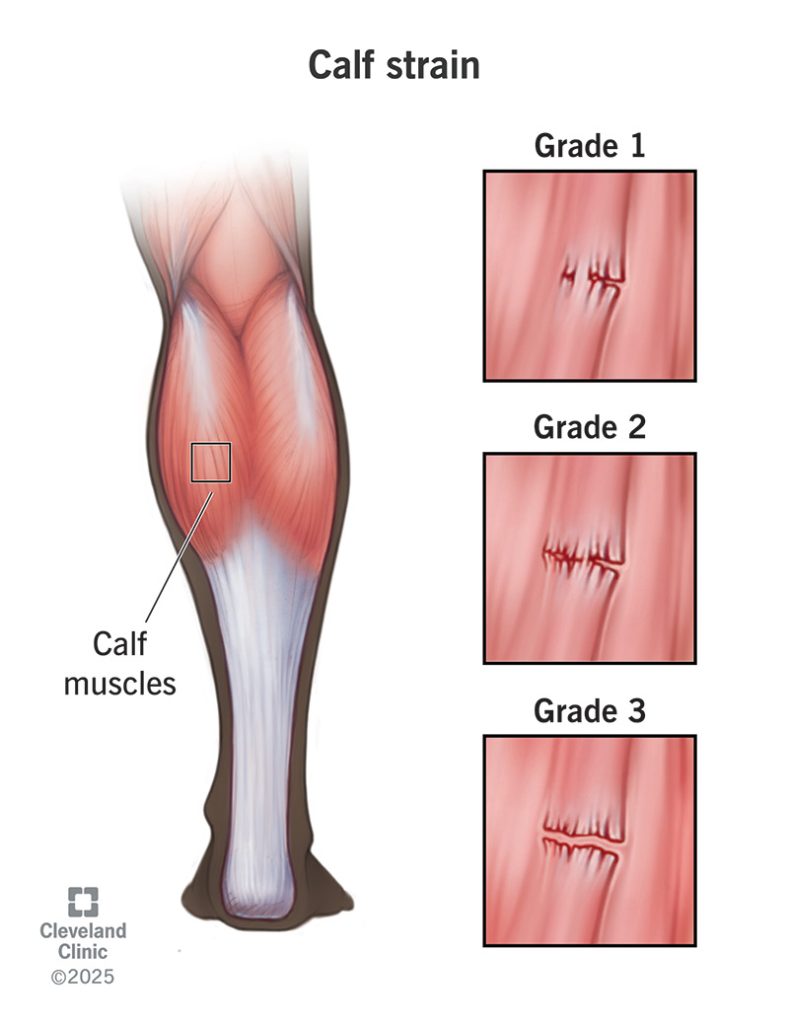
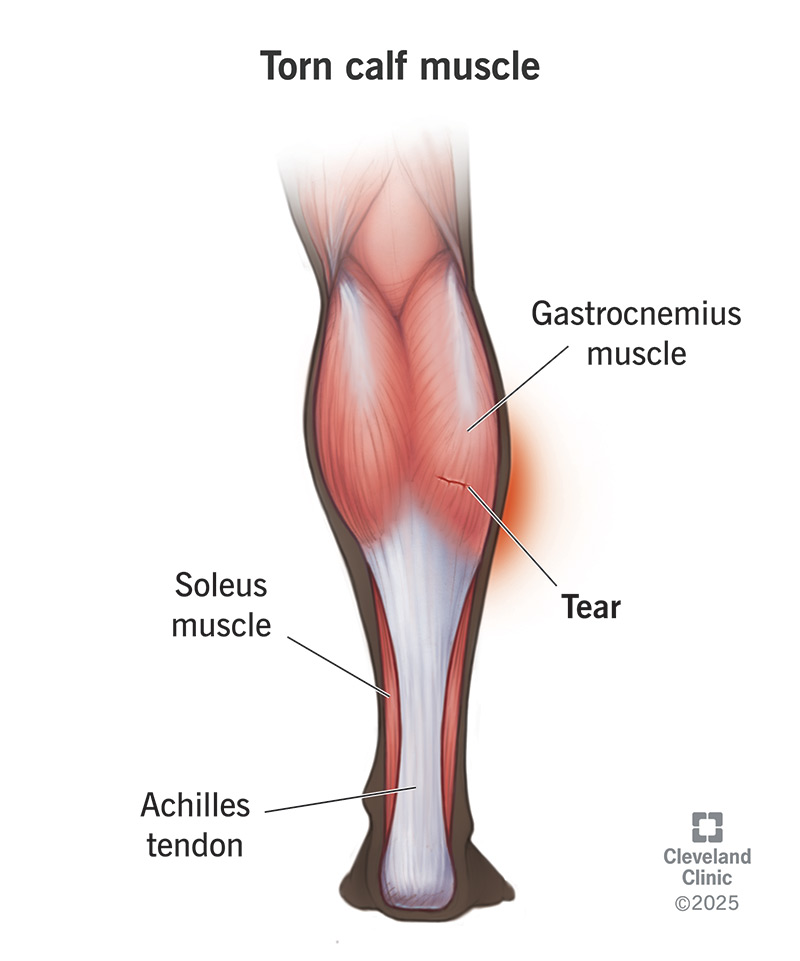
Calf muscle injuries can disrupt daily activities and athletic performance. Understanding these injuries helps in prevention and management. The calf consists of two main muscles: the gastrocnemius and the soleus. Injuries can vary from mild strains to severe tears. Knowing the causes and symptoms aids in early intervention.
Common Causes
Calf muscle injuries often result from sudden movements. Quick changes in direction or speed can strain the muscles. Poor warm-up routines increase injury risk. Inadequate stretching reduces muscle flexibility. Incorrect footwear can also contribute. It’s crucial to wear supportive shoes. Overuse from intense training leads to fatigue. Fatigued muscles are more prone to injury.
Symptoms To Watch For
Recognizing symptoms early can prevent worsening. Pain or tenderness in the calf is a common sign. Swelling may accompany the pain. Bruising can appear after a severe injury. Difficulty standing or walking indicates a problem. A popping sensation may occur during injury. Stiffness in the calf muscle can develop. If symptoms persist, consult a healthcare professional.
Importance Of Warm-up Exercises
Warm-up exercises play a crucial role in preventing calf muscle injuries. They prepare your muscles for activity, increase blood flow, and enhance flexibility. Skipping this step can leave your muscles stiff and prone to strains.
Dynamic Stretching
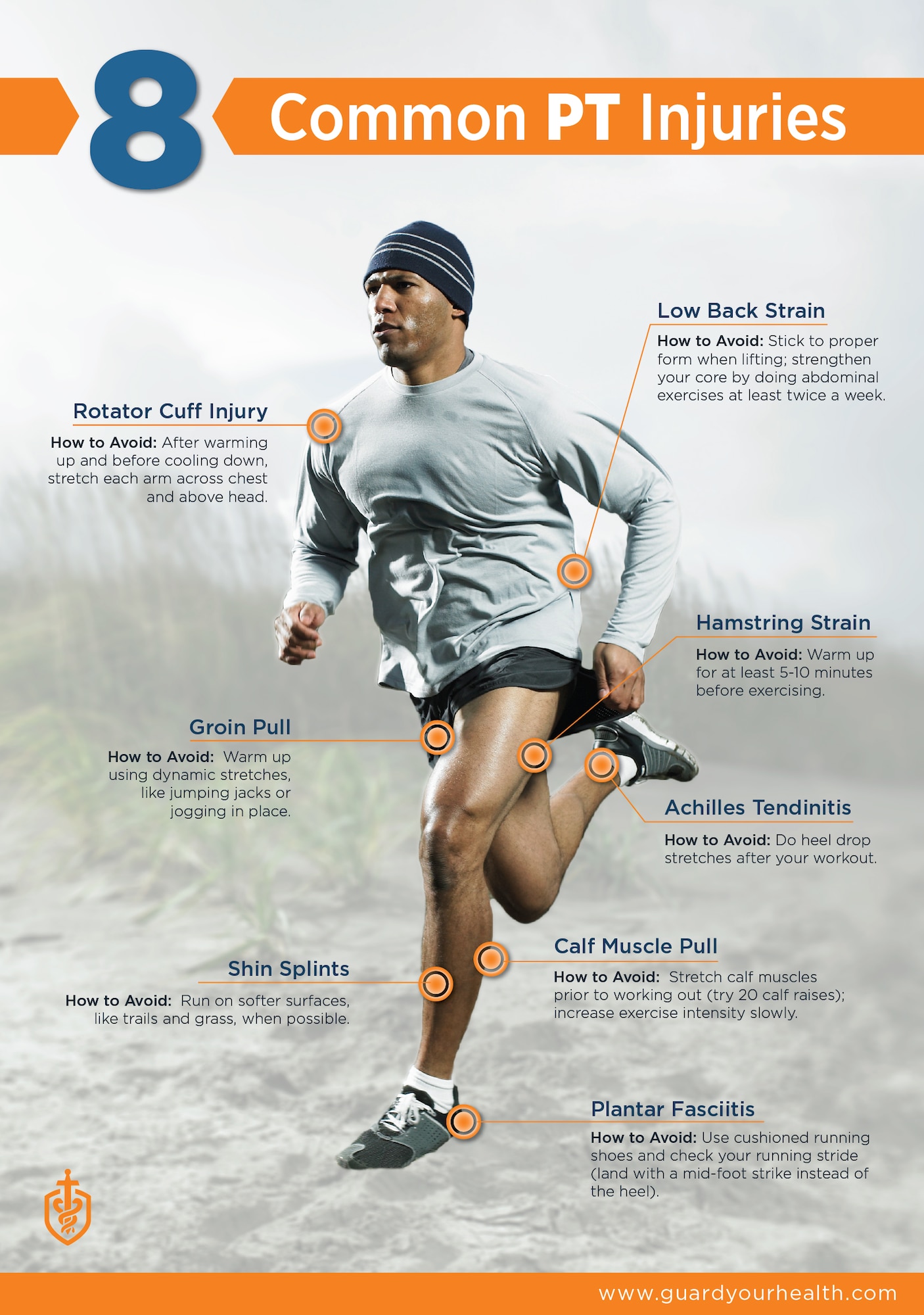
Dynamic stretching involves active movements that stretch your muscles without holding the position. These stretches improve your range of motion and prepare your muscles for more intense activity. Consider adding leg swings or high knees to your routine to gently awaken your calf muscles.
I once ignored dynamic stretching before a soccer game and paid the price with a sore calf the next day. Don’t make the same mistake. Incorporate movements that mimic your workout to give your muscles a heads-up.
Muscle Activation Techniques
Muscle activation techniques focus on engaging the muscles you’ll use during your workout. By doing so, you ensure that your muscles are ready to support your body effectively. Simple exercises like calf raises or toe walks can activate your calf muscles.
Have you ever tried starting a workout only to feel like your muscles are lagging behind? Muscle activation can prevent this sluggish start. Spend a few minutes activating your calves and notice the difference in your performance.
Next time you prepare for exercise, remember the importance of warming up. Your calves will thank you later.
Effective Strengthening Exercises
Strengthening exercises can help prevent calf muscle injuries. Stretch regularly to keep muscles flexible and strong. Incorporate calf raises and seated calf presses into your routine to build endurance and stability.
When it comes to preventing calf muscle injuries, strengthening exercises play a crucial role. These exercises not only help in building muscle endurance but also enhance flexibility. You might be surprised to find that with a few simple routines, you can significantly reduce your risk of injury. Whether you’re an athlete or someone who enjoys a casual walk, integrating these exercises into your routine can make a noticeable difference. Let’s dive into some practical and effective strengthening exercises that you can start today.
Calf Raises
Calf raises are an excellent exercise for strengthening your calf muscles. Stand tall with your feet hip-width apart and slowly raise your heels off the ground. Hold the position for a moment before lowering them back down. You can do this on a flat surface or add a challenge by using a step. This exercise targets the gastrocnemius and soleus muscles, which are vital for stable and strong calves. Consider adding weights for extra resistance, but ensure your form remains steady. How does your balance improve with regular practice?
Seated Calf Stretch
A seated calf stretch is perfect for increasing flexibility in your calf muscles. Sit down with your legs extended in front of you. Wrap a towel or a resistance band around the ball of your foot and gently pull it towards you. Keep your knee straight and hold the stretch for about 20-30 seconds. This stretch is particularly helpful after a workout session. It can relieve tension and promote better recovery. How often do you take the time to stretch, and have you noticed the impact on your daily activities? Adding this simple stretch can pave the way for healthier, more resilient calves.
Credit: my.clevelandclinic.org
Role Of Proper Footwear
Choosing the right footwear helps prevent calf muscle injuries by providing proper support and cushioning. Shoes with good arch support reduce strain on calf muscles during activities. Ensure a snug fit to avoid unnecessary movement and potential injury.
Proper footwear plays a crucial role in preventing calf muscle injuries. The right shoes can provide the necessary support and cushioning, reducing strain on your calf muscles during activities. Wearing the wrong footwear, however, can lead to misalignment, increased tension, and ultimately injuries. So, how can you choose the best shoes to keep your calves safe?
Choosing The Right Shoe
Selecting the right shoe isn’t just about fashion; it’s about function and fit. Look for shoes that offer good arch support, as this helps distribute weight evenly across your foot. Check the flexibility of the sole — it should bend easily at the ball of the foot. This flexibility allows your foot to move naturally, reducing stress on your calves. Another tip is to consider the activity you’re engaging in. Running shoes are designed differently from walking shoes, and using the wrong type can increase your risk of injury. Think about your needs and choose accordingly.
Benefits Of Custom Insoles
Custom insoles can be a game-changer when it comes to preventing calf injuries. These insoles are tailored to fit the unique contours of your feet, offering personalized support and cushioning. They can help correct any imbalances or misalignments, providing extra stability. Imagine if you’ve ever felt discomfort or pain after a long day of walking or running. Custom insoles can alleviate such issues by ensuring your foot stays properly aligned. This added support can significantly reduce the pressure on your calf muscles, making activities more comfortable. Have you ever considered investing in custom insoles? They might be the key to keeping your calves injury-free, providing a simple yet effective solution tailored just for you.
Maintaining Flexibility
Maintaining flexibility helps prevent calf muscle injuries by keeping muscles loose and limber. Stretch regularly, focusing on calves. Incorporate dynamic exercises like heel raises and gentle yoga poses to enhance range of motion.
Maintaining flexibility is crucial for preventing calf muscle injuries. Flexible muscles endure stress better and recover faster. Regular stretching keeps the muscles supple and less prone to tears. Stretching also improves blood flow, aiding in muscle recovery.
Regular Stretching Routines
Incorporate calf stretches into your daily routine. Simple exercises can make a big difference. Try standing a few feet from a wall. Place your hands on the wall at shoulder height. Step one foot back, keeping the heel on the ground. Bend the front knee, feeling the stretch in the back leg. Hold for 20 seconds. Repeat with the other leg. Do this stretch twice a day for optimal results.
Yoga For Calf Muscles
Yoga enhances flexibility and strengthens muscles. Focus on poses that target the calves. Downward Dog is effective. Start on your hands and knees. Lift your hips, forming an inverted V shape. Press your heels toward the floor. Feel the stretch in your calves. Hold for 30 seconds. Another helpful pose is Warrior I. Stand with one leg forward and the other extended back. Bend the front knee, keeping the back leg straight. Stretch your arms overhead. This pose strengthens and stretches the calves. Practice these yoga poses regularly to maintain flexibility and prevent injuries.
Injury Prevention Techniques
Stretching before exercise keeps calf muscles flexible. Gradually increasing workout intensity prevents strain. Wearing proper footwear supports foot alignment and reduces injury risk.
Injury Prevention Techniques are essential for maintaining healthy calf muscles. They help reduce the risk of strains and other injuries. By adopting the right strategies, you can keep your muscles strong and flexible. Here, we will explore some effective methods to prevent calf injuries.
Progressive Training Methods
Gradually increase the intensity of your workouts. This allows your muscles to adapt and grow stronger. Start with low-impact exercises before moving to more challenging routines. Include strength training in your weekly schedule. It builds endurance and reduces injury risks. Focus on exercises that target the calf muscles. Consistency is key, so maintain a regular workout pattern.
Listening To Your Body
Pay attention to any signs of discomfort or fatigue. Rest if you feel pain or unusual tightness. This helps prevent overuse injuries. Warm up before starting your exercise routine. It prepares your muscles for physical activity. Stretching after workouts is equally important. It promotes flexibility and aids in recovery. Stay hydrated to support muscle function and overall health.
Importance Of Rest And Recovery
Rest and recovery are crucial for preventing calf muscle injuries. Muscles need time to repair and strengthen after exercise. Ignoring this can lead to strain and injury. Proper recovery helps maintain muscle health and performance. It allows muscles to rebuild and adapt to stress. This reduces the risk of injuries and improves overall fitness.
Recognizing Overtraining
Overtraining occurs when muscles don’t get enough rest. It’s important to recognize its signs early. Feeling constantly tired or experiencing muscle soreness can indicate overtraining. Reduced performance and motivation are also common signs. Listen to your body and know when to slow down. Rest is essential for recovery and preventing injuries.
Effective Recovery Strategies
Adopt recovery strategies to keep your muscles healthy. Here are a few methods:
- Rest Days:Include regular rest days in your training schedule.
- Stretching:Stretch after workouts to ease tension and improve flexibility.
- Hydration:Drink plenty of water to support muscle repair.
- Balanced Diet:Eat nutrients that aid in muscle recovery.
- Sleep:Ensure adequate sleep for optimal recovery.
These strategies help in reducing muscle fatigue. They aid in faster recovery and minimize injury risks.
Seeking Professional Help
Calf muscle injuries can be debilitating. Seeking professional help is crucial for effective recovery. Expert guidance ensures proper treatment and prevention strategies. Consulting a physiotherapist provides personalized care and support.
When To Consult A Physiotherapist
Consult a physiotherapist if pain persists after rest and self-care. Swelling that does not improve needs professional evaluation. Difficulty walking or bearing weight signals a serious injury. A physiotherapist can assess and diagnose the condition accurately.
Early intervention prevents further damage. Professional advice helps tailor exercises for recovery. A trained physiotherapist will guide you through strengthening exercises. This reduces the risk of future injuries.
Benefits Of Regular Check-ups
Regular check-ups with a physiotherapist maintain muscle health. They identify minor issues before they become major injuries. Consistent monitoring helps adjust exercise routines as needed. This ensures your muscles stay strong and flexible.
Regular visits also provide motivational support. Physiotherapists offer valuable tips for muscle care. They educate on proper techniques and posture. This knowledge empowers you to prevent injuries effectively.
Credit: www.youtube.com
Frequently Asked Questions
How To Avoid Calf Muscle Injury?
Warm up before exercise to prepare your muscles. Stretch regularly to increase flexibility. Maintain hydration to prevent cramps. Gradually increase workout intensity to avoid strain. Wear proper footwear for support and balance.
Why Do I Keep Injuring My Calf Muscle?
Calf muscle injuries may result from overuse, poor warm-up, tight muscles, or improper footwear. Strengthen and stretch regularly, and ensure proper technique and equipment. Consult a doctor if the problem persists.
How Do I Strengthen My Calves To Avoid Strains?
Strengthen your calves by doing exercises like calf raises and seated calf presses. Stretch regularly to improve flexibility. Include resistance training and balance exercises in your routine. Stay hydrated and maintain proper footwear to prevent strains. Consistency is key for strong, strain-free calves.
Do Calf Sleeves Help Prevent Calf Strains?
Calf sleeves support muscles and improve blood flow, potentially reducing the risk of calf strains. They provide compression, which can help in maintaining muscle warmth and stability. While they may not completely prevent injuries, they can be a beneficial tool for athletes and active individuals.
Conclusion
Preventing calf muscle injuries is simple with the right approach. Start with regular stretching to keep muscles flexible. Warm up before any activity to prepare your body. Gradually increase exercise intensity to avoid strain. Wear proper footwear to support your legs.
Stay hydrated for muscle health. Listen to your body and rest when needed. Consistent care and attention lead to strong calves. Avoiding injuries ensures you enjoy activities pain-free. Remember, small steps make a big difference. Keep your calves healthy and stay active with confidence.
