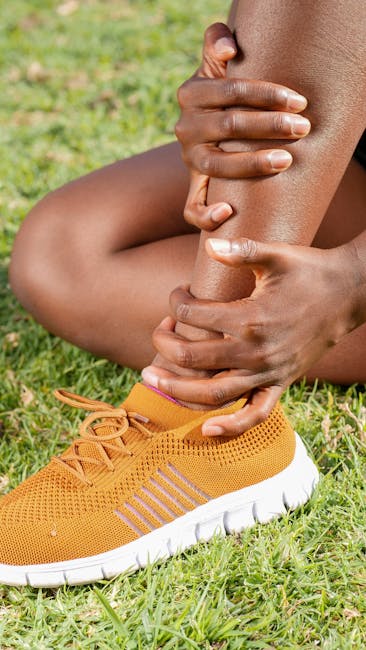
Are you tired of being sidelined by running injuries just when you’re hitting your stride? You’re not alone.
Many runners, whether they’re beginners or seasoned marathoners, face the frustrating setbacks of injuries. But here’s the good news: most running injuries can be prevented. Imagine running effortlessly, feeling the wind on your face, without the nagging worry of pain or discomfort.
By taking a few proactive steps, you can keep your runs smooth and injury-free. This guide will equip you with easy, practical tips to keep your body strong and resilient. So, are you ready to lace up those shoes and run with confidence? Let’s dive into how you can prevent common running injuries and enjoy every step of your journey.
Warm-up Essentials
Warming up is key to preventing running injuries. It prepares your body for activity. A good warm-up boosts blood flow and flexibility. It reduces the risk of strains and sprains. Here are essential warm-up techniques to keep you injury-free.
Dynamic Stretching
Dynamic stretching involves movement-based stretches. These stretches improve flexibility and range of motion. They prepare your muscles for the run. Examples include leg swings and arm circles. Spend 5-10 minutes on dynamic stretches. This activates your muscles and joints.
Gradual Intensity Increase
Start your run at a slow pace. Gradually increase your speed. This helps your body adjust to the workout. It reduces shock on your muscles. Begin with a brisk walk or light jog. Gradually speed up over 10 minutes. This method prevents sudden strain on your body.

Credit: www.advancedboneandjoint.com
Proper Footwear
Choosing the right running shoes reduces injury risk and supports proper foot alignment. Comfortable footwear absorbs shock and provides essential stability. Prioritize shoes designed for your foot type and running style for optimal performance and safety.
Proper footwear is essential in preventing common running injuries. The right shoes can support your feet, improve your performance, and reduce the risk of injury. As a runner, choosing and maintaining your footwear should be a priority to keep you on track, literally and figuratively.
Choosing The Right Shoes
When selecting running shoes, consider your foot type. Are you flat-footed, or do you have a high arch? Understanding your foot’s unique shape helps in finding shoes with the right support. Visit a specialty running store where experts can analyze your gait and recommend suitable options. They often have treadmills and video equipment to provide a detailed assessment. Comfort is key, so always try on shoes later in the day when your feet are slightly swollen. This mimics the conditions during a run, ensuring a better fit.
Replacing Worn-out Shoes
Worn-out shoes can lead to injuries, even if they feel comfortable. How do you know when it’s time to replace them? Check the soles. If they’re worn flat, it’s a clear sign. Keep track of the miles you run. Most running shoes last between 300 to 500 miles. If you’re not sure, consider a shoe tracker app to help monitor your mileage. Pay attention to any new aches or pains. They might be subtle hints from your body telling you it’s time for a new pair. Listening to your body can prevent injuries before they happen. With these tips, you’ll be well-equipped to keep running safely and effectively. Are your shoes ready for your next run?
Strength Training
Strength training is a crucial element in preventing common running injuries. While running primarily works your cardiovascular system, strength exercises fortify the muscles that support your joints and stabilize your body. This balance reduces the risk of strains and improves overall running performance.
Core Exercises
Your core is the foundation of your body’s stability. Think of it as the central pillar supporting all your movements. Engaging in core exercises like planks, Russian twists, and bridges can enhance your balance and posture. As a runner, strengthening your core minimizes the impact on your spine and pelvis, reducing injury risk.
- Planks:Start with 30 seconds and gradually increase the duration.
- Russian Twists:Try sets of 15 reps on each side.
- Bridges:Hold for 10 seconds and repeat for 3 sets.
Leg Muscle Workouts
Your legs are your engines, propelling you forward with every stride. To keep them running smoothly, exercises targeting leg muscles are vital. Think squats, lunges, and calf raises. These workouts build strength and endurance, helping you avoid injuries like shin splints and runner’s knee.
- Squats:Aim for 3 sets of 10 reps, focusing on form over weight.
- Lunges:Perform alternating lunges, ensuring your knee doesn’t extend past your toes.
- Calf Raises:Use a stair for elevation and do 15 reps per set.
Have you ever experienced discomfort after a run despite feeling fit? Perhaps focusing on these strength exercises could be your solution. Regularly integrating them into your routine can transform your running experience, making each stride safer and more enjoyable.
Running Form Techniques
Proper running form helps reduce injuries like shin splints and knee pain. Keep your posture upright and relax your shoulders. Focus on landing softly with your feet under your hips.
Running Form Techniques Running with proper form reduces the risk of injuries. It enhances performance and makes running more enjoyable. Small adjustments can make a big difference. Let’s explore key techniques to improve your running form.
Posture Correction
Maintaining the right posture is essential for safe running. Keep your head up and eyes forward. This helps align your spine correctly. Relax your shoulders and arms. Let them swing naturally with your stride. Engage your core to support your back. Avoid leaning too far forward or backward. This balanced posture distributes impact evenly.
Optimal Stride Length
Finding the right stride length helps prevent injuries. Overstriding can cause strain and reduce efficiency. Aim for a midfoot strike beneath your hips. This minimizes impact and uses energy effectively. Shorten your steps to increase cadence. This keeps your feet under your body. Listen to your body and adjust as needed.
Recovery Strategies
Warm-up properly to reduce muscle strain. Wear supportive shoes suited for your feet and running style. Gradually increase your mileage to avoid overuse injuries.
Recovery strategies play a vital role in preventing running injuries. They help muscles heal and prepare for the next run. Proper recovery can boost performance and reduce downtime from injuries. It is essential to focus on effective recovery techniques to maintain a healthy running routine.
Rest Days
Rest days are crucial for muscle repair and growth. They provide time for the body to recover from stress and strain. Muscles need a break to rebuild and become stronger. Scheduling regular rest days can prevent overuse injuries. Listen to your body and take breaks as needed. Resting helps maintain energy levels and avoid fatigue.
Foam Rolling Benefits
Foam rolling is an excellent tool for muscle recovery. It eases muscle tension and improves flexibility. Rolling helps increase blood flow to muscle tissues. This can speed up recovery and reduce soreness. It is easy to use and can target specific muscle groups. Foam rolling can be a part of your daily routine. It helps prepare muscles for future workouts.

Credit: nyboneandjoint.com
Hydration And Nutrition
Staying hydrated and eating the right foods can be crucial in preventing running injuries. It’s not just about drinking water during your run; it’s about preparing your body with essential nutrients and fluids beforehand. These strategies can help you maintain energy levels and reduce the risk of cramps and fatigue. Let’s explore how you can optimize your hydration and nutrition to keep your running injury-free.
Pre-run Hydration
Before you lace up your running shoes, ensure your body is adequately hydrated. Drinking water throughout the day is vital. Aim for a few glasses of water in the hours leading up to your run.
If you’re heading out for a long run, consider adding an electrolyte drink. These drinks can replenish minerals like sodium and potassium, which are lost through sweat. This can help prevent dehydration and muscle cramps.
Have you ever noticed how a well-hydrated run feels different? Your energy levels are higher, and recovery is quicker. Don’t underestimate the power of proper hydration.
Nutrient-rich Diet
Your diet plays a significant role in maintaining your running stamina. Incorporate foods rich in carbohydrates and proteins into your meals. They provide the energy needed for endurance and muscle repair.
- Start your day with whole grains like oatmeal or whole wheat bread.
- Include lean proteins such as chicken or beans in your lunch.
- Add a variety of vegetables to your dinner for vitamins and minerals.
Snacks can be your secret weapon. A banana or a handful of nuts can provide a quick energy boost before a run. Keep them handy to fuel your body effectively.
Are you nourishing your body in the best possible way for your runs? A well-rounded diet can make all the difference in your performance and recovery.
Listening To Your Body
Listening to your body helps prevent common running injuries by recognizing early signs of pain or discomfort. Adjust your pace and routine to avoid overuse and minimize strain. Stay attentive to signals like fatigue or soreness to maintain a safe and effective running practice.
Listening to Your Body Running is a fantastic way to stay fit, but it requires more than just lacing up your shoes and hitting the pavement. One of the most crucial aspects of safe running is learning to listen to your body. This isn’t just about avoiding injuries; it’s about enhancing your running experience and performance.
Recognizing Pain Signs
Pain is your body’s way of sending an alert. It’s important to recognize when pain is a signal to stop. If you feel a sharp, sudden pain, it’s a red flag. Many runners make the mistake of pushing through discomfort. This can lead to serious injuries. If your pain persists beyond a run, consider resting or consulting a professional.
Adapting Training Plans
Adapting your training plan is crucial when your body signals distress. If a particular routine is causing discomfort, it’s time to modify it. You can reduce your mileage or add more rest days. This doesn’t mean you’re slacking; it means you’re smart. Consider incorporating cross-training activities like swimming or cycling. These can keep you active while allowing your body to recover. Listening to your body might seem simple, but it requires conscious effort. What signs have you been ignoring in your running routine?

Credit: www.isppcenter.com
Frequently Asked Questions
How Can Running Injuries Be Prevented?
Prevent running injuries by wearing proper footwear and gradually increasing mileage. Warm up before running and incorporate strength training exercises. Listen to your body and rest when needed. Maintain good running form and stay hydrated to support muscle function.
What Is The Most Common Injury In Running?
Runner’s knee is the most common injury in running. It causes pain around the kneecap. Overuse, poor form, or weak muscles can contribute. Proper shoes, stretching, and strengthening exercises can help prevent it. Consult a doctor for persistent pain or injury.
Why Do Runners Get Injured So Easily?
Runners often get injured due to overtraining, improper footwear, and lack of proper warm-up. Imbalances and poor running techniques also contribute to injuries. Consistent rest and strength training can help prevent these injuries, ensuring runners maintain a healthy routine.
How To Run Daily Without Getting Injured?
Warm up before running to prepare muscles. Wear proper shoes for support and comfort. Gradually increase distance and intensity. Stay hydrated and maintain a balanced diet. Rest adequately to allow recovery and prevent injuries.
Conclusion
Preventing running injuries keeps you active and healthy. Listen to your body. Rest when needed. Warm-up before running. Stretch afterwards. Use proper gear. Shoes matter. Stay hydrated. Balance your routine. Strength training helps. Cross-training adds variety. Avoid overtraining. Gradually increase intensity.
Consult experts if pain persists. Running is fun. Enjoy the journey. Keep these tips in mind. Stay safe. Happy running!
