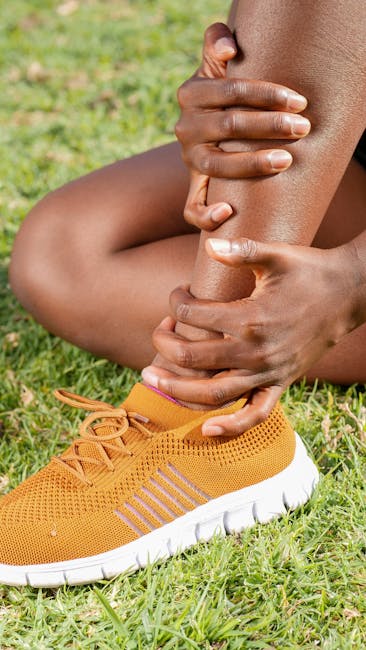
Do you love the thrill of running but dread the thought of a groin injury? You’re not alone.
Many runners experience this frustrating setback, which can halt progress and cause unnecessary pain. But here’s the good news: preventing a groin injury is entirely possible with the right strategies. Imagine enjoying your runs without the fear of sidelining aches.
This article is your guide to keeping your groin in tip-top shape, ensuring every stride is strong and injury-free. Stick with us, and you’ll discover simple yet effective ways to protect yourself and continue your running journey with confidence. Ready to unlock the secrets to a safe and enjoyable running experience? Let’s dive in!
Common Causes Of Groin Injury
Overstretching and sudden movements often lead to groin injuries. Weak muscles and lack of flexibility also contribute. Proper warm-up and strength training can reduce risks while running.
Running is a great way to stay fit, but groin injuries can occur. Understanding common causes helps in prevention. Here are key factors leading to groin injuries while running.
Muscle Strain
Muscle strain in the groin area is common. It happens when muscles are overstretched. Strains occur during sudden movements. Sprinting or changing directions quickly can lead to strains. Proper warm-up reduces the risk.
Overuse Injuries
Overuse injuries develop from repetitive stress. Running long distances frequently causes fatigue. Fatigue weakens muscles, increasing injury risk. Rest days are crucial for recovery. Listen to your body and avoid pushing limits.
Poor Running Technique
Incorrect running form contributes to groin injuries. Poor posture puts extra strain on muscles. Running with uneven stride can cause imbalance. Use a coach or videos to improve technique. Correct form helps prevent injuries.

Credit: www.airforcemedicine.af.mil
Signs Of Groin Injury
Recognizing groin injury signs helps in prevention. Look for pain, swelling, or bruising in the groin area. Stretching and strengthening exercises can help minimize risks when running.
Understanding the signs of a groin injury is crucial for any runner. Recognizing these symptoms early can prevent further damage and ensure a quicker recovery. By being aware of what to look for, you can address any potential issues before they become serious problems.
Pain And Discomfort
Experiencing pain in the groin area is one of the first indicators. This pain often intensifies when you engage in physical activities such as running. You might notice it as a sharp, sudden pain or a persistent dull ache. Have you ever felt a twinge in your groin while sprinting? That’s a warning signal. Listen to your body and avoid pushing through the pain.
Swelling And Bruising
Swelling is your body’s natural response to an injury. It acts as a protective mechanism, but it can also be a sign that something is wrong. You may also notice bruising around the affected area, which indicates bleeding under the skin. Imagine waking up to find your groin area swollen and bruised after a long run. This is your cue to ease off and seek medical advice.
Limited Mobility
A groin injury can limit your range of motion. Simple actions like lifting your leg or changing directions might become difficult. This restriction can affect your overall performance and daily activities. Think about how frustrating it would be to cut short your morning run because your leg just won’t cooperate. Addressing limited mobility early can help you return to your routine quicker. Being proactive about recognizing these signs can make a significant difference in your running journey. Stay vigilant, listen to your body, and prioritize your health to enjoy injury-free runs.
Warm-up And Stretching Tips
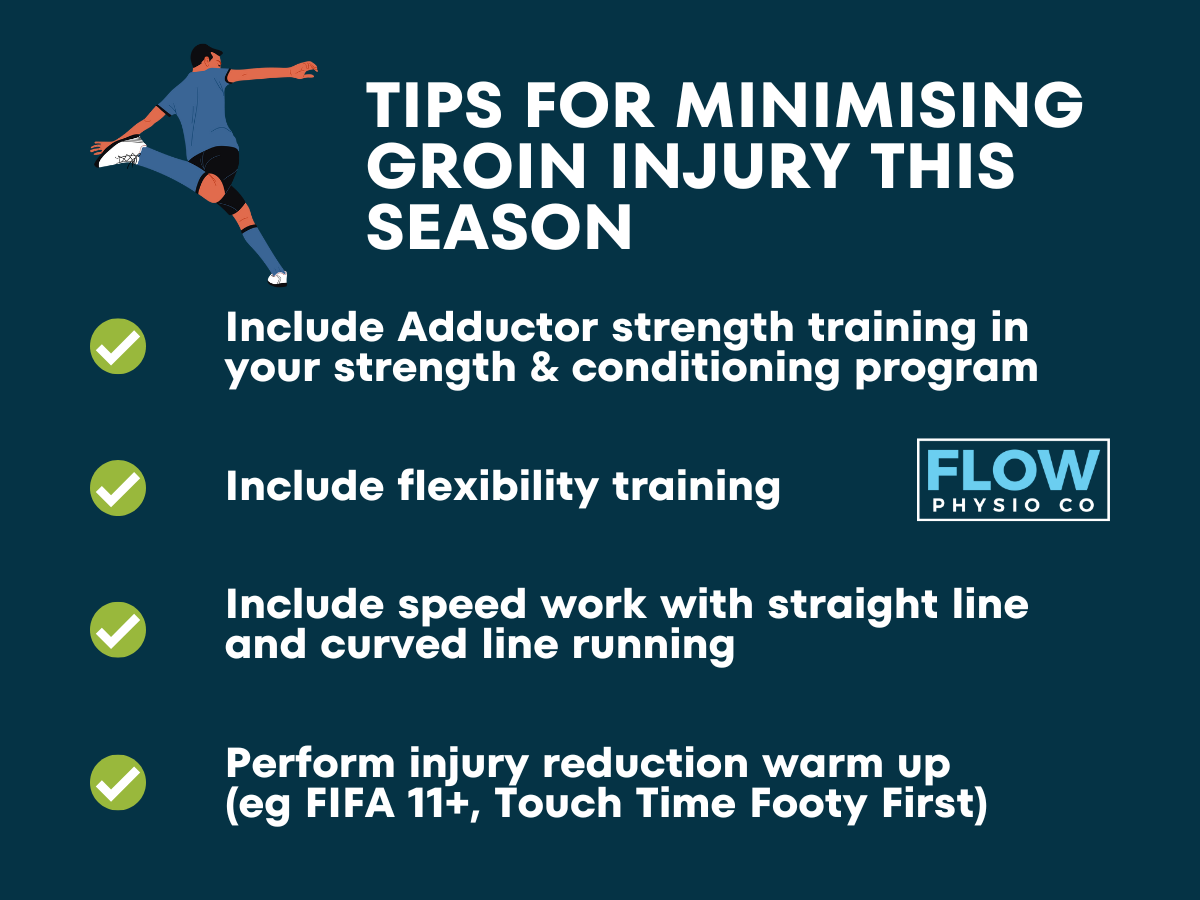
Preventing groin injuries while running starts with proper warm-up and stretching. Focus on dynamic stretches to activate hip muscles. Include leg swings and lunges to prepare the groin area for activity.
Running is an invigorating activity that not only boosts your cardiovascular health but also enhances your mood. However, without proper preparation, you might find yourself sidelined with a groin injury. To keep yourself on track, it’s essential to focus on warm-up and stretching techniques. These practices are not just rituals; they’re your first line of defense against injuries.
Dynamic Stretches
Dynamic stretches are a game-changer. They prepare your muscles for the activity ahead by mimicking the movements of running. Try leg swings or walking lunges. They gently stretch your muscles while increasing blood flow. Consider alternating between high knees and butt kicks. These exercises activate your hip flexors and hamstrings. Make dynamic stretching a habit and you’ll notice improved flexibility and reduced injury risk.
Importance Of Warm-up
A warm-up is crucial. It raises your body temperature and increases blood circulation. This primes your muscles for action. Spend at least 10 minutes warming up. You can start with a brisk walk or light jog. Feel the warmth spreading through your body. This is your cue that you’re ready to push harder. Skipping a warm-up is like jumping into cold water; your muscles are not ready for the shock.
Cooling Down Properly
Cooling down is often overlooked but equally vital. It helps your body transition back to its resting state. Focus on slow, gentle stretches to relax your muscles. Take a few minutes to walk and breathe deeply. This helps in flushing out lactic acid buildup. Stretch your groin area carefully, holding each stretch for at least 30 seconds. Ask yourself: do you want to end your run feeling refreshed or strained? Implement these tips to safeguard your running routine. Your body will thank you, and your running goals will stay within reach.
Credit: www.flowphysioco.com
Strengthening Exercises
Strengthening exercises help prevent groin injuries while running. Focus on hip flexors, adductors, and core muscles. Consistent training enhances stability and reduces strain.
Strengthening exercises play a crucial role in preventing groin injuries for runners. By building a strong foundation, you reduce the risk of strain and enhance your running performance. The right exercises can help you maintain balance, boost endurance, and promote flexibility. Consider incorporating these exercises into your routine to protect against groin injuries:
Core Stability
A stable core is the backbone of injury prevention. Engage in exercises like planks and Russian twists to strengthen your core. A strong core supports your hips and pelvis, reducing the strain on your groin muscles. Think about the last time you felt a twinge during a run. Was your core engaged? Consistent core workouts can make a difference in your running journey.
Hip Flexor Workouts
Hip flexors are often overlooked, yet they play a vital role in running. Incorporate exercises like lunges and leg raises to target this area. Strong hip flexors enhance your stride and reduce the risk of overuse injuries. Imagine sprinting without feeling tightness in your hips. Regular workouts focusing on hip flexors can help you achieve that freedom.
Leg Strengthening Drills
Your legs endure the brunt of running. Squats and calf raises are excellent for building leg strength. Strong legs not only improve your speed but also act as a buffer against potential groin injuries. Consider how much more confident you’d feel with powerful legs propelling you forward. Embrace these drills to fortify your lower body. Remember, consistency is key. How often are you dedicating time to strengthen these areas? Incorporate these exercises into your weekly routine and notice the difference in your running performance and injury prevention.
Proper Running Technique
Proper running technique helps in preventing groin injuries by maintaining a balanced stride. Keep your core engaged and hips stable to reduce strain. Regular stretching before and after running can also safeguard against muscle pulls.
Proper Running Technique Running is more than just putting one foot in front of the other. It’s about harnessing the right technique to keep injuries at bay. A proper running technique can significantly reduce your risk of groin injuries.
Correct Posture
Your posture plays a crucial role in running. Stand tall with your shoulders relaxed and your head looking straight ahead. Avoid hunching over as this can lead to strain on your lower body. Think about how you feel when you run with a straight back versus a slouched one. Notice the ease and efficiency? That’s the power of correct posture.
Stride Analysis
Your stride can make or break your running experience. Strides that are too long may increase the risk of groin injury. Aim for a mid-foot strike to keep your stride natural. A shorter, controlled stride can help you maintain balance and reduce the impact on your joints. Have you ever tried adjusting your stride length to see how it affects your run?
Footwear Choice
The right shoes are your best allies in preventing injuries. Choose shoes that offer proper support and cushioning. Ill-fitting footwear can lead to discomfort and increase the risk of injury. Consider visiting a specialty store where experts can analyze your gait and recommend suitable options. Have you ever noticed how different shoes change your running experience?
Rest And Recovery
Rest and recovery are crucial in preventing groin injuries while running. Proper rest periods allow muscles to repair, reducing strain and the risk of injury. Incorporating stretches and warm-ups before running enhances flexibility and minimizes the chances of groin discomfort.
Running is a great way to stay fit, but it can lead to groin injuries. Rest and recovery play a crucial role in preventing these injuries. Giving your body time to heal can make a big difference. It ensures muscles are ready for the next run.
Importance Of Rest Days
Rest days allow muscles to repair and strengthen. They help prevent overuse injuries. Taking regular breaks reduces the risk of strains. Scheduling rest days is important for maintaining a balanced routine. It keeps your running sessions effective and safe.
Recovery Strategies
Using effective recovery strategies enhances healing. Start with gentle stretching exercises. They help maintain flexibility and prevent stiffness. Consider using ice packs on sore areas. This reduces inflammation and promotes healing. Hydrating well aids muscle recovery and reduces soreness.
Listening To Your Body
Your body sends signals when it’s overworked. Pay attention to these signs and rest accordingly. If you feel persistent pain, slow down or stop running. Adjust your routine if you notice unusual discomfort. Listening to your body ensures safe and enjoyable running experiences.
Consulting Professionals
Preventing groin injuries in running requires expert guidance. Consulting professionals is essential for staying healthy. They provide personalized advice tailored to your needs. Expert support can make a significant difference in your running routine.
Seeking Medical Advice
A doctor’s insight is invaluable for diagnosing and treating groin issues. Medical professionals can assess your condition accurately. They might recommend tests or scans for further understanding. Early consultation helps in avoiding long-term problems.
Working With A Trainer
A skilled trainer guides you in proper running techniques. They help you build strength and flexibility. Trainers can design workouts that minimize injury risks. Their expertise ensures that your form remains correct, reducing strain.
Physical Therapy
Physical therapists offer specialized exercises for recovery and prevention. They help improve muscle balance and coordination. Therapy sessions can be tailored to your specific needs. Regular therapy aids in faster recovery and strengthens weak areas.

Credit: www.sports-injury-physio.com
Frequently Asked Questions
How To Avoid Groin Strain When Running?
Warm up properly with dynamic stretches. Strengthen hip and groin muscles through targeted exercises. Gradually increase running intensity and distance. Wear supportive footwear. Stay hydrated and maintain flexibility with regular stretching sessions.
Why Does My Groin Always Hurt When I Run?
Groin pain during running might be due to muscle strain, tendonitis, or hip joint issues. Ensure proper warm-up and stretching. Wearing supportive shoes and maintaining a balanced running posture can help. Consult a healthcare professional for persistent pain to rule out serious injuries or conditions.
How Do I Strengthen My Groin For Running?
Strengthen your groin for running by incorporating exercises like lateral lunges, hip bridges, and leg swings. Stretch regularly to maintain flexibility. Focus on core stability and balance exercises to support the groin area. Gradually increase intensity and duration to prevent injuries.
Maintain consistency in your workout routine for optimal results.
How To Strengthen A Groin To Prevent Strains?
Strengthen your groin by incorporating exercises like side lunges, leg raises, and butterfly stretches. Maintain consistency in workouts. Warm up before exercising to prevent strains. Consider resistance band exercises for added strength. Always ensure proper form and posture during exercises.
Conclusion
Running safely is essential for a healthy lifestyle. Preventing groin injuries keeps you active. Remember to warm up before each run. Stretching helps muscles stay flexible. Wear appropriate shoes for support and comfort. Listen to your body to avoid overexertion.
Rest when you feel pain or discomfort. Strengthening exercises build stability and reduce injury risk. Consistency in training leads to safer running experiences. Stay hydrated and maintain a balanced diet for muscle health. Enjoy your runs while protecting your body.
Making these habits routine ensures long-term running success. Start applying these tips today for a safer running journey.
