Ever wondered how your body protects itself from injury during intense workouts or daily activities? Imagine having a built-in safety mechanism that keeps your muscles from pushing too hard and getting hurt.
That’s exactly what the Golgi Tendon Organ does for you. Nestled within your muscles, this tiny, yet mighty, sensor is your body’s unsung hero in preventing injuries. You’ll uncover how the Golgi Tendon Organ works tirelessly to keep you safe, and why understanding its role can transform the way you approach exercise and physical activities.
You’re about to dive into the fascinating world of your own anatomy, gaining insights that could enhance your performance while keeping you injury-free. Ready to unlock the secrets of your body’s own protective measures? Keep reading to discover how this remarkable organ ensures your well-being every step of the way.
Golgi Tendon Organ Basics
The Golgi Tendon Organ (GTO) might not be a term you hear every day, but its role in preventing injuries is crucial. Understanding how this small but mighty sensory receptor works can give you insights into your body’s natural defense mechanisms. Let’s dive into the basics of the Golgi Tendon Organ and discover how it safeguards you during physical activities.
Location In The Body
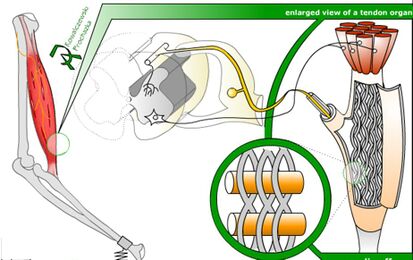
The Golgi Tendon Organ is strategically positioned within your tendons, the connective tissues that attach muscles to bones. You’ll find it nestled where the muscle fibers meet the tendon. This location is optimal for monitoring the tension and force applied during muscle contractions, acting as a vigilant guardian against excessive strain.
Structure And Composition
Structurally, the Golgi Tendon Organ is a small, spindle-shaped sensory receptor. It is composed of a bundle of collagen fibers intertwined with sensory nerve endings. This intricate setup allows it to detect even the slightest changes in tension, transmitting vital information to the nervous system about muscle force.
Functionality Overview
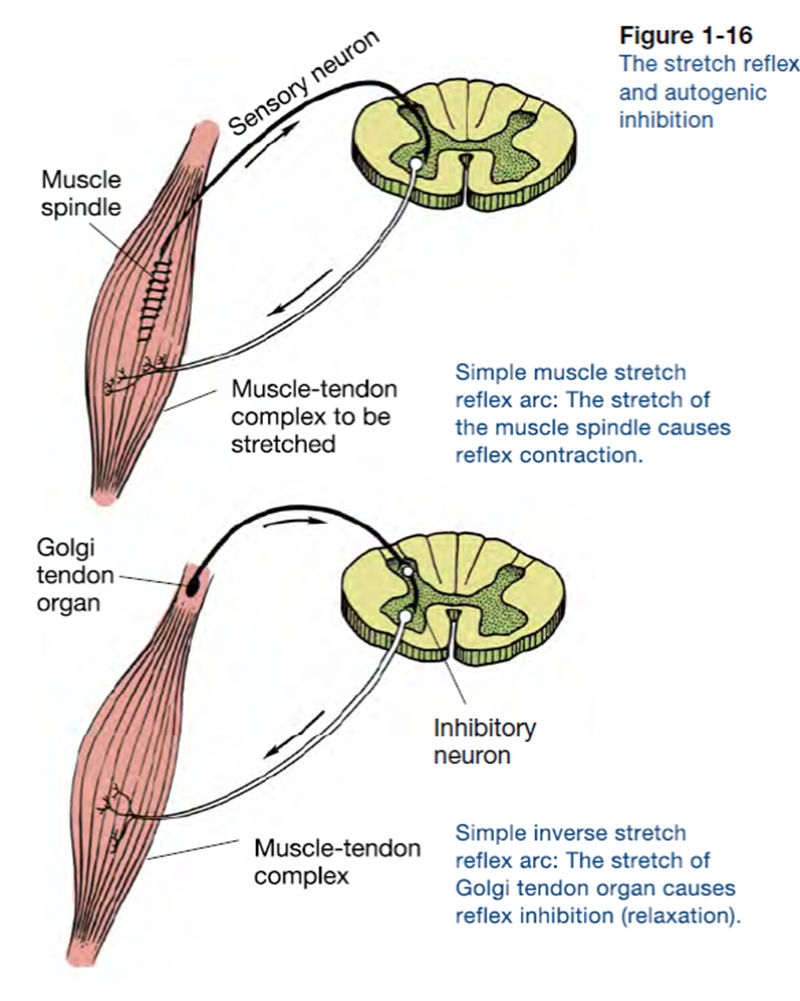
The primary function of the Golgi Tendon Organ is to prevent muscle damage by regulating muscle contraction. When tension in the tendon reaches a critical level, the GTO sends inhibitory signals to the spinal cord. This prompts the muscle to relax, reducing the risk of injury from excessive force.
Have you ever wondered why your muscles sometimes seem to ‘give out’ during intense workouts? That’s your Golgi Tendon Organ stepping in to protect you. Next time you push your limits, remember that your body has built-in safety features like the GTO working tirelessly to keep you safe. How might you adjust your training knowing your body has this natural safeguard?

Credit: www.youtube.com
Mechanism Of Action
The Golgi tendon organ senses changes in muscle tension, signaling the nervous system to relax the muscle. This prevents excessive force, reducing the risk of injury during intense physical activity.
Understanding the mechanism of action of the Golgi tendon organ (GTO) can illuminate how this tiny yet powerful structure prevents muscle injury. It operates like a vigilant guardian, constantly monitoring tension in your muscles. But how exactly does it achieve this crucial task? Let’s dive into its fascinating process.
Sensory Receptors Role
The GTO is a sensory receptor located at the junction where muscle fibers meet tendons. Its primary job is to detect changes in muscle tension. When you lift weights or stretch, the GTO springs into action, sensing any increase in tension. These receptors are like your muscle’s feedback system. They ensure your muscles aren’t overworked, reducing the risk of tears. Picture them as the brakes on a car, ready to slow down or stop action when necessary.
Signal Transmission Process
Once the GTO detects excessive tension, it immediately sends signals to your spinal cord. This transmission happens through sensory neurons. Think of it as a swift communication channel ensuring your brain is aware of what’s happening. This signal is a call to action, urging your central nervous system to intervene. It’s a rapid process, occurring in milliseconds, yet it plays a vital role in preventing injuries. Have you ever lifted something heavy and suddenly felt the need to stop? That’s your GTO at work.
Muscle Relaxation Trigger
The GTO’s signals lead to a fascinating response: muscle relaxation. This process is known as the autogenic inhibition reflex. It acts as a safeguard, ensuring that your muscles don’t sustain damage from excessive stress. When the GTO detects too much tension, it triggers an automatic response to relax the muscle. This protective mechanism is crucial during activities like weightlifting or intense stretching. Have you noticed how your muscles sometimes seem to “give out” under excessive strain? That’s the GTO’s protective relaxation response. The Golgi tendon organ’s role is indispensable for muscle safety. Without it, our muscles would be more susceptible to injury during everyday activities and sports. Reflect on how this small organ might have protected you without you even realizing it.
Injury Prevention
Ever wondered how your body naturally guards against muscle injuries during workouts? The Golgi Tendon Organ (GTO) is your body’s unsung hero when it comes to preventing muscle damage. Located within tendons, these sensory receptors are pivotal in maintaining the balance between muscle tension and relaxation. Understanding their role can help you appreciate how your body works to protect itself from harm.
Response To Muscle Tension
The GTO is incredibly responsive to changes in muscle tension. When you lift weights or engage in strenuous activities, the GTO kicks in to monitor the force exerted by your muscles. If the tension becomes excessive, the GTO sends signals to the central nervous system to inhibit further contraction, thus preventing potential injury. Have you ever felt your muscles suddenly relax during intense exercise? That’s the GTO at work, safeguarding your muscles from strain.
Role In Reflex Actions
Reflex actions are another key area where the GTO plays a vital role. These actions are involuntary responses that help your body react swiftly to prevent injury. When the GTO detects high tension, it triggers the inverse stretch reflex. This reflex action prompts the muscle to relax, countering the risk of tearing or damage. It’s fascinating how your body has built-in mechanisms that work tirelessly to keep you safe even when you’re pushing your limits.
Adaptation To Stress
Your body is remarkably adaptive, and the GTO is a crucial component in this adaptability. Over time, as you engage in regular exercise, the GTO becomes more efficient at regulating muscle tension. This enhanced response allows your muscles to handle greater loads safely. Have you noticed how your muscles seem more resilient after weeks of training? That’s your GTO adapting to stress, helping you achieve your fitness goals while minimizing the risk of injury.
Now, consider this: How can you leverage your understanding of the GTO to optimize your workouts and prevent injuries? By recognizing the signs your body gives and adjusting your exercise routine accordingly, you can harness the power of the GTO to stay safe while pushing the boundaries of your physical capabilities.
Credit: www.physio-pedia.com
Safety Benefits
The Golgi tendon organ detects muscle tension and signals the body to relax muscles, preventing strain or injury. This protective reflex helps maintain muscle health by reducing the risk of tears and overexertion during physical activities.
Safety Benefits The Golgi Tendon Organ is vital for preventing injuries. This little structure in our muscles plays a big role in keeping us safe. It helps manage tension and strain, protecting muscles from harm. Below, you’ll find how it contributes to safety in different ways.
Reduction In Muscle Strain
Muscle strain can lead to pain and injury. The Golgi Tendon Organ senses tension in muscles. It sends signals to relax when tension gets too high. This prevents damage and reduces the risk of muscle tears.
Protection Against Overuse
Overuse can exhaust muscles, leading to fatigue and injury. The Golgi Tendon Organ helps muscles avoid overuse. It monitors muscle activity and ensures they don’t work too hard. This protection keeps muscles healthy and functioning.
Enhancement Of Movement Efficiency
Efficient movement reduces unnecessary effort. The Golgi Tendon Organ improves movement efficiency. It provides feedback to optimize muscle use. This allows smooth, controlled motions, enhancing overall performance.
Implications For Athletes
Athletes push their bodies to the limit every day. Understanding how the Golgi tendon organ functions can help prevent injuries and enhance performance. This small sensory receptor plays a crucial role in monitoring muscle tension. By doing so, it alerts the body when tension is too high, thus preventing muscle damage. For athletes, this mechanism is vital.
Training Considerations
Athletes need to balance intensity and safety during training. The Golgi tendon organ assists in this balance. It helps regulate muscle contractions to avoid strain. Understanding its role can guide athletes in modifying their training routines. Training plans should incorporate exercises that gradually increase tension. This allows the Golgi tendon organ to adapt, improving its response and reducing injury risk.
Incorporation In Exercise Programs
Exercise programs can benefit from including Golgi tendon organ-focused activities. Stretching and strength training are examples. Stretching helps maintain flexibility, which reduces tension in muscles. Strength training, on the other hand, increases muscle endurance. Both activities enhance Golgi tendon organ efficiency. This leads to better muscle control and stability, essential for athletic performance.
Monitoring For Optimal Performance
Athletes should monitor muscle tension levels for optimal performance. Tools like wearable sensors can provide real-time data. These devices track muscle activity and alert athletes to potential strain. Regular monitoring allows for adjustments in training intensity. This proactive approach helps maintain muscle health and peak performance. Athletes can focus on reaching their goals while minimizing injury risks.
Research And Developments
The Golgi tendon organ plays a crucial role in preventing injuries. It senses muscle tension and helps maintain safe muscle contractions. Recent research has provided new insights into its functions and applications in injury prevention. Scientists and experts continue to explore ways to enhance its effectiveness.
Recent Studies
Recent studies have shed light on the Golgi tendon organ’s mechanisms. Researchers have discovered how it responds to different levels of muscle force. These findings help in understanding muscle fatigue and strain better. The studies also explore its potential in sports and rehabilitation.
Innovations In Safety Protocols
Innovations in safety protocols focus on enhancing the Golgi tendon organ’s protective role. New training techniques incorporate its functions to reduce injury risks. Exercise routines are being designed to optimize muscle tension detection. This ensures safer physical activities for athletes and individuals.
Future Directions In Injury Prevention
Future directions aim to integrate technology with the Golgi tendon organ. Wearable devices might monitor muscle tension in real-time. This could provide instant feedback, preventing overexertion. Research is also exploring genetic factors that influence the organ’s sensitivity. Understanding these factors could lead to personalized injury prevention strategies.

Credit: stretchcoach.com
Frequently Asked Questions
How Do Golgi Tendon Organs Prevent Injury?
Golgi tendon organs prevent injury by detecting excessive muscle tension. They trigger a reflex to relax muscles, reducing strain. This response protects muscles and tendons from damage during intense activities. By regulating tension, they help maintain muscle health and prevent overstretching or tearing.
How Does The Golgi Tendon Organ Protect The Muscle And Surrounding Connective Tissue From Injury Due To Excessive Load?
The Golgi tendon organ detects excessive muscle tension. It triggers a reflex to relax the muscle, preventing injury. This mechanism protects muscles and connective tissues from damage due to overloading. It ensures muscles do not exert more force than they can safely handle.
What Is The Golgi Tendon Organ And Why Is It Important?
The Golgi tendon organ is a sensory receptor within tendons. It senses changes in muscle tension. This organ prevents muscle damage by triggering relaxation when tension is too high, ensuring muscle safety during activities.
What Action Will The Golgi Tendon Organ Make When Activated To Prevent The Muscle From Being Placed Under Excessive Stress?
The Golgi tendon organ triggers a reflex to relax the muscle, preventing excessive stress or potential injury. This protective mechanism helps maintain muscle integrity and prevents damage during intense physical activity.
Conclusion
The Golgi tendon organ is key to preventing muscle injuries. It senses tension in muscles. Then it sends signals to relax. This helps avoid strains and tears. Athletes benefit from this natural safety mechanism. Regular exercise strengthens muscles and tendons.
Understanding how the body protects itself is crucial. It helps in designing safer workout routines. Staying informed about muscle health is essential. So, pay attention to your body’s signals. This can help prevent injuries and keep you active. Protect your muscles with knowledge and awareness.
Stay safe, stay strong.
