Are you looking to revolutionize your seating experience, whether at home, in the office, or even in the classroom? Flexible seating with a yoga ball might just be the solution you need.
But before you dive into this exciting change, there’s one crucial question to answer: what size yoga ball should you choose? Selecting the right size can enhance your comfort, improve your posture, and even boost your focus and productivity. In this guide, we’ll unravel the mystery behind choosing the perfect yoga ball size tailored just for you.
Stick around to discover how a simple change in seating can transform your daily routine and support your body in the best possible way.
Credit: oman.whizzcart.com
Choosing The Right Size
Choosing the right size yoga ball for flexible seating is crucial. It affects comfort and effectiveness. An appropriate size enhances posture and focus. So, understanding the factors that influence size choice is essential. Let’s explore these factors below.
Considerations For Different Ages
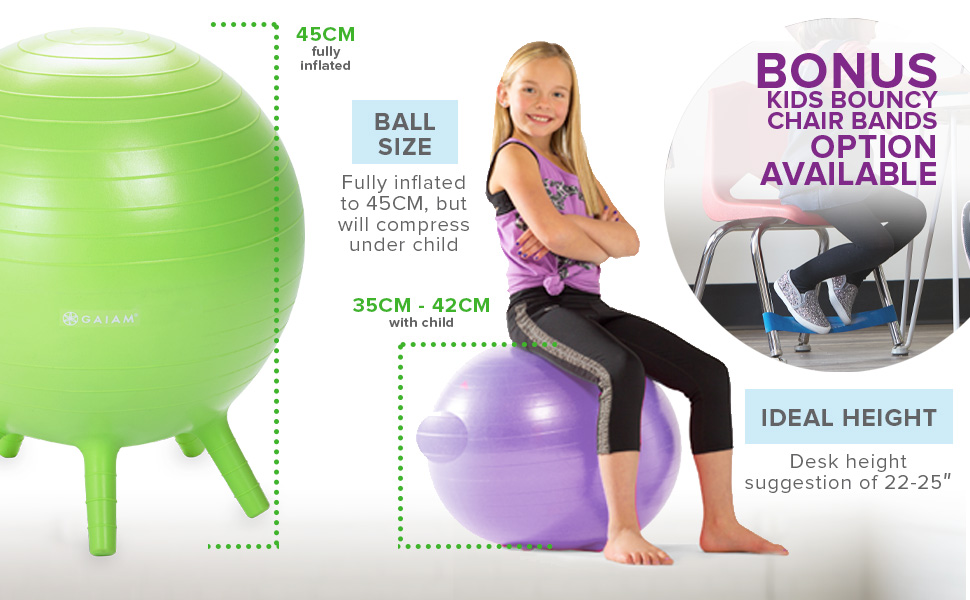
Age plays a significant role in selecting a yoga ball size. Children need smaller balls. For kids, a 45 cm ball works well. Teenagers might prefer a 55 cm ball. Adults can choose between 65 cm or 75 cm balls. These sizes cater to varying body proportions.
Height And Weight Factors
Height is another key factor. Taller individuals need larger balls. A person 5’8″ or taller should use a 75 cm ball. Shorter individuals under 5’3″ might opt for a 55 cm ball. Weight also impacts the choice. Heavier individuals require sturdier balls. This ensures safety and durability.
Benefits Of Flexible Seating
Flexible seating transforms traditional classrooms and workspaces. It offers dynamic ways to sit and engage. Yoga balls are popular choices. They bring unique benefits to any setting. Discover how flexible seating can enhance focus, improve posture, and boost core strength.
Enhanced Focus And Engagement
Sitting on a yoga ball keeps the body active. This gentle movement encourages alertness. Students and employees can concentrate better. They stay engaged with tasks longer. The natural bounce of the ball stimulates the mind. It prevents the brain from feeling sluggish.
Improved Posture And Core Strength
Yoga balls require balance. Sitting on them strengthens core muscles. This improves posture naturally. Stronger muscles support the spine better. With regular use, back pain decreases. Good posture boosts confidence. It also promotes overall well-being.
Types Of Yoga Balls
Choosing the right type of yoga ball for flexible seating can significantly impact your comfort and productivity. Yoga balls come in various types, each offering unique benefits. Understanding these differences can help you make a more informed decision. Let’s dive into the types of yoga balls available, focusing on their features and why they matter.
Standard Vs. Anti-burst
Standard yoga balls are the most common and affordable option. They offer basic functionality and are perfect for light use. However, if you plan to use your yoga ball regularly or want extra safety, an anti-burst ball might be the better choice.
Anti-burst yoga balls are designed to withstand higher pressure and won’t explode if punctured. This added safety feature can give you peace of mind, especially if you’re using the ball in a busy environment or with kids. So, which type suits your needs best?
Material And Durability
The material of a yoga ball plays a crucial role in its durability. Most balls are made from PVC, which provides a good balance between elasticity and strength. But not all PVC is created equal. Higher-quality PVC offers better durability and longevity.
Consider how often you’ll use the yoga ball and in what settings. If you’re setting up a flexible seating arrangement that will see heavy use, investing in a ball with robust material might save you money in the long run. Have you ever felt the frustration of a yoga ball losing its shape too soon?
Choosing the right type of yoga ball for flexible seating is not just about picking the right size. The type, material, and durability all play a role in ensuring your seating is comfortable and reliable. Reflect on your specific needs and environment to make the best choice. Have you found your perfect yoga ball yet?

Credit: www.ebay.com
Inflation And Maintenance
Selecting the right size yoga ball for flexible seating depends on inflation and maintenance. Consider the ball’s height when inflated to ensure comfortable seating. Regularly check the air pressure for optimal support and adjust as needed for durability.
When setting up flexible seating with a yoga ball, maintaining the right inflation level and proper care is essential for both comfort and durability. Whether you’re using the ball for exercise or as a fun seating option, keeping it in top shape ensures it serves its purpose effectively. The following sections will guide you through inflation techniques and maintenance tips to help you maximize your yoga ball’s lifespan.
Proper Inflation Techniques
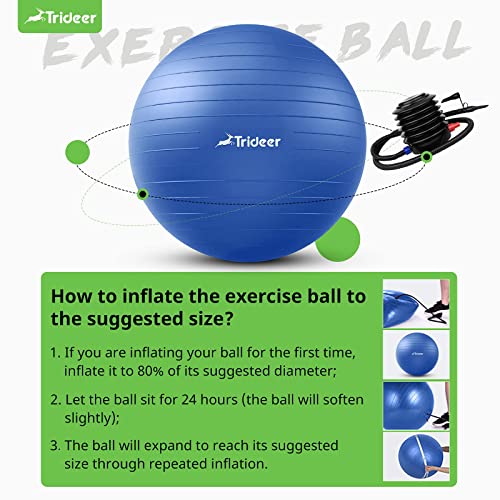
Inflating your yoga ball to the right size is crucial. You want it firm yet slightly yielding to provide proper support. Use a hand pump or an electric pump for accuracy. Inflate the ball to about 80% of its final size, then let it sit for 24 hours before topping it off. This allows the material to stretch gradually, preventing overinflation. Consider the environment where you inflate the ball. Temperature fluctuations can impact the ball’s firmness. If you live in a warmer climate, the ball might expand, so adjust the air accordingly. Personal experience taught me that checking the ball’s firmness before each use prevents unexpected deflation during a workout or seating session.
Cleaning And Care Tips
Maintaining a clean yoga ball is straightforward but essential. Use a damp cloth with mild soap to wipe down the surface regularly. This prevents the buildup of dirt and oil, which can degrade the material over time. Avoid using harsh chemicals or abrasive scrubs, as they can cause damage. Also, store the ball away from direct sunlight and sharp objects to prevent punctures. A small investment in a yoga ball cover can also extend its life by providing an extra layer of protection. Do you know where your yoga ball spends most of its time? If it’s on the floor, it’s picking up dust and debris. Regular cleaning and a dedicated storage area can keep it in prime condition. Take a moment to inspect it for any signs of wear or damage, ensuring it stays reliable and safe for use.
Safety Considerations
Choosing the right size yoga ball is important for safety and comfort. Ensure the ball matches your height for stability. A properly sized ball helps maintain balance and prevents falls during flexible seating.
Introducing a yoga ball as a flexible seating option can bring a dynamic twist to your workspace or learning environment. However, ensuring safety is paramount. While yoga balls can boost posture and core strength, they also require careful consideration to avoid mishaps. You wouldn’t want an unexpected tumble to interrupt your productivity or playtime. So, let’s dive into some crucial safety considerations to keep your experience both enjoyable and secure.
Safe Usage Practices
Before you roll out your yoga ball, ensure it’s properly inflated. An under-inflated ball can be unstable and less supportive. Check the manufacturer’s guidelines for the correct size and pressure. When using the ball for seating, keep your feet flat on the floor and your knees at a right angle. This posture helps maintain balance and reduces strain on your back. Consider using a yoga ball chair with a base if you plan to sit for extended periods. This setup can provide extra stability and prevent the ball from rolling away unexpectedly.
Supervision And Guidelines
If children are using yoga balls, adult supervision is key. Kids might enjoy bouncing on them, which can be risky without guidance. Set clear rules for using the ball. Encourage sitting still and discourage jumping or standing on the ball to prevent falls and injuries. Regularly inspect the yoga ball for wear and tear. A small puncture can lead to a sudden deflation, posing a safety risk. Would you notice if your ball had a slow leak? Incorporating yoga balls into your seating arrangement can be a fun and beneficial change, but safety should always be your top priority. With these practices and guidelines in mind, you can enjoy all the benefits of flexible seating without the worry.
Incorporating Yoga Balls In Classrooms
Incorporating yoga balls in classrooms brings a dynamic shift in seating arrangements. These flexible seating options help students engage better. They are more focused. Movement on yoga balls can improve learning experiences.
Setup And Arrangement
Setting up yoga balls in a classroom requires careful planning. Choose the right size for each student. Smaller balls suit younger children. Larger ones fit older students. Arrange them with enough space. Students should move freely. Maintain a safe distance between the balls. This prevents accidents. Create a seating chart. This helps organize the classroom. Alternate yoga balls with traditional chairs. This provides variety. It reduces monotony.
Teacher And Student Feedback
Teachers notice improved concentration. Students seem more alert. They participate more in class activities. Feedback from students is positive. They enjoy the change. Yoga balls are fun. They break the routine of regular chairs. Some students find them challenging. They learn balance and control. This adds to their physical development. Teachers adapt lessons to this new seating. It creates a lively learning environment.

Credit: www.amazon.com
Frequently Asked Questions
What Size Yoga Ball Is Best For Sitting?
Choose a yoga ball size based on your height: 55cm for under 5’6″, 65cm for 5’6″ to 6′, and 75cm for over 6′. Ensure your knees are at a right angle when sitting. This promotes proper posture and comfort. Always test the ball to confirm its suitability for your needs.
Can I Use A Yoga Ball As An Office Chair?
Yes, using a yoga ball as an office chair can improve posture and core strength. Ensure the ball is the right size for your height. Alternate with a regular chair to avoid discomfort. Consider potential stability issues and consult a professional for advice on prolonged use.
Is Sitting On A Yoga Ball At The Desk Good?
Sitting on a yoga ball can improve posture and core strength. It enhances balance and increases calorie burning. Ensure the ball is properly inflated and your desk setup is ergonomic. Limit usage to short periods to prevent discomfort. Consult a healthcare professional before making significant changes to your seating habits.
What Are The Disadvantages Of Sitting On A Yoga Ball?
Sitting on a yoga ball can lead to poor posture and back strain. It may cause discomfort for prolonged periods. Muscle fatigue and lack of lumbar support are common issues. Balancing on the ball can be challenging, leading to potential falls or injuries, especially for those with balance issues.
Conclusion
Choosing the right yoga ball size for seating matters. Comfort and stability come first. Measure your space and needs carefully. Most users find 65 cm balls fit well. Ensure your feet touch the ground. Try different sizes if unsure. Check for anti-burst materials.
Durable designs last longer. Remember, proper inflation is key. Test before buying, if possible. Read reviews from other users. Balance and posture improve with the right fit. Enjoy the benefits of flexible seating. Feel more relaxed and focused. Make your seating area cozy and functional.
