Have you ever caught yourself slouching at your desk or struggling to reach your toes? Poor posture and low flexibility can sneak up on anyone and leave you feeling stiff and uncomfortable.
But what if there was a simple, natural way to transform your body’s alignment and agility? Yoga might just be the answer you’ve been searching for. Imagine standing taller, moving with ease, and feeling more at home in your body.
Curious to find out how yoga can help you achieve these goals? Dive into this article to discover the surprising benefits of yoga for improving posture and flexibility, and how it can make a real difference in your life.
Yoga’s Impact On Posture
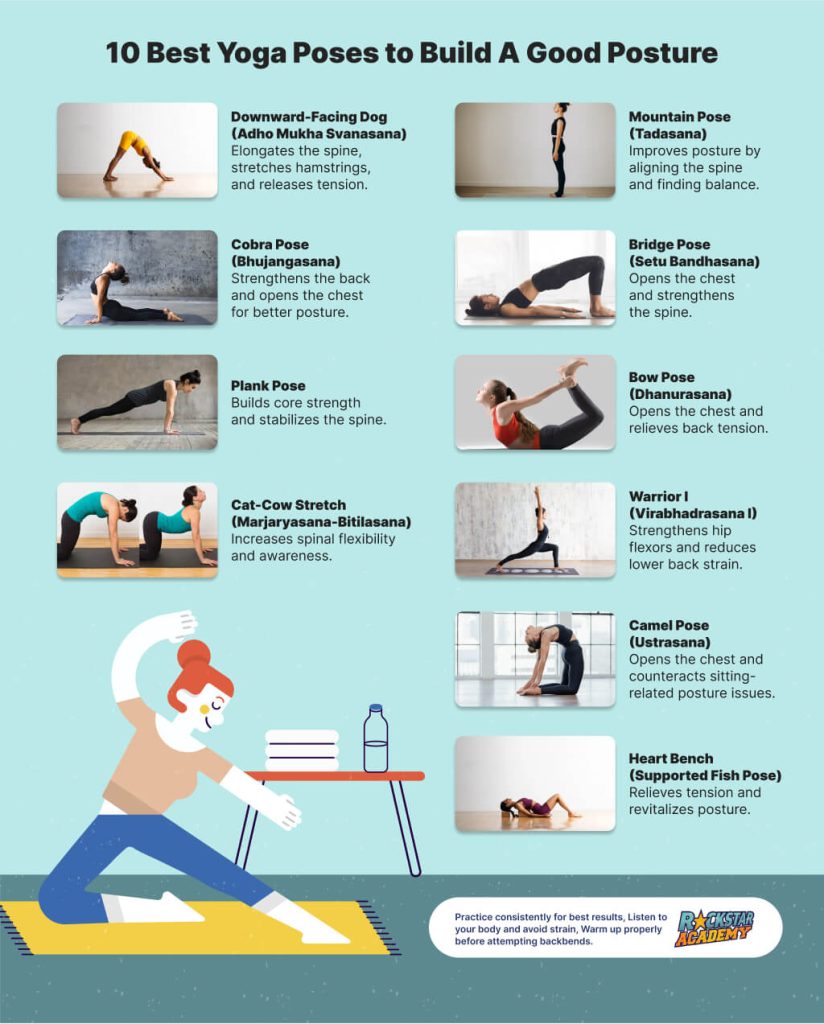
Yoga can transform your posture and flexibility. It strengthens muscles and increases body awareness. Many find relief from poor posture through consistent yoga practice. It targets the core and aligns the spine. Let’s explore how yoga impacts posture.
Strengthening Core Muscles
A strong core is crucial for good posture. Yoga builds strength in the abdomen and lower back. Poses like plank and boat engage these areas deeply. They support the spine and enhance stability. A strong core reduces slouching and improves alignment.
Aligning The Spine
Proper spine alignment is key to posture improvement. Yoga helps to elongate the spine. Poses like mountain and tree promote vertical alignment. They encourage a straight back and balanced shoulders. Regular practice can relieve tension and discomfort.
Enhancing Body Awareness
Yoga boosts body awareness significantly. It teaches you to notice imbalances and misalignments. Mindful movements in yoga build a connection with your body. Awareness leads to conscious posture corrections throughout the day. Over time, this becomes natural and effortless.
Credit: jasonyoga.com
Flexibility Boost Through Yoga
Have you ever felt stiff like a board, struggling to touch your toes or even sit comfortably? You’re not alone. Many people find themselves battling poor posture and limited flexibility due to modern lifestyles. Yoga offers a practical solution, promising to enhance your flexibility and ease muscle tension. But how does it actually work?
Stretching Major Muscle Groups
Yoga is renowned for its ability to stretch major muscle groups effectively. Think about the tight hamstrings, shoulders, and hips that often plague our daily routines. With poses like Downward Dog or Warrior II, yoga targets these areas directly. This consistent stretching not only lengthens muscles but also improves circulation, making them more pliable.
Imagine the relief of finally bending forward without discomfort or reaching up without strain. These stretches can be done in the comfort of your home, requiring nothing more than a mat and a few minutes of your day.
Increasing Range Of Motion
Yoga is not just about stretching; it’s about expanding your range of motion. How often do you find yourself restricted by stiff joints? Poses such as Triangle or Cobra are designed to open up your joints and enhance mobility. You might notice a newfound ease in everyday activities, like reaching for something on a high shelf or sitting cross-legged.
Consider how your body feels before and after a yoga session. You may be surprised at the fluidity you gain after a few weeks of regular practice. The improvement in joint flexibility can significantly impact your daily life.
Reducing Muscle Tension
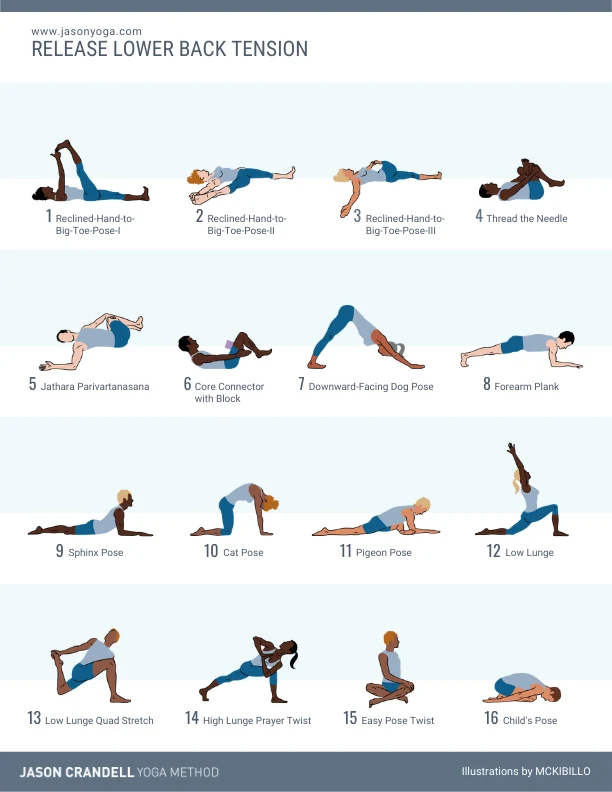
Stress and long hours at a desk can cause muscle tension, leading to discomfort and poor posture. Yoga helps in reducing this tension through gentle stretching and mindful breathing. Poses such as Child’s Pose or Cat-Cow are particularly effective in releasing tightness in the back and neck.
Reflect on a time when stress made your shoulders creep up to your ears. Now, imagine easing them down as you breathe deeply through a yoga session. This relaxation can transform not only your posture but also your mental well-being.
Yoga is more than just exercise; it’s a tool for transformation. Have you considered how a simple practice can lead to profound changes in your body? By integrating yoga into your routine, you might find yourself standing taller and moving with greater ease. Why not give it a try and witness the flexibility boost yourself?
Popular Yoga Poses For Posture Improvement
When you think about improving posture and flexibility, yoga often comes to mind. But is it really effective? The answer is a resounding yes! Yoga can be a powerful tool for correcting posture and enhancing flexibility. Incorporating specific poses into your routine can make a noticeable difference. Let’s dive into some popular yoga poses that can help you stand taller and move more freely.
Mountain Pose
The Mountain Pose is a fundamental yoga pose that focuses on standing tall and grounded. You simply stand with your feet together, arms by your side, and shoulders relaxed. Engage your core and pull your shoulder blades back. This pose helps you align your body, encouraging better posture in everyday life.
Imagine standing in line at the grocery store. Practicing the Mountain Pose regularly can remind you to keep your spine straight and shoulders back, even when you’re not thinking about it. It’s a simple yet effective way to improve your posture.
Tree Pose
Tree Pose is excellent for balance and posture. Start by standing in Mountain Pose, then shift your weight onto one foot. Place the sole of the opposite foot on the inner thigh or calf, avoiding the knee. Bring your hands to your heart or overhead.
This pose challenges your balance and strengthens your legs and core. You’ll notice an improvement in your posture and stability. Why not try it while brushing your teeth or waiting for the kettle to boil?
Cat-cow Stretch
The Cat-Cow Stretch is a dynamic movement that flexes and extends the spine. Start on all fours, with your wrists under your shoulders and knees under your hips. Inhale as you arch your back (Cow) and exhale as you round it (Cat).
This stretch is perfect for releasing tension and increasing flexibility. It’s particularly beneficial if you spend long hours hunched over a desk. Consider doing a few rounds during your work breaks to keep your spine happy.
Have you tried yoga to improve your posture? What results have you seen? The key is consistency. Integrating these poses into your daily routine can lead to positive changes in how you carry yourself. Embrace the journey towards better posture and flexibility. Your future self will thank you!
Effective Yoga Poses For Flexibility
Improving your flexibility through yoga can feel like unlocking a new level in your personal fitness journey. While it’s tempting to think that yoga is reserved for the ultra-bendy, it’s actually a fantastic practice for anyone looking to enhance their range of motion and correct poor posture. By integrating specific yoga poses into your daily routine, you can gradually loosen those tight muscles and stand a little taller. Let’s dive into a few effective yoga poses that can aid in your quest for flexibility.
Forward Bend
The Forward Bend is a staple pose in yoga that can significantly improve flexibility in your hamstrings and lower back. Start by standing with your feet hip-width apart. Slowly bend forward at the hips, keeping your spine as straight as possible.
Reach for your toes or the floor, but don’t worry if you can’t touch them yet. It’s okay to bend your knees slightly. With each exhale, try to deepen the stretch a little more. You might be surprised by how much you can progress in just a few weeks.
Pigeon Pose
Pigeon Pose is a go-to for releasing tension in the hips and improving flexibility. Begin in a tabletop position, then bring one knee forward towards your wrist and stretch the other leg straight back.
Keep your hips squared to the front of your mat. As you breathe deeply, you’ll feel the stretch in your hip flexors and glutes. It’s common to feel tightness here if you sit a lot during the day, so this pose can be particularly beneficial.
Bridge Pose
Bridge Pose is fantastic for opening up the chest and shoulders while strengthening your back. Lie on your back with your knees bent and feet flat on the floor, hip-width apart.
Press through your feet and lift your hips towards the ceiling. Clasp your hands beneath your back to open your chest further. Notice how this pose not only stretches but also strengthens key muscles that support good posture.
Have you ever noticed how your flexibility and posture affect your confidence? By practicing these poses regularly, not only might you find physical improvements, but you could also experience a boost in your self-esteem. Remember, consistency is key, and your body will thank you for the effort.
Integrating Yoga Into Daily Routine
Yoga offers gentle stretches and poses that enhance posture and boost flexibility. Regular practice helps strengthen muscles, making it easier to maintain an upright position. A few minutes daily can lead to noticeable improvements.
Integrating yoga into your daily routine can be a game-changer for improving poor posture and enhancing flexibility. It’s not just about rolling out a mat and doing a few poses. It’s about making small, consistent changes that fit seamlessly into your lifestyle. Whether you’re a busy professional or juggling family responsibilities, yoga can be tailored to meet your specific needs and schedule. So, how can you effectively integrate yoga into your day-to-day life?
Setting Realistic Goals
Start by setting small, achievable goals. Instead of aiming for an hour-long session every day, commit to 10-15 minutes of focused practice. This makes it easier to stick with and less overwhelming. Remember, consistency is more important than intensity. Think about what you really want to achieve. Is it better posture, more flexibility, or perhaps a calmer mind? Write these goals down and revisit them regularly to track your progress. Setting realistic goals keeps you motivated and focused.
Creating A Consistent Practice
Consistency is key. Choose a time that works best for you, whether it’s morning, midday, or evening, and stick to it. Set reminders on your phone or calendar to help make yoga a regular part of your day. Make your practice a priority, just like brushing your teeth or having a meal. Designate a space at home where you feel comfortable and undistracted. This physical space can help mentally prepare you for yoga, making it a more integral part of your routine.
Utilizing Online Resources
Take advantage of the wealth of online resources available. Platforms like YouTube or yoga apps offer free classes ranging from beginner to advanced levels. You can easily find sessions that focus on improving posture and flexibility. Online resources give you the flexibility to practice anytime, anywhere. They also offer the opportunity to explore different styles and instructors until you find what resonates with you. Have you tried a class that surprised you with its effectiveness? By integrating yoga into your daily routine in these practical ways, you’re setting yourself up for success. Your posture will improve, your flexibility will increase, and you’ll likely find a renewed sense of balance and well-being.

Credit: www.instagram.com
Tracking Progress And Benefits
Tracking your progress in yoga can be very rewarding. It helps you see physical and mental changes over time. You may start noticing improvements in your posture and flexibility. These changes can boost your confidence and motivation. Let’s explore how to effectively track these benefits.
Monitoring Physical Changes
Keep a journal of your yoga practice. Note how your body feels before and after each session. Record any changes in your posture. Notice if you can sit or stand straighter. Flexibility can also improve with consistent practice. Document your ability to reach and stretch further. Take photos every few weeks to visually track your progress.
Noticing Mental Improvements
Yoga can also enhance mental well-being. Observe your mood before and after yoga sessions. Are you feeling calmer or more focused? Keep track of your stress levels. Pay attention to any changes in your sleep patterns. Write down moments of increased clarity or relaxation. These mental shifts can indicate progress too.
Celebrating Achievements
Recognize and celebrate your progress. Set small, achievable goals for your yoga practice. Each goal reached is a reason to celebrate. Reflect on how far you’ve come. Share your achievements with friends or a yoga community. Acknowledging your progress can boost your motivation. It encourages continued practice and growth.

Credit: www.healthline.com
Frequently Asked Questions
Can Yoga Fix Bad Posture?
Yes, yoga can help improve bad posture. It strengthens muscles and enhances flexibility. Consistent practice realigns the spine and alleviates tension. Poses like Tadasana and Cat-Cow stretch your back. Improved posture leads to reduced pain and better overall health. Always consult a professional for personalized guidance.
How Long Does It Take For Yoga To Fix Posture?
Yoga improves posture in 4 to 6 weeks with regular practice. Consistent sessions enhance alignment and core strength. It’s essential to maintain a routine to see noticeable changes. Individual progress varies, but commitment speeds up results. Aim for at least 3 sessions per week for effective posture improvement.
How Long Does It Take For Yoga To Improve Flexibility?
Yoga can improve flexibility within 4 to 8 weeks with consistent practice. Regular sessions enhance muscle elasticity and joint mobility. Focus on stretching exercises like forward bends and hip openers for quicker results. Remember, progress varies based on individual body types and commitment levels.
Does Yoga Really Improve Flexibility?
Yes, yoga enhances flexibility by stretching muscles and improving joint range. Regular practice leads to noticeable progress. It promotes overall well-being and reduces injury risk. Different poses target various body areas, helping to loosen tight muscles and increase mobility. Beginners and advanced practitioners benefit from consistent yoga sessions.
Conclusion
Yoga offers many benefits for posture and flexibility. It strengthens core muscles and improves balance. Regular practice can ease tension and reduce stiffness. This leads to better posture and more flexibility. Simple poses help stretch tight muscles gently. It’s a natural way to enhance your body’s alignment.
Consistency is key to seeing results. Start with basic poses and progress gradually. Yoga can fit into any lifestyle. It promotes both physical and mental well-being. Give it a try. Your body will thank you.
