
Have you ever wondered why some athletes seem to bounce back from falls without a scratch while others end up nursing painful shoulder injuries? If you’re passionate about sports or an athlete yourself, understanding the art of falling safely can be a game-changer.
Mastering this skill not only keeps you in the game but also protects your body from long-term damage. Imagine playing your favorite sport with confidence, knowing that even if you take a tumble, you’ve got the know-how to shield your shoulders from harm.
Dive into this article and discover the techniques that could make all the difference in your athletic performance and well-being. Your shoulders will thank you!
Proper Falling Techniques
Athletes can reduce shoulder injuries by learning to fall properly. Tuck the chin, roll over the shoulder, and distribute impact across the body. This technique minimizes direct force on the shoulder, helping to prevent injury.
Proper falling techniques can make all the difference for athletes striving to avoid shoulder injuries. It’s not just about hitting the ground; it’s about hitting the ground safely. Understanding how to fall correctly can save you from months of recovery and lost training time. Whether you’re on the field, court, or track, knowing the right techniques can protect your shoulders and keep you in the game.
Tuck And Roll Method
This method is a lifesaver for athletes. When you sense a fall, tuck your chin to your chest to protect your head. Then, roll on your shoulder rather than landing flat on it. This distributes the impact across a larger area, reducing the risk of injury. Imagine you’re a ball, rolling smoothly to dissipate energy. Practice this on a soft surface like grass to build muscle memory.
Using Arms For Balance
Your arms are more than just appendages for balance; they are your stabilizers. When you begin to lose balance, extend your arms to slow down the fall. This can help you regain control or at least reduce the fall’s speed. However, avoid using your arms to catch yourself directly; this can lead to wrist or shoulder injuries. Instead, let them guide your body’s descent.
Body Positioning
Body positioning is crucial in minimizing injury. Keep your body loose rather than stiff, as tense muscles are more prone to injury. Bend your knees slightly and angle your body to one side. This way, the impact is absorbed by a larger area, reducing stress on the shoulders. Think about how you would position yourself if you were diving into a pool—smooth and controlled. Have you ever watched professional athletes fall gracefully? It’s not magic; it’s practice and technique. By refining these skills, you can protect your shoulders and focus on what you love—competing and performing at your best.

Credit: mytrilogy.org
Understanding Shoulder Vulnerability
Understanding shoulder vulnerability is crucial for athletes. Proper falling techniques can help prevent shoulder injuries effectively. Rolling over the shoulder and tucking the chin reduces impact, safeguarding against potential harm.
Understanding Shoulder Vulnerability The shoulder is a complex joint and easily injured in sports. Athletes need to understand its structure and weaknesses. Knowing these can help prevent injuries during falls.
Anatomy Of The Shoulder
The shoulder consists of three main bones. These are the humerus, scapula, and clavicle. Ligaments and tendons hold them together. The rotator cuff muscles stabilize the joint. They enable a wide range of motion. This mobility makes the shoulder vulnerable to injury.
Common Injury Types
Shoulder injuries vary in type and severity. Dislocations happen when the bones slip out of place. Rotator cuff tears occur when the muscles get damaged. Fractures are breaks in the bones. Sprains and strains affect ligaments and muscles. Each injury type needs specific care.
Risk Factors
Several factors increase shoulder injury risk. Poor technique in sports can strain the joint. Lack of strength or flexibility adds to vulnerability. Previous injuries may weaken the shoulder further. Protective gear reduces risk, yet is often neglected. Knowing these risks can guide athletes in prevention strategies.
Warm-up And Conditioning
Before taking on the challenge of falling safely, athletes must prioritize warm-up and conditioning routines. These routines are critical in preparing the body to endure falls without sustaining injuries, particularly to the shoulders. By engaging in targeted exercises, you can enhance your body’s resilience and flexibility, which are essential for absorbing impacts effectively. Let’s explore some exercises that can make a significant difference.
Stretching Exercises
Stretching is a fundamental part of any warm-up routine. It enhances muscle elasticity and prevents stiffness. Shoulder stretches, such as arm circles and cross-body stretches, are particularly beneficial. Imagine the freedom of movement you gain; it’s like unlocking an invisible shield that guards against injuries. You should aim for stretches that engage the shoulder’s full range of motion, allowing you to fall with ease and confidence.
Strengthening Drills
Strength is your armor against impact. Incorporate drills that focus on building shoulder strength, such as push-ups or resistance band exercises. These drills not only fortify your muscles but also improve your ability to control movements during a fall. Think of them as the foundation of your shoulder’s defense system. Wouldn’t you agree that a stronger shoulder can better withstand the forces of a fall?
Flexibility Training
Flexibility is key to absorbing shocks without injuries. Engage in activities like yoga or pilates that emphasize shoulder flexibility. These exercises help maintain joint health and enhance your ability to twist and turn without strain. Picture yourself falling and your body naturally adapting to the motion—it’s flexibility at work. How flexible are your shoulders right now?
Incorporating these exercises into your routine can transform the way your body reacts to falls. As you become more conditioned, you not only protect your shoulders but also boost your overall athletic performance. It’s time to take control of your safety and maximize your potential on the field.
Equipment And Protective Gear
Proper technique can help athletes fall safely and avoid shoulder injuries. Tuck and roll to distribute force evenly. Use arms to protect the head and maintain balance.
In sports, preventing injuries is crucial. For athletes, shoulder injuries can be common. Wearing the right equipment and protective gear is key. It not only protects but enhances performance. This includes shoulder pads, proper footwear, and helmets with braces. These are essential in reducing injury risks. Below, we discuss each in detail.
Using Shoulder Pads
Shoulder pads provide critical protection. They cushion impacts during falls. This helps to minimize injury risk. Choose pads that fit well. They should not restrict movement. Ensure they have adequate padding. This adds an extra layer of safety. Regularly check for wear and tear. Replace them if damaged.
Proper Footwear
Footwear plays a vital role in safety. Proper shoes offer stability and support. They help maintain balance during sudden movements. Choose shoes with good grip. This prevents slipping on surfaces. Ensure they fit well. Ill-fitting shoes can lead to missteps. Regularly inspect them for wear. Replace as needed to ensure maximum protection.
Helmet And Brace Options
Helmets are crucial for head protection. Choose one with a snug fit. It should not wobble during movement. Look for helmets with impact resistance. They absorb shocks effectively. Shoulder braces provide added support. They stabilize the shoulder joint. This reduces injury risk during falls. Consider using both for optimal safety. Always ensure they are in good condition. Regular maintenance is essential.
Recovery And Rehabilitation
Athletes should use their arms to absorb impact when falling to protect their shoulders. Rolling upon landing distributes force evenly across the body, reducing the risk of shoulder injuries. Proper technique in falls is crucial for maintaining shoulder health and ensuring swift recovery and rehabilitation.
Recovery and rehabilitation are crucial for athletes after a shoulder injury. Proper care ensures faster healing and prevents future problems. Understanding recovery steps helps athletes regain strength and mobility.
Immediate Care Steps
After a shoulder injury, quick action is essential. Rest the shoulder immediately to prevent further damage. Apply ice to reduce swelling and pain. Keep the shoulder immobilized with a sling for support. Seek medical attention to assess the injury properly.
Physical Therapy Techniques
Physical therapy plays a key role in recovery. Therapists design exercises to improve shoulder flexibility and strength. Stretching exercises help restore range of motion. Strengthening exercises focus on stabilizing shoulder muscles. Regular therapy sessions speed up recovery.
Long-term Recovery Strategies
Long-term strategies ensure sustained recovery. Maintain a consistent exercise routine. Focus on overall shoulder health to prevent future injuries. Incorporate balanced workouts to strengthen all muscle groups. Monitor progress and adjust exercises as needed.

Credit: www.rocketcitychiropractic.com
Expert Advice And Techniques
Proper technique can help athletes avoid shoulder injuries during falls. Tucking the chin and rolling onto the back distributes impact safely. Keeping arms close to the body prevents awkward positions and reduces strain.
Falling is an inevitable part of an athlete’s journey. However, the way you fall can make all the difference between a minor scrape and a serious shoulder injury. Expert advice and techniques can guide you in mastering the art of falling safely, turning potential setbacks into graceful recoveries. Let’s dive into some professional insights and practical tips on how to minimize injury risk.
Professional Insights
Experts emphasize the importance of body awareness and control when falling. Dr. Emily Carter, a sports physiotherapist, suggests focusing on distributing the impact across a larger area of your body. This means instead of landing directly on your shoulder, aim to roll with the fall, using your entire side to absorb the shock. Athletes often overlook the significance of maintaining relaxed muscles during a fall. Tension can increase the risk of injury. Experienced coaches recommend practicing relaxation techniques to help your body react more fluidly in unexpected situations.
Practical Tips
– Roll with the Fall: Practice rolling techniques that help distribute the force of the impact. Start with simple forward rolls and gradually incorporate side rolls to build confidence and skill. – Protect the Shoulder: As you fall, tuck your chin and use your arms to protect your head and shoulder. This position reduces direct impact on vulnerable joints. – Use Protective Gear: While it might not prevent all injuries, using padded shoulder guards can minimize the impact during intense training or competitive events. Regular practice in a controlled environment, like a gymnasium with mats, can build muscle memory. This prepares your body to react instinctively when you’re in the heat of competition.
Training Programs
Incorporating fall training into your routine can significantly reduce injury risk. Programs specifically designed for safe falling teach techniques such as: – Controlled Falling Drills: These drills simulate real-life scenarios, helping athletes practice and perfect their technique in a safe environment. – Balance and Agility Exercises: Improving balance and agility not only enhances performance but also equips you to handle unexpected falls better. – Strengthening Exercises: Focus on exercises that strengthen your shoulder girdle and core muscles. A strong body can better withstand the stresses of an accidental fall. Think about how these techniques could transform your approach to training and competition. Are you equipping yourself with the knowledge to protect your body, or are you leaving it up to chance?
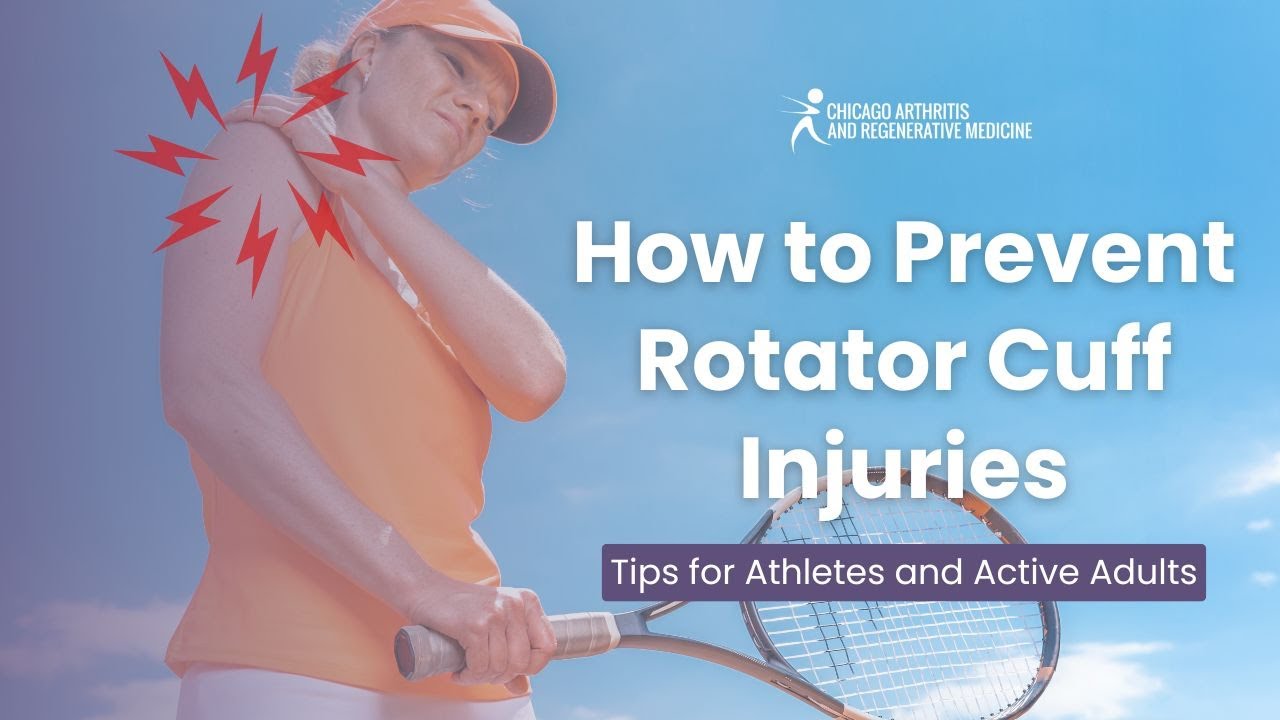
Credit: chicagoarthritis.com
Frequently Asked Questions
How Do You Prevent Shoulder Injuries?
Strengthen shoulder muscles through regular exercises. Maintain proper posture and avoid overloading. Warm-up before activities. Use ergonomic equipment and techniques. Rest adequately to prevent overuse injuries.
How To Reduce Shoulder Pain After A Fall?
Apply ice to reduce swelling and pain. Rest the shoulder and avoid heavy lifting. Use over-the-counter pain medication for relief. Perform gentle exercises to improve mobility as pain decreases. Consult a doctor if pain persists or worsens.
What Is The First Aid For A Fall On The Shoulder?
Apply ice to reduce swelling. Keep the arm immobilized using a sling or bandage. Avoid moving the shoulder. Take pain relief medication if necessary. Seek medical attention for further evaluation.
How To Protect Your Shoulder When Working Out?
Warm up your shoulders before exercising. Use proper form and technique during workouts. Avoid lifting heavy weights abruptly. Strengthen shoulder muscles gradually with targeted exercises. Rest adequately to prevent overuse injuries.
Conclusion
Proper falling techniques protect athletes from shoulder injuries. Practice makes perfect. By learning how to fall safely, athletes can minimize risks. Focus on technique, not just strength. Awareness is key. Always be mindful of your body’s position. Train regularly to reinforce good habits.
Remember, prevention is better than cure. Stay safe and keep enjoying your sport. Your body will thank you.
